


Technical skills, emotional resilience, manual dexterity, quick decision-making skills, thoroughness, and a vast wealth of knowledge are all vital for anyone hoping to become a doctor. However, in the chaos of getting your medical degree and finishing your residency, you might forget about the importance of emotional intelligence, empathy, and basic kindness.
In other words, some doctors forget that they’re treating actual living, breathing, thinking, and feeling human beings. A professional’s bedside manner is vital. It works as a wonderful complement to their more technical and intelligence-driven skills.
According to Wendy L. Patrick, J.D., M.Div., Ph.D., physician-patient interactions are “important components of the hospital experience.” In short, patients who believe that their doctor has a good bedside manner are more likely to perceive their treatment as effective.
“Because patients are by definition in a vulnerable position when they meet with their doctor, mannerisms matter,” she writes in a post on Psychology Today.


“Most of us form impressions immediately when we meet new people—for better or for worse. This can be particularly true in a medical setting, where patients are uncomfortable and anxious for information,” Patrick explains.
Doctors who manage to make their patients feel at ease make them more likely to comply with their treatment. What’s more, this leads to reduced symptoms and improved recovery.

In terms of good bedside manner, what truly matters for patients is eye contact, as well as genuine interest and patience.
For example, patients are less likely to trust their doctors who avoid their gaze, are distracted, and feel rushed or stressed. In other words, the perception of disinterested and disengaged medical professionals pushes patients away.
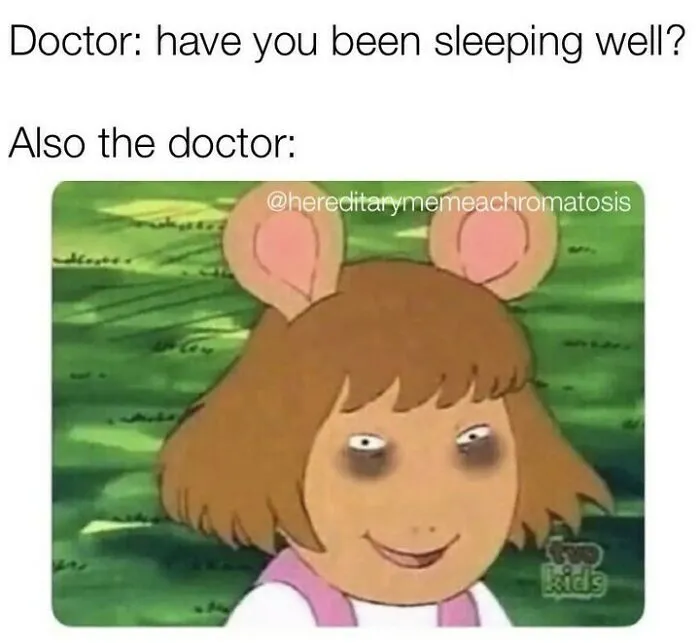
Meanwhile, St. George’s University emphasizes that a doctor’s ability to communicate with their patients is fundamental to their bedside manner. Good communication helps build rapport and creates trust. Bad communication undermines the entire relationship.
“The ability to communicate is probably the most important skill a physician can possess. The ability to convey genuine concern about and interest in a patient is an integral and inseparable part of the medical communications process,” said Dr. Bernard Remakus.
“Good bedside manner sets the stage for a successful interaction between patients and doctor. Research has shown that good bedside manner can be — and should be — initially taught in medical school,” added Dr. Theresa McCann, Professor of Behavioral Sciences at St. George’s University.
Not everyone is naturally talented at communication, but the good news is that you can develop those skills every single day through interactions with your patients, colleagues, and students. Taking part in physician-patient simulations also helps you practice your skills so that you’re both more competent and confident.