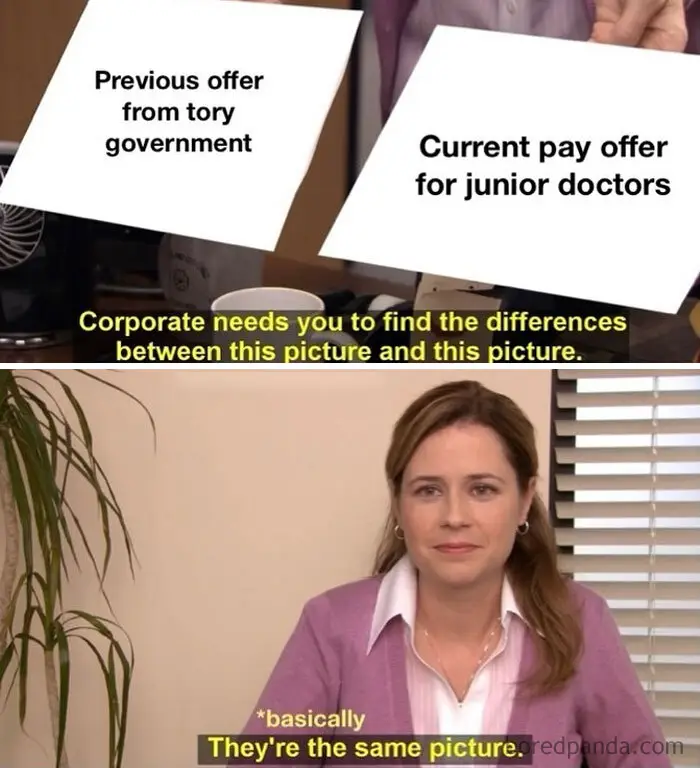


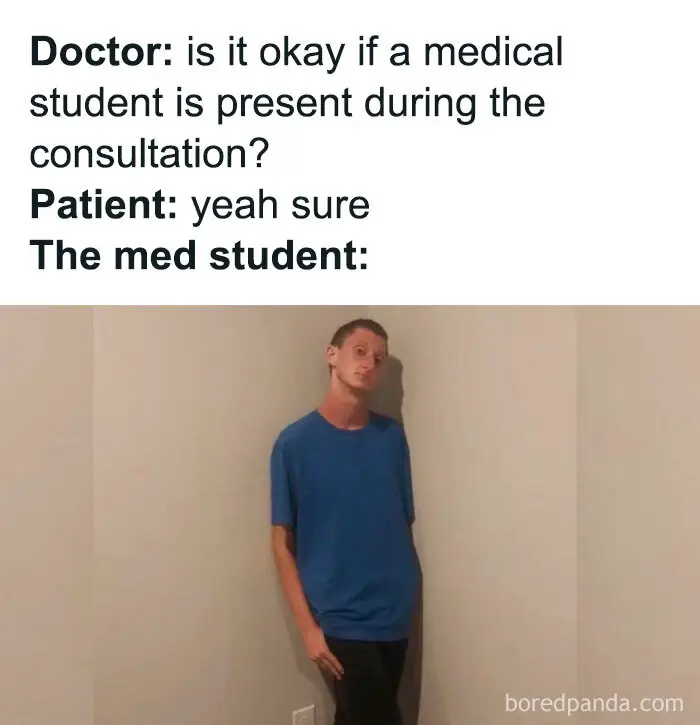

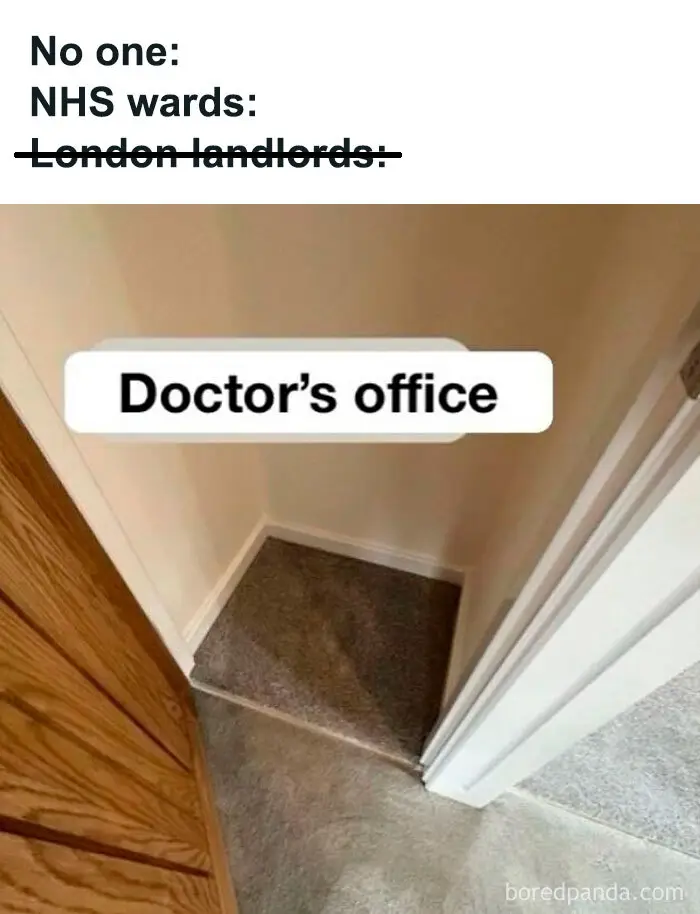
Medical school is not for the faint-hearted. Between lectures, practical exams, and an almost ridiculous amount of information to memorize, students barely have time to remember what a full night's sleep feels like.
One minute, they're learning the names of bones, and the next, they're expected to know how the entire human body works. A 2024 study found that burnout was a serious concern across medical schools worldwide. It looks like becoming a doctor comes with a complimentary introduction to exhaustion!


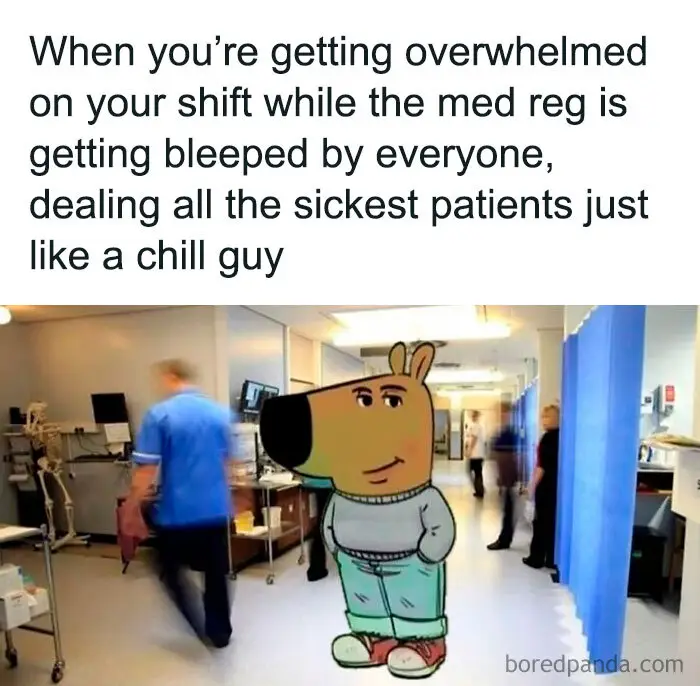
Passing all the gazzillion exams is only the first part of the adventure. Medical students eventually have to step into hospitals and put their classroom knowledge to the test.
They have to interact with real patients, observe procedures, and learn how to communicate with people who may be frightened or in pain. Real life is a far cry from answering questions in an exam, and no amount of highlighting your textbook can fully prepare you for that!



After medical school, newly qualified doctors still have a demanding training stage ahead. Residency is when they put years of study into practice under the supervision of experienced physicians.
It's an important part of becoming a specialist, but the workload can be intense. In the United States, the Accreditation Council for Graduate Medical Education allows residents to work up to 80 hours a week, averaged over four weeks. That's practically a full-time job, and yes, they still have to study!


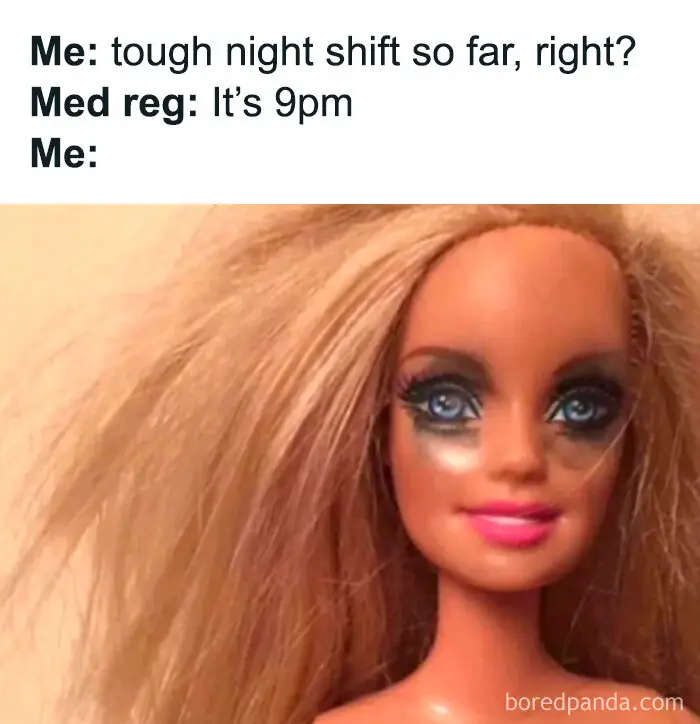
Night shifts are another part of healthcare life that deserve their own collection of memes. While most people are getting comfortable in bed, somebody is clocking in for another long shift.
The National Institute for Occupational Safety and Health explains that working irregular hours can disrupt sleep patterns and lead to fatigue, stress, and other health problems. It can also affect alertness and patient safety. So if a nurse looks like they haven't seen daylight in days, there's a good chance their work schedule is to blame.


There's also the emotional side of working in healthcare, which doesn't always get enough attention. Doctors and nurses meet people on some of the worst days of their lives, and they often have to deliver difficult news or care for scared patients.
They still have to remain professional and compassionate, even when a situation is personally upsetting. It's a lot to deal with, especially after a long, physically taxing shift. Sometimes, the healthcare worker who tells everyone else to take care of themselves could probably use someone reminding them to do the same!


The pressure doesn't disappear once someone becomes an experienced doctor. A Stanford Medicine report covering a large study of physicians found that 45.2% of respondents reported at least one symptom of burnout.
So much for finally having everything figured out after graduation! Even seasoned doctors can struggle with the demands of the job.