





#1
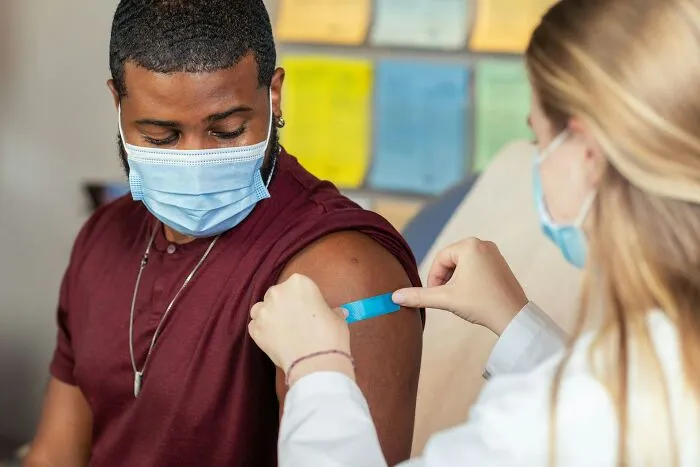
1/5 of all kids would d*e by 5 before we had vaccines. 20%!!!!!!
Stop being ridiculous and get vaccinated.
#2

#3

In a standard 15-minute office visit, a doctor has to review charts, perform an examination, write prescriptions, and complete billing paperwork. They simply don't have time to unpack deeply rooted misconceptions or educate patients on how health systems work.
That’s why these responses matter — maybe patients can meet the experts halfway and make their jobs a bit easier.
Because, let’s be honest, a doctor’s job is anything but easy. They constantly deal with high stress, long hours, and systemic frustration.
#5
#6

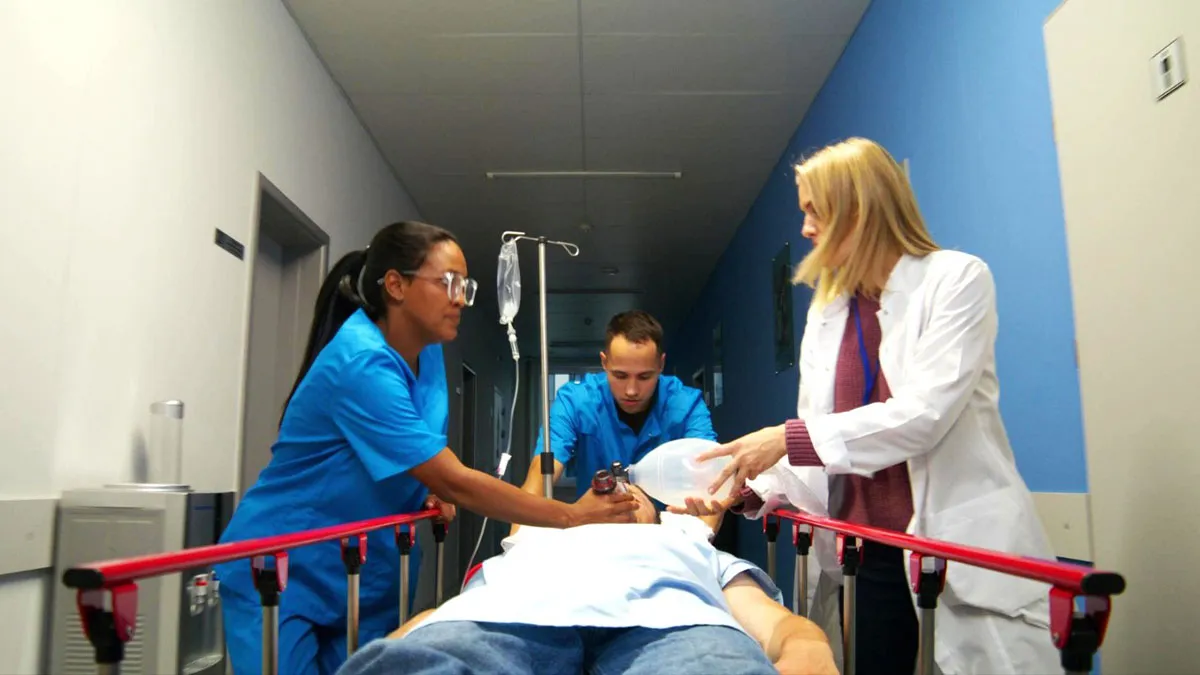
But I did aggressive, deep chest compressions (yelling at him the whole time), and kept it going until the fire department arrived and took over, and he is still with us and neurologically intact. I would encourage everyone to take CPR, and if needed, use it. The life you save might be your loved one.
It’s no secret that the healthcare system in most countries is under massive strain.
The World Health Organization (WHO) described 2025 as “one of the most difficult years” in the agency’s history — after sudden, severe cuts to international aid left hospitals everywhere struggling.
Experts believe this is being driven by three growing threats: emerging pandemics, drug-resistant infections, and increasingly fragile healthcare systems.
#7
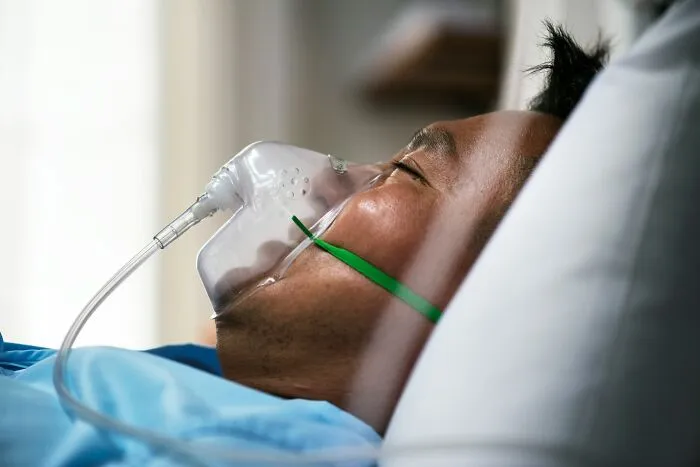
I’ve made it very clear to my spouse that if I’m ever in a situation that will leave me permanently disabled with a poor quality of life, just let me pass in peace. Don’t prolong the misery.
#8

The doctors can only do so much.
#9

It gets harder and harder to fix deconditioning the older you get.
Behind the long wait times and busy waiting rooms, there’s an actual global crisis.
According to the WHO, 4.6 billion people still lack access to essential health services, and around 2.1 billion face financial hardship because of health costs.
Compounding the crisis, the world faces a projected shortage of 11 million healthcare workers by 2030, more than half of them nurses.
#10

#11

I go home after my hospital shifts worrying about you. Your condition. Whether you're going to code again. Whether your condition will get better. Will the night team have to transfer you to the MICU? Will you ever become strong enough for surgery after being on my unit for 40 days with an intraabdominal abscess?
Whether you're going to be able to ever return to work or get your life back to normal. Your cancer. Your heart. Your intractable vomiting. All your pain and discomfort that I wish I could make disappear if I only had a magic wand.
Your rare rheumatic condition or demyelination that's left you thinner than a h*******t survivor, despite the best medical care modern humans can muster.
If the pain medication I prescribed you will trigger your rare heart condition into arrest, even though my pharmacist and the consult electrophysiologist said it's probably safe
I think about you walking your daughter down the aisle. You missing your high school graduation. The lady I hugged last month, knowing your mother's thrombotic stroke wasn't in an operable vessel as we handed her off to the helicopter transport crew. We'll all try anyways.
I think about you. A lot.
#12

Urbanization is an unexpected catalyst reshaping modern healthcare.
A recent report by consumer health company RB highlights how moving to cities is actually triggering a wave of new health challenges.
While city living offers proximity to top-tier hospitals, it also affects daily habits. Urban spaces often swap fresh food for cheap, ultra-processed meals and green spaces for dense concrete. This leads to physical inactivity, high stress, and constant exposure to air pollution.
#13

#15
Stuffy indoor spaces and dirty city air are also making conditions like asthma way more common.
On top of that, global obesity rates are climbing fast. Researchers estimate that if things keep going the way they are, nearly one out of every four people on the planet will be living with obesity by 2045.
“These numbers underline the staggering challenge the world will face in the future in terms of numbers of people who are obese, or have type 2 diabetes, or both. As well as the medical challenges these people will face, the costs to countries’ health systems will be enormous,” says researcher Alan Moses of Danish healthcare company Novo Nordisk’s research and development department.
#16

#17
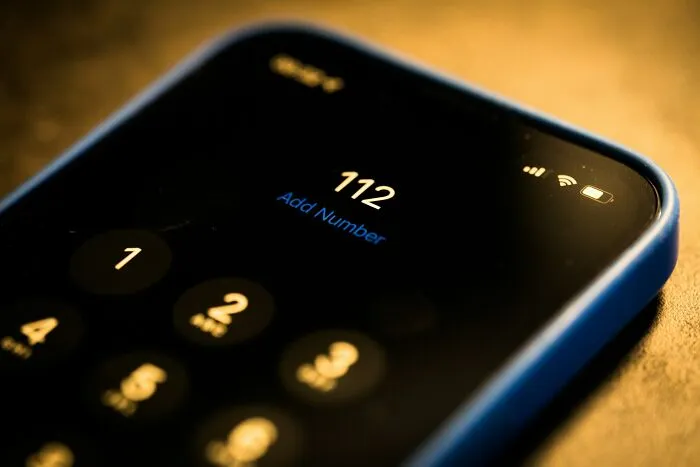
Calling 112 does not automatically get you a room in the ER.
Using an ambulance to go to the ER for something small takes resources away from other actual emergencies.
Many of us carry f*ntanyl for pain management. I know it has the same name as the d**g you hear about in the news, but we’re very good at administering it and we’d love to treat you or your child’s pain with it. It’s safe and very effective.
Also pretty please get house numbers we can read from the street.
#18
If the physician ordered q2 vitals and blood glucose checks, I am waking you up to get them.
If you are on a low sodium diet, no I cannot just order you a cheeseburger.
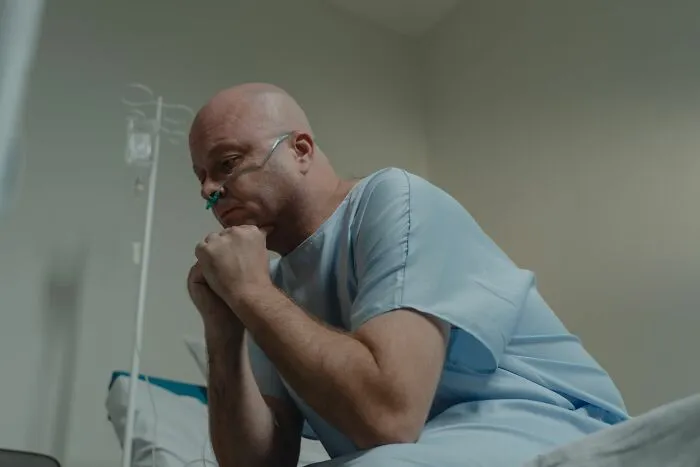
I understand that you are having a bad time, but on a critical care floor, you need to be monitored more closely. Don't take it out on the staff. The amount of a***e I have endured is insane. I am not on 'a power trip' I am trying to keep your a*s alive.
Aging populations are also reshaping healthcare. People are living and working longer than ever before, which is both an advantage and a challenge.
This demographic shift, along with rising medical costs, is pushing people to seek quick, easy answers outside doctors’ offices.
For many, the first stop is a quick web search or a social media video.
Experts warn this shortcut often leads to confusion and dangerous misinformation.
#19

#20

The amount of times I've had a patient say "I could've drove myself or got a ride but I didn't feel like sitting in the waiting room" is genuinely upsetting.
Severe system strain isn’t just a political or financial metric.
A ton of research shows that healthcare professionals are particularly susceptible to depression and burnout.
A study conducted in Europe by the WHO in 2025 found a high prevalence of mental health conditions and unsafe working conditions — including violence, extended working hours, and shift work — in healthcare.
Research also shows that burned-out healthcare workers are twice as likely to make medical errors, experience lower empathy, and face higher rates of communication breakdowns.
When patients come in unprepared, hide key medical details, or demand unnecessary treatments they saw online, it clearly adds to the pressure.
