





There are many different branches of math: algebra, trigonometry, calculus, statistics, geometry, etc. But Ben Orlin finds probability the most fascinating. "My first book had chapters on lottery tickets, financial meltdowns, and human genetics. It's bizarre that the same simple mathematics applies to all of these things. Plus, probability gives us simple problems whose solutions are totally counterintuitive."
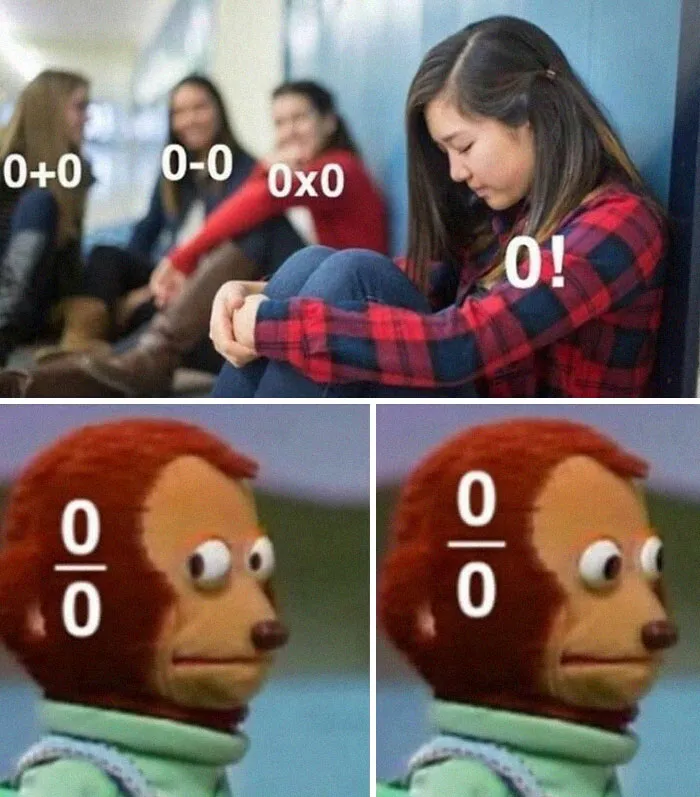

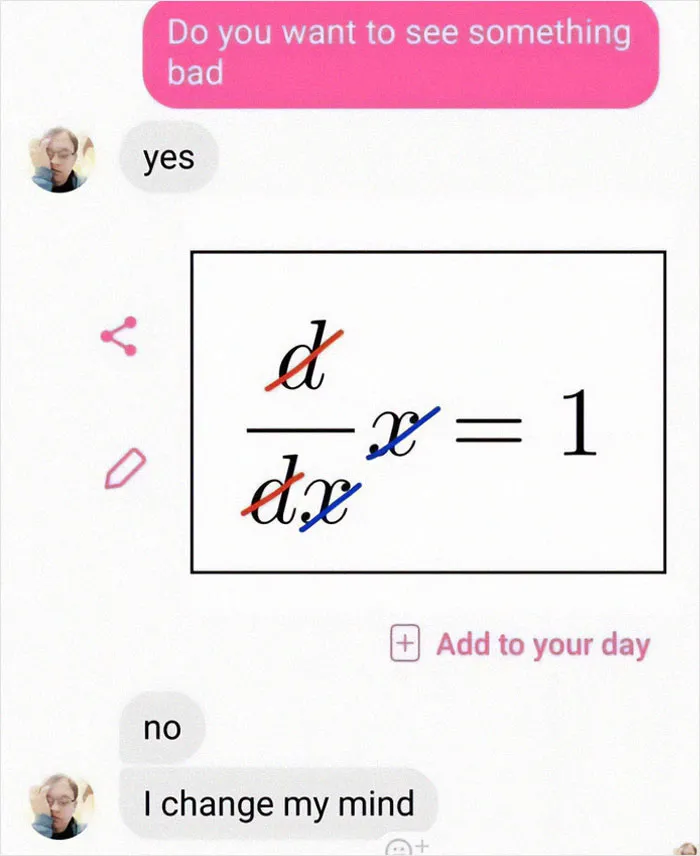
"We sometimes call them 'paradoxes,'" Orlin goes on. "For example, the birthday paradox. But all they are is straightforward calculations that happen to shatter our expectations. In a room of just 23 people, it's likelier than not that two people share a birthday. Weird, but true."
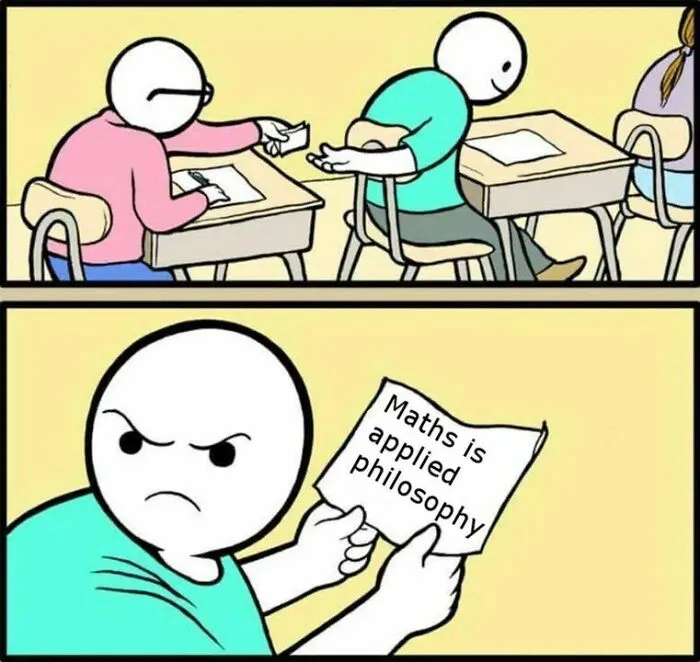
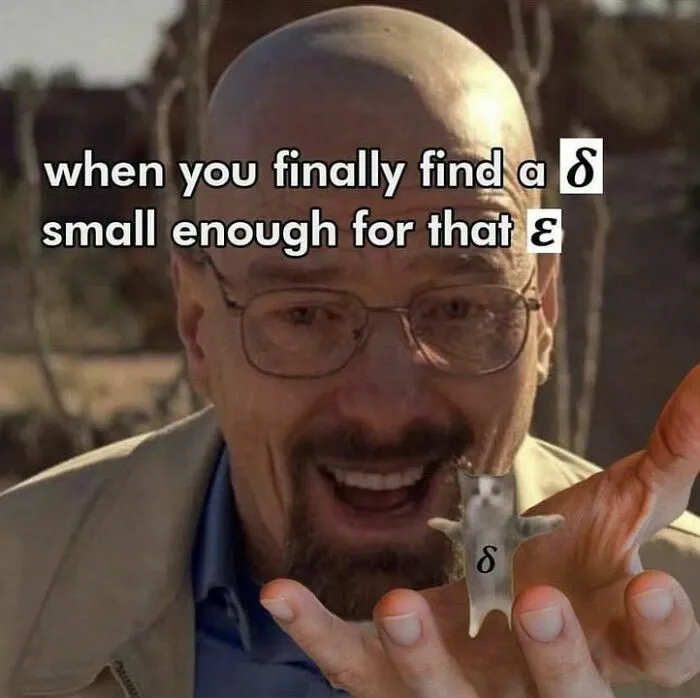
Doing math is good for us and our brains. A Stanford University study shows that students who are good at math are also better at decision-making and retaining visual attention. You might've been thinking in school that you'll never need to use the Pythagorean Theorem, but learning math at school isn't really about that.

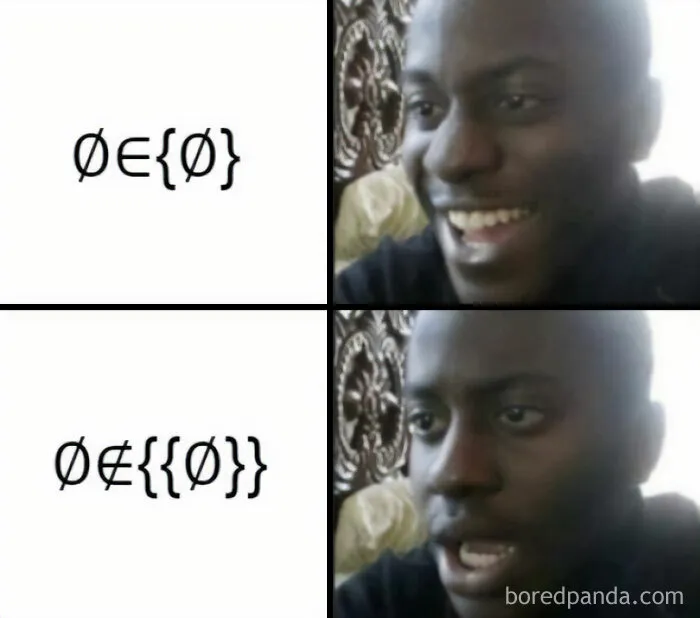

Doing math consistently fosters our neuroplasticity, or, as Neil DeGrasse Tyson put it, 'A new kind of brain wiring,' one that makes us better at problem-solving. It's not about the facts and the formulas that we learn, but about what methods, tools, and tactics we've had to develop to solve those mathematical problems.
Related Educational Jokes
Craving humor that doesn't require a calculator? Check out our school jokes, dad jokes for kids, English teacher jokes, biology jokes, physics jokes, history jokes, and computer jokes.