

There is nothing more devastating than the loss of your child. Your entire world shatters. And though you slowly learn to exist with your grief, there will be moments when you break down. Unfortunately, some people remind you of that pain intentionally.
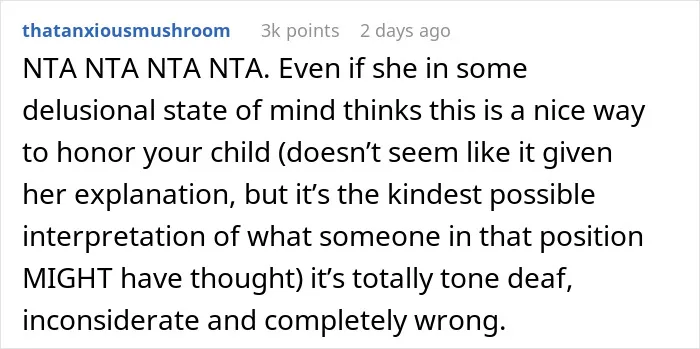
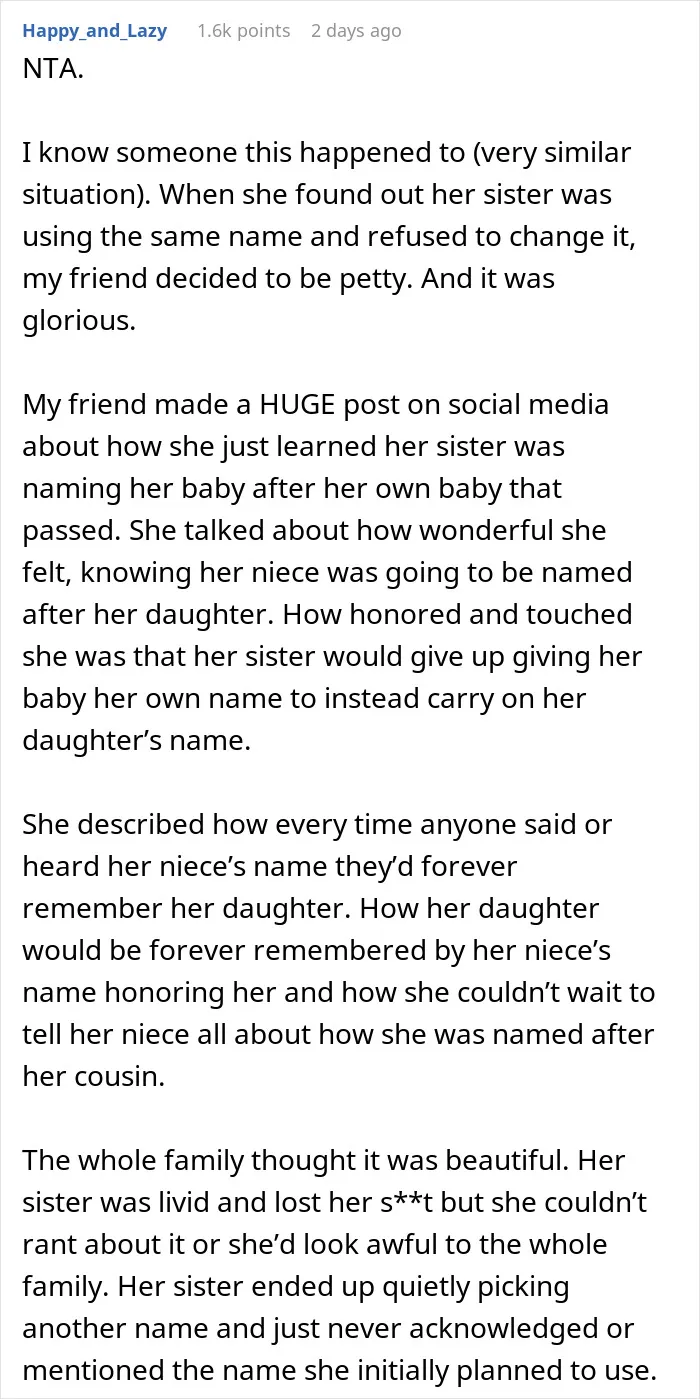
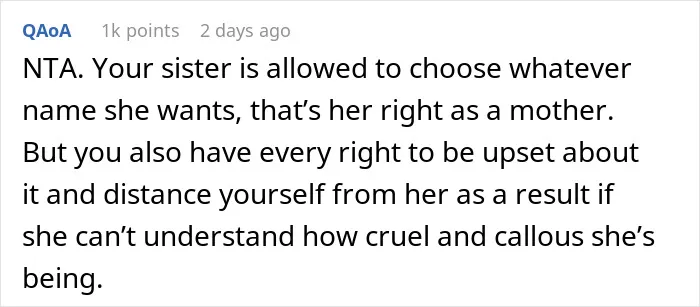
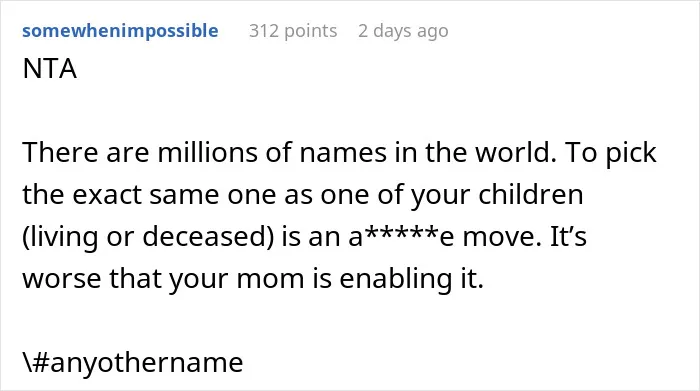
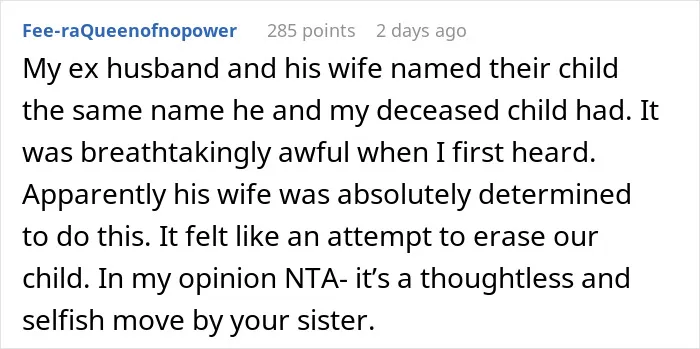
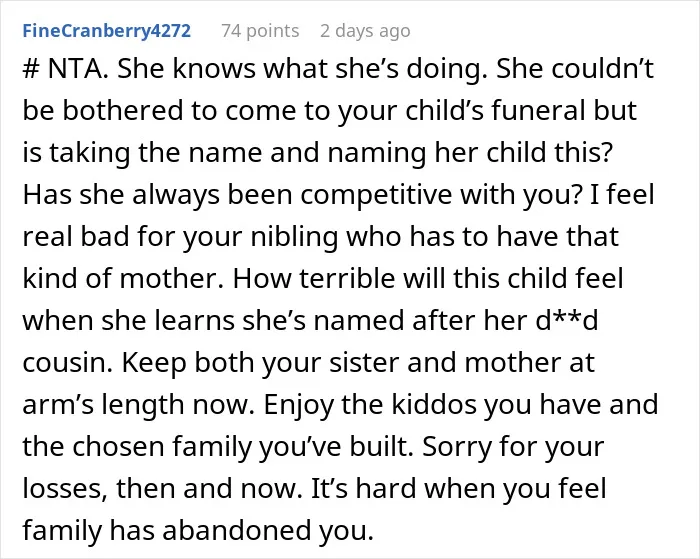
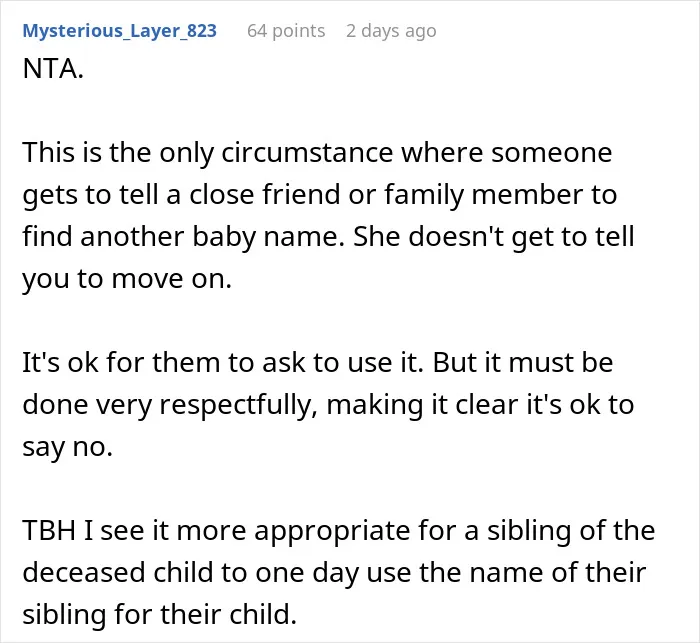
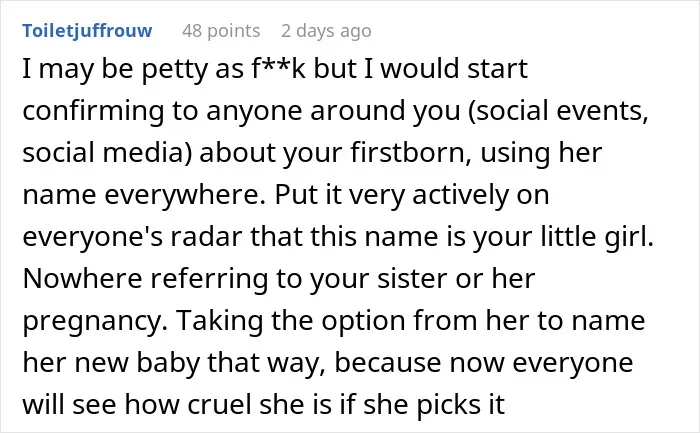
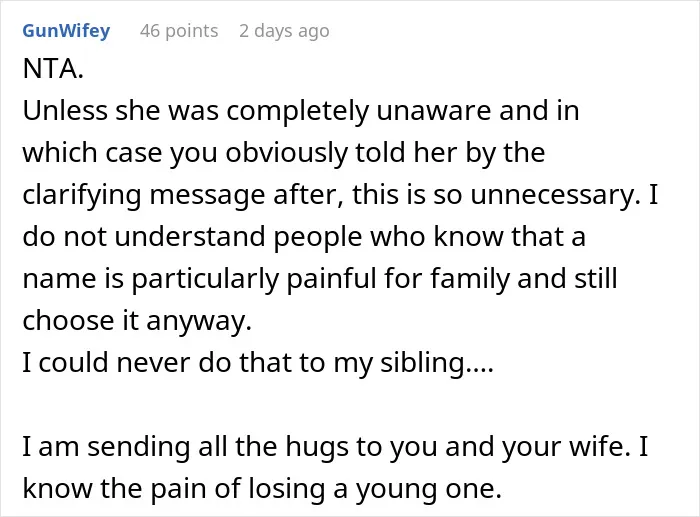
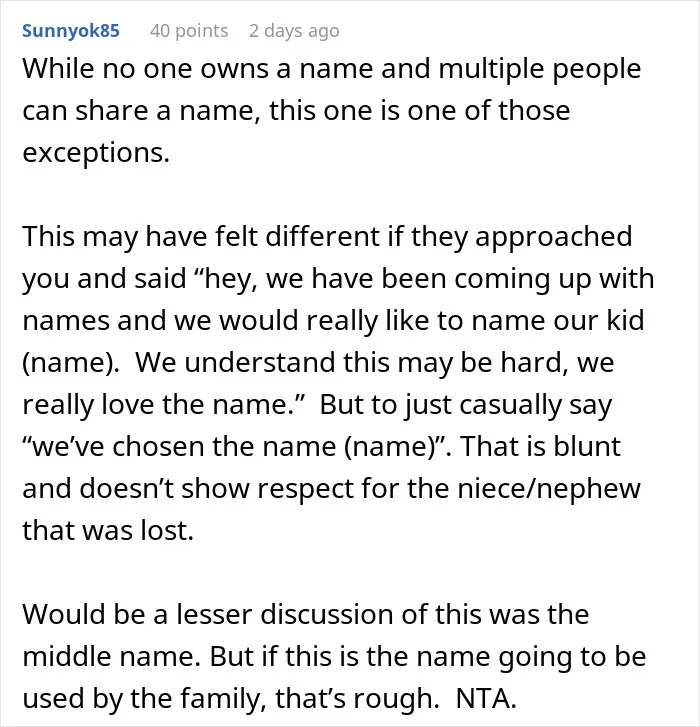
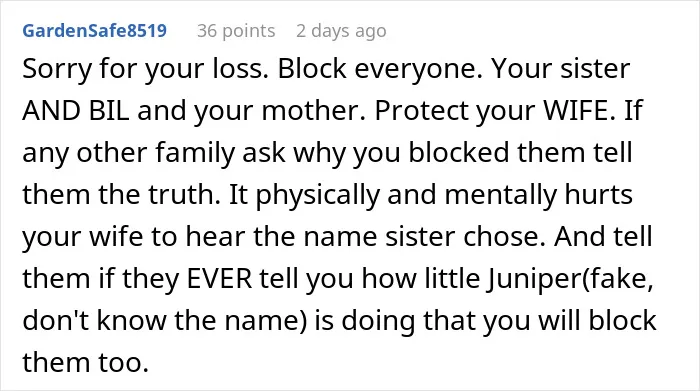
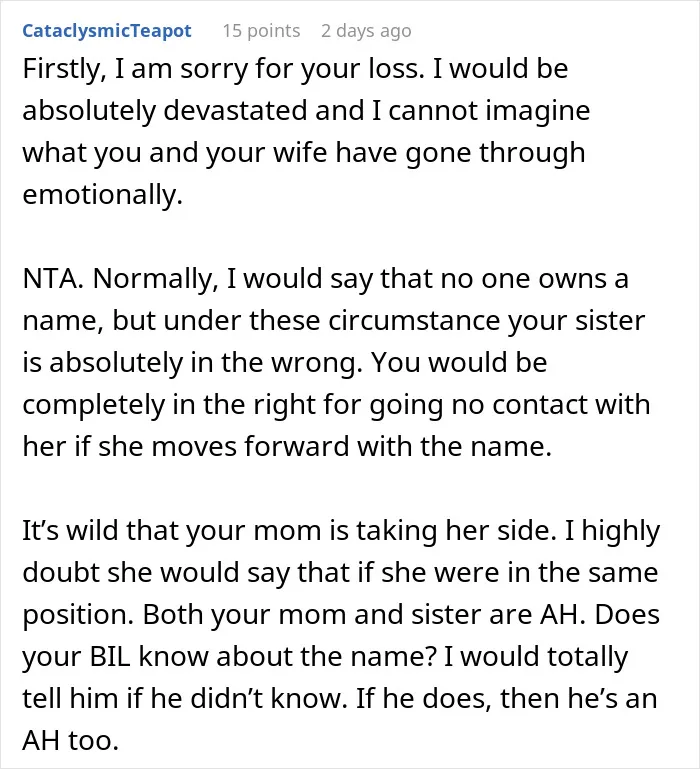
A grieving man who lost his daughter bared his soul online about the hurtful drama that erupted in his family. His pregnant sister told him that she’d chosen a name for her firstborn—the same name as the child he lost. When he asked her to pick a different name, she was furious. Keep in mind that this is an incredibly sensitive topic. Remember to be respectful.
Losing your child is the worst thing that can ever happen. Your loved ones should know better than to hurt you after this happens

This man opened up about the devastating reason why he asked his pregnant sister to reconsider the name of her firstborn


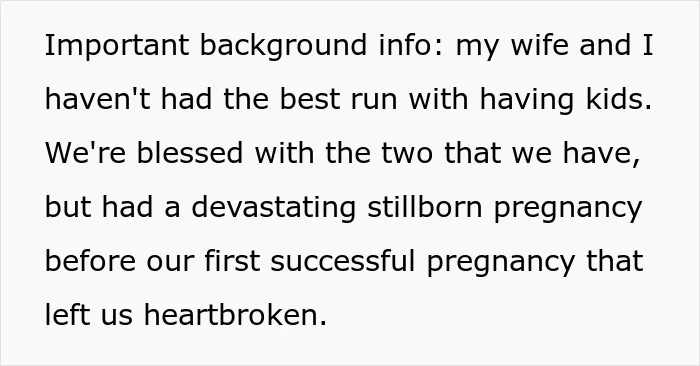
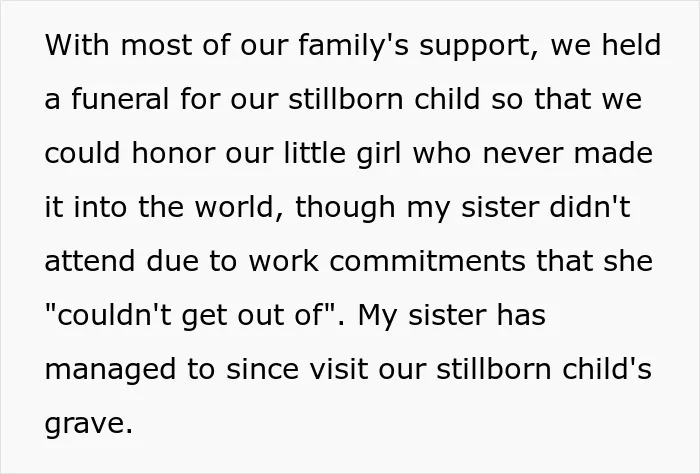

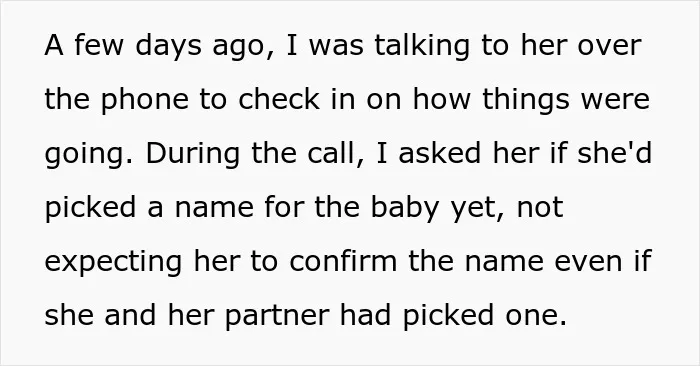



There is no "correct" way to mourn your loss
There is no ‘right’ or ‘wrong’ way to grieve. Everyone’s process is deeply personal. There is no ‘expiration date’ on the pain that you feel. And whether or not you cry often or cannot shed a single tear is in no way an indication of the pain you feel.
Calm emphasizes that your grief is valid exactly as it is. “Grief doesn’t have to look dramatic to be real. You don’t need to be sobbing every day or fall apart in public to ‘prove’ your pain. Whether you’re wailing uncontrollably or functioning on autopilot, your experience is valid. There’s no hierarchy of heartache.”
The loss of someone you love, especially a child, will upend your entire life. “Parents may struggle to concentrate or work, control anxiety or stress, and often feel lethargic. There may be bitterness toward doctors, or toward relatives and friends who continue to live happy lives. A sense of alienation from the world is common,” Psychology Today explains.
It is important that parents allow themselves time to grieve. One thing that can help with emotion management during this devastating time is reflecting on the positive memories you have of the child you lost. Open communication between partners is paramount.
In the meantime, you can give more attention to your partner or other family members. It may also be helpful if they avoid making sudden major life changes and reach out to a professional counselor for support.
As a loved one or friend, there are certain things you should never say
After you lose your child, some of your loved ones, friends, colleagues, or acquaintances might pull away from you. They can’t imagine your experience and have no clue what they could ever say to you to support you.
“But while parents may seek time alone and may not be immediately responsive to offers of support, their friends and family should stay connected—sharing stories of the deceased child that the parents may not know, resisting judgment of their grief or the time they devote to mourning, and accepting the feelings they express, even if they are difficult to hear. Under no circumstances should someone say ‘I know how you feel,’ or in any way suggest that it’s time to ‘get over it’ or ‘move on.’”
Psychology Today stresses that opening up to your loved ones, therapist, or support group can help parents deal with the feeling of grief and shame of miscarriage.
Mothers, in particular, are particularly vulnerable during this time, as they “cannot shake the belief that the loss of their pregnancy must have been their fault, or that they or their bodies are lesser or inferior, even though the direct cause of a miscarriage is often not clear and often has little to do with a parent’s actions.”
Meanwhile, Calm notes that parents should give themselves permission to feel joy when it comes. They should not judge themselves for this but should give themselves more grace.
“This one can feel strange and maybe even disloyal, but finding moments of laughter, calm, or lightness doesn’t mean you’ve ‘moved on.’ It means you’re alive and capable of feeling many things at once. The child you lost doesn’t need you to suffer to remember and honor them. Remember that joy doesn’t cancel grief. It can sit beside it.”
If you have lost someone dear to you, what advice would you give someone whose grief is still incredibly raw and they feel completely rudderless? What helped you through the most difficult times in your life? If you feel like sharing your thoughts, you can do so below, in the comments.
The internet weighed in on the sensitive family drama over the baby name