




Some people live their lives like they’re the star of a blockbuster movie, and everyone around them is just an unpaid extra forced to stand in the background.
That is the core idea behind “Main Character Energy.”
Back in 2020, this trend blew up on TikTok, where people started filming themselves doing normal, everyday things — like drinking coffee, walking in the rain, or staring out a train window — with dramatic cinematic music playing over it. It started as a harmless and fun way to boost self-confidence and romanticize everyday life.
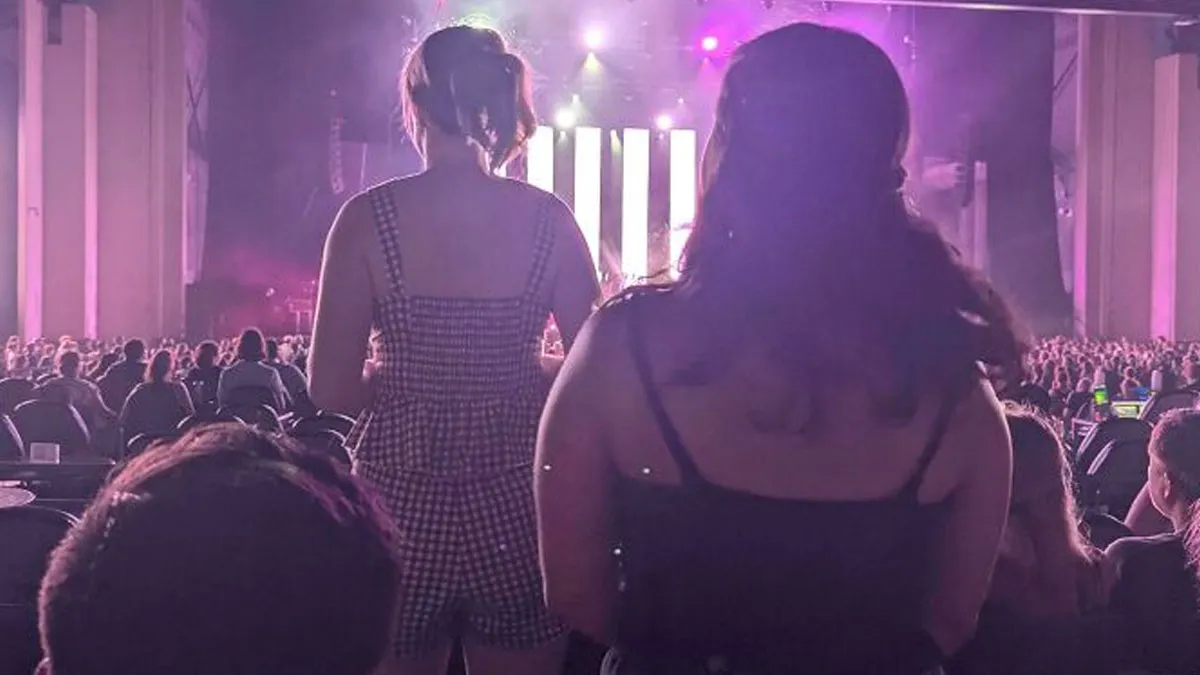
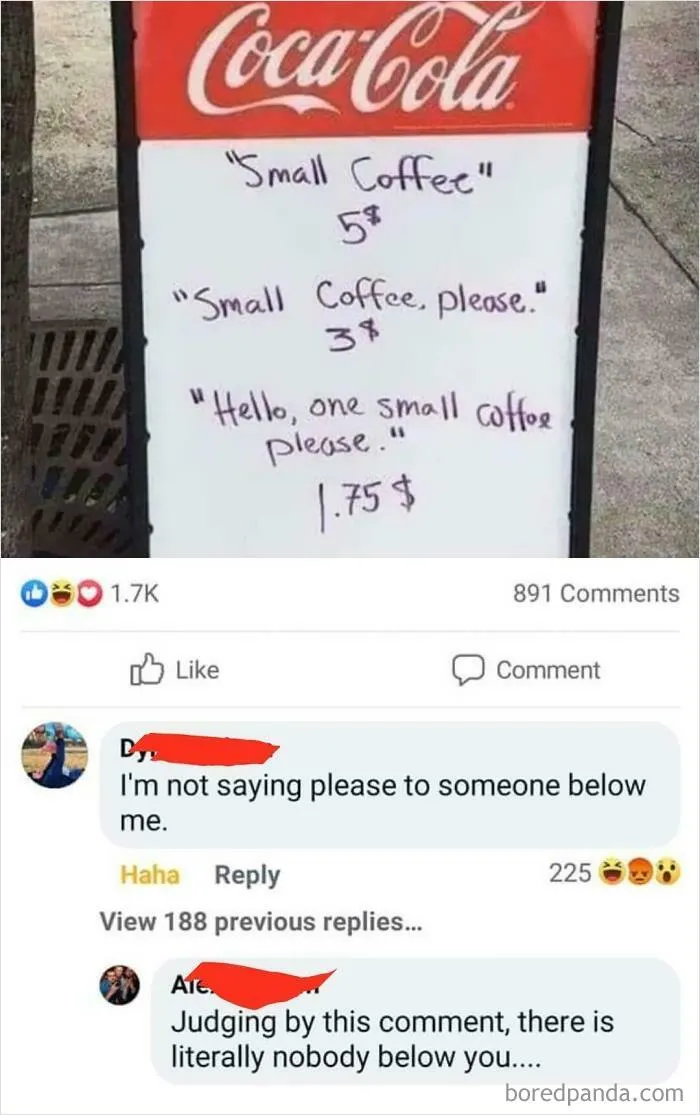
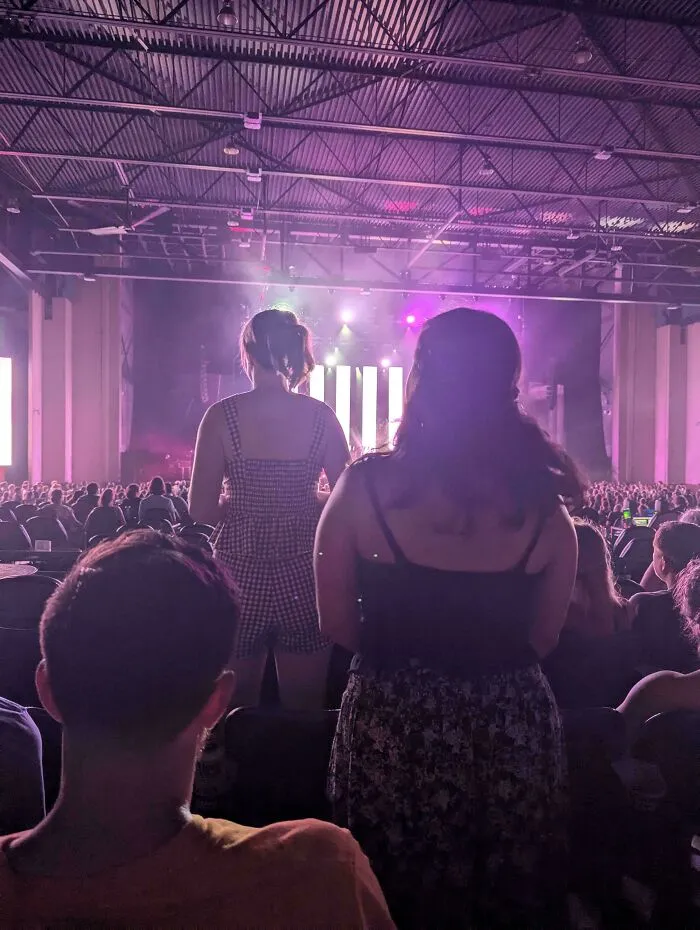
#6 Concert Etiquette
When confidence crossed the line and turned into entitlement, the internet started calling it main character syndrome.
It isn’t a medical diagnosis. Yet experts use it to describe someone who thinks they are the center of the story, which naturally changes how they present themselves to others and how they act in public.
“You view yourself through a storytelling lens, like you’re on a movie or a TV show, and the spotlight is always on you,” says psychologist Susan Albers, PsyD.
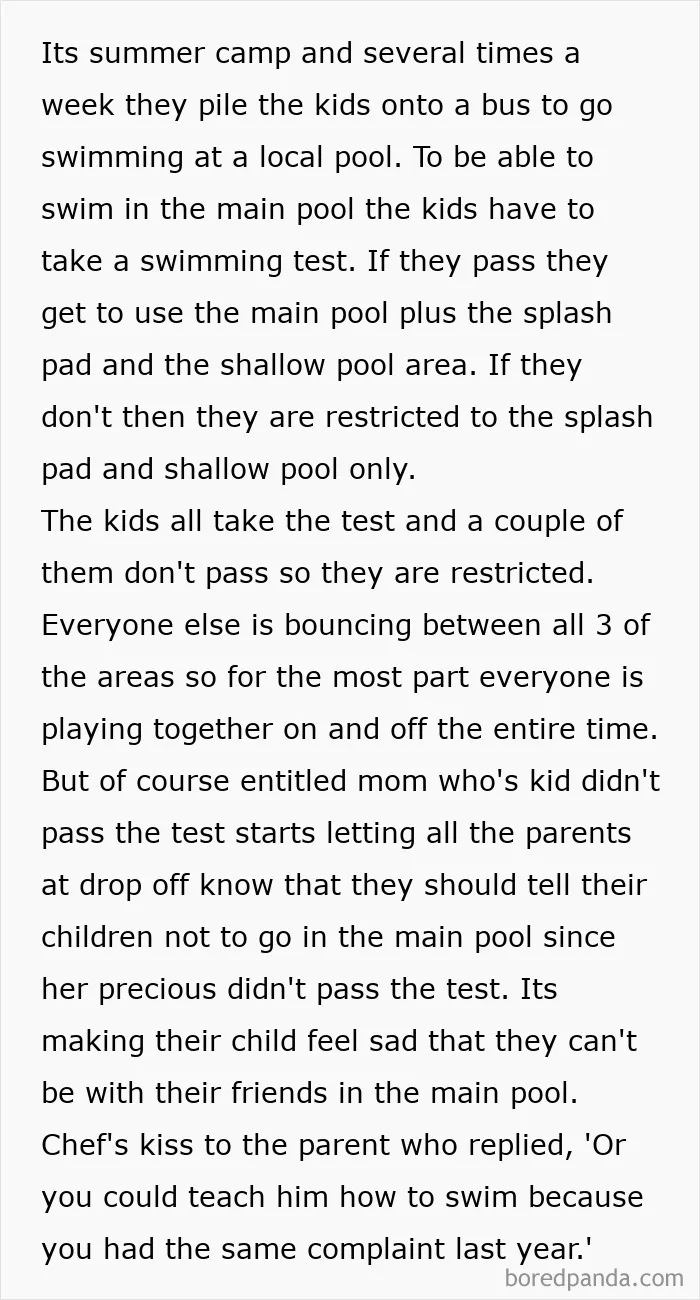
#7 Took Away Towels From Sunbeds At A Resort And Owners Were Furious

I’m usually a very chill guy who avoids confrontation, but this really annoyed me. I took the towels and placed them at the gate of the pool. Within 10 minutes the sunbeds were used by a family that arrived. At 17:00 the owners of the towels arrived, 6 hours later!! A mother and 2 children. They were furious someone took their towels away. The selfishness and entitlement is unbelievable with these people. They were even with 3 people and tried to occupy sunbeds for 6 hours at a busy pool! They had to sit all the way at the back and I felt so good. I know it’s petty of me, but I had great fulfillment that these people didn’t get away with it.
Edit: The owners of the towels were furiously talking to each other at the gate where they found their towels. The family who took their “reserved” beds, weren’t bothered by them. I kept an eye on the situation and would’ve told them I did it if they’d blame the innocent family. Edit2: Wow! Woke up and didn’t expect it to blow up like this! Thank you all for you comments and likes! P.s. at the pool again and it worked like a charm. Not one bed reserved with a towel.
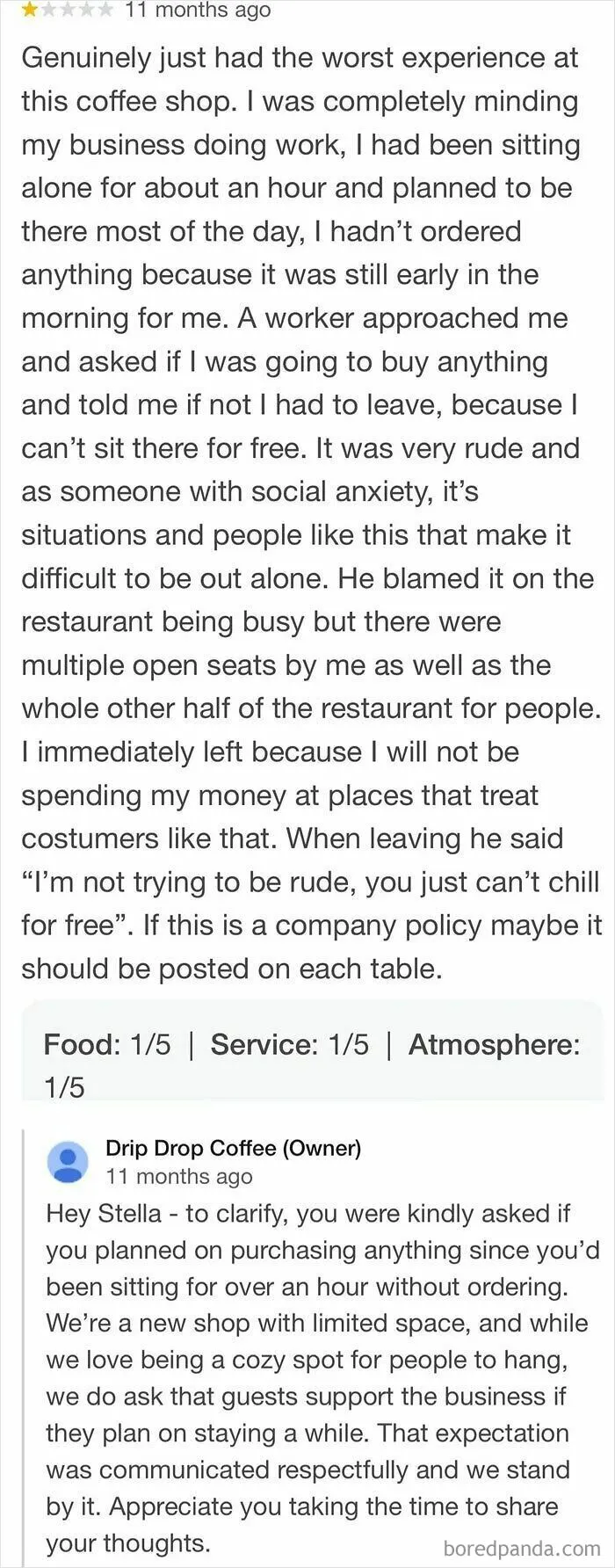
#9 Lady Demanded That We Stay Open After Closing Because She Was Already On Her Way
Our research shows that in 2013, blogger The Game Detective coined the term main character syndrome. They defined it as an affliction that causes a person to “create and play a character as though they’re the lead and every other player character is part of the supporting cast.”
Interestingly, tabletop gamers then started using the term to roast players who hogged all the game time and ruined the fun for everyone else.
Today, social media algorithms reward this exact behavior. When you get obsessed with likes, comments, and views, it becomes easy to forget that real people have real lives — and that the world doesn’t exist to be your movie set.
#10 Rules Apply To You. So Do Fines Up To $25,000. Don't Post Videos Of You Breaking The Law To Social Media

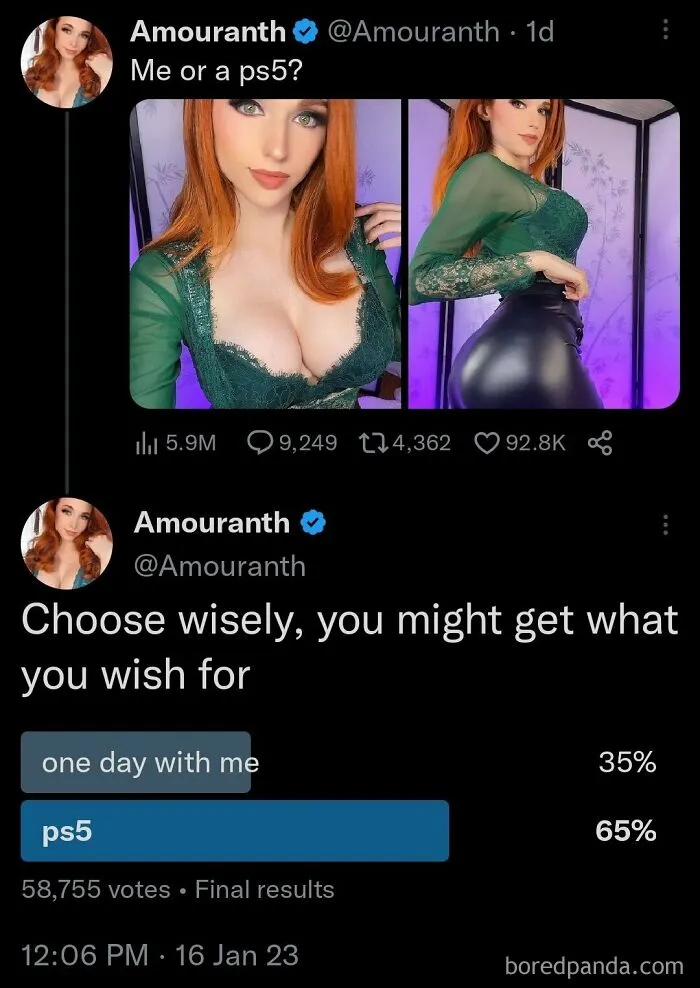
Experts believe that some aspects of main character syndrome are often closely related to behaviors associated with narcissistic personality disorder.0
“The key difference between narcissism and main character syndrome is the level of stability. For someone who has narcissistic personality disorder, you would see evidence of this throughout their life and in different contexts in their relationships at work and at home,” explains Dr. Albers. “For someone who has main character syndrome, this is something that may be the focus or mindset at certain periods of someone’s life and not in others.”
The ultimate irony of main character energy is that while it masquerades as unshakeable self-confidence, taking it too far actually exposes deep-seated insecurity.
Dr. Albers believes this syndrome can stem from anxiety and low self-esteem.

#14 A British Afrocentric Influencer Climbed Temple Walls With His Shoes On


While most people might picture the main character strutting down a busy city street, the reality is a lot more relaxed. A recent survey shows that 45% of Americans actually feel most like the star of their own show when they’re safe inside their own homes.
Unsurprisingly, Gen Z brings this lead-actor mindset straight into the digital world. Over a quarter of young adults (27%) say playing video games ramps up their main character energy—nearly double the rate of the general population (15%). That online-first mentality spills over to social media, too, with 18% of Gen Z reporting a boost in main character vibes on platforms like TikTok and Instagram, compared to just 10% of everyone else.
Group chats provide a unique stage for Gen Z, with 12% feeling like the main character in this social space.
#16 A Few Years Ago, A Young Girl In My Town Attempted To Steal The Pony She Had Been Caring For At A Stable By Taking Him On The Train Toward Her Own City

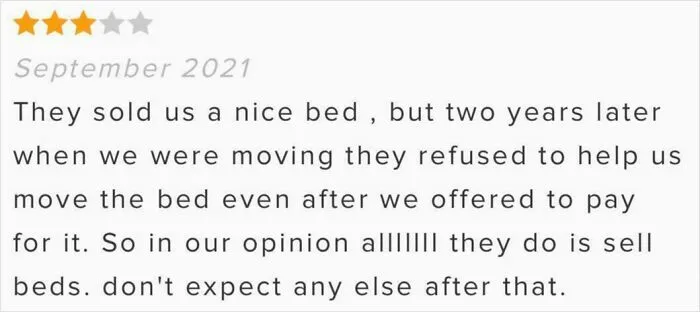
Gen Z’s knack for taking center stage isn't just a digital thing — it spills right over into real life, too. Whenever they want to escape reality, the star treatment follows.
On vacation, 22% of Gen Z feel like the lead role, compared to just 15% of everyone else. The same vibe carries into nightlife, with 13% getting that spotlight feeling at bars and restaurants, versus only 8% of the general public.
Gen Z hands over the crown in only two places. The first is at home, where they feel slightly less like the main character than older generations (43% vs. 45%).
The second is at the office. When it comes to workplace confidence, Gen X actually takes the cake, with 22% feeling like the main character compared to just 18% of Gen Z.
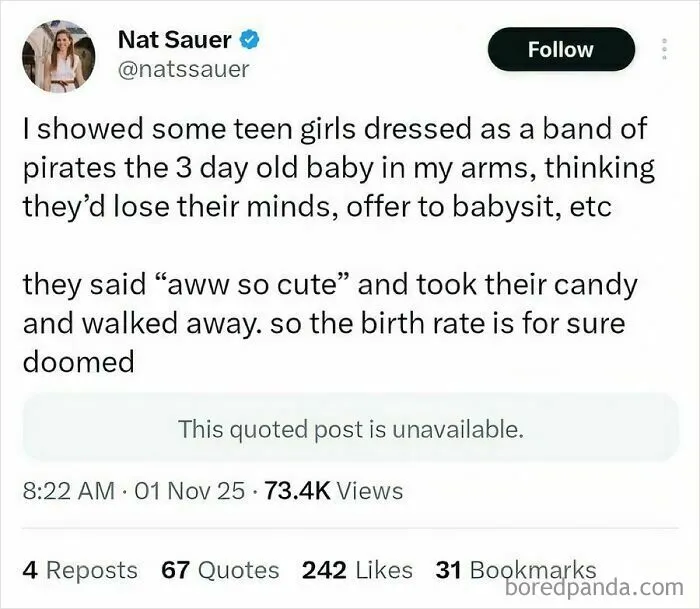
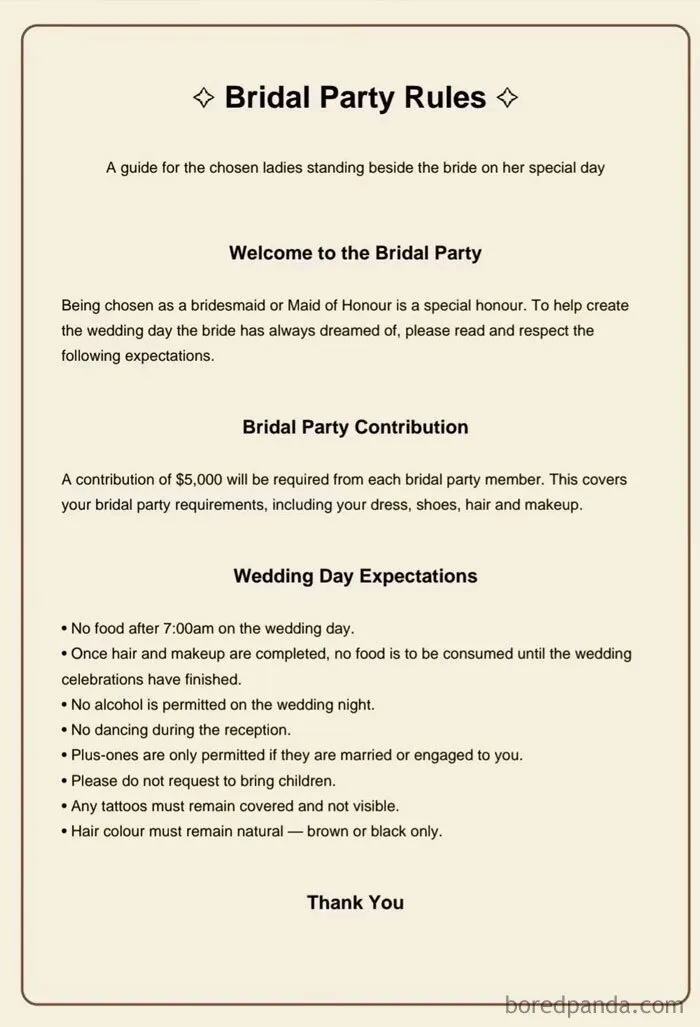
Having main character energy isn’t inherently evil. Boosting your self-esteem and hyping yourself up is great, right up until you stop caring about anyone else.
Experts believe that people who take it too far end up with an inflated ego, zero empathy, and an unhealthy obsession with clout and validation.
They view everyone in their life as background noise, which destroys personal relationships.
It’s almost impossible to build real trust or support in relationships when you’re too busy treating your loved ones like a side character.
The main character narrative is “destructive to views of human beings as fundamentally relational and interdependent, and poses a threat to two important experiences of being human: the first is connection to others; the second is love,” explains Anna Gotlibis, an associate professor of philosophy at Brooklyn College in New York.
She believes this narrative’s influence extends far beyond TikTok and shows up in the business world, academia, and the halls of power.