






#1
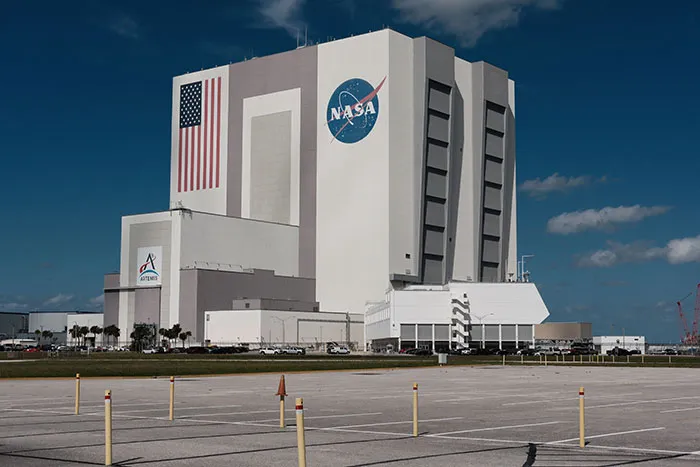
My dog had passed the day before, so I wasn't keen on going home. There was a poster on one of the classroom doors advertising a talk with a local company that does engineering
work with NASA. I decided to listen in even if it wasn't a networking opportunity I was looking to take advantage of.
One of the speakers and I got to talking anyway and they said I'd be a shoe in for one of their early career programs.
I've worked on NASA's Artemis Program for six years now, helping to get humans back to the moon. It's an amazing job that I never dreamed of pursuing.
35,000. That's how many decisions the average adult makes in one day. It seems crazy but according to researchers, it's true. And that's not even counting the choices we make subconsciously. It's no surprise then that some of us can become overwhelmed with the amount of options available to us at any given time.
It's something the experts call "choice overload." It's also known as “overchoice” or “the paradox of choice”, and according to team at The Decision Lab, it refers to "the difficulty of making a choice when presented with many options, especially when all options seem to have equal value."
More options is not always a good thing, they warn. "It can decrease our motivation to decide, decrease satisfaction with the final choice, and increase negative emotions like regret," the experts explain.
#2
If I hadn’t bought her a drink that night I probably would never have seen her again, she graduated just a couple weeks later and moved across the state.
#3
Choice overload can also lead to FOMO. The dreaded fear of missing out... Jorge Cham, an engineer-turned-cartoonist, and Dwayne Godwin, a neuroscientist, explored this in their book Out of Your Mind. They say that FOMO rears its ugly head when we compare ourselves with others. And nowadays, social media makes this so easy to do.
“This is called ‘social comparison,’ where you not only think you made the wrong choice, but you think someone else made a better one,” explain Cham and Godwin.
And they warn that it can happen even if you're content with your own life and choices.
#4
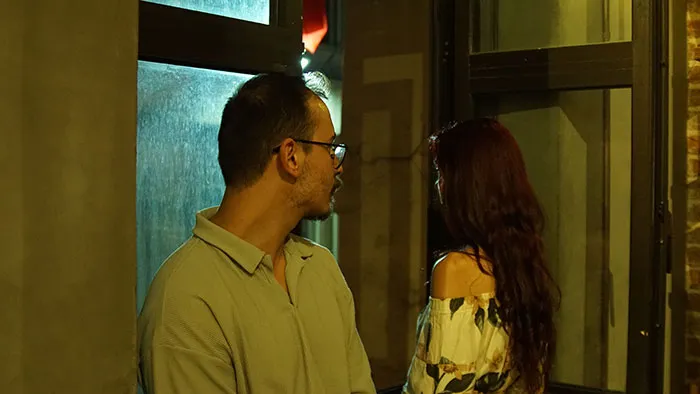
Got chatting to a girl in the dorm they put me in. 10 years later we are still together, have a kid, and live in Spain. My life would have been very different if I had made that decision even 1 second later, because is all likelyhood I would have chosen to stay at another backpackers about 20 meters further down the road.
Freaks me out sometimes thinking about how close I came to never meeting her.
#5
#6
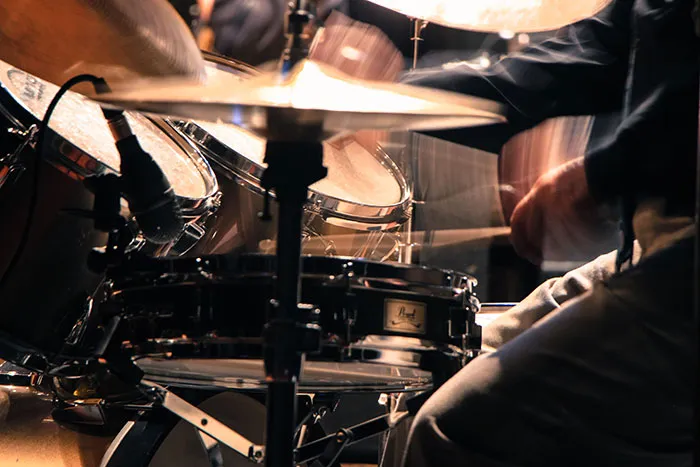
I worked at a small music venue in London, like 600 cap, behind the bar. One day I saw a guy tuning drums on stage, and as a drummer myself I was like “hey… I can do that! He probably gets paid too”.
So I fired out a bunch of emails. Got nothing. Ended up with an internship a music management company.
One Sunday night I get an email, to me and the 2 other interns working there. They asked if one of us would be willing to jump on a train early the next morning to Brighton to sell merch for one of their acts. The other two had already replied no, I thought frick it and said yes.
Turned up and the drummer was the “big deal” of the band and was late. Management had told the tour manager I played drums so he asked if I’d mind helping set up the drums and general Backline. It was a small tour so the FOH engineer was doing everything.
I of course said yes. Cut to the end of the night, ive sold merch, about to go home and the tour manager says “What’s your next two months look like? There’s a space on the tour bus if you want to do the same thing (for cheap)?”.
That was the start of the rest of my life. Being touring mostly stadiums and arenas for over a decade now.
The pair say that while having lots of options can feel exciting, not having any choice can sometimes make us happier. It's something we've heard over and over again from people who lead a minimalist lifestyle. Cham and Godwin suggest embracing simplicity if you want to avoid choice overload.
Live your life like a Buddhist monk, they say. Well, some aspects of it anyway.
“Buddhist monks aspire to live a life of simplicity and minimalism, with fewer possessions compared to the average person,” they wrote. “Reducing choices lets Buddhist monks avoid the stress and anxiety that can come with making complex decisions. This can lead to a sense of clarity and calmness, with fewer feelings of indecision and worry.”
#7
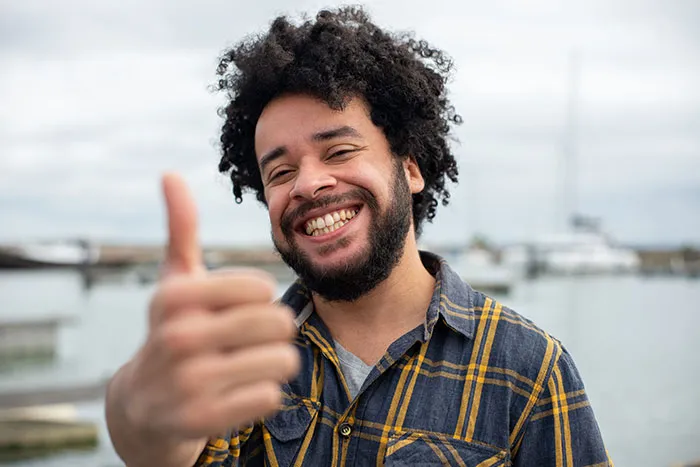
That move got me so far out of my shell.. I started traveling, doing all the things I'd dreamed of, I had a social life again.. it effectively ended a ~7 year long deep depression, taught me that I could stand on my own feet if I had to, etc. so liberating.
Now, as I walk away from a living situation that got too toxic because I know I *can*, I am so glad I did it.
#8
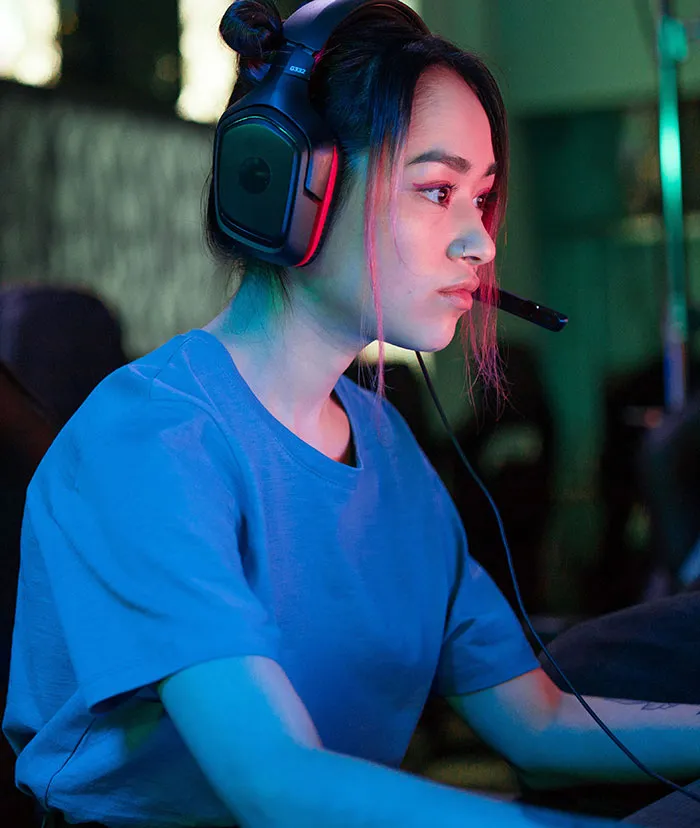
Somehow, I guess she mentioned that I'd also been interested in ttrpgs for a while, but I had no friends interested in playing any with me. The GM also extremely kindly extended an invitation to me, and even though I didn't know anyone in the group besides my sister, I accepted! My sister spent a bit describing her friends to me before our first call altogether. She mentioned the GM and I have similar senses of humor, and she speculated that we would get along really well!
Years and years later I plan to include that speculation in our vows, because good god, *what a called shot.* Although we can't get married on a Sunday, that's our game night...
#9
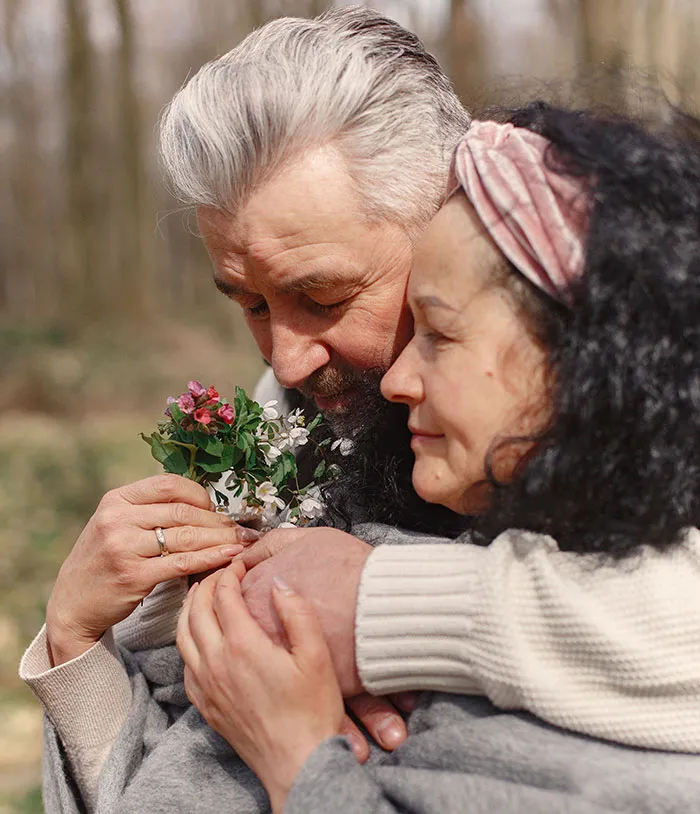
Our eldest is moving out soon.
It's a sentiment echoed by Robin Sharma, author of The Monk Who Sold His Ferrari. Sharma is a firm believer in minimalism. And according to him, saying "no" more often, is all part of the lifestyle.
"Too many good people suffer from the affliction of trying to please people. This causes them to say yes to nearly every request that comes their way," se says, adding that mastery is very much about minimalism. And that means building a life based on a "monomaniacal" focus around only a few things.
"And because all you do are a few things every day (that are the very same things each day), you’re certain to get very very very great at these things," adds the guru. "So, politely say no to lost opportunities so you can get your finest work done."
#10

#11

#12

We currently have a healthy kid and if I didn’t do the screening, we would have no idea. The kid probably would let even be diagnosed bc the variants we have don’t show up on a usual screen at birth. Best case scenario, the kid would just be sickly and we’d have no idea why. Worst case, he’d be in and out of hospitals already and needing an organ transplant.
Say yes to the optional screening!
Mark Manson, best known for his bestselling book The Subtle Art of Not Giving a F*ck, believes there is no such thing as a “perfect” decision.
"Every choice we make comes with its own set of pros and cons, and every outcome is shaped by a complex web of variables—variables we’re woefully unaware of most of the time anyway," writes Manson, adding that every decision has what he calls an "opportunity cost."
This means that when you “yes” to one path of action, you're essentially saying “no” to another. Therefore, he says, it’s impossible to ever be certain that we’ve made the “right” decision.
#13
Messaged her on a whim to just ask if they were OK and see if they needed anything.
We got married and celebrated our first anniversary a few weeks ago!
#14

#15
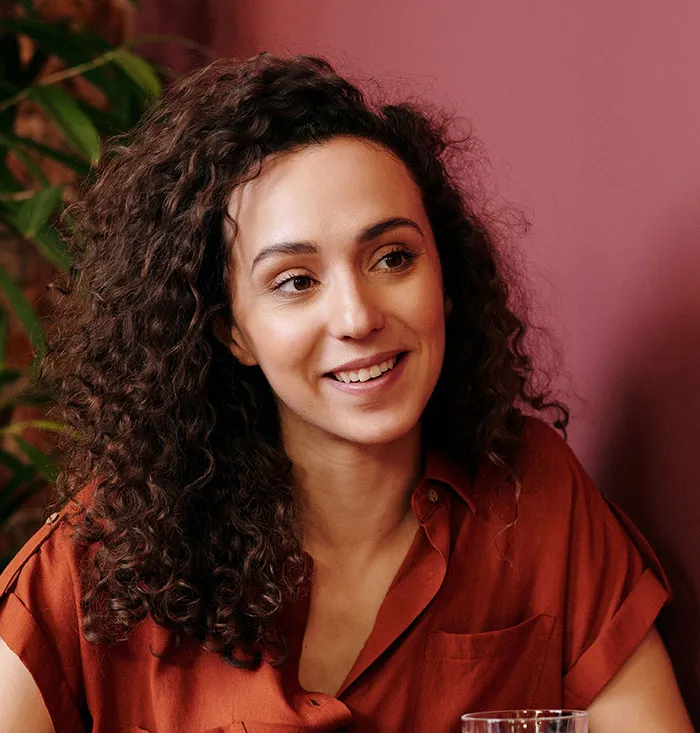
*"You should research a guy named Warren Buffett. My parents invested with him a while ago and are really happy with the results, so far."*.
Manson advises that you learn to embrace uncertainty. He also suggests that when making a decision, you do a cost-benefit analysis first.
"But don’t just do the old-fashioned 'pros' and 'cons' list," he says. "Add a couple more columns. Separate your 'pros' into both long-term and short-term. Add a column for regrets associated with each decision. And note if there is any long-shot potential for success."
#16
#17
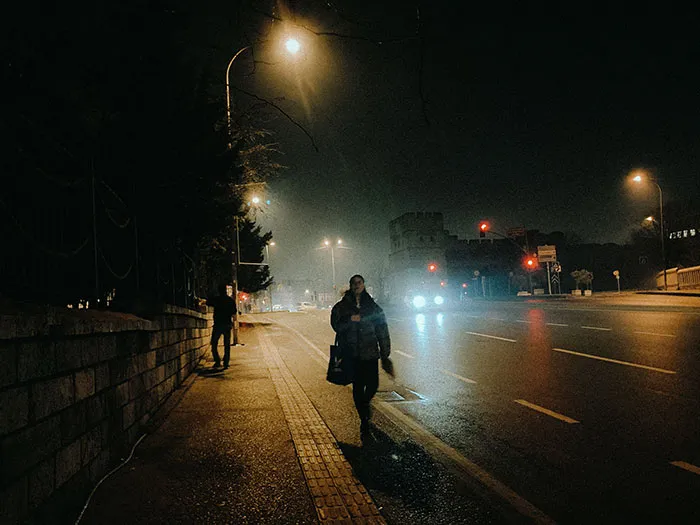
While walking down the street, I glanced back and noticed a guy guy walking behind me, a few house lengths behind. I didn't think anything of it and continued on my way. After walking a bit further, I turned to check behind me and he was still walking, but then I noticed at a quicker pace than me, like a determined pace and was much closer than before.
Like I said, I was used to being in a shady neighborhood, but something told me something was up with this guy. I wasn't scared, panicked, or anxious, but my brain told me, "what's the worse that can happen if I just dip anyway?"
So, the next alleyway I walked up to, I decided to turn the corner, wait to be out of the guy's line of sight and just sprint as fast as I could down the alley and tried to time it to where I could stop and hide behind a parked car without him noticing me running or hiding.
I sat behind the car, calmly. I wasn't in a rush to get home and still didn't have any fear. After about 30-45 seconds of chilling and waiting to see if anything would happen, the guy ran past me, down the alley. His head was on a swivel like he was almost definitely looking for me. He also had something in his hand; It kind of resembled a knife.
He never stopped going down the alley, so I waited again until I knew I'd be out of sight, and just walked back up the alley, back to the same street I was already on, and finished walking home.
Even walking home, even typing this 20 years later, for one reason or another, I just never feared for my life like I probably should have that night. Anyway, that split second decision proved to be the correct decision to keep my life, or at the very least, my allowance money.
#18
That one comment lit a fire under me like nothing ever had. Within 2 months, I got into grad school, quit my job, and started a whole new (more successful) career path. That inspired my girlfriend to quit HER job and go back to school to pursue the career she wanted, which she ultimately did.
Our one short late night conversation led us to have a to a totally different life than we would have had.
Just like the Butterfly Effect, Manson points out that every one of the actions you take results in a new set of decisions for you to make.
"Life has a momentum to it. Chance interacts with chance. Luck interacts with luck," he writes. "As you throw yourself at the cosmic dice roll and take action on your decisions, you’ll start to bump into chance. You start to create your own luck."
And with that luck, adds Manson, you open up a whole new world of decisions you didn’t even know existed up to that point.
#19
#20
At the time I had almost no money and was even though I had a great job, I was burning through what I did way too fast.
I decided I would go and figure out my finances when I got back. The night of the party the first person I saw was his wife’s cousin. We didn’t leave each other’s side for the rest of the night.
We have been married for 19 years this August and have two amazing kids.
I’ve made some good decisions in my life, that one takes the cake.
