





Just because a good or service comes with a hefty price tag, it doesn’t automatically mean that it’s worth that much cash. And it only makes sense that, no matter the size of your wealth, you behave economically with your resources instead of splurging left and right. Right? Well, not necessarily.
#21

Private jet pilot here. Catering services. There’s companies that, for a lack of a better word, cater specifically to the corporate jet world to provide food for the aircraft that is delivered to the fixed base operators for the departure. This is stuff like Asian salads for like 150$ or a club sandwich for 80$. (these are rough estimates based on what our dispatch has told me I’ve never personally ordered them) Many of our part 91 (owner flights) the aircraft owners are watching their expenses closely and as such don’t order these because it’s a ridiculous waste of money to get Panera quality food for 150$ when they could just ask us pilots to pickup Panera for them on the way to the aircraft. The people who don’t realize this or care and will often run up over 1000$ for a handful of salads and sandwiches are those who charter the aircraft and get shafted by these companies or their broker.
Report
9points
#22
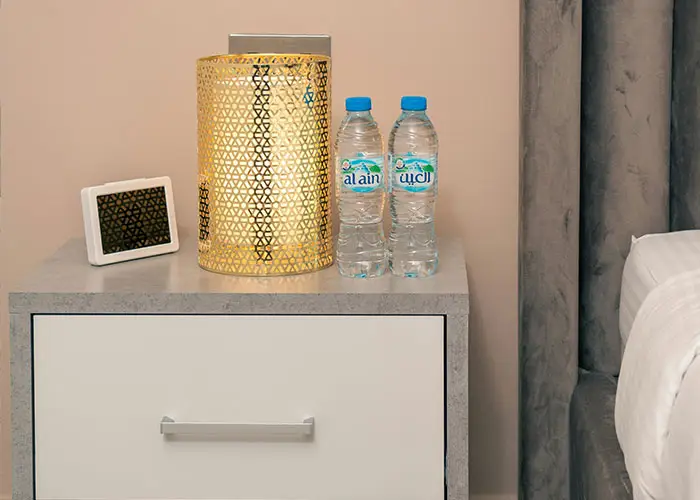
The mini bar. They’ll drink and eat everything in there without a second thought. $27 bottle of water? Well they’re rich and thirsty.
Report
9points
#23
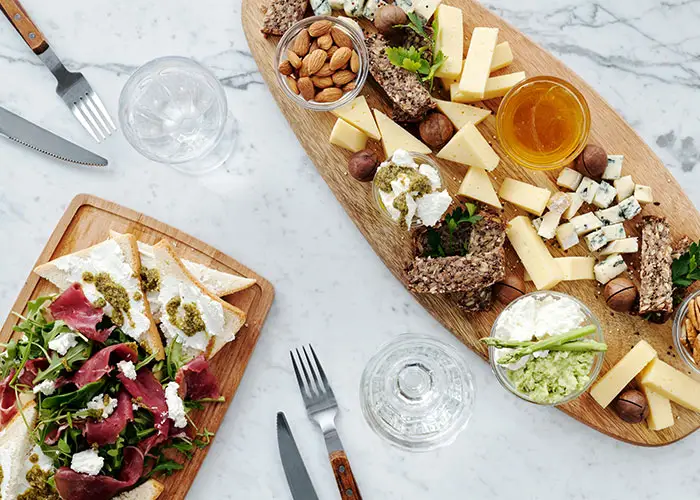
Work in fine dining as a cook. Sure the $80 steaks are a thing and so is a $20 creme brulee. But probably the thing that's the biggest ripoff that sells like gangbusters is the up to $180 charcuterie board. Yes it looks pretty and has very expensive meat and cheese on it but it's mostly filled out with nuts pickled veg and crustini and a few dips. In all on that board there's maybe $15 or $20 worth of product and it takes me 5 to 7 minutes to assemble each (after the meats are sliced but that's all done in prep in the afternoon.) The margins on that are better than even most alcohol save perhaps nice wine. People love their chart ( pronunciation shart) and just pay out the nose for it. Fours sharts coming right up. .
9points
#24
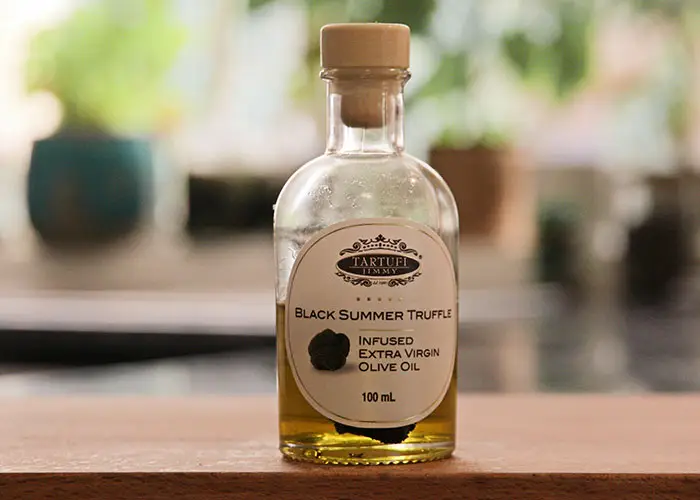
Truffle oil.
I've worked at some crazy high end places, and they'll often use the same stuff from Spectrum.. whis is not truffle oil as much as it is a gasoline byproduct 🤢
I've worked at some crazy high end places, and they'll often use the same stuff from Spectrum.. whis is not truffle oil as much as it is a gasoline byproduct 🤢
9points
#25
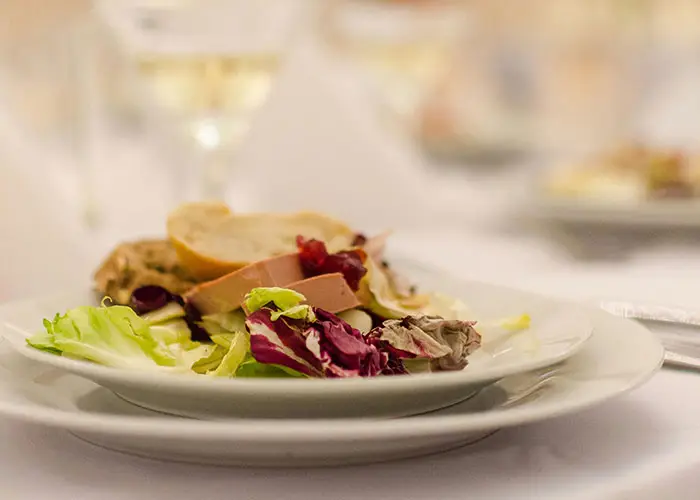
Catering that they don’t even eat. My wife works at an FBO at PBI. It’s where the Uber rich land their private jets. They order all this really good food that goes untouched. All in individual containers wrapped up. I’m talking thick cuts of prime rib, vegetables, mash potatoes all in one container. Lucky for me, the food that wasn’t opened gets split up with my wife and her coworkers. You wouldn’t believe some of the stuff these rich people leave behind. Several months ago my wife came home with one of those big Yeti cooler bags, the thing is over $400, and it was left.
Report
9points
#26

I worked construction for a couple years in my 20's. I was the only white or college educated guy on the crew. It was a regular occurrence while working on wealthy people's properties that they would request that I personally return for side projects, even though everyone else on the crew was much more skilled and harder working than me.
Report
9points
#27
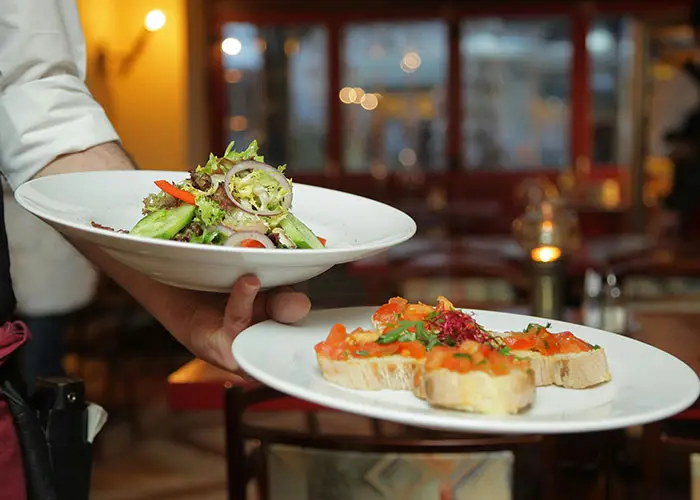
The high-end restaurants in 5-star resorts and hotels use a lot of pre-packaged frozen foods. They dress it up with sauce and fancy presentation, but just know that your Chicken Cordon Bleu came from a box. Same with your fancy dessert UNLESS the 5-star has a designated pastry chef. Many don't. It's all in the name of lowering Food Cost.
(disclosure: I've worked as an accountant in resort hospitality for over 20 yrs. We know what gets purchased and carried in inventory.).
(disclosure: I've worked as an accountant in resort hospitality for over 20 yrs. We know what gets purchased and carried in inventory.).
Report
9points
#28
I have worked in high end retail for a decade at several well known luxury companies. Most of the time, I will be honest with clients, but sometimes we make truly ugly items that rich people fawn over. If they're in love with it, even though I think it's ugly, I will talk it up. Afterwards, we'll talk among ourselves and say rich people will buy anything.
Also employees in these luxury brands 99% of the time, never pay full price. We trade discounts with each other.
A personal opinion of mine is that Louis Vuitton is over hyped and not worth the money. You can get something more unique at another brand. They also pay their employees the lowest of any high end brand. I struggle to even call them a luxury brand with how completely oversaturated their market is, and also the fact that their most popular canvas bags are actually just plastic (looking at you, Never Full tote).
Report
9points
#29

Clothing.
The average rich person is not buying Bespoke clothes. They are paying $300 for a hoodie that costs $7 to produce. Often in the same factory that produces clothing for mass market retailers.
I know someone who owns (family) a small factory who has had a Canada Goose contract for well over a decade.
Even an extremely complex and complicated jacket like those from Canada Goose, which are some of the most complicated garments produced on a large scale. Costs around $95 each, even accounting for Canadian wages.
Report
8points
#30
Bottle service at a nightclub. Imagine paying a 1000% markup on a bottle of Grey Goose that typically costs $50.
Report
8points
#31
I worked in a five star hotel and the biggest rip off was bottled water service. We would charge absurd amounts for a brand you could get at any store. Guests acted like it tasted different because it came with a cold towel and a smile lol.
Report
7points
#32
Used to work in the kitchens at a 5 star resort. Their famous pancakes they served at Sunday brunch was a mix you can buy at Walmart.
Report
7points
#33

Travelling during peak season. That $1800 room sells for $400 in the fall.
I want to say room service, but it's a pure lazy tax. You pay that same lazy tax when you use Uber Eats.
IME, you get what you pay for. Certain properties in certain markets might have a specific thing that gets you, but generally you can get what you're paying for.
I want to say room service, but it's a pure lazy tax. You pay that same lazy tax when you use Uber Eats.
IME, you get what you pay for. Certain properties in certain markets might have a specific thing that gets you, but generally you can get what you're paying for.
Report
6points
#34
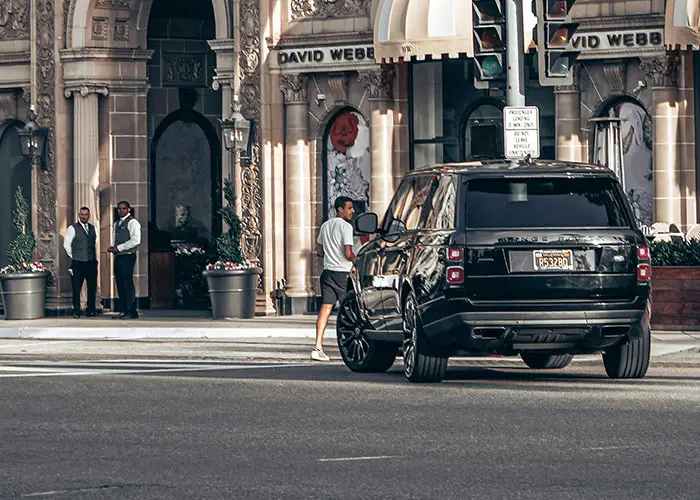
The “exclusive” hotel car service is wild… it’s literally a regular suv with a logo and they upcharge like it’s a chauffeured spaceship.
6points
#35
I don’t work in hospitality and this isn’t something just rich people do but even middle and low income folks as well. Curbside and delivery groceries are priced higher on the app than in store even if the pick up or delivery is cheap or free.
Source: I live behind a grocery store so I started forcing myself to go to the actual store once I saw how much more expensive it was for something that’s a 15 min walk/3 min drive.
Source: I live behind a grocery store so I started forcing myself to go to the actual store once I saw how much more expensive it was for something that’s a 15 min walk/3 min drive.
Report
6points
#36

Clothing industry here.
People will blindly play a premium for items made in certain countries because they believe anything made in _______ is so much better than anywhere else
Truth is country of manufacture means very little compared to what factory/workshop it’s made in
Portugal, Turkey, Bosnia, Romania and Moldova are generally considered countries with high quality control standards, good wages and actually having talented craftsmen
Truth is that Portugal and Turkey are significantly cheaper to manufacture a tee shirt/hoodie than Italy, Spain, France or UK because they produce so many plus they have lower taxes for corporations.
As for Bosnia, Romania and Moldova (in a lot of cases Turkey too) this is where the “sweatshops” of Europe operate. Their labour is significantly cheaper than other European countries and theres less things they are legally required to provide to workers so they can get away paying someone half or less than they’d get in Italy or UK. Because of this you also see way less skilled workers and it’s more like an assembly line that you’d find in an Asian or Latin American country.
Also it’s not as expensive as people think to even produce in the good countries. Zara, Topman and many other mall brands have lines made in Turkey, Portugal or Peru (all countries known for really good cotton). Truth is the cost to make a tee there ranges from $3.50-20 generally depending how many you make and choice of material + print process. It’s nothing crazy and the rest is markup. Whether you want to pay the premium for the look or brand is up to you but for example Pangaia and Givenchy tee/hoodies are produced in the same Portuguese workshop. Pangaia averages around $50usd a tee while Givenchy is $700usd. While Givenchy does use nicer fabric and a more luxurious finishing overall you’re really looking at a tee that costs $8 to make vs one that costs probably $14. The Givenchy markup is all because it’s luxury/exclusive and they market as that
Tied into this, some countries that get a bad wrap (China, India and Mexico mainly) aren’t always bad. China for example is really good at technical clothing like windbreakers and sportswear + plastic and acetate eyewear. Mexico makes really good leather shoes and boots. India is great at intricate woven fabrics. A lot of companies will produce in these countries because they have the set up to do these things on a large scale and would be significantly cheaper + faster to produce than to do the same thing in a more “reputable” place like the USA, would be equal or better quality too
Judge every product/brand on a case by case basis and don’t generalize anything just because of the country it’s made in.
Report
5points
#37
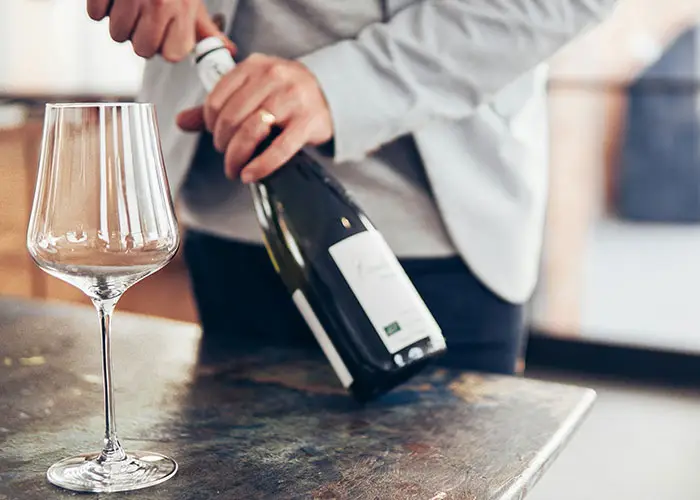
I used to work in a 5* hotel and the mark up on the champagne was huge. Our cheapest bottle we would buy for $3AUD and would sell for about $50, it was bad 😂 all of the food was heavily marked up too. Everything was marked up. I come from a working class background so working here on my gap year was eye opening.
Report
5points
#38
You expect the alcohol rip off but the water rip off was the craziest. We had a sparking and a mineral water, bottled in glass, in two sizes each. The larger size was like $15 and the smaller was like $8. One of our upcharge tricks was to list them out, but half the time we didn’t even need to since they’d ask for it. Mind you tap water was an option the whole time.
Report
5points
#39
One of the biggest rip-offs in the luxury world is anything that involves “exclusive convenience” packaged as sophistication. Rich people don’t just pay for the product, they pay to feel separated from everyone else. That’s where the absurd margins hide.
A few examples that insiders quietly laugh about:
Hotel laundry services.
This is probably the king of rip-offs. You can charge fifty bucks to wash one T-shirt because wealthy travelers don’t want to bother figuring out where the local laundromat is. The hotel labels it as “express cleaning,” but it’s literally the same washer and dryer the staff uses for bulk linens.
Fine-dining supplements.
Truffle shavings and wagyu “upgrades” are a goldmine. The cost to the restaurant is tiny compared to the add-on price. Half the time the truffle doesn’t even taste that strong — it’s there because the guest wants to signal that they can afford it.
Caviar service.
People pay insane amounts for a tin that cost the restaurant a fraction of what they charge. The theatrics (silver spoons, presentation, a staff member standing there like it’s a sacred ritual) do all the heavy lifting.
Private transfers from luxury hotels.
A hotel will charge hundreds for a car ride that a regular taxi or Uber could do for twenty. The only difference is someone opens the door for you and offers sparkling water.
High-end fashion “basic” items.
A plain white T-shirt stamped with a luxury logo is the most blatant one. The material isn’t special, the craftsmanship is often mediocre, but the markup is astronomical because the logo itself is the product.
Spa products.
Hotel spas sell creams and oils at margins that would make a d**g dealer jealous. The same formula, minus branding, is often available online for a tenth of the price.
What all of these have in common is this: wealthy clients aren’t paying for practicality or value. They’re paying to not think, to feel important, and to show they can afford not to care about the price. And luxury businesses know that very, very well.
Report
5points
#40
Turn-down service in ultra‑luxury hotels is one of the biggest ones. It’s basically someone folding the corner of your blanket, dimming a light, and leaving a chocolate, yet it gets bundled into rooms that cost hundreds more per night. People love it I guess because it feels exclusive, not because it actually does anything.
Report
5points