






What Are the Five Love Languages?
- Words of Affirmation
- Acts of Service
- Receiving Gifts
- Quality Time
- Physical Touch
#1 Words Of Affirmation

If you feel particularly happy or treasured when you hear phrases like, "I'm proud of you", "I appreciate what you've done", or "I love you", then this may be your love language. And it isn't just verbal.
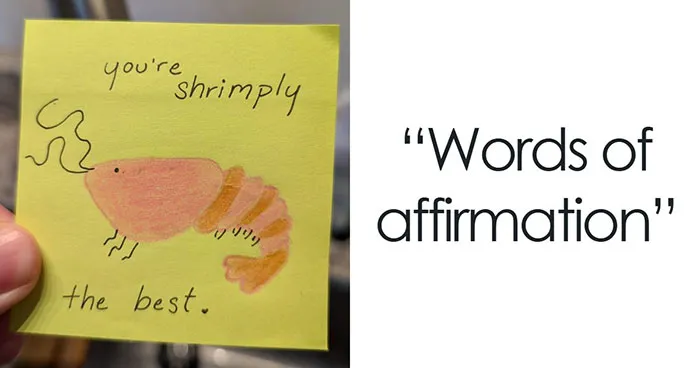
Small gestures like good morning messages or handwritten notes can mean as much as supportive comments before a big presentation or public acknowledgment of your accomplishments.
But the words of affirmation love language isn't just constant flattery or praise. It's about genuine, meaningful communication that proves you truly know your partner.
People with this love language often remember kind words for years, treasure physical notes and letters, and are negatively affected by criticism and dismissive comments.
#2 Acts Of Service
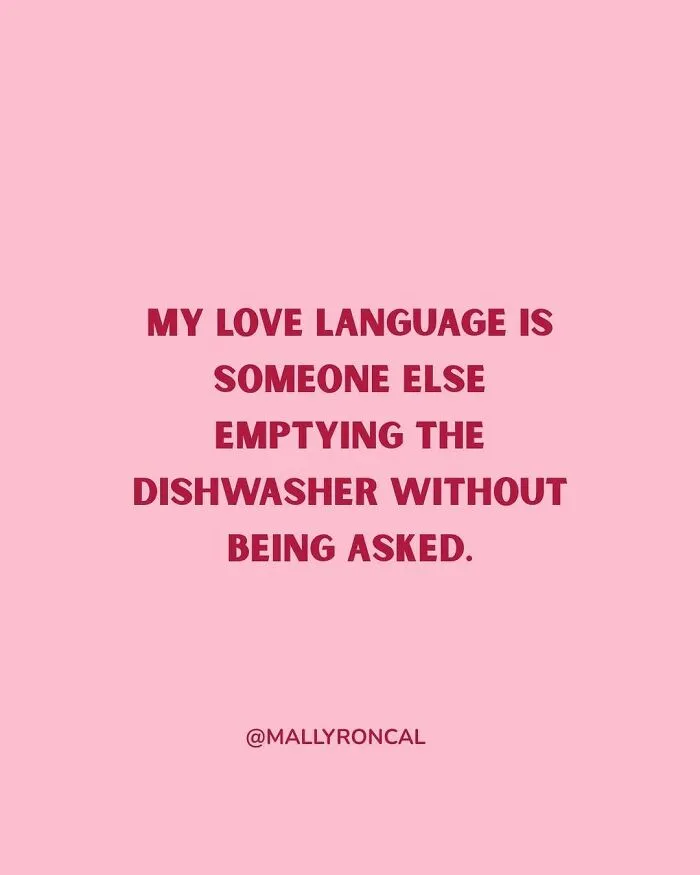
Helpful, thoughtful actions that make life easier are simple but effective ways to show care and understanding.
Acts of service might be your love language if you instantly feel lighter when your partner steps in without being asked.
Whether that's doing the dishes after dinner, picking up groceries on the way home, booking an appointment, filling the car up with gas, or taking care of that annoying task that's always on your to-do list, one small act of service can carry more weight than an entire evening of compliments.
These gestures communicate a powerful message: "I care about you enough to invest all my time and energy."
That's why empty promises or poor effort can feel particularly disappointing to people who prioritize acts of service. They don't need to be particularly grand, just meaningful to the person receiving them.
#3 Receiving Gifts

A meaningful gift serves as a tangible reminder that someone was thinking about you. It could be a souvenir from a trip, a favorite snack picked up on the way home, or an object you mentioned in a conversation months ago that they've remembered all that time.
Gifts are heartfelt symbols acting as physical proof of thought, care, and attention.
If you cherish sentimental items and appreciate when somebody shows evidence that you were on their mind or that they've remembered exactly what you like, your love language may be receiving gifts.
You'll be able to tell how much you mean to them by the effort they put into selecting an item and how much they notice about your preferences and character.
#4 Quality Time

Sitting in the same room while scrolling on their phones or doing separate activities won't cut it; they need to feel seen, heard, and fully noticed by their partner.
Quality time is all about undivided attention. People who primarily identify with this love language feel most connected when conversations aren't interrupted, distractions are set aside, and shared experiences are prioritized in the moment.
Even the simplest activities can feel incredibly meaningful when they're done together, and simply making time for each other, without an agenda, is often the clearest way to show it.
Some of the best quality time examples are very ordinary: taking a walk together without checking your notifications, cooking dinner side by side, having coffee while sharing stories about your days, or spending uninterrupted time talking at home.
If this is your love language, you probably understand what it feels like to be lonely in a room with your partner when you aren't fully focused on each other.
#5 Physical Touch

In reality, it's much broader but also simpler than that. Physical touch includes holding hands, hugging, curling up together on the couch, sitting closely, an arm around the shoulders, or even a quick cuddle while passing by.
For people with this love language, physical contact creates an emotional connection. Touch communicates affection, making them feel safe, comforted, and reassured in a wordless, uncomplicated way.
This doesn't mean they're constantly seeking physical affection; rather, touch reminds them they're loved.
If physical touch is something you value, it might just be your love language. When it's absent, you may feel distant from your partner even when everything else in the relationship is the same.
Small moments matter most: a goodbye kiss before work, reaching for your hand on a walk, or a spontaneous hug.
#6 Put It Into Practice
What Happens When Love Languages Don't Match?
Many people wrongly assume that both partners in a relationship need to share the same love language to truly connect.
This is not the case. In fact, lots of successful couples have completely different preferences, and mismatched love languages are common even in otherwise healthy romantic relationships.
The main challenge isn't the mismatch itself, but recognizing it and ensuring both partners' needs are met regardless.
Not understanding that is where conflicts are likely to arise. Imagine one partner expresses love through thoughtful gifts, so they surprise their significant other with meaningful souvenirs and keepsakes throughout the year.
Meanwhile, their partner prefers quality time, so they'd rather spend an uninterrupted evening together doing a shared activity.
Both people are trying to show love in their own way, with good intentions and thought behind their actions. Yet both may end up feeling unappreciated, or like their partner doesn't understand what they like.
The gift-giver feels their thoughtful tokens aren't well received, while the quality time enthusiast feels they aren't getting enough one-on-one time as a couple.
This dynamic is a common cause of frustration in relationships where more than one love language is present, but conflict doesn't have to be the end of the conversation.
Things sometimes get lost in translation, but it's a communication gap that can be fixed with effort and understanding. Knowing what your partner truly wants and appreciates, and figuring out how two love languages can be compatible, will fill that gap.
To return to the previous example, both parties can cater specifically to their partner's love language once they understand it, but they can also combine their love styles.
They could choose to spend a weekend away together, where the partner whose love language is gifts can find and receive special souvenirs to mark the occasion, while the partner who prioritizes quality time can plan and enjoy shared activities.
The key is understanding what works for each individual and the romantic unit, rather than assuming everyone experiences love the same way.
This is also exactly the kind of gap a marriage and family counselor is trained to help couples close, when the mismatch runs deeper than the two of you can untangle on your own.
How to Find Out Your Love Language
If you're still not sure what your love language is, you could consider taking a love languages test.
There's an official online quiz available at 5lovelanguages.com that helps identify which of the five categories resonates most strongly with you. You may even have a secondary love language, too.

There's also a simple shortcut if you don't want to rely on a computer to determine the answer.
Think about the things you most often complain about in relationships. Do you wish your partner would compliment you more? Spend more focused time with you? Help out around the house? Show more physical affection?
The things you feel like you're missing often point to a primary love language that isn't being satisfied, and noticing exactly when you feel most loved is usually a faster clue than any quiz.
You should also consider the ways you most often show your love. Perhaps you're following your own emotional love language because you haven't yet learned your partner's. Whatever type of love feels right to you might be what you're craving to experience yourself.
Couples counselors often use this same exercise- active listening to how each partner already talks about love- as a starting point before introducing the five categories at all.
The Bottom Line On Love Languages
The 5 love languages aren't a magic solution for every relationship challenge, but they can provide something very valuable: a shared vocabulary for understanding each other better.
When you know what makes you feel loved, and what makes your partner feel loved, it's easier to avoid misunderstandings and share affection in ways that truly resonate.
Whether your love language is words, time, gifts, touch, or acts of service, knowing what each one can bring to a relationship is often the first step toward both partners feeling more loved and appreciated.
If you found this guide helpful, share it with your partner and compare your results. You might learn something surprising about each other, or finally find the answer to ongoing relationship mismatches that you couldn't explain before.