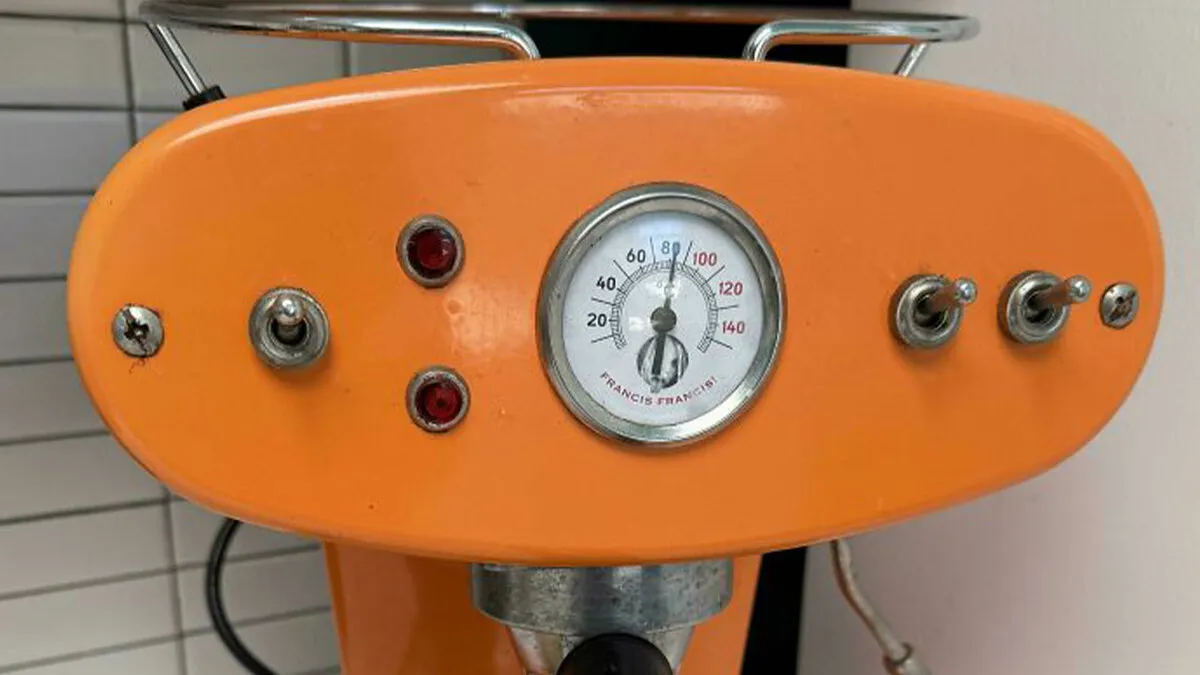



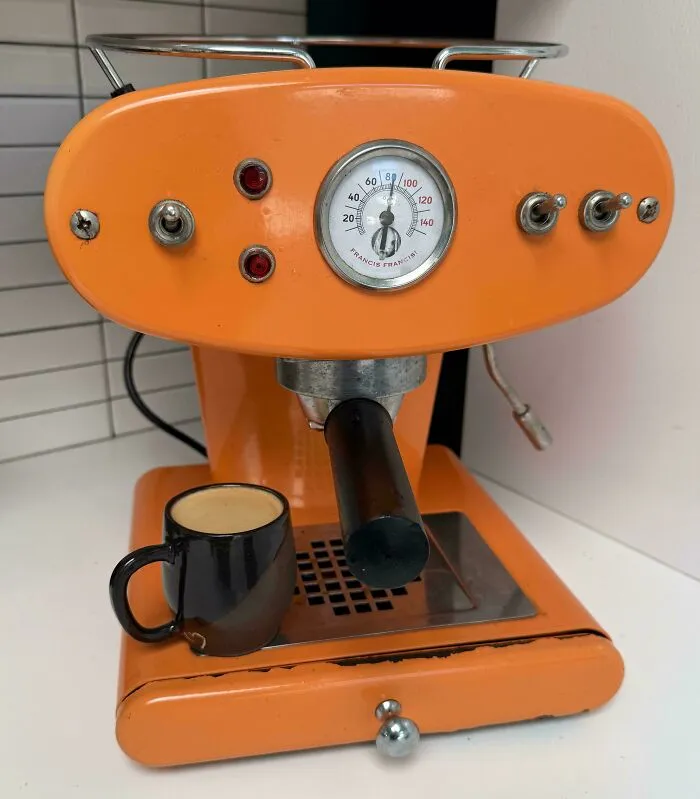
#1 I Bought This Espresso Machine Used For $25, 20 Years Ago. Still Works Great!
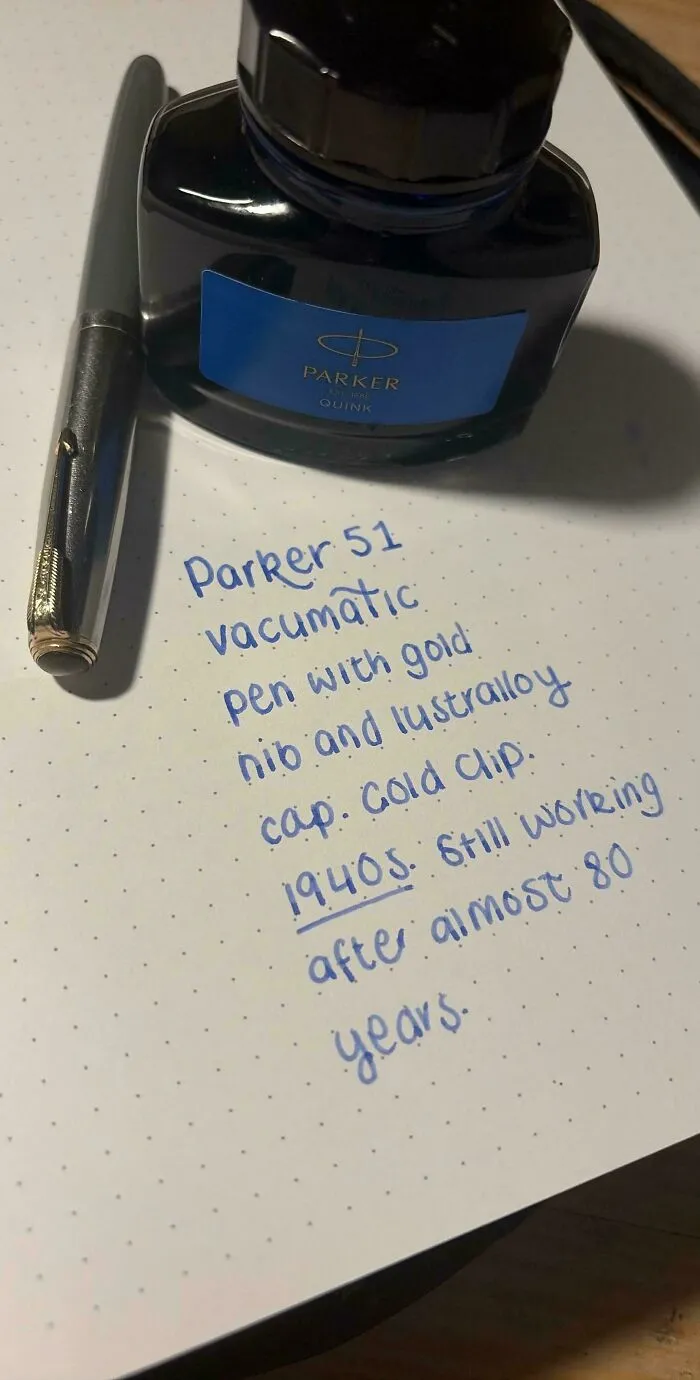
#2 I Found My Late Grandad’s Pen. His First Journal Is Dated 1948, A Year After This Pen Was Released. It Still Had Ink In It. It’s Working Just Fine. No Restoration. Almost 80 Years Of Use
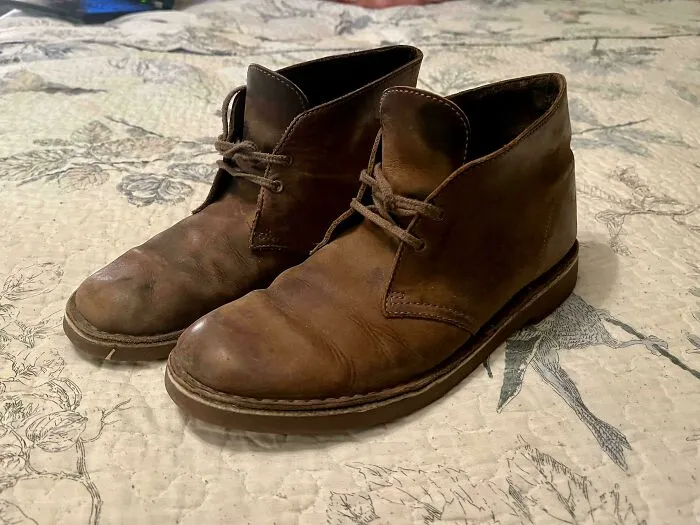
#3 Bought These Clarks Desert Boots Almost 20 Years Ago And They Just Get Better Looking With Age And No Signs Of Giving Up Any Time Soon
It seems like some products are purposely made to be replaced while others are built to last a lifetime. And while certain people have no problem wasting money, others know better. It's can be tempting to purchase something cheap, thinking that you're saving a few bucks.
But often, you might be sacrificing quality, and paying a lot more in the long-run. Not only is it a major expense to constantly have to replace products, it's also really bad for the environment.
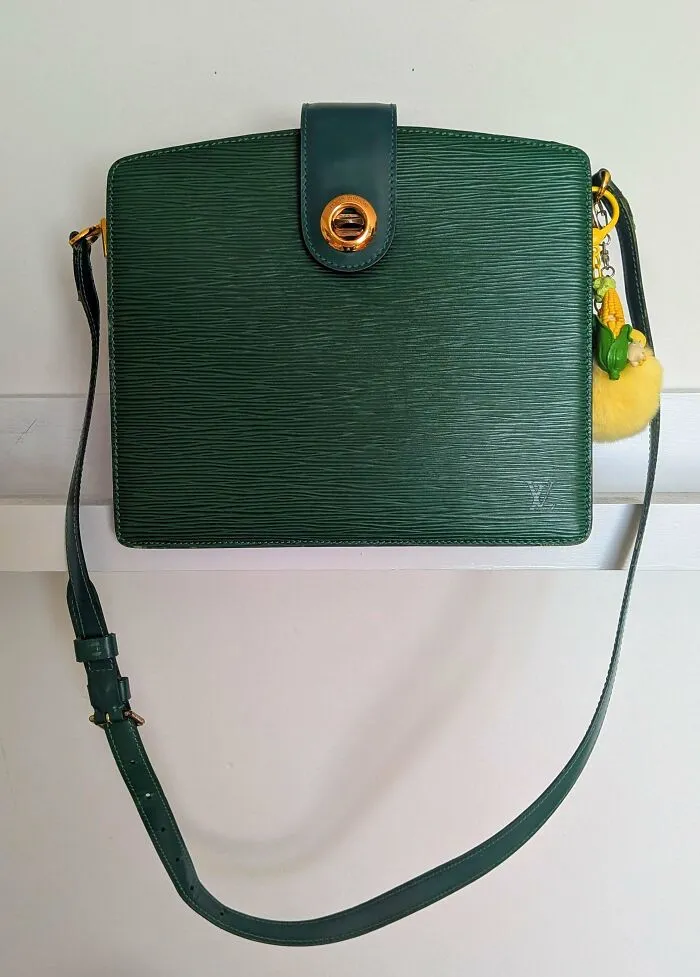
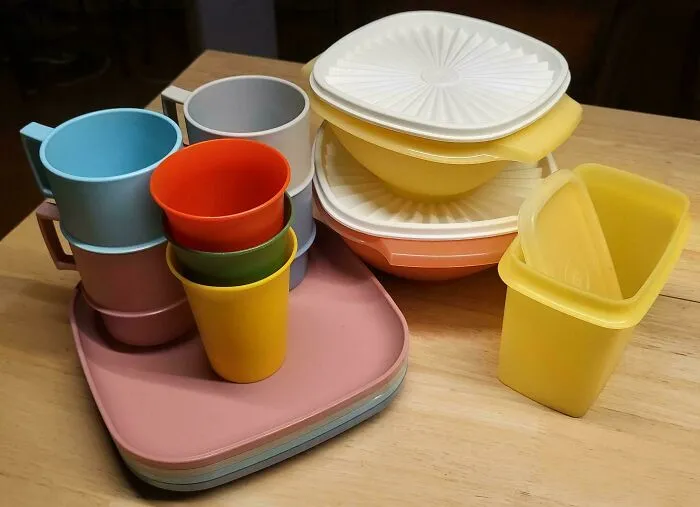
#4 Probably A Controversial Bifl Because It's Luxury And Not Practical, But Buying Used Designer Bags And Refurbishing Them Is My Hobby. This Bag Is 30 Years Old Next Month!
You might think that the more expensive a product, the better the quality. But that's not always the case. Take clothing, for example. One study, conducted by the University of Leeds, found that many items on the lower end of the price scale far out-performed the higher-end options. They came to this conclusion by testing the durability of hoodies, jeans and t-shirts in different price ranges.
"The quality of clothing has decreased with the dawn of fast fashion," reports Remake.com. "To keep costs low, brands and manufacturers have been opting for cheaper fabrics and scrimping on finishings."
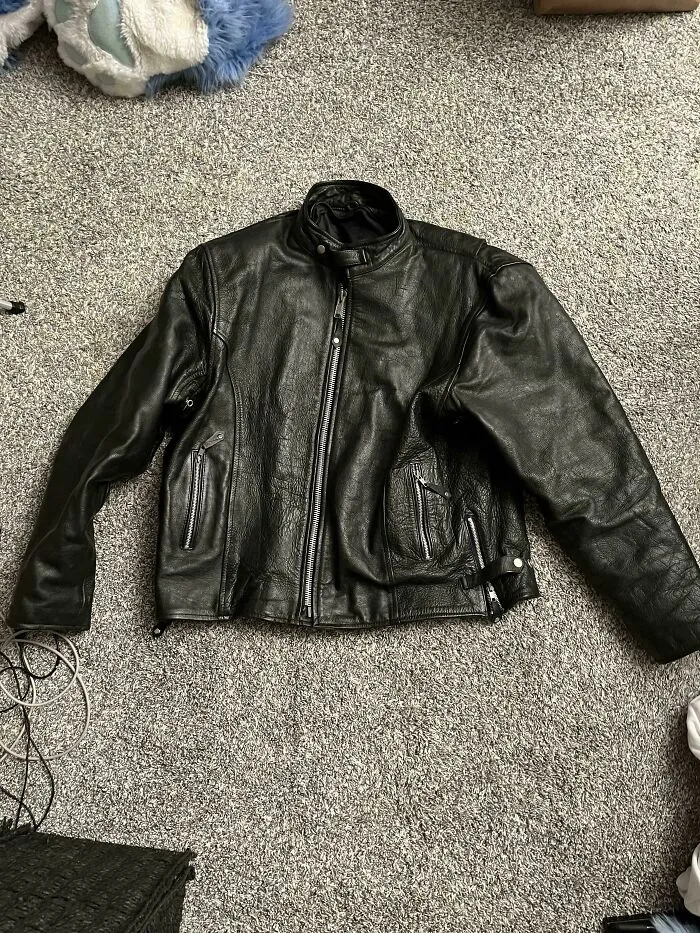
#7 My Dad Bought This Jacket In 1985 And Wore It Every Winter. Now It’s Mine!
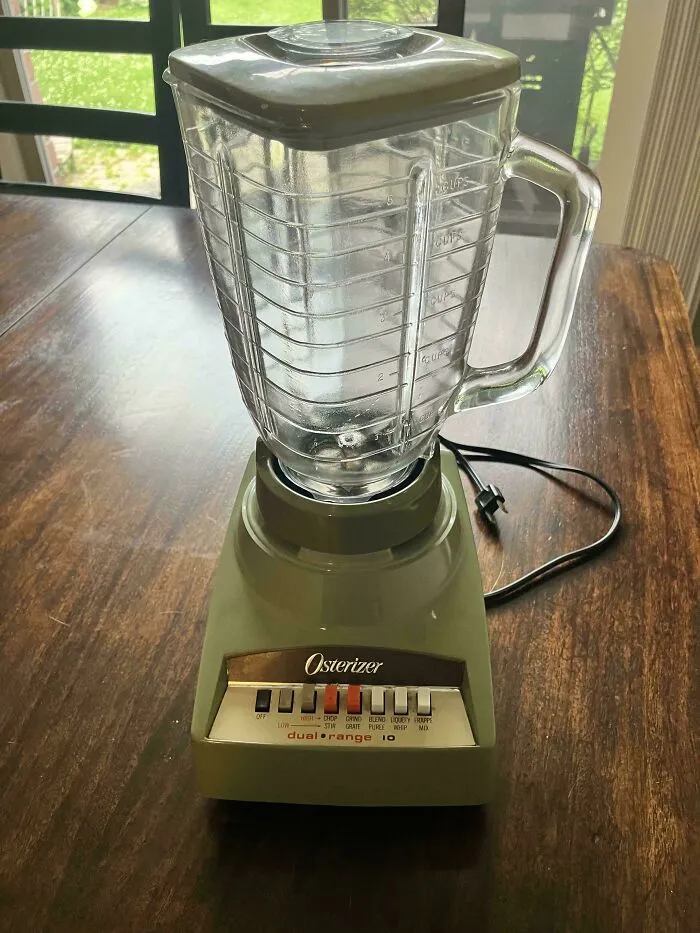
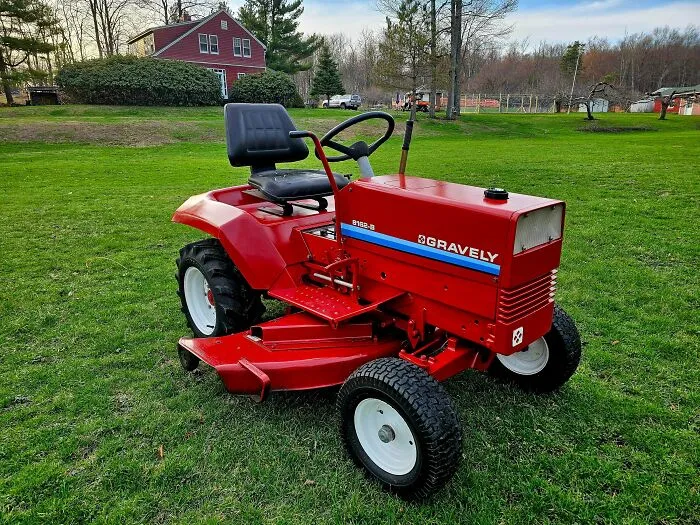
#9 Took My 1982 Gravely 8162-B Out Of Winter Storage Today, And Got It Ready For The Mowing Season. Hard To Find Anything Built As Tough As This Vintage Machine Today
A 2023 survey, conducted by UK environmental charity Hubub, found that “on average, people expect 26 washes from a £10 ($12) t-shirt before it starts to break down/not look good, compared to 42 washes from a £100 ($125) t-shirt. They expected 30 washes from a £20 ($25) pair of jeans compared to 44 washes from a £100 ($125) pair of jeans.”
But based on the Leeds researchers' findings, the consumers might be misjudging the durability of their clothing. And this can have a negative impact on the environment.
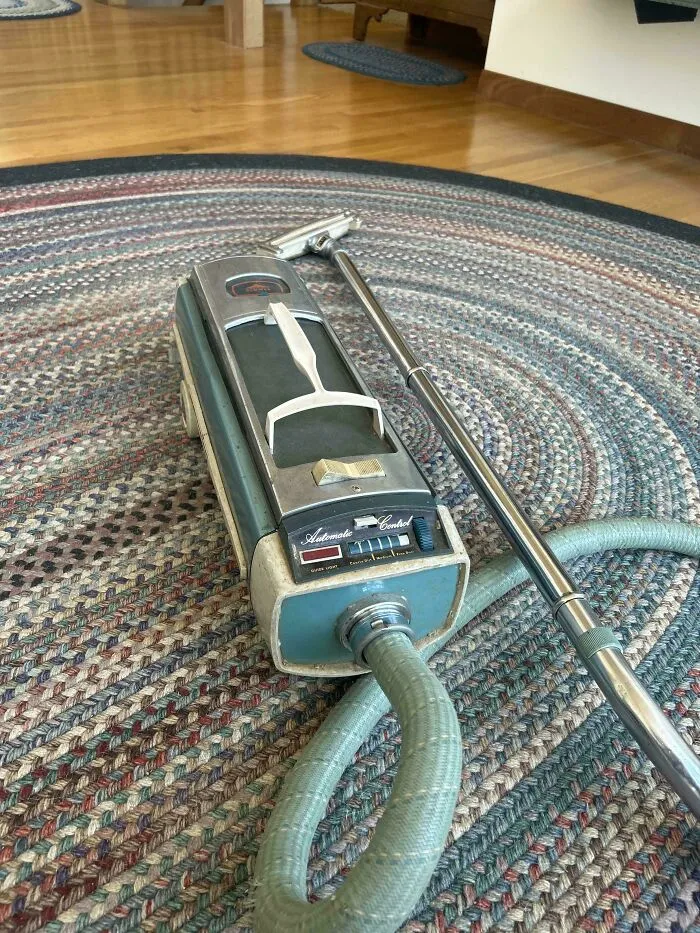
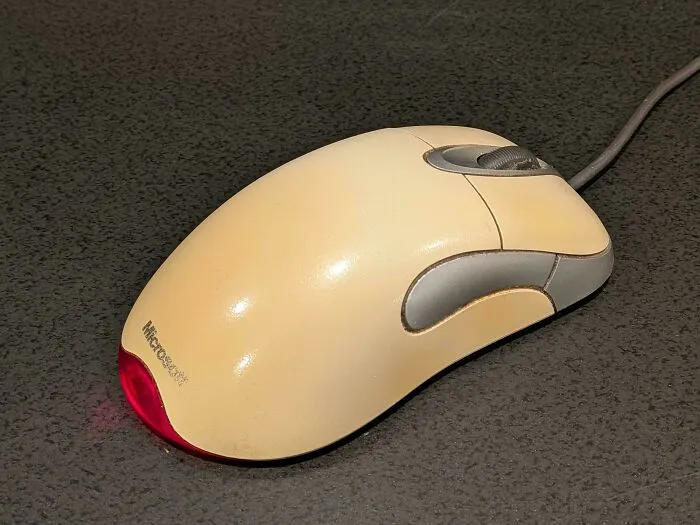
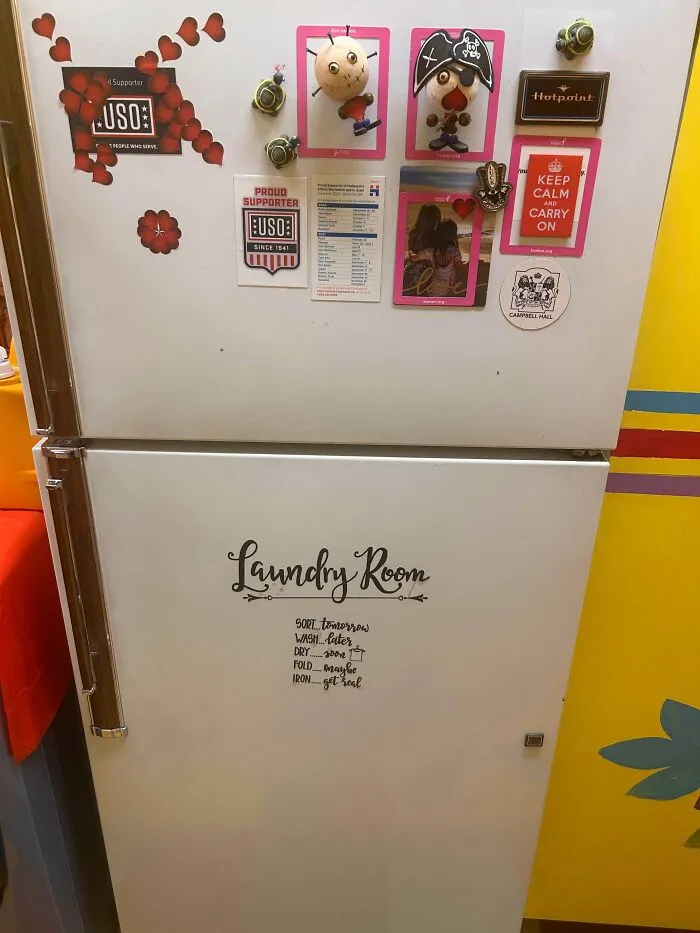
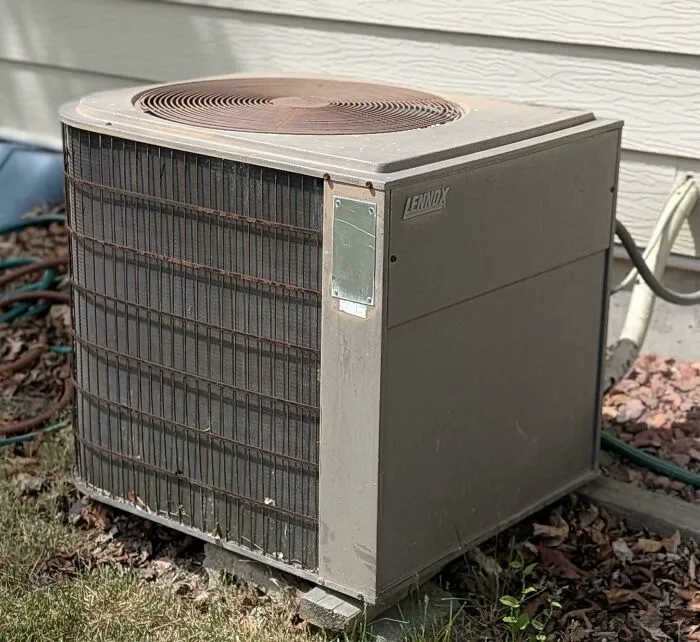
#12 My Grandparents Got This Fridge For Free When They Bought Their House In 1968. It’s Never Needed Repairs And Still Works Like A Charm
If a garment is durable and lasts long, consumers are likely to purchase fewer replacement garments. They're also more likely to keep their items for longer. This equals less clothing ending up in landfills, and a happier planet.
So how do you know if you're buying a good quality garment of it's not all about the price of the item?
One way, say Remake's experts, is to inspect the inside. There are few signs you might find that point to quality. For example, if the hem is sewn down thoroughly, it’s a good sign. If it’s loose, it’s at risk of snagging.
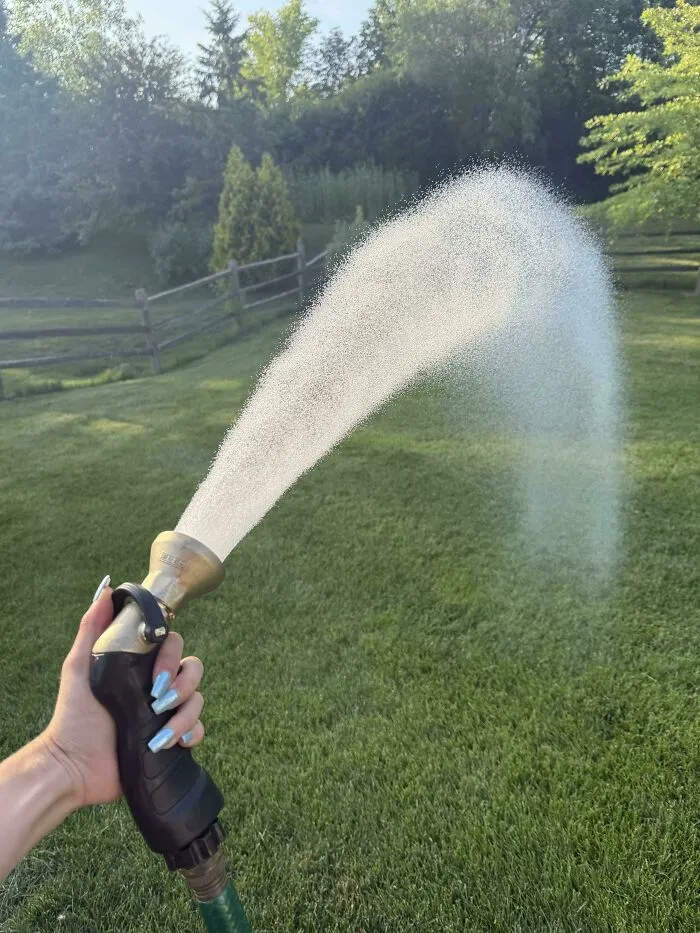
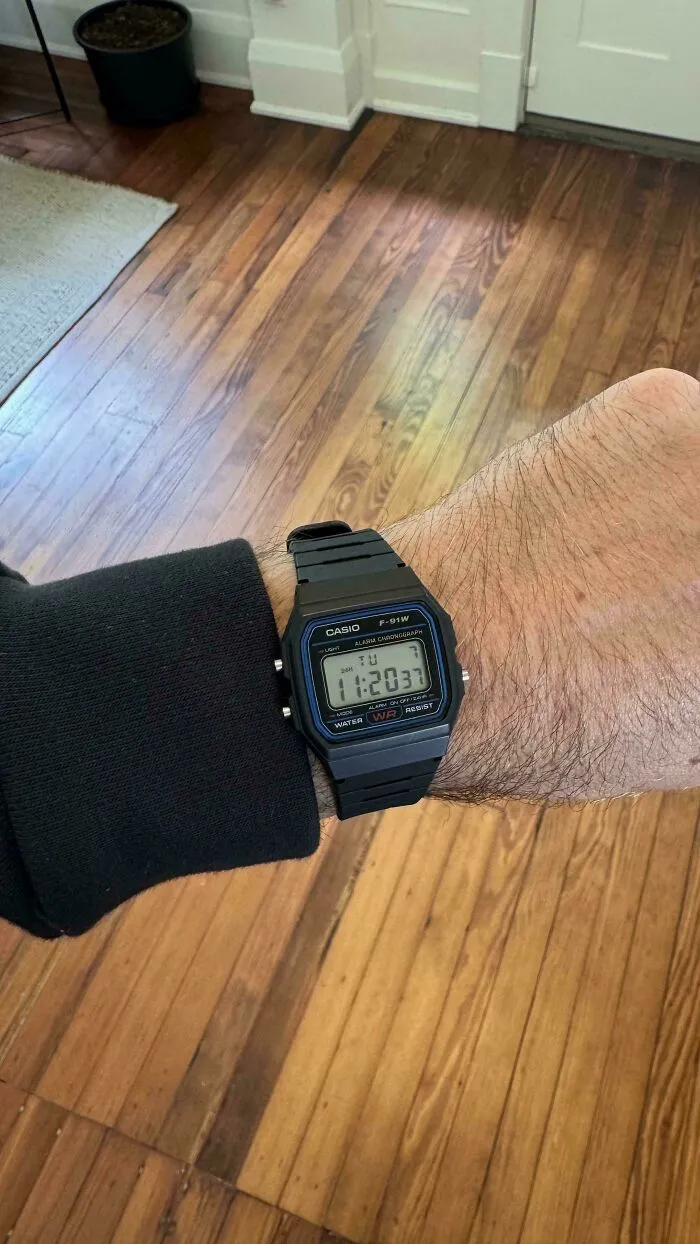
#15 I’m In My Late 30’s And Just Purchased My First (Non Smart) Watch. How’d I Do?
"The size of stitching is also a good indicator – small stitches require more time and care and are more durable compared with long stitching which could be a sign of cutting corners," reveals the site. "Also check for any flaws such as threads coming undone."
If the item has a lining, check how it feels on your skin. A higher quality, say the experts, should be comfortable and not make you feel itchy, icky, or sticky. The buttons and zippers can also tell you something. Good quality garments won't have cheap, plasticky-looking buttons that aren't sewn on securely.
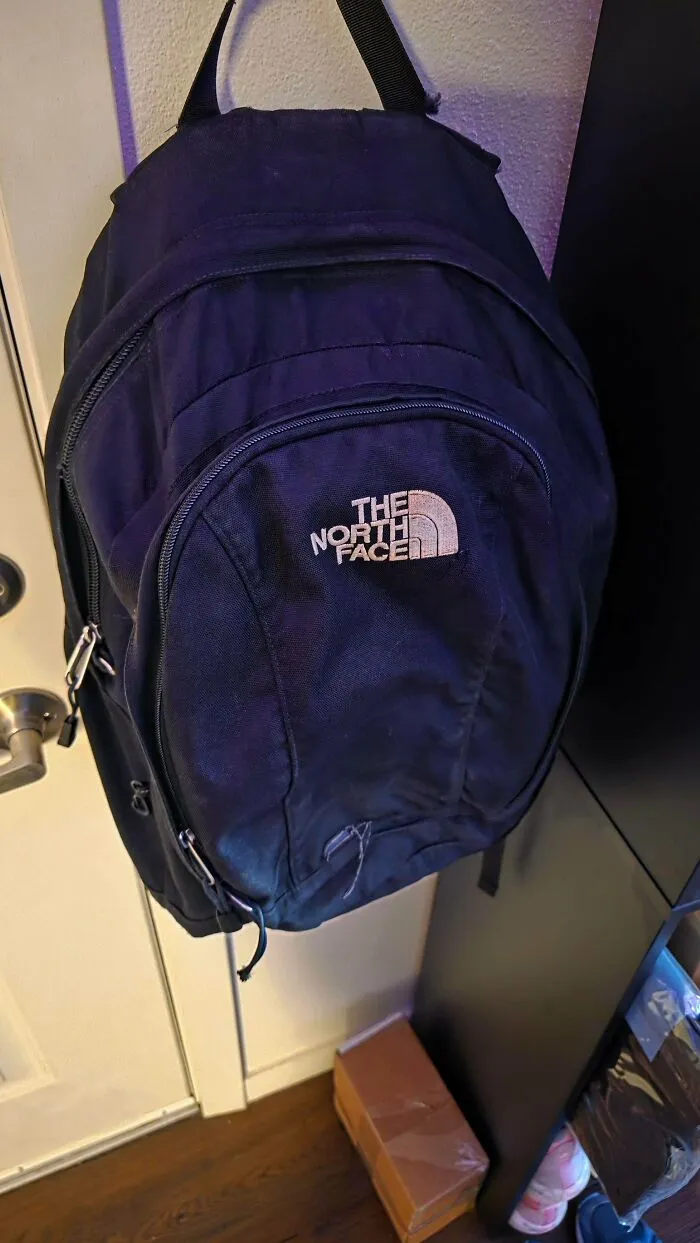
#17 Backpack My Mom Bought Her Freshman Year Of College, Handed It Down To Me When I Started School (I'm 27) And Still Use It Everyday For Work
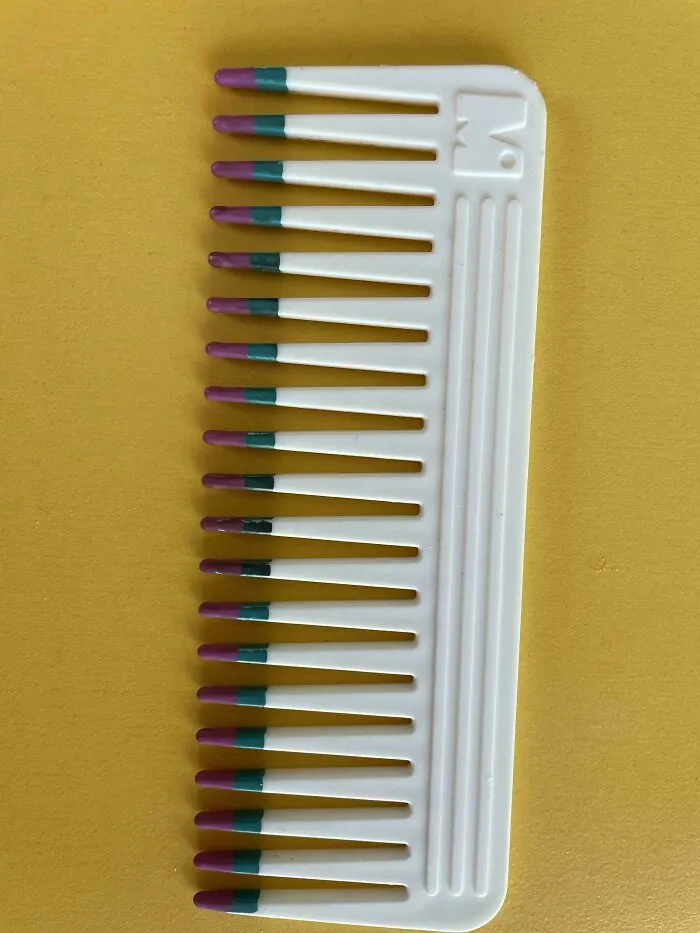
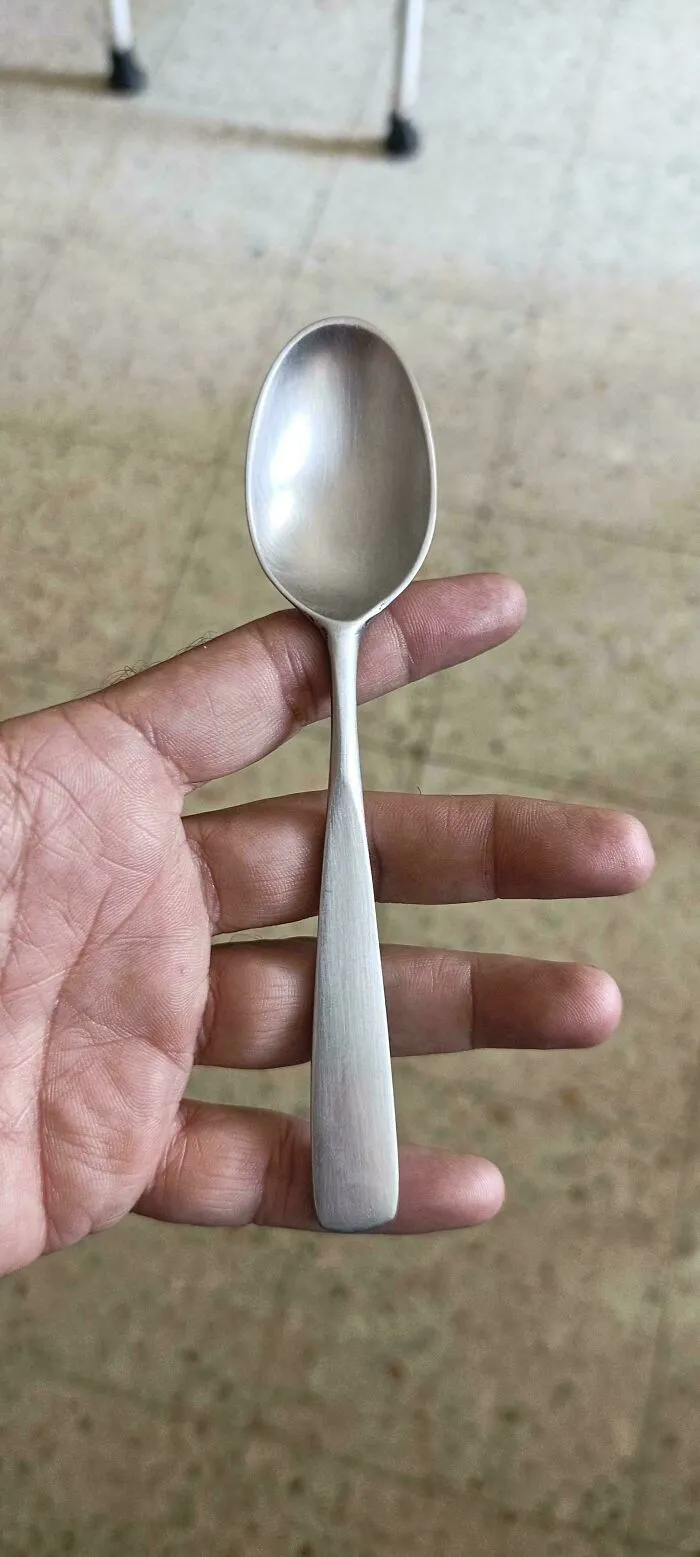
#18 A Spoon That Fed Me When I Started Having Semi Solid Food More Than 50 Years Ago
Whether it's an item of clothing, a vacuum cleaner or furniture, it pays to buy durable products.
"Products that are designed to be reusable and uphold their quality over time reduce the need for replacements, and therefore the amount of waste generated," notes Eurofins Sustainability Services. "The manufacture of new products requires significant energy, raw materials, and water. The waste generated from discarded products also contributes significantly to environmental degradation."