






"And then there are lots and lots and lots of places in the middle," Gavin explains. "If you assume that there is one definition, and you strive for that definition, you are unlikely to achieve work-life balance for you because your definition might be different."
If you're struggling to determine what arrangement is best for you, Gavin has some advice. "Plot out a perfect day or a perfect week where everything goes right."
Don't try to achieve that perfect day or week because that's probably unachievable. But it will show you what your priorities are and how you would prefer to organize your time and your energy.

Gavin's second piece of advice – set clear but flexible priorities. "If your focus on a particular day is work, then you are probably going to have to sacrifice a little bit on health, family, or hobbies. If a day is more focused on family, then you might have to sacrifice work and those other two. And that's okay as long as your priorities are being honored."
"You're not going to be able to accomplish everything in one day. You're not going to be able to accomplish everything in one week. But if your priorities are clear, then you know what to work toward. And if you're flexible, both with yourself and with the people around you about how those are organized from a day to day/week to week basis, then it's going to be a lot easier for you to achieve that balance."
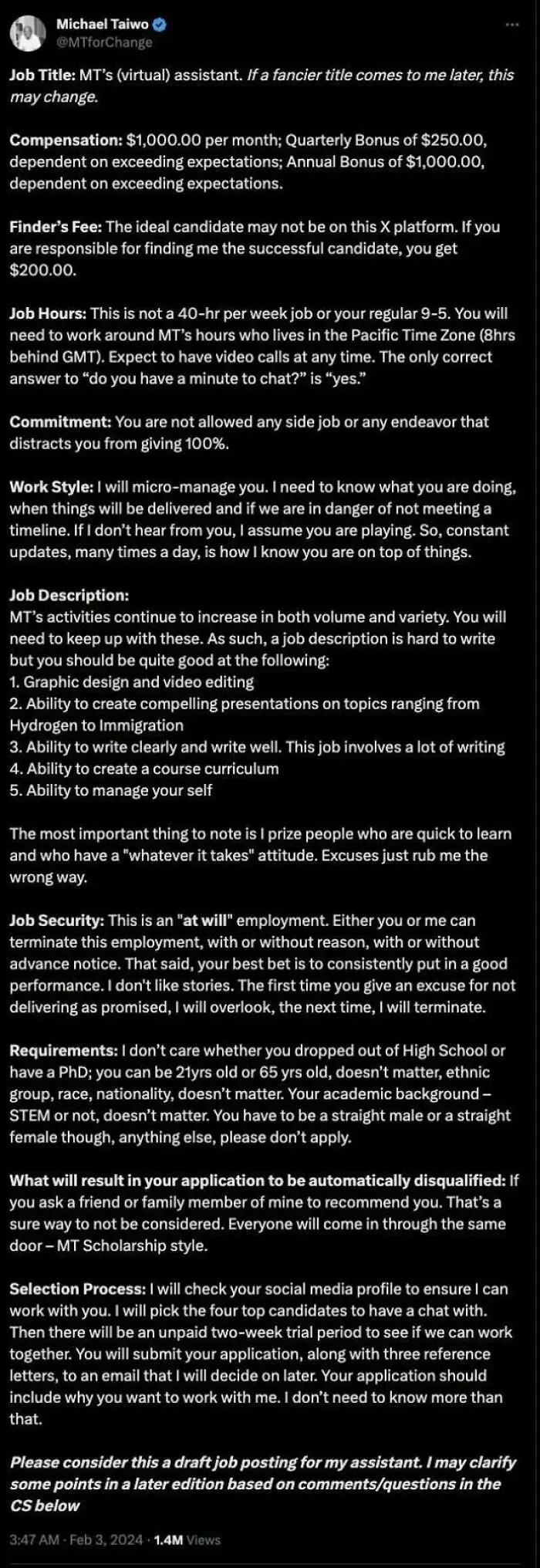
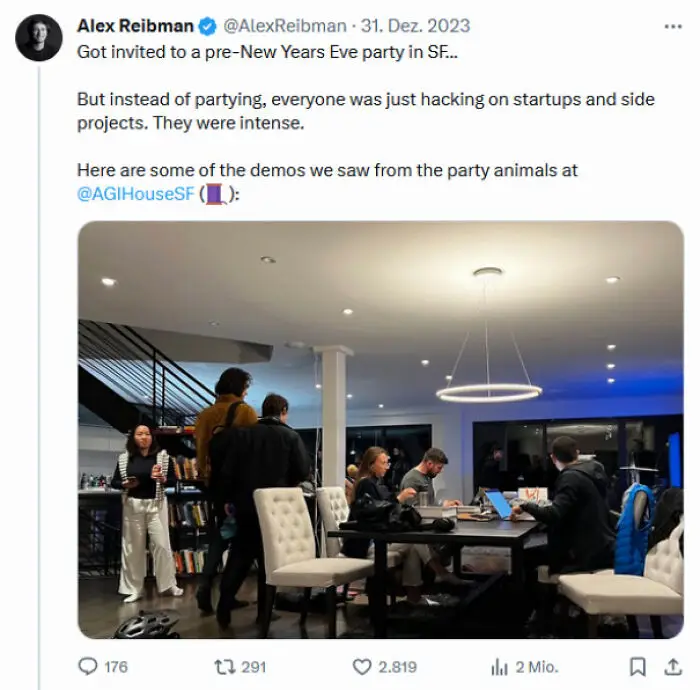
#26 The Startup Hustle On New Year's Eve (Twitter)

The career coach's last piece of advice is to check in on these priorities regularly. She even recommends putting it on your calendar. "If you are in a romantic relationship, it's great to talk with your partner about what is working and what is not working."
"We have many decades of work in front of us. Most of us are going to work for 30, 40, maybe even 50 years. And so we want to make sure that when we get to the end of that period, we feel good about how we spent the time, not just professionally but also personally."


And so if you're checking in regularly on what your priorities are and adjusting them, then you're not going to look back on that time with regret, Gavin says.
"If you look at interviews of people at the end of their lives, often you find that people regret working too much. Very, very frequently, you find that people wish they had spent less time working and more time on other aspects of their lives. And the only way to avoid that is to be conscious and intentional about how much of your life you give to work," Gavin concludes.