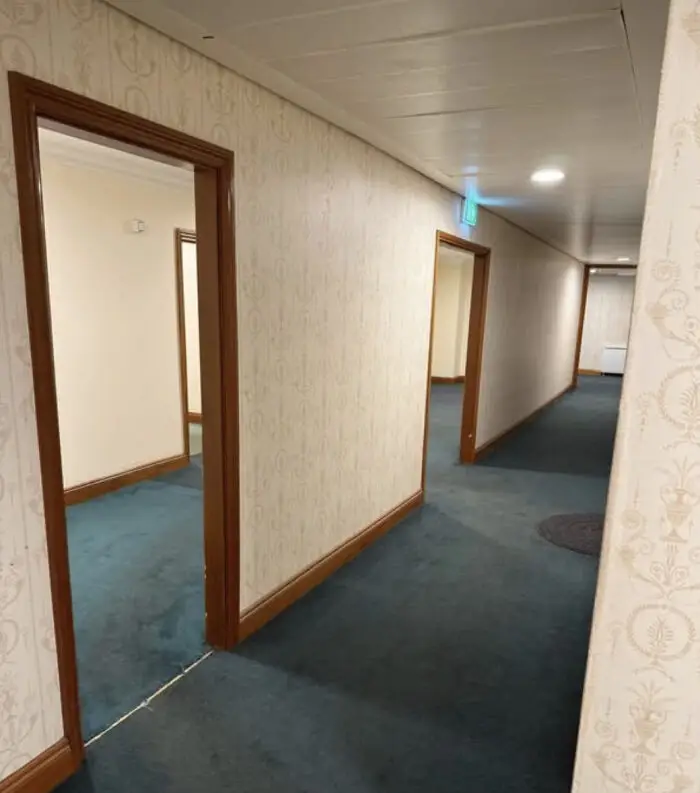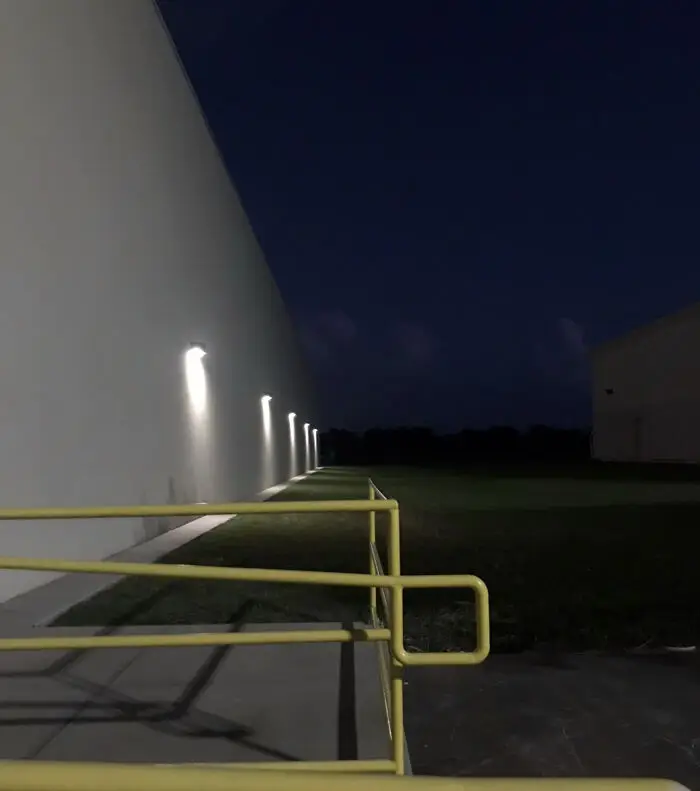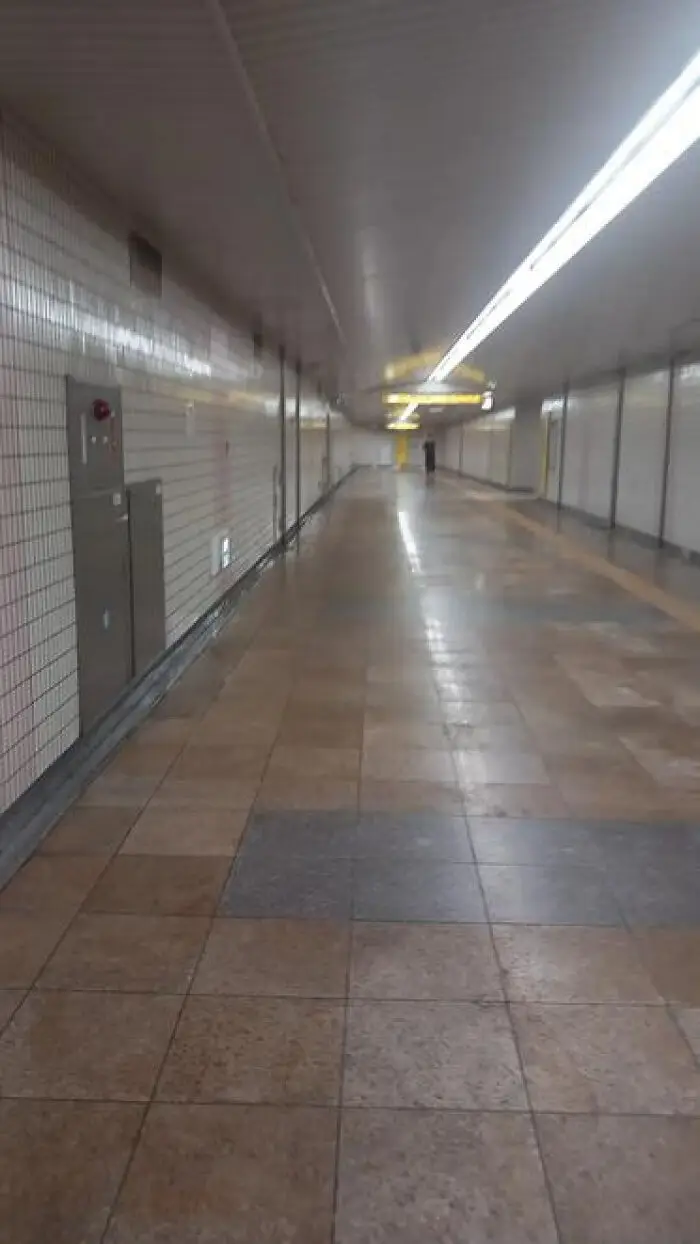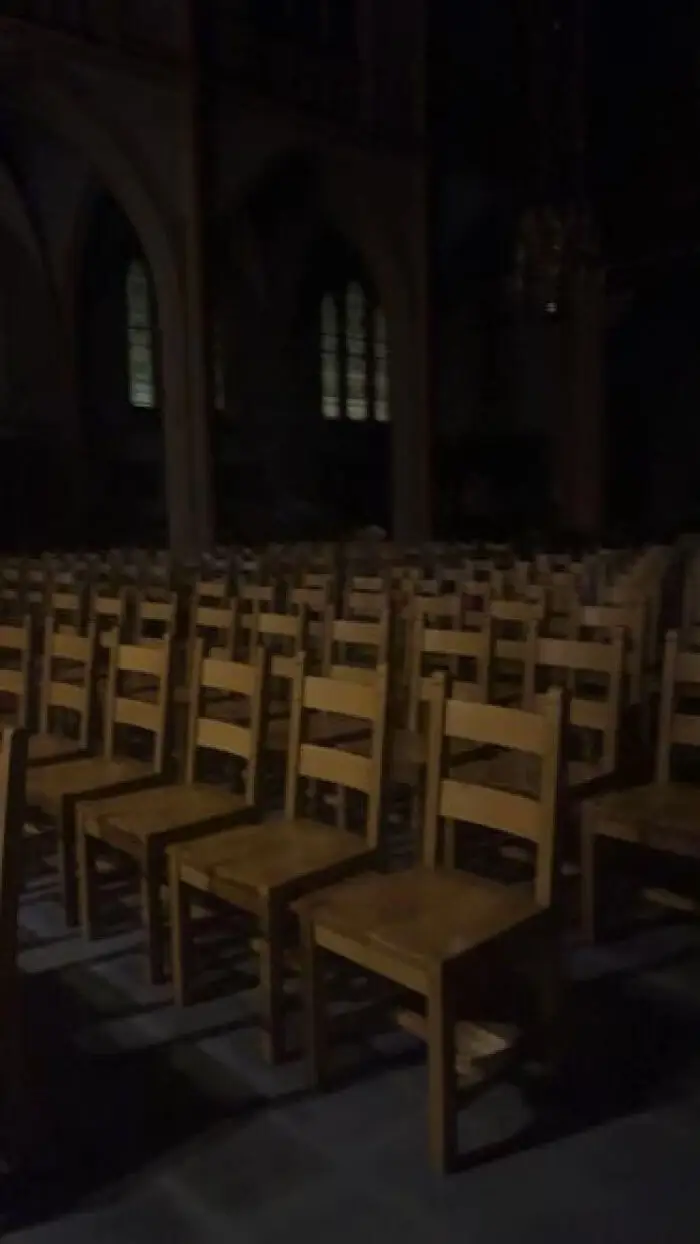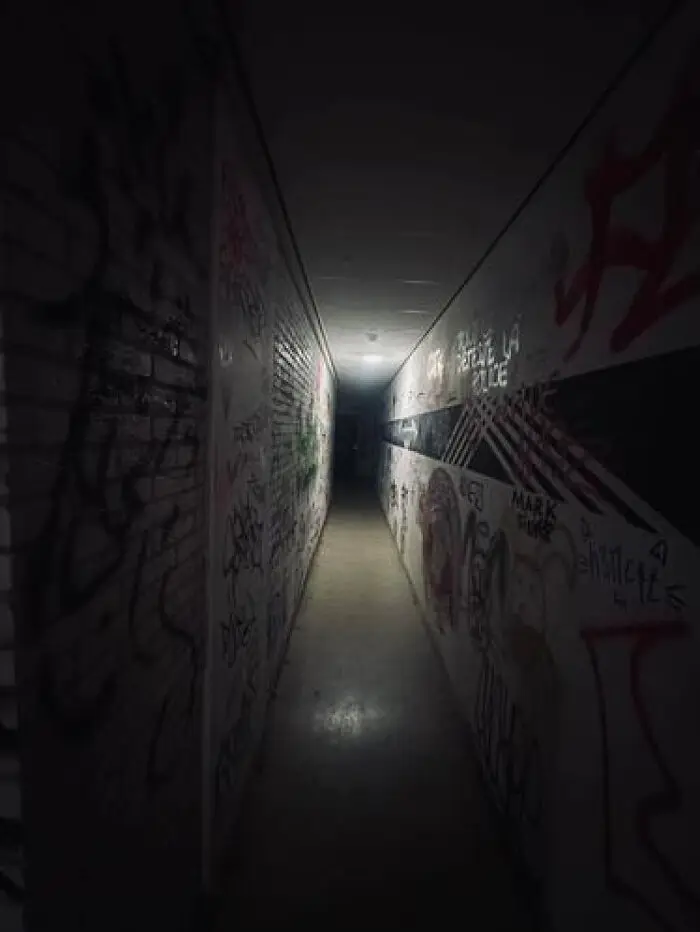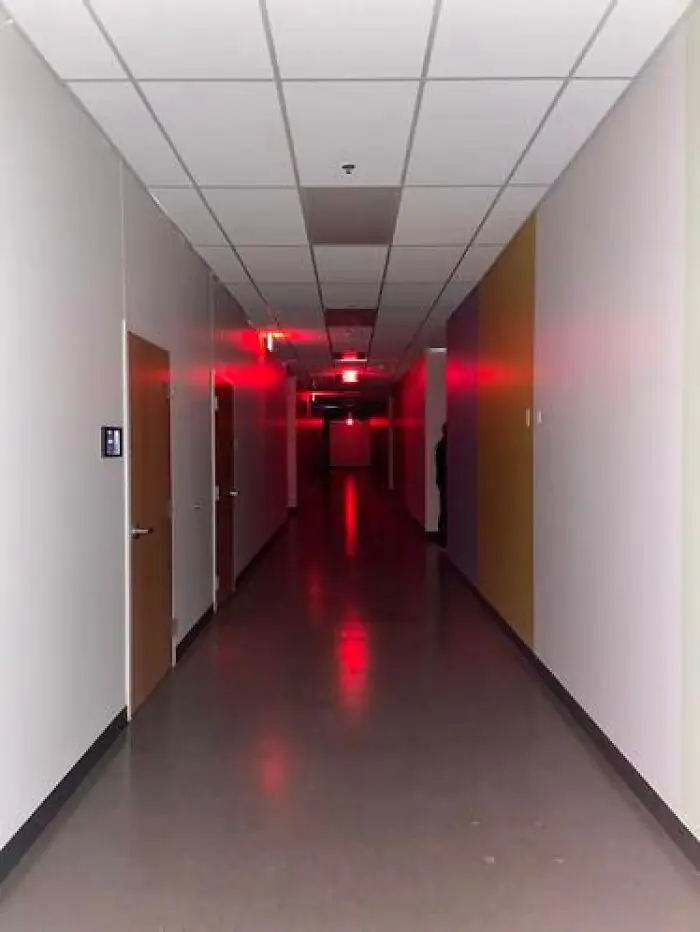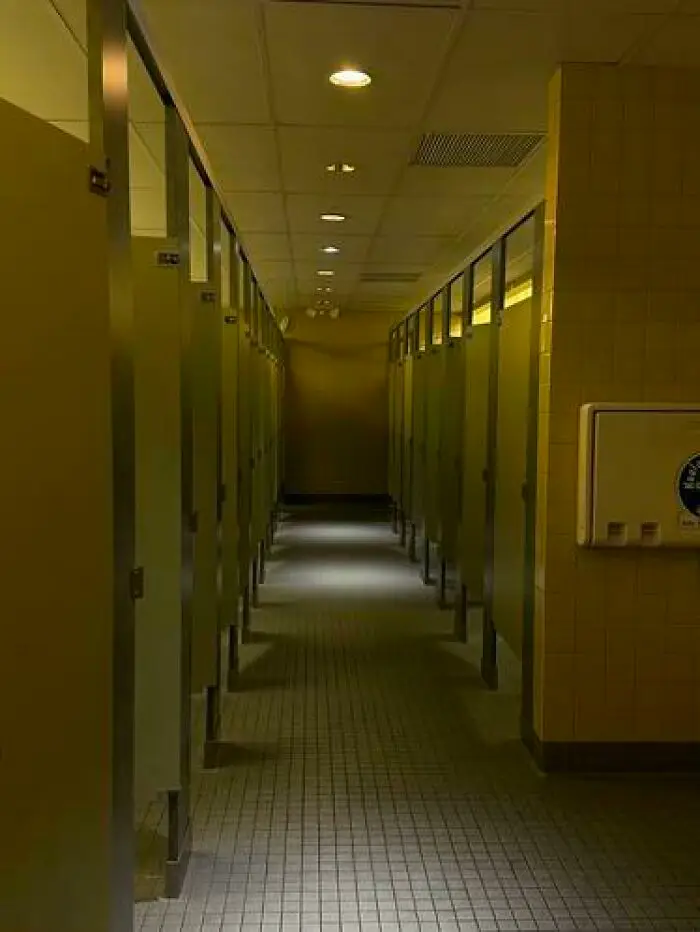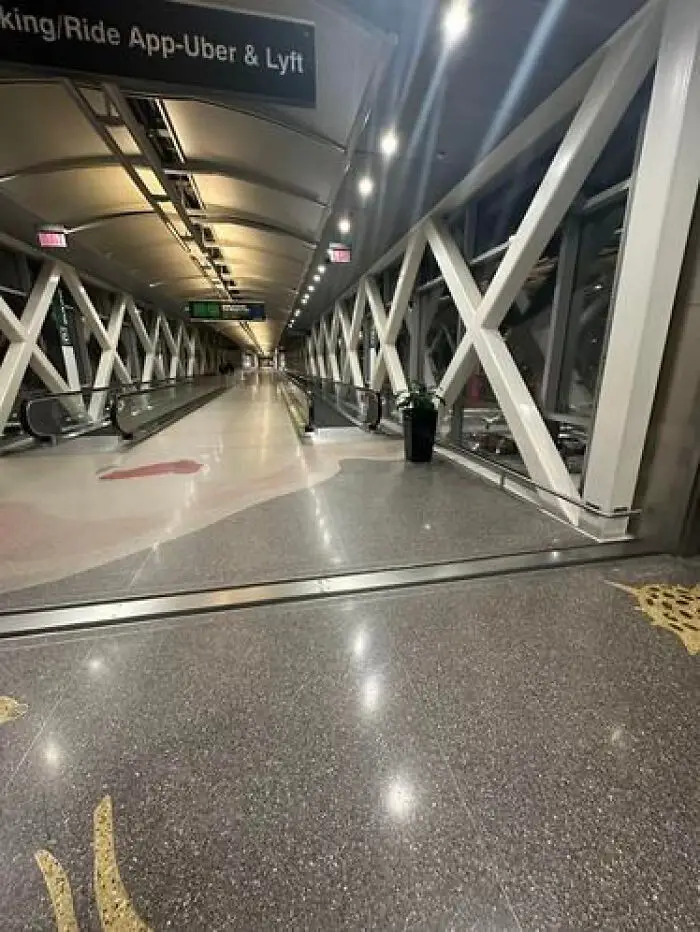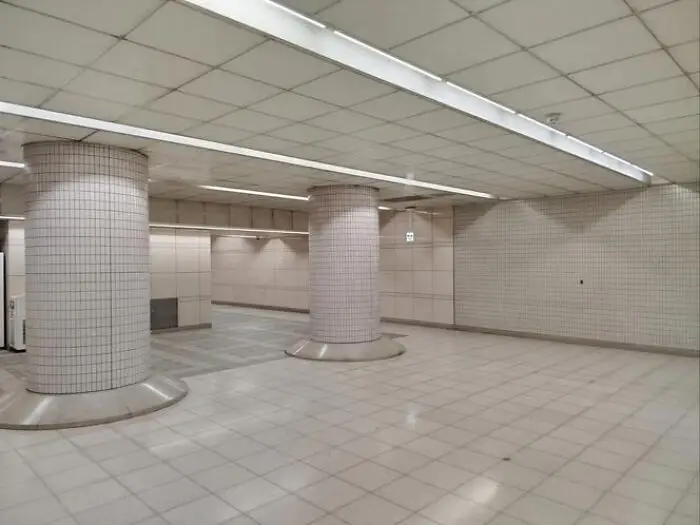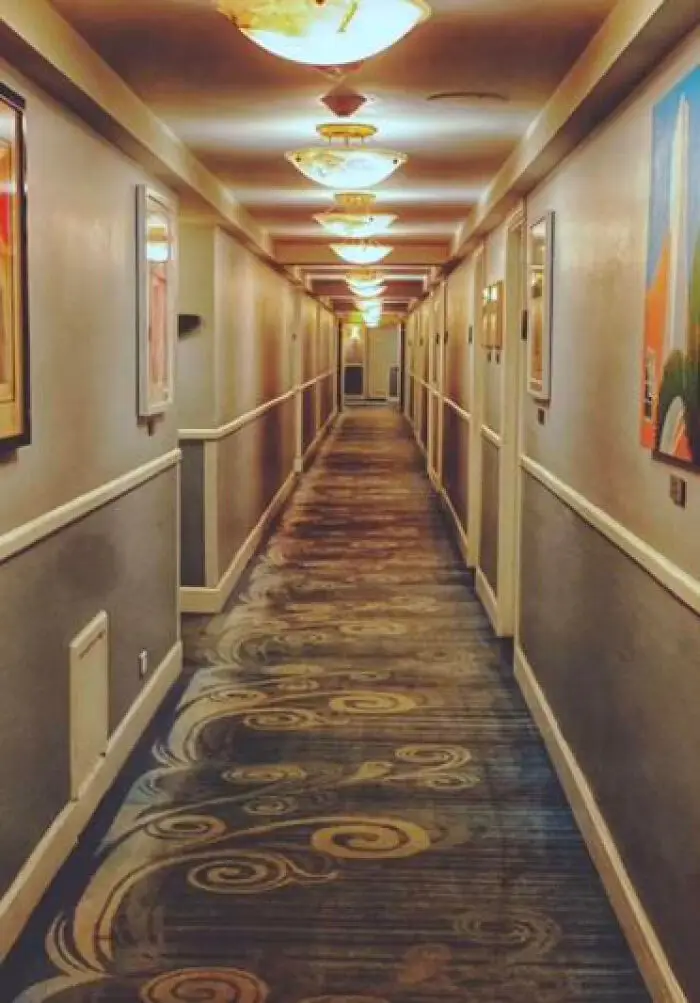

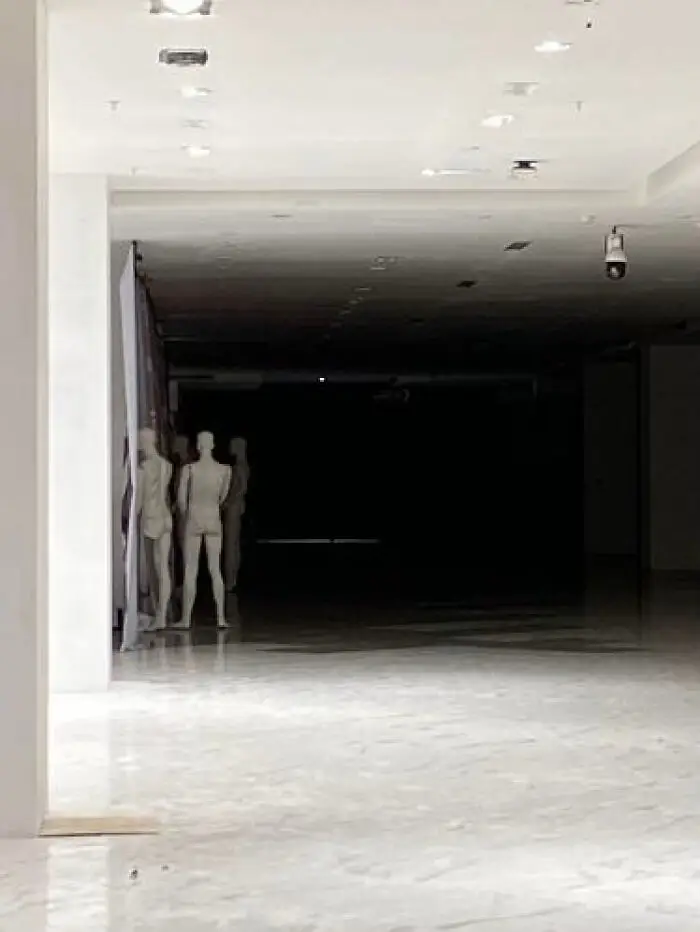
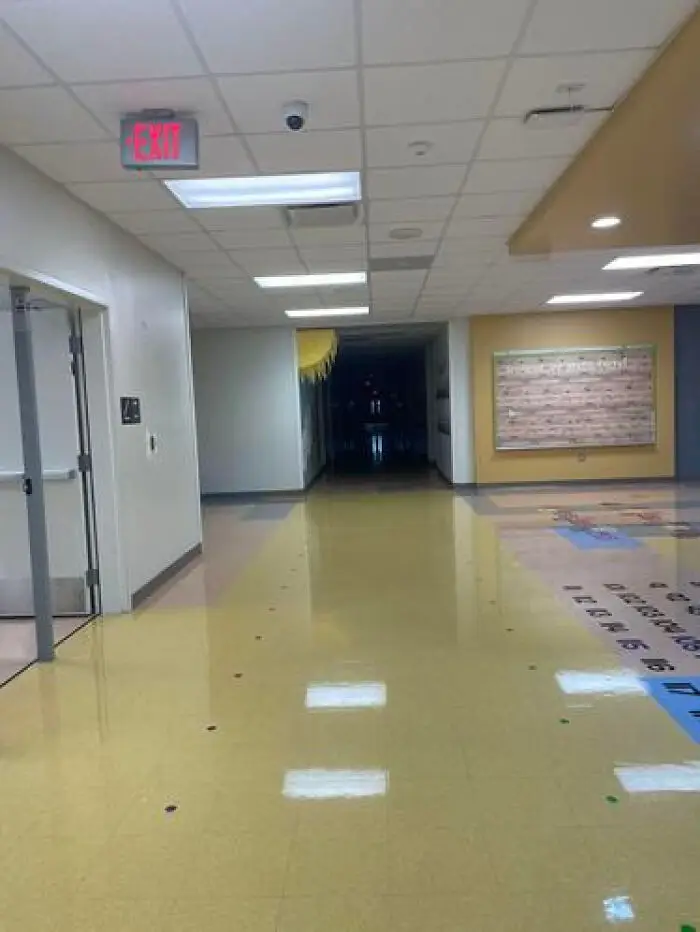
What the Backrooms captured, and what liminal space content broadly delivers, is a flavor of dread that conventional horror struggles to match. There is no monster, no jump scare, no graphic content. The wrongness is ambient. And ambient wrongness is something human brains find extremely difficult to dismiss.
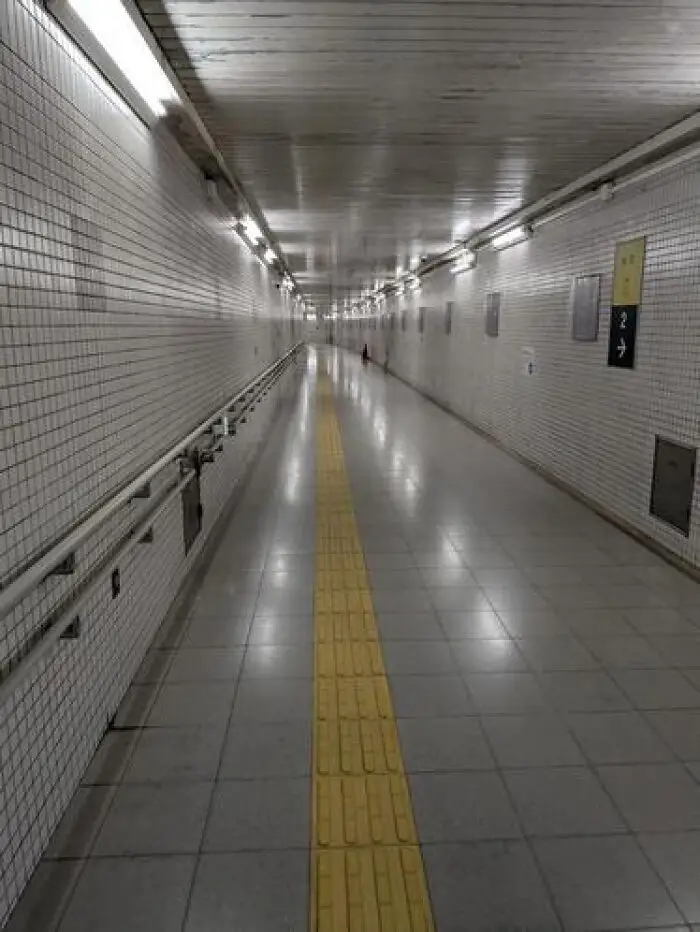
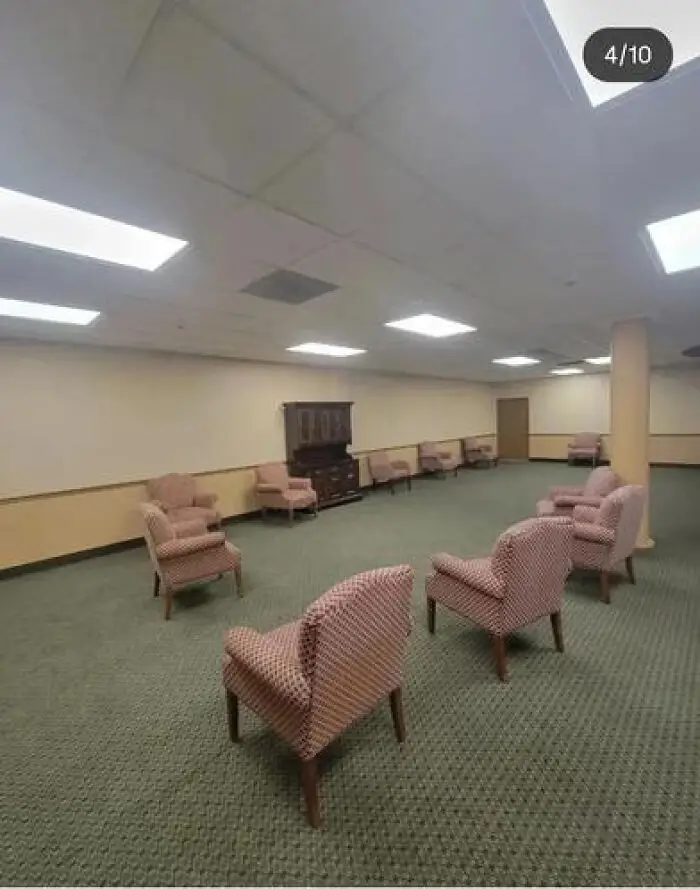
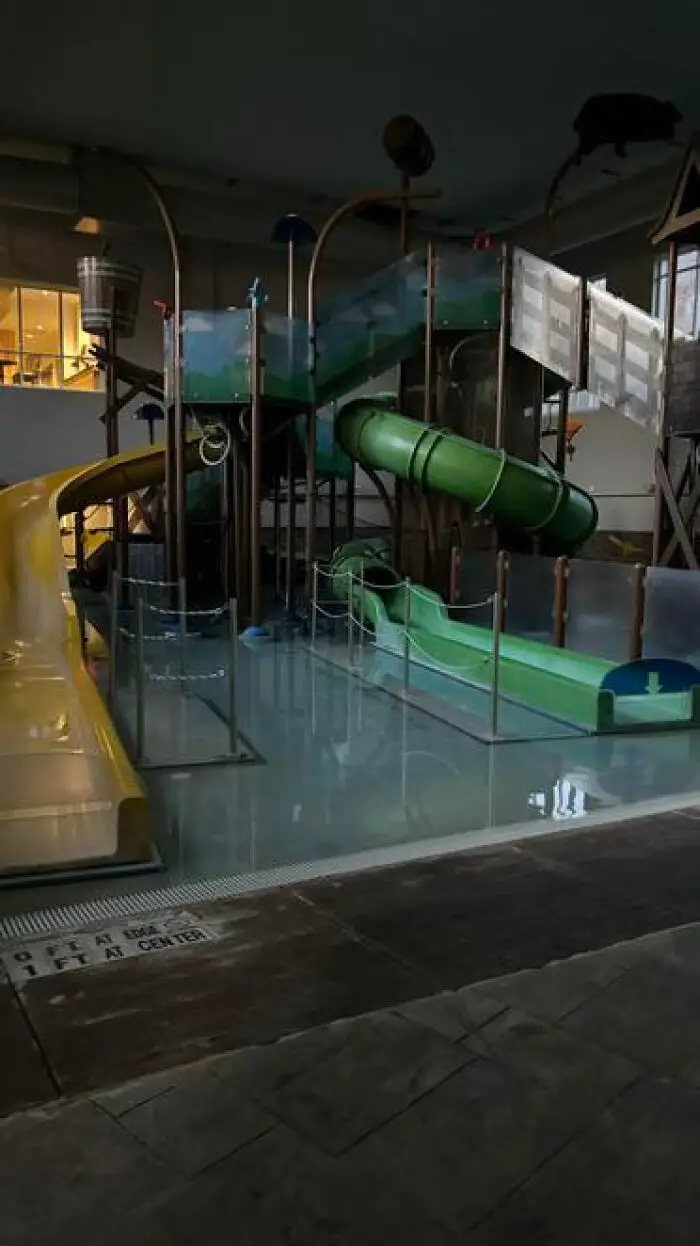
We are wired to locate threats and neutralize them. Liminal spaces offer a persistent feeling of something being off with no identifiable source and no resolution available. The brain keeps scanning. It keeps finding nothing. This is, paradoxically, exactly why people keep scrolling through more photographs of empty shopping centers at two in the morning.
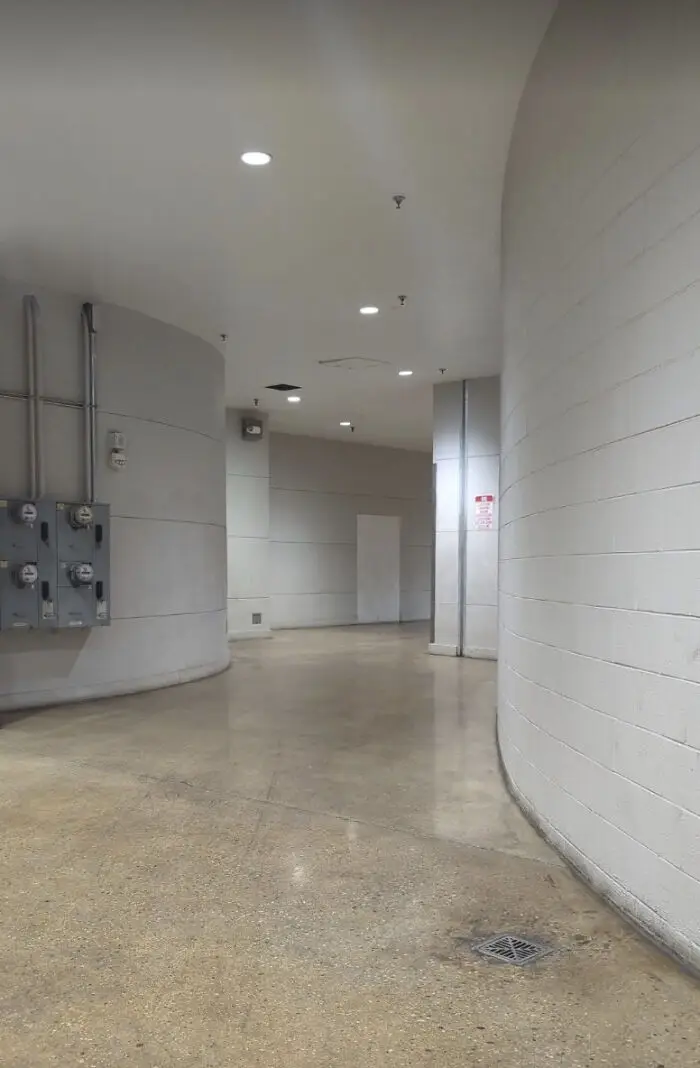
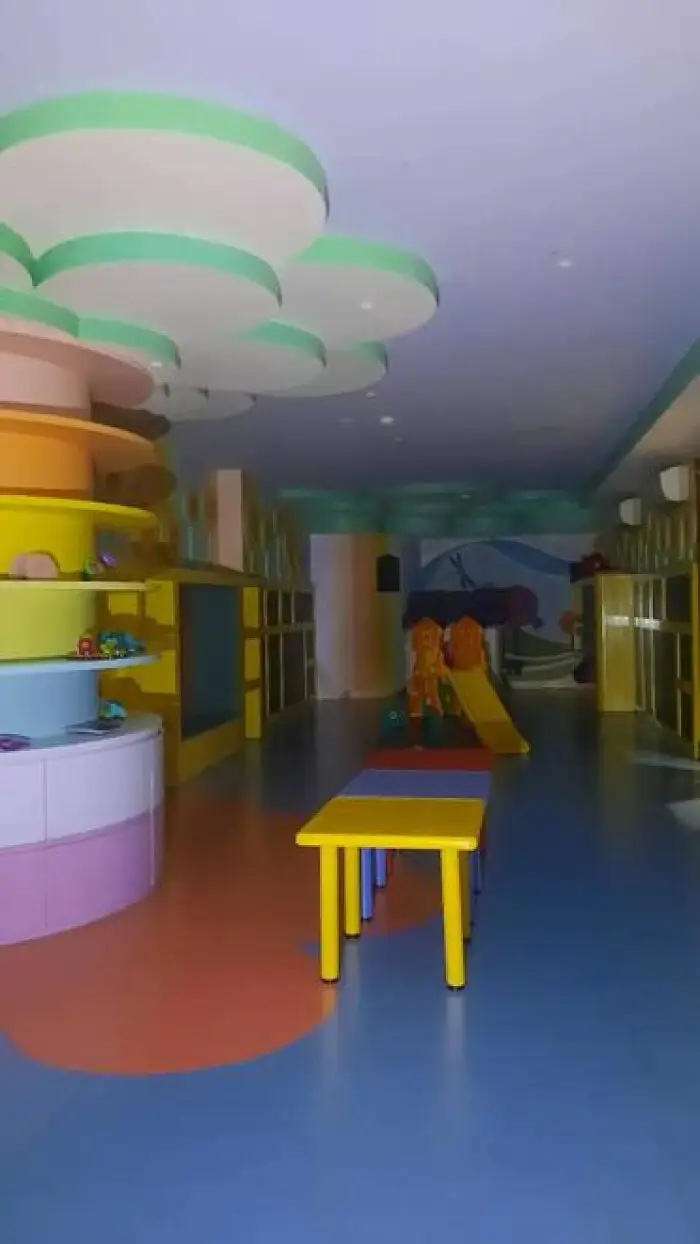
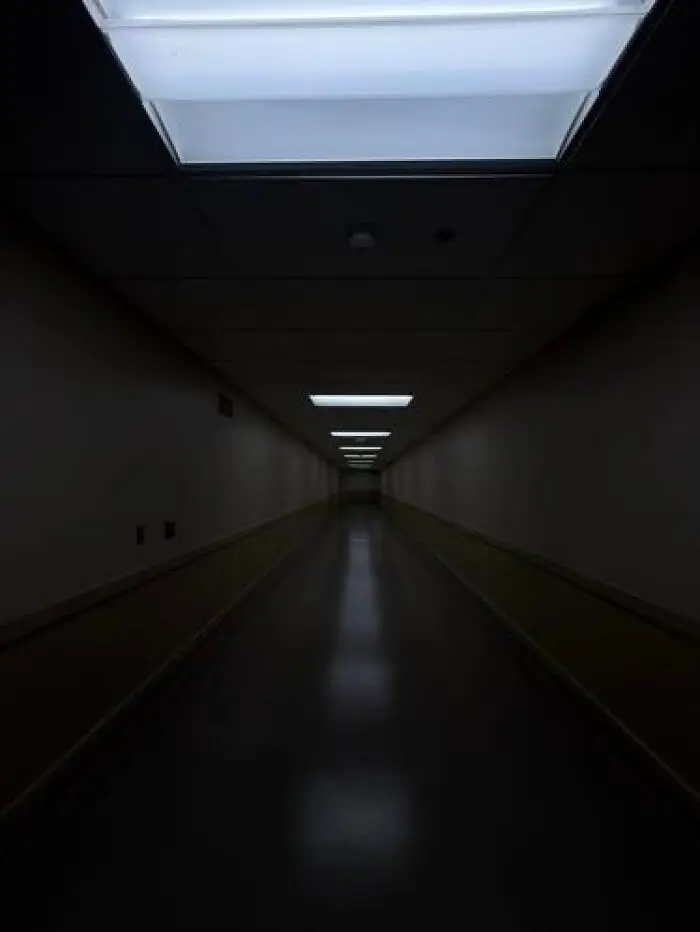
There is one more ingredient: community. These images function like social glue. "That looks exactly like my old school" or "I used to have nightmares about a place like that" are sentences that cross some cultural lines and connect strangers almost instantly.
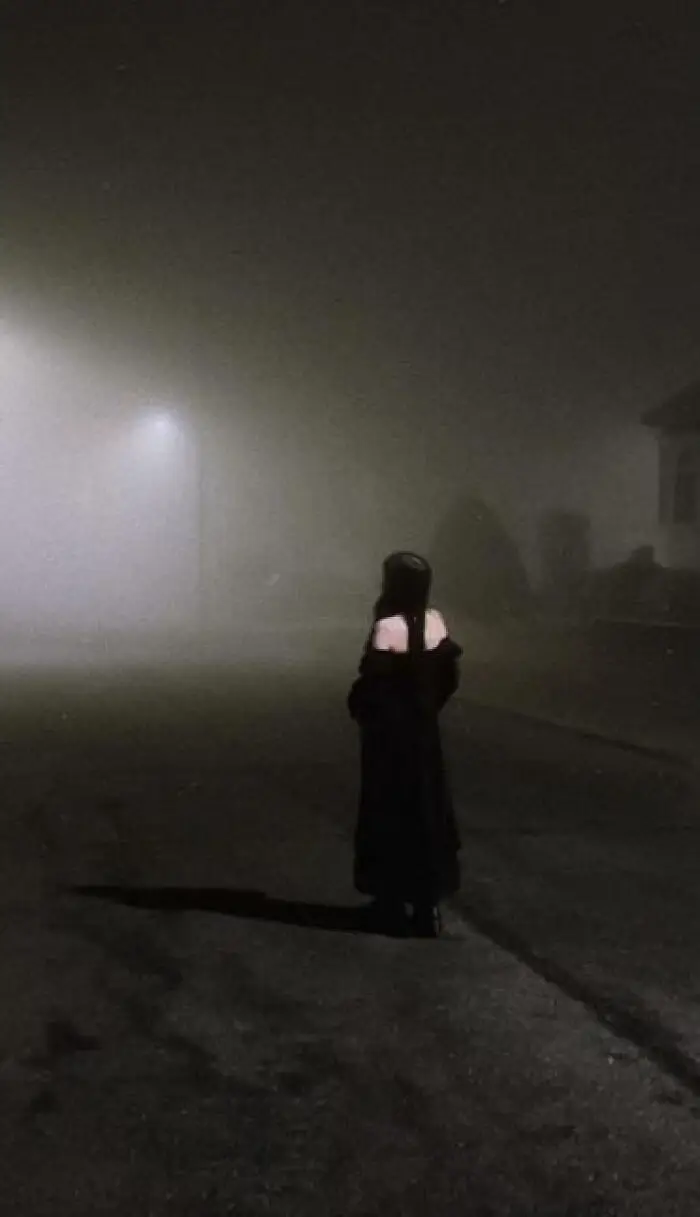
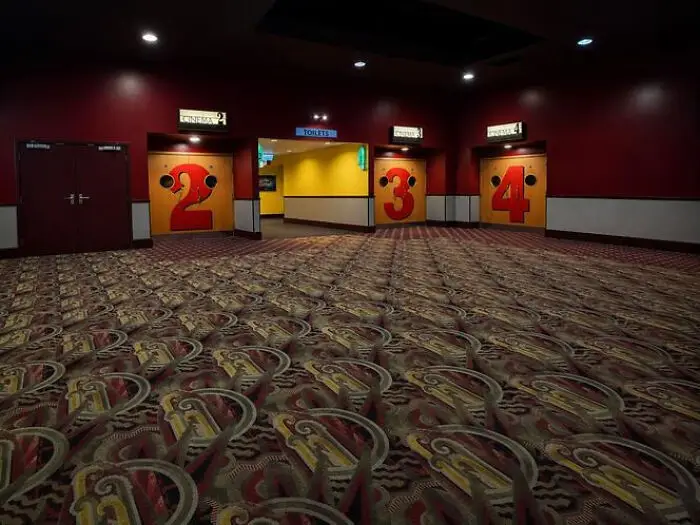
Shared unease turns out to be a surprisingly powerful bonding mechanism, and in a content landscape crowded with everything imaginable, a picture that makes someone feel something quietly, persistently strange is always going to find an audience.