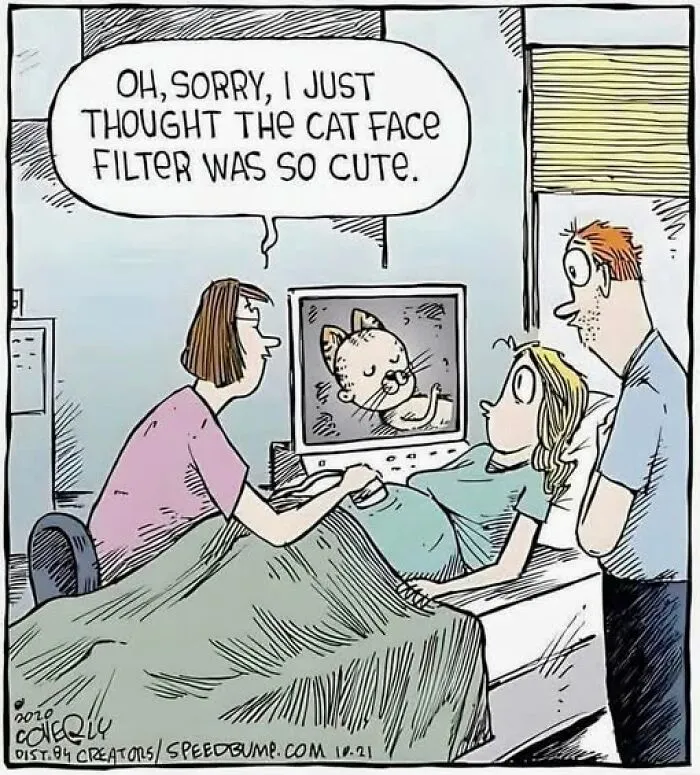




So what exactly is a Duchenne smile? It’s the kind of smile that reaches your eyes. Your cheeks lift, small wrinkles may appear at the corners of your eyes, and the expression feels natural rather than posed. It’s spontaneous and difficult to fake convincingly. Think about laughing at something truly funny. That’s the Duchenne smile. It signals authenticity. People instinctively pick up on it. And they respond to it.

Of course, balance matters. Smiling constantly, especially if it’s forced, can backfire. Overdoing it may lead to facial muscle fatigue or even headaches. There’s also something known as “smile mask syndrome,” where constantly pretending to be cheerful becomes emotionally draining. In professional settings, excessive or insincere smiling can sometimes make a person seem less capable or less genuine. Like most things, moderation is key. A sincere smile, used naturally, is far more impactful than one worn all day like a costume.



In the end, smiling isn’t about pretending everything is perfect. It’s about allowing yourself small moments of lightness in the middle of busy, complicated days. A genuine smile can lift your mood, strengthen your relationships, and even shape how others see you. But like anything powerful, it works best when it’s real. So instead of forcing it, look for the little things that naturally bring one to your face. For instance, the memes in this post. They’re funny, a little absurd, and relatable—exactly the kind of lighthearted content that can turn a dull moment into a brighter one. So, Pandas, which one of these made you smile the brightest?