


#1

There's a great saying about road raging: "Don't pretend to be crazy, because one of these days you're gonna run into someone who's pretending to be sane."
#2

#3
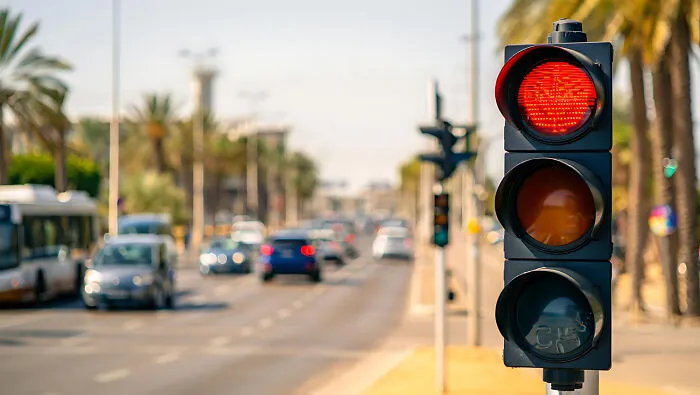
Someone always seems to run it after it just turns red, waiting a couple seconds and double checking.
seen too many tragic crashes because someone did not want to stop for the red light.
Knowing a few important facts can make a significant difference when an emergency occurs, especially when there is little time to figure out what to do. The American Red Cross explains that emergency preparedness helps people recognize danger, seek appropriate assistance, and provide useful help before professional responders arrive.
Basic knowledge of first aid, for example, can help a bystander understand how to respond when someone experiences cardiac arrest and may need CPR or an automated external defibrillator (AED). Being prepared does not mean handling every situation alone, but knowing which steps to take can help people respond more effectively when every minute counts.
#4

#5

“Never trust a blinker”
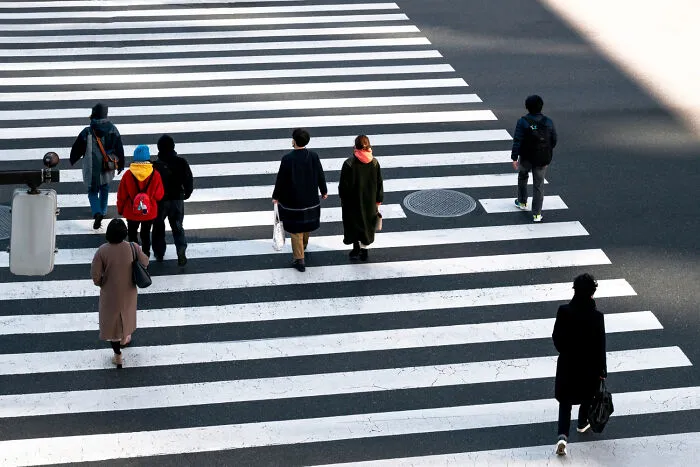
It’s saved me from a few close calls / accidents. True for crossing the street as well.
#6
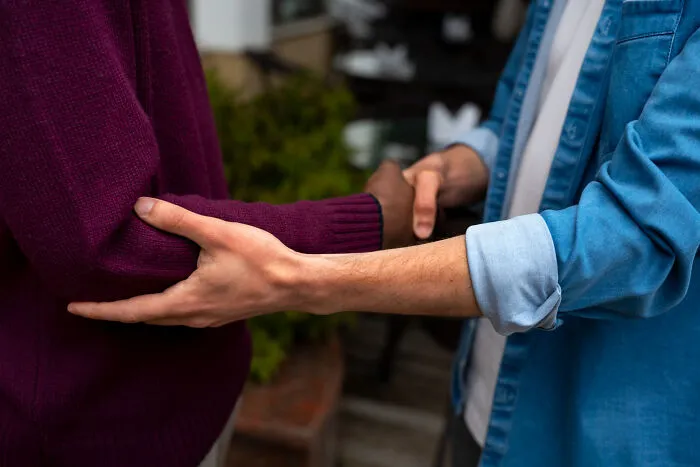
Preparation can also make it easier to think clearly when something unexpected happens. Learning emergency procedures in advance gives people an opportunity to practice their responses, making it easier to remember practical steps such as checking the surroundings for hazards, calling emergency services, or providing appropriate first aid. However, acting quickly should never mean putting oneself in danger.
Entering an unsafe area without assessing the risks could create another casualty, and sometimes the safest response is to move away from danger and contact trained professionals. First-aid knowledge can also help people provide immediate assistance for severe bleeding, wounds, and breathing difficulties while waiting for medical care, although it is not a substitute for professional treatment.
#7
#8

#9

I recently had a detached retina. I did not know what that was about. But when I reached the ER I was moved to the active treatment zone in minutes.
Typical people should be aware of medical emergencies like pneumothorax, retinal detachment etc.. there are about 20 of them and it is good to know of them.
Everyday safety also depends on recognizing that seemingly insignificant decisions can have serious consequences. Westgard explains that the effort required to make a choice does not necessarily reflect the level of risk involved. Skipping a routine safety check or postponing necessary maintenance might save a few minutes, but it can also remove an important safeguard.
These decisions are particularly easy to overlook when everything appears to be working normally, since there may be no immediate indication that anything is wrong. Understanding why safety precautions exist can help people appreciate their value even when the danger they are designed to prevent seems unlikely.
#10

Get yourself out there asap, to the smoking area atleast. 99/100 it’s not real, but when it is it’s horrific.
I’ve not been in a situation like that, but I’ve been a club that burnt down with people inside years later. Can’t help but think that I wouldn’t have actually left and thought it was a false alarm if it happened when I was there.
#11
#12

The risks can become greater when several small mistakes accumulate. An overlooked inspection, a delayed repair, and the pressure to finish a task quickly might each seem manageable on their own, but together they can create conditions in which an accident becomes more likely.
People may also become comfortable with shortcuts after taking them repeatedly without experiencing any problems. Since the immediate reward of saving time is obvious while the potential consequences remain uncertain, it is easy to convince oneself that an extra precaution is unnecessary.
Recognizing these patterns can encourage people to take everyday safety measures seriously rather than waiting for something to go wrong before changing their behavior.
#13

#14

Mostly applies to elderly but also anyone here with aging parents, you’d be surprised how much time is lost trying to find the right house on a street or weave through a home with tight spaces just to get a patient out.
#15

Preparation is equally important when the challenge involves responding to an emergency that cannot be prevented entirely. CBS News discusses how having a plan in advance can reduce uncertainty by helping people understand where to go, whom to contact, and what to do first.
Familiarity with these steps can make a stressful situation easier to navigate because fewer decisions have to be made under pressure. Preparing with family members or other people who may be involved can also establish a shared understanding of everyone's responsibilities. Although no plan can guarantee that someone will remain calm during a crisis, having practical steps to follow can provide a useful starting point when circumstances become overwhelming.
#16

#17

#18
Another important part of staying safe is recognizing warning signs instead of automatically assuming that everything will turn out fine. People may overlook concerning developments because they expect everyday life to continue as usual, a tendency known as normalcy bias.
Others might dismiss unusual symptoms or behavioral changes as temporary stress, aging, or a passing phase. Fear, denial, and discomfort about raising sensitive concerns can also prevent people from taking action.
The difficulty is that early warning signs are not always obvious, and symptoms such as fatigue, irritability, sleep disturbances, or reduced functioning can have several possible explanations. Nevertheless, paying attention to significant or persistent changes can help people recognize when further investigation or professional assistance may be necessary.
#19

#20