


Bored Panda
52 Potentially Life-Saving Facts That Deserve To Be Common Knowledge
CuriositiesOCT 23, 2026

52 Potentially Life-Saving Facts That Deserve To Be Common Knowledge

33
0
Some facts are fun party trivia, like knowing why flamingos stand on one leg, while others are the kind of information you really hope you never need but will be incredibly glad to know if trouble strikes.
The world is full of everyday hazards, unexpected emergencies, and surprisingly common situations that can turn serious in seconds, and a little knowledge can go a long way when things go sideways. Recently, people online were asked to share facts everyone should know that could potentially save a life.
Their responses covered important bits of knowledge that might help someone recognize danger, react quickly in an emergency, or avoid making a bad situation worse. After all, knowing what to do when things go wrong is useful, even if you never get the chance to show off your newfound expertise.

#1

A smiling woman driving a car safely, demonstrating essential vehicle emergency tips.
Don't mouth off to strangers in cars, don't make aggressive gestures, don't drive aggressively in response to them. Just drive, you’re nothing more than a passive spectator.

There's a great saying about road raging: "Don't pretend to be crazy, because one of these days you're gonna run into someone who's pretending to be sane."
22points

#2

Woman holding a smartphone behind the wheel of a car, depicting driver safety and emergency tips.
More people pass away from distracted driving than from drinking and driving, so put down your phone.
21points

#3

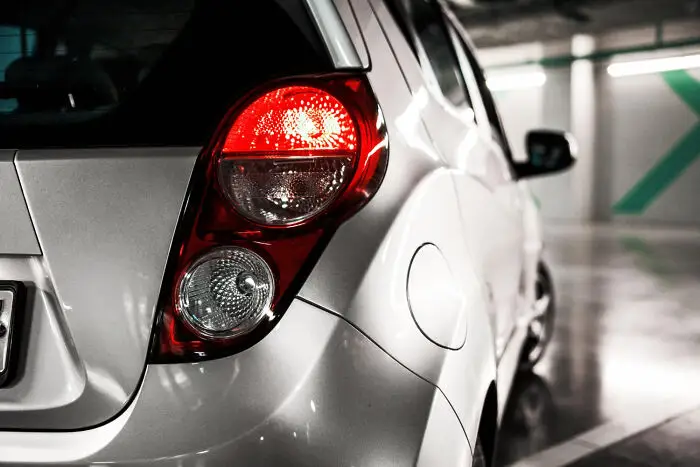
Rear brake light of a parked silver car, illustrating auto safety and emergency tips.
My uncle told me this when I first started driving:

“Never trust a blinker”

It’s saved me from a few close calls / accidents. True for crossing the street as well.
18points

Knowing a few important facts can make a significant difference when an emergency occurs, especially when there is little time to figure out what to do. The American Red Cross explains that emergency preparedness helps people recognize danger, seek appropriate assistance, and provide useful help before professional responders arrive.

Basic knowledge of first aid, for example, can help a bystander understand how to respond when someone experiences cardiac arrest and may need CPR or an automated external defibrillator (AED). Being prepared does not mean handling every situation alone, but knowing which steps to take can help people respond more effectively when every minute counts.

#4
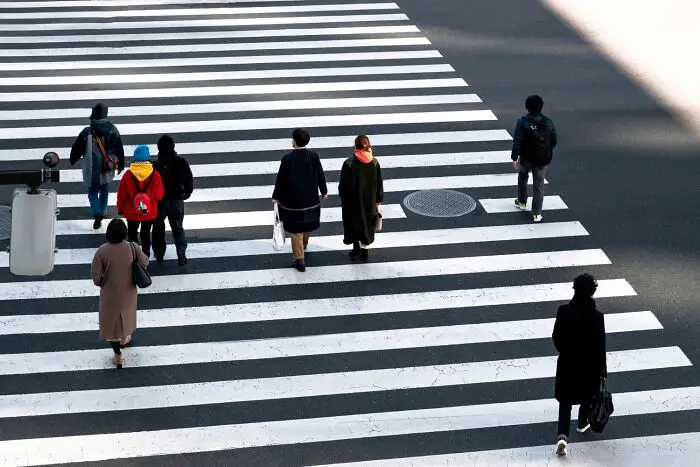
Pedestrians using a zebra crosswalk, following safety guidelines and emergency tips.
Just because you have the right of way as a pedestrian doesn’t mean you won’t get hit by a car if you’re careless. Never surprise a driver when you cross the street. You hesitate and make sure the driver sees you. You don’t just March into the road because you pressed a button.
18points

#5

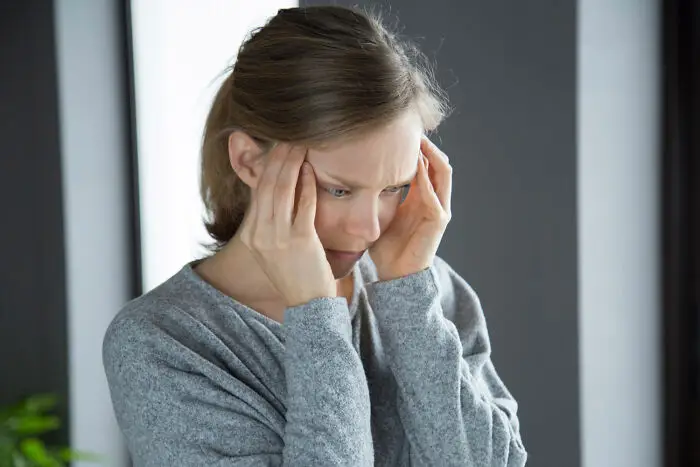
Woman holding her head in pain, representing stress management and health emergency tips.
If you have a headache that comes on suddenly and is the worst one you've ever had, go to the ER. I survived a subarachnoid hemmorage.
17points

#6

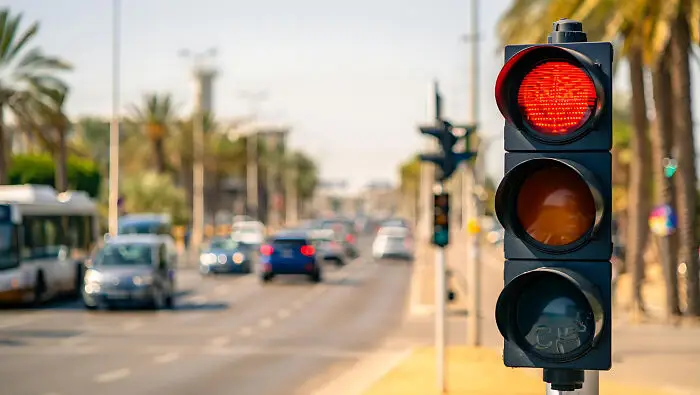
A red traffic light on a city street illustrating emergency tips for road safety.
Wait a couple seconds after a light turns green at a 4 way intersection,
Someone always seems to run it after it just turns red, waiting a couple seconds and double checking.

seen too many tragic crashes because someone did not want to stop for the red light.
17points

Preparation can also make it easier to think clearly when something unexpected happens. Learning emergency procedures in advance gives people an opportunity to practice their responses, making it easier to remember practical steps such as checking the surroundings for hazards, calling emergency services, or providing appropriate first aid. However, acting quickly should never mean putting oneself in danger.

Entering an unsafe area without assessing the risks could create another casualty, and sometimes the safest response is to move away from danger and contact trained professionals. First-aid knowledge can also help people provide immediate assistance for severe bleeding, wounds, and breathing difficulties while waiting for medical care, although it is not a substitute for professional treatment.

#7
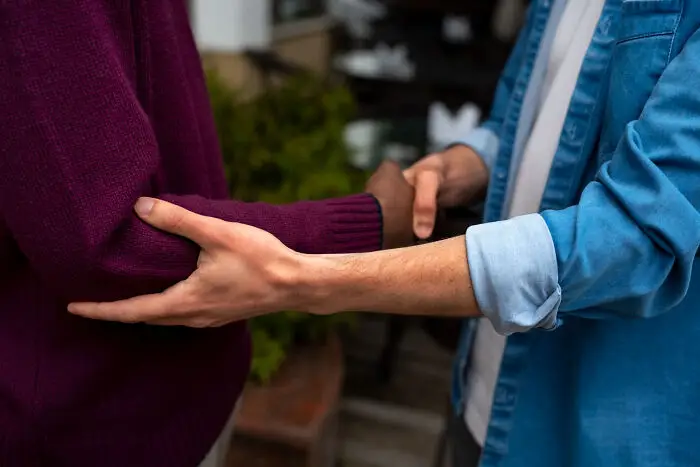
Two people holding hands for support, representing essential mental health emergency tips.
If someone is holding you against your will in public,  just collapse on the ground motionless.
15points

#8

A driver holding the steering wheel inside a car, relevant to vehicle emergency tips.
if you’re driving and end up in a situation with a runaway engine and your brakes aren’t working, shove that thing into neutral. even though the engine keeps on running, the power is disconnected from the wheels, so you just need to focus on steering and coasting to a stop.
15points

#9

Never think you’re too young to be having a stroke.
Report
15points

Everyday safety also depends on recognizing that seemingly insignificant decisions can have serious consequences. Westgard explains that the effort required to make a choice does not necessarily reflect the level of risk involved. Skipping a routine safety check or postponing necessary maintenance might save a few minutes, but it can also remove an important safeguard.

These decisions are particularly easy to overlook when everything appears to be working normally, since there may be no immediate indication that anything is wrong. Understanding why safety precautions exist can help people appreciate their value even when the danger they are designed to prevent seems unlikely.

#10

Young boy playing safely at the water edge, representing child safety and emergency tips.
If you're near a body of water with children, make sure at least one person is assigned to watching them. People think being in a group with plenty of adults will keep kids safe, but all it takes is a split second and a child could drown without anyone realizing.
14points

#11

A espresso portafilter filled with coffee grounds, highlighting safety and emergency tips around the home.
If you throw up coffee grounds, get to an ER. It looks like coffee grounds. It’s internal bleeding
14points

#12

This might sound obvious, but put your phone down when you’re crossing a street, and always be conscious of the idea that there are drivers out there having the worst day of their life.

It usually feels obnoxious to me when I see people blindly crossing a street; completely oblivious to the idea of an unhinged (or hammered) driver crossing paths.
14points

The risks can become greater when several small mistakes accumulate. An overlooked inspection, a delayed repair, and the pressure to finish a task quickly might each seem manageable on their own, but together they can create conditions in which an accident becomes more likely.

People may also become comfortable with shortcuts after taking them repeatedly without experiencing any problems. Since the immediate reward of saving time is obvious while the potential consequences remain uncertain, it is easy to convince oneself that an extra precaution is unnecessary.

Recognizing these patterns can encourage people to take everyday safety measures seriously rather than waiting for something to go wrong before changing their behavior.

#13

Three friends dancing at a club night out, highlighting personal safety and emergency tips.
If you’re in a nightclub and the fire alarm goes off, no one will move & just continue dancing or waiting to get served at the bar etc.

Get yourself out there asap, to the smoking area atleast. 99/100 it’s not real, but when it is it’s horrific.

I’ve not been in a situation like that, but I’ve been a club that burnt down with people inside years later. Can’t help but think that I wouldn’t have actually left and thought it was a false alarm if it happened when I was there.
12points

#14

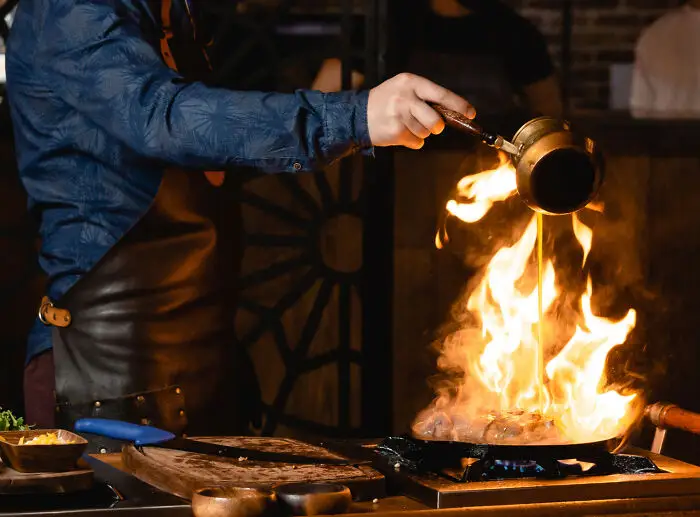
A chef pouring liquid into a flaming pan, illustrating kitchen safety and cooking emergency tips.
Do not throw water on an oil fire in the kitchen. Get a tea towel or cloth,wet it, wring it out, then throw it over the pan.
12points

#15

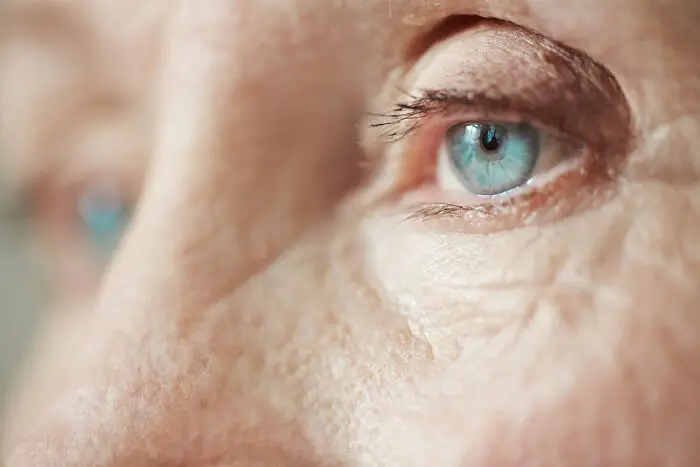
Extreme close-up of a blue eye, representing awareness and emergency tips for vision and head injuries.
Be aware of emergency medicine. Know what a real emergency is.

I recently had a detached retina. I did not know what that was about. But when I reached the ER I was moved to the active treatment zone in minutes.

Typical people should be aware of medical emergencies like pneumothorax, retinal detachment etc.. there are about 20 of them and it is good to know of them.
12points

Preparation is equally important when the challenge involves responding to an emergency that cannot be prevented entirely. CBS News discusses how having a plan in advance can reduce uncertainty by helping people understand where to go, whom to contact, and what to do first.

Familiarity with these steps can make a stressful situation easier to navigate because fewer decisions have to be made under pressure. Preparing with family members or other people who may be involved can also establish a shared understanding of everyone's responsibilities. Although no plan can guarantee that someone will remain calm during a crisis, having practical steps to follow can provide a useful starting point when circumstances become overwhelming.

#16

Fire alarms anywhere, but I worked in a hotel and fire can spread so quickly that every second matters. I don’t care if I look like the crazy one running out the door. I really do not care. That’s what you need to do if you hear a fire alarm in any area of a hotel. I’ve witnessed security walking around trying to find fires, not knowing anything, and they look calm. Don’t trust ANY staff during an alarm GTFO.
Report
12points

#17

Have emergency supplies in your car! I always carry an air pump and jump cables. I also have fuses and a screwdriver. If it’s cold, consider adding in blankets and snacks/water. I have an older car that once broke down on a cold night. Lesson learned.
12points

#18

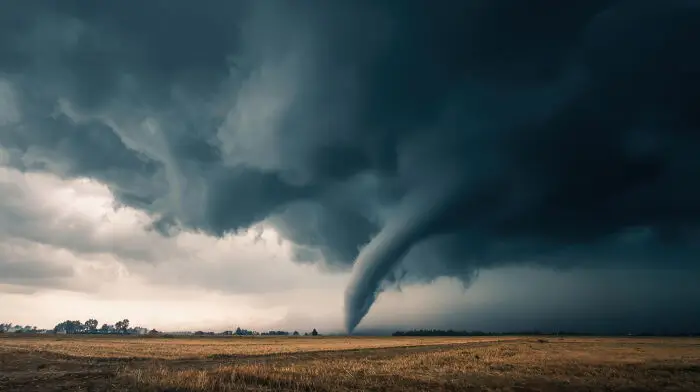
A large tornado touching down in an open field, illustrating severe weather emergency tips.
If you hear the rumble/noise (for lack of better words) of a train when it’s bad weather, and there’s no train or tracks around you, get to the basement or best possible area of your house because there’s a tornado.
11points

Another important part of staying safe is recognizing warning signs instead of automatically assuming that everything will turn out fine. People may overlook concerning developments because they expect everyday life to continue as usual, a tendency known as normalcy bias.

Others might dismiss unusual symptoms or behavioral changes as temporary stress, aging, or a passing phase. Fear, denial, and discomfort about raising sensitive concerns can also prevent people from taking action.

The difficulty is that early warning signs are not always obvious, and symptoms such as fatigue, irritability, sleep disturbances, or reduced functioning can have several possible explanations. Nevertheless, paying attention to significant or persistent changes can help people recognize when further investigation or professional assistance may be necessary.

#19

A man standing in a calm pose, illustrating self-control and personal emergency tips.
Know how to perform a self Heimlich maneuver on yourself in case you are ever alone and choking on food.
11points

#20

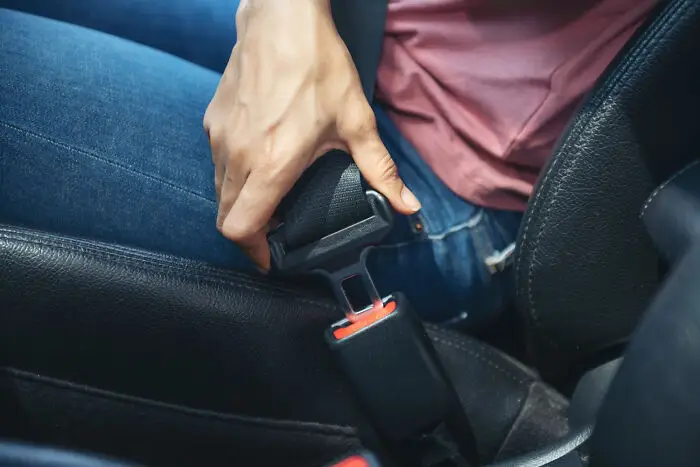
A driver fastening a seatbelt securely as part of essential emergency tips for car safety.
If your car ever goes into the water, unbuckle your belt first and then roll the windows down!!
11points
33
0