




Despite the fact that really anyone would agree that first aid is a valuable skill, the reality is that less than half of the population has any experience with it. While a list of facts from the internet is hardly a replacement, it can still be a good idea to at least cover some simple ideas that could actually help someone in need.
We’ve gathered some examples of tips, tricks and just facts that could be life-saving in the right circumstances. So get comfortable as you scroll through, upvote your favorite examples and be sure to share your own stories and ideas in the comment section below.
#21
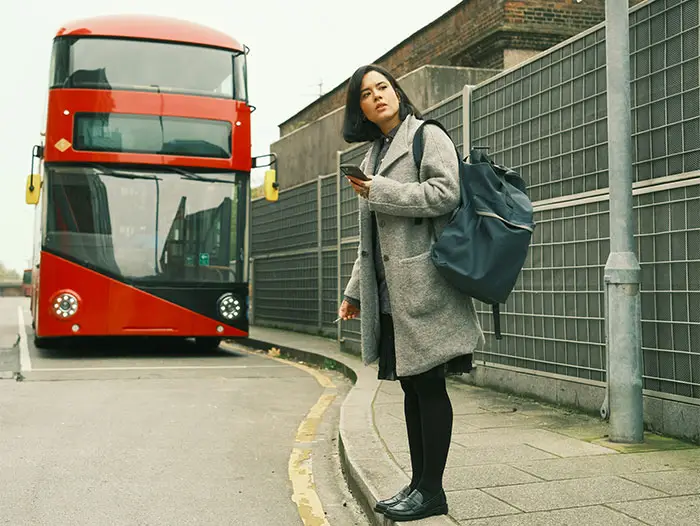
I was once running to catch a bus in downtown Minneapolis. I came to the curb just as my light turned red, and in my haste I assumed I could safely run across the street. I stepped into the street and I heard a guy behind me gasp loudly and say almost in a moan, “Oh no!!”. This snapped something in me and I jumped back onto the curb just as a big bus roared by.
8points
#22
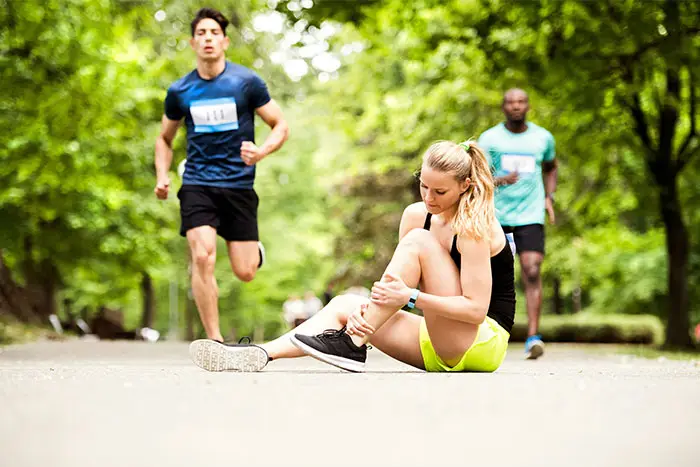
Sprains and Strains
Sprains and strains are very common injuries of muscles, ligaments and tendons
How do I treat sprains and strains?
For a mild sprain or strain:
1. Rest the limb to give it a chance to heal.
2. Hold ice on the area for 20 minutes at a time, four to eight times a day, to bring down swelling. Don’t use heat -- it could make the area swell even more.
3. Wrap an elastic bandage or splint around the sprain or strain.
4. Put a pillow under the injured body to keep it raised
5. Take over-the-counter medicines such as ibuprofen to relieve the pain.
For a more severe sprain or strain, where there’s a lot of pain, swelling, and you have trouble moving around, see the doctor.
Apart from this, prepare yourself for an emergency by
1. Keep a fully stocked first-aid kit in your home and car.
2. Have up-to-date copies of each person’s medical history in your home and car.
3. Past an emergency contact sheet next to each phone in the house.
This is an emergency Contact Sheet format:
FOR AN EMERGENCY: DIAL 100
Police:
Fire:
Hospital name: Phone:
Doctor’s name: Phone:
Dentist’s name: Phone:
Pharmacy name: Phone:
Health insurance plan:
Emergency Contact of a family member
7points
#23
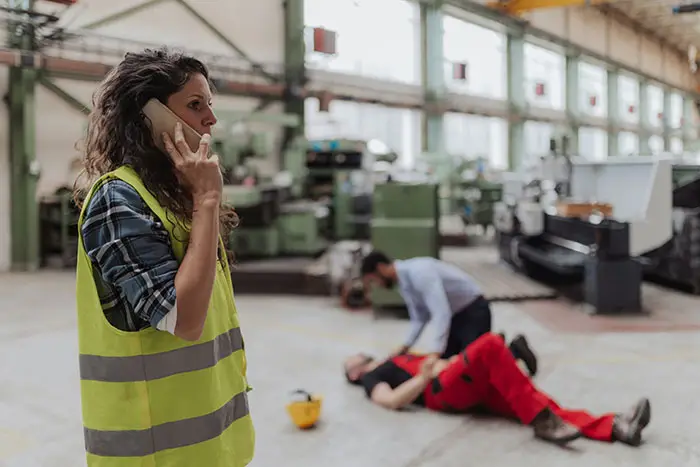
There are a few basics:
1. Know how to reach emergency services and know where you are. In the US it is 911 but if you travel it will be different. Stop taking video and call 911. Follow the instructions of the dispatcher and don’t hang up until the dispatcher does. The dispatcher can talk you through hands only CPR and some other basic treatments.
2. Remain calm, you lose the ability to think rationally when you are panicked. You can have your breakdown later if needed.
3. Know when to help and know when to leave.Sometimes it is better to call 911 than try and do it your self. When in doubt call for help. That is why they are there. It is easier to put out a kitchen fire than the whole house because the homeowner tried to put it out themselves.
4. Take a CPR and First Aid course. There are many places to find one. the local fire department, Red Cross, hospital, your parks and rec department or local school or community college.
5. Know where your closest AED, first aid kit and fire extinguisher are and how to use them. Make sure they are in date and well stocked. The acronym for using a fire extinguisher is PASS - Point, Aim, Squeeze and Sweep. Make sure it is the right type for the fire you are trying to put out.
6. Always know an alternate way out of where ever you are. The closest exit may be blocked or dangerous.
7. Have an emergency plan and practice it, especially if you have kids. Make it a game and make sure they know to never go back in the house after a toy or pet. Set up a safe meeting place.
8. Make sure you have working smoke and carbon monoxide detectors and you change the batteries when needed. Depending on the model at least once a year. So new smoke detectors have 10 year batteries. Replace your smoke detectors every 10 years.
If I think of any more I’ll add them later.
7points
#24
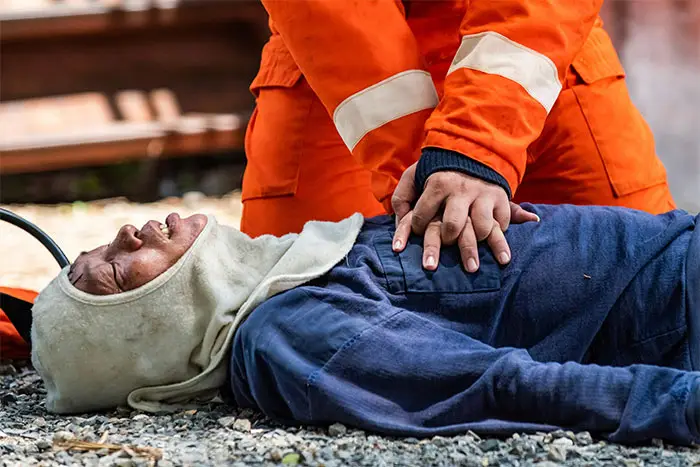
Whenever thinking about providing any first aid remember thsi algorhym
1. make sure it is safe for you to engage (also make sure throughout your effots in helping never do anything unsafe for you.
2. Try to ascertain what the problem is
3. Knowing what the problem is will let you decide what you need ie:first aid kit, 911 or an AED
4. If a person in step 2 is unresponsive check to see if they ae breathing for 5–10 seconds
5. If not breating immediately begin chect compressions.
7points
#25
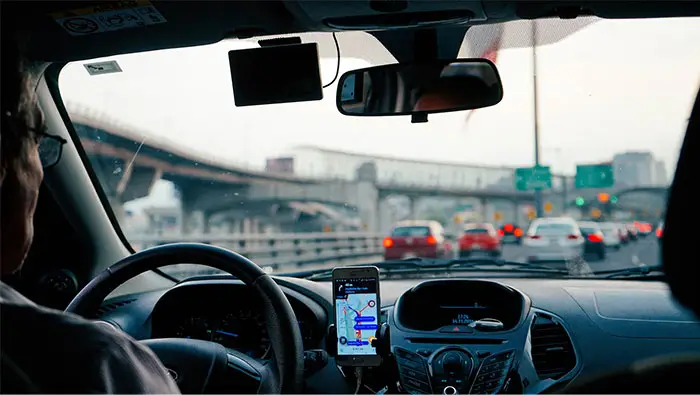
If the driver of the taxi you have hailed is behaving suspiciously, this little trick may just save your life.
Make a call or pretend to make a call to someone, anyone (doesn't matter).
In the course of the conversation, enunciate the digits of the taxi numberplate (could just be the last 4...as long as the driver hears those digits)
The cabby has no clue what the purpose behind the call is; all he knows is that his taxi is now identifiable by a contact of the passenger. Odds are he won't try any stunts on that ride.
7points
#26

Do this when you find an ATM card…
Call the toll free number and give your contact details.
The bank will call the card holder through the ATM card number provided by you and will redirect to contact you.
Later the card holder can come and collect it.
Many don't know what to do with it when found. Same happened with us but after few minutes my friend User-10785306998583678879 called the number and the owner contacted us and took it back.
Sure it was life saver. How?
The guy when came to collect the card told that he admitted his mother in hospital yesterday.
While going he lost his ATM and couldn't find anywhere in the dark.
It made his day as he was badly in need of money
So please do care to call the toll free number.
7points
#27

Life saving hack
Please Please do not get down from bus or train until aand unless it has completely stopped.
Few days before I got down a moving bus although I was safe , just few bruises but then I realised that any mishappening could have occured because my small mistake.
This seems to be very basic but it can save your life .
7points
#28

Stop. Think. Act. You almost always have more time than you think you do because your brain is going a zillion miles per hour. Take the time and figure out what the real danger is, prioritize your response, that roll into action.
7points
#29
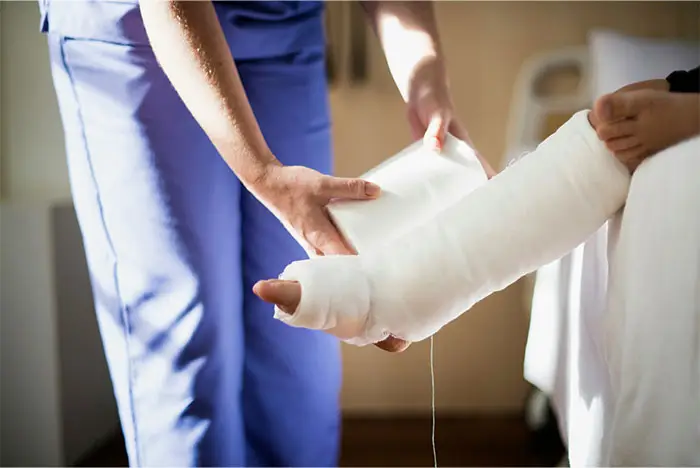
Mine probably isn’t as extreme as others but here goes… when I was in 7th grade, I was going through I really rough time. I was in a ton of pain due to a condition called CRPS (which is rated higher than childbirth without pain medication, cancer pain, and amputation without anesthetic on The McGill Pain Index), losing friends, and losing my ability to walk. I didn’t want to live. It was too much pain and too much trouble. I begged doctors to amputate my leg, because at least then there would be an end to the pain. They said no. I tried to find hope again, but it was hard, and we were fighting with insurance. A simple word that has saved me so many times on so many days is “Hi”. Other notable mentions include: just a smile, compliments, and “I believe you”. It turns out that all I really needed was to feel like I mattered.
7points
#30
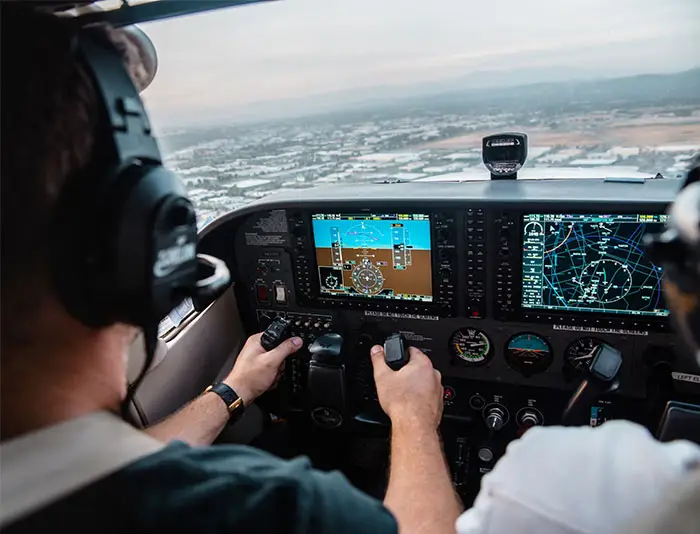
While learning how to pilot, just after soloing, I was sent out (solo) to practice recovery from stalls and turning stalls in our local practice area. I'm not sure about these days, but back then (~1982) they didn't teach spin recovery to private pilots. They had taken up the attitude of a properly trained pilot won't ever get into a spin.
I had read an article in some flying magazine just prior to this flight and it outlined how the FAA had been talked into stopping the requirement for instruction on spin recovery, because too many potential pilots found that "maneuver" too intimidating/scary and quit the training. I'm not sure if the FAA gave in because of what Cessna did or not, but apparently the Cessna 150 (typical training aircraft at the time) was designed to automatically get out of a spin, IF you let go of all the controls. And that is totally not logical. But I remembered that, thank goodness.
So while (badly) practicing a turning stall, I indeed fell into a spin. I remember yelling at myself, almost as if I was the instructor, to let go of everything, and I obeyed myself!
What happens then is the plane automatically goes into a steep dive instead (due to the plane’s aerodynamic design) , and that, I could pull out of on my own and obviously did so, or I wouldn't be writing this!
I went back to home base, shaking like a leaf, and told my instructor, and he decided, rightly so, that we should go do spin recoveries on our next lesson. Which we did, and they are bit scary, in my humble opinion!
7points
#31
I was walking back to work from my lunch break near Chinatown in San Fransisco. Walk sign was on and I was mid-way through the intersection. Approaching the red light was a two-decker, open top tourist bus with plans to turn right. It was in motion and didn’t fully stop. I barely registered it as I was almost to the safety of the sidewalk. I heard someone scream but I didn’t look, I immediately took a very big hop-step forward and felt the heat of the bus brush past my neck.
Then more yelling as pedestrians around me scolded the bus driver for almost hitting me. But I was too in shock to do anything more than keep walking.
The scream definitely alerted me that something was wrong and I’m grateful my response was to step forward and not stop and see what the scream was about. I didn’t have time for that.
Not sure I would have been hit hard enough to be in mortal danger but it would have hurt.
Report
7points
#32
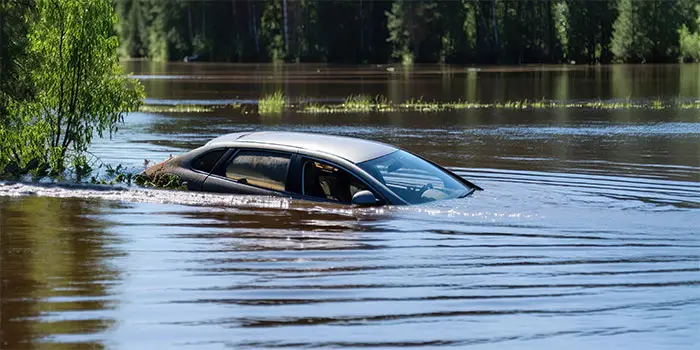
1. Escape a sinking car.
If a car accident involves the car falling into a lake or pond, then the people inside obviously need to escape. What people usually do is try to open the door of the car under water which is nearly impossible due to water pressure. One should instead hit the car windows hard with either the metal seatbelt buckle or a knife. This allows one to escape and float to the surface.
2. Escape being tied up.
If someone’s kidnapped and tied up, this trick can prove to be life-saving. This is a simple trick that magicians use to escape being tied and complete the magic tricks. All you need to do is clench your fist tightly to expand the muscles of your wrist so when you’re being tied up this will make your hands larger and the rope will be less tighter around the hands after you relax them.
And that’s how you can make your Great Escape!
3. Make a weapon out of keys.
If you’re walking alone at night and have a threat of getting attacked or being robbed of, then fear not because you have your own secret weapon. Just hold your keys between your fingers and make a brass knuckle out of them.
And voila, your weapon’s ready!
4. Cut things with cigarette.
Imagine if you’re stranded in the woods and need to cut kindling for fire or maybe attack someone in case of danger. Here’s an awesome self-defense tool made out of cigarette!
All you need to do is take a cigarette and light the filter and let it burn for a second or two. Then lick your fingers to wet them and press the filter down to make a flat aim for the cigarette. This will make it razor sharp and you can cut almost everything.
So next time you want to smoke, think of something better!
And there you go, what feels life-threatening to many is now an adventure for you!!
6points
#33
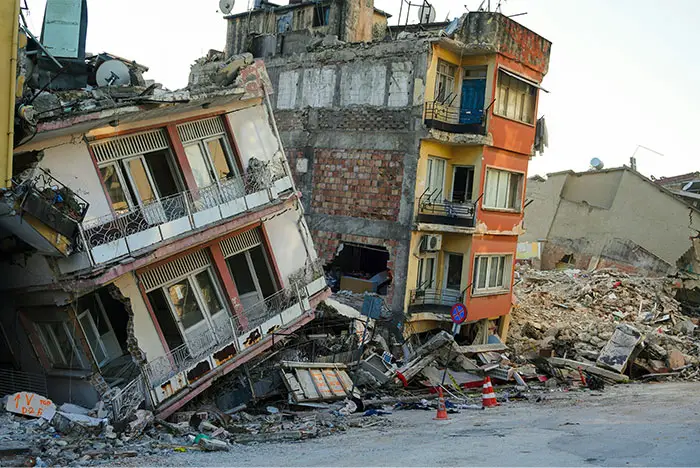
During an Earthquake
Get under a sturdy table or other piece of furniture. If there isn’t a table or desk near you, cover your face and head with your arms and crouch in an inside corner of the building.
If outdoors, Stay away from buildings, street lights, and utility wires.
If in a vehicle, stop as quickly as possible and stay in the vehicle.
During a Stampede
Keep your hands up by your chest, like a boxer – it gives you movement and protects your chest.
If you fall and cannot get up, keep moving by crawling in the same direction of the crowd, or if that is not possible, then cover your head with your arms and curl up into the fetal position (do not lay on your stomach or back, as this dangerously exposes your lungs).
During a Flood
If you get caught in flood then, your body direction should be in parallel with flow legs in the direction of water flow.
Use head as a rudder to steer your direction & legs to kick the obstacles which came across to clear the path.
Sticking out to any floating objects keeps yourself away from drowning & chance of looking out for help.
During a wildfire
Stay low to the ground. Cover your nose and mouth with a wet cloth, and hold it there until you get to safer grounds.
Look for nearby areas that are free of trees and brush. Places which have already burned are sometimes the safest place to go, if you do not have any other options. However, you should ensure that the area is completely extinguished before proceeding, as lingering fires could cause burns and breathing problems.
During a plane crash
Choose to sit in the tail of the aircraft. Keep your seat belt on at all times.
Read the safety card and listen to the pre-flight safety speech before take off.
During Emergency, Put your oxygen mask on before assisting others. Brace yourself against the seat in front of you. If you don’t have a seat close in front of you, bend forward and put your chest on your thighs and your head between your knees. Cross your wrists in front of your lower calves, and grab your ankles.
In the case of a crash in water, put on your life jacket but do not inflate it.
Stay low as you escape, to duck under the level of smoke. Get out of the airplane as quickly as possible through nearby exit.
While crossing a road in the dark
Unlock your mobile screen & wave it while crossing the roads in dark, as the vehicle drivers may not see you if you cross without it which might lead to accidents too.
Spread the word. Save lives ! :)
6points
#34
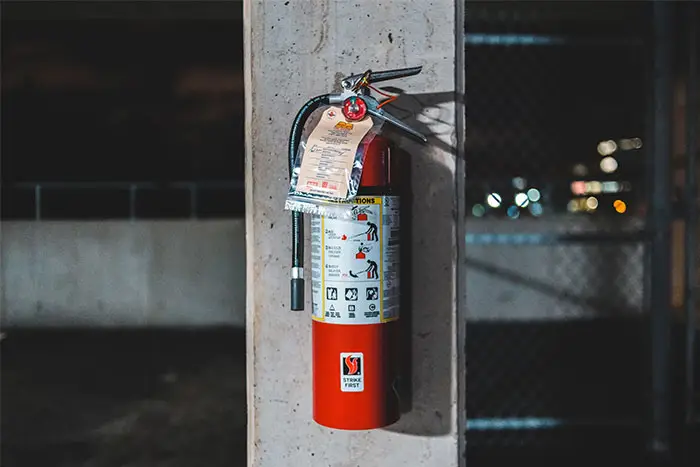
You know what i can bet 7/10 don't know how to use fire extinguisher.
There fire extinguisher placed in public places but it is of no use if you don't know how to use it. It is really simple and it will just take 5 minutes to learn. Learn how to use it. It may save your life. I am providing step by step guide here.
You will just have to follow P. A. S. S rule
1. Pull the safety pin
Every fire extinguisher has a pin inserted into the handle that prevents the fire extinguisher from being discharged by accident. Grab the ring and pull the pin out from the side of the handle.
Now that the extinguisher is ready to discharge, hold the device so the nozzle is pointed away from you.
2. Aim the hose at the base of the fire.Hold the lower handle lever (the carrying handle) with one hand and grab the hose or nozzle with the other hand. Point the hose directly at the base of the fire, because you have to put out the fuel that’s burning. Do not aim the hose at the flames.
With carbon dioxide extinguishers, keep your hands away from the plastic discharge horn, which gets extremely cold.
3.Squeeze the lever. To release the extinguishing agent, squeeze the two levers together with one hand while you aim the hose at the base of the fire with the other. Apply slow and even pressure when you squeeze the levers.
To stop discharging the extinguisher, release the levers.
4.Sweep the hose from side to side. To extinguish all the fuel, slowly sweep the hose back and forth over the base of the fire as you discharge the extinguisher. Move closer to the fire as the flames die down.
Continue discharging until the fire goes out
6points
#35
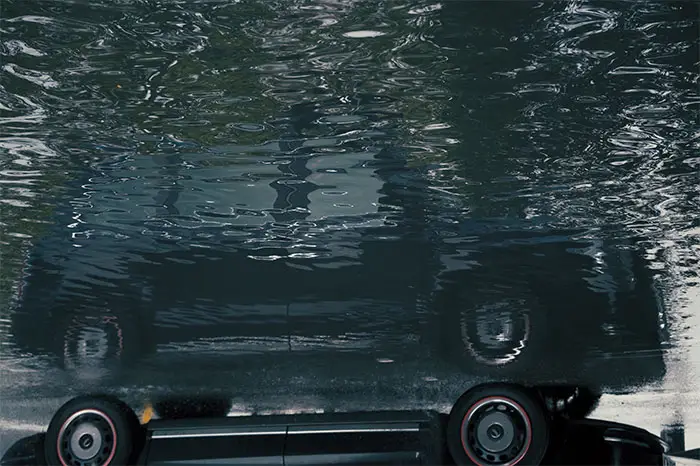
If you're in a car that ends up in a river or lake and is sinking rapidly, don't waste your energy and panic trying to get the windows and doors open (you won't be able to.) Stay calm and wait for your car to hit the lake/riverbed. When it fills up with water, the doors should pop open with ease due to the pressure equalising and you can make your escape. You're much more likely to drown by panicking and thrashing around trying to break put.
6points
#36
I was in the hospital, receiving an infusion of potassium through a peripherally inserted central catheter (PICC) line.
The phlebotomist came by for my morning lab work … at about 5:40 in the morning.
At about 6:10, the light came on. The resident came in. The charge nurse came in.
“What’s going on?” I asked.
“You’re hyperkalemic [you’re potassium is too high].”
“10 units of IV regular insulin and 50 gms of glucose [50% solution] NOW! How high is it?”
“7.5”
They had drawn it from above where the potassium was infusing.
I remembered the treatment from 20+ years earlier, during my cardiac anesthesia fellowship.
Report
6points
#37
This person wasn’t trying to save my life, but I think she did. It was in a school PE class. We had a trampoline - I wasn’t on it, but was one of the people ‘standing in’ as we called it, round the sides - one person at each short end, and two on the long sides. The person on the trampoline was a male sports teacher. Another teacher came up to us, and told me to take a message to somebody or other. There was a wall behind me, so I had to duck under the trampoline to get to her, and as I straightened up, the teacher on the trampoline landed awkwardly - perhaps on the springs or the edge - and the whole trampoline jerked across the floor and crashed into the wall where I had been standing, leaving a big hole in the wall. I’m sure if I had still been standing there, it would have gone right through my ribs - I can’t believe I would have survived that.
Report
6points
#38
The knowledge to distinguish between a poisonous and a non poisonous snake can be a critical life saving hack.
Snakes are found throughout the world except in Antarctica, Iceland, Ireland, Greenland and New Zealand. Most snakes are found in tropical regions. Snakes are found in many habitats including in the water, forests, deserts and grasslands.
Differentiating between venomous and non-venomous snakes: There are about 2,900 species of snakes. Of these, 375 are venomous. Given below are some useful tips to identify whether a snake is poisonous or not.
Look at the head: Most venomous snakes have triangular shaped heads, though not all. This is a good rule of thumb, but it does have exceptions. Due to the venom gland, the head of a venomous snake is shaped triangularly. Sometimes it can take a diamond-like form. The head of a non-venomous snake, on the other hand, has a rounded shape. However, some non-venomous snakes, mainly water snakes, when they become aggressive, spread their body in order to look more threatening to an enemy or a prey, and their head starts to look triangular because their jaws protrude outward.
See the eyes: The eyes of a venomous snake look like cat’s eyes, with pupils like vertical slits. Non-venomous snakes, on the other hand, have circular eyes, somewhat similar to human eyes. Eyes, however, cannot always be a full-proof telltale sign of a venomous/ non-venomous snake. In the summer season, in the United States, most venomous snakes become nocturnal, and their eyes change to the nocturnal variation. That is, they look like circular eyes because pupils need to be adjusted by the visual system of a snake in order to see things properly.
Watch for the tail: The tail of non- venomous snakes has a double row of scales on the end of the tail (from the anus to the very end.) There is a visible line that separates the two rows. Venomous snakes, on the other hand, have a single row of scales on the end of the tail. If you do not see the line separating two rows of scales, this is a telltale sign that a snake is poisonous.
The heat sensors: Venomous snakes have heat sensing pits that work like a heat detector to identify the whereabouts of a prey. Heat sensing tips are situated between the eye and the nostril of the snake. Some non-venomous snakes also have a heat sensing pit, but most do not.
Hope this information helps. Visit snake parks or see images of snakes to relate with it. But please remember, it is always advisable to seek expert advise before venturing into a place where you are likely to encounter snakes. Take all necessary precautions. Thank you!
Report
6points
#39
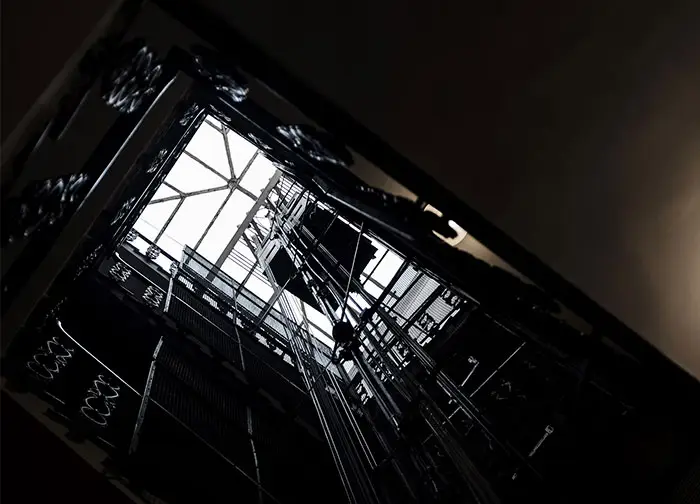
You are in a lift on the 19th floor of a building. Suddenly the lift cable snaps or becomes disconnected. You are about to die. The lift is going to fall straight down its shaft at high speeds. In a few seconds, the lift will be demolished. You are at a high risk of death. You have maybe a 1% chance of surviving.
Cable operated lift is connected with several cables except hydraulic lift. If the main cable in the cable operated lift is disconnected or snapped, simultaneously remaining supporting cables are disabled because these can not carry the sufficient weight of the lift. As a result, the lift will fall down quickly. On the other hand, there is a central hydraulic pillar in the hydraulic lift which maintains the balance of lift box. If the hydraulic pillar is ineffective, then supporting chains which is connected with the hydraulic lift help to save the lift from fall down quickly. Surprisingly, these chains only reduce the falling speed of lift somewhat but these does not carry the lift for long time.
Basically, generator or cable failure may result in a lift malfunction. One group of researchers at the MIT center for Biomedical Engineering suggest that, at this situation don't panic and jump. Try to be calm and quiet. When we stand up, the whole weight of our body are carried on our feet. So, if the lift had been fallen down from 19th floor to ground floor due to cable malfunction, your legs will be fractured or highly injured or other severe injured may occur. You may die. So, the best solution of save your life is to lie in the center on the lift floor as early as possible. Stretch your hand and leg wide as much as you can. The body position should be flat on the floor. Your whole weight of body will be shared by different parts of your body. The pressure will be passed through different organs of the body equally. But remember one thing, you must lie flat on your back on the floor and if it is possible, cover your face and head by something for getting rid of injury. If there are more people in the lift and shortage of space, at least it is better to sit down altogether. As a result, you will have maximum chance to survive despite some injuries. So, when the lift is landed due to cable disconnected on ground floor with high speed, at least this useful trick will save your life.
5points
#40

By chance you happen to walk along in an area with dense vegetation,where poisonous insects live, apply odomos over the skin exposed.No insec tcan stand the smell of odomos.
If a bee hive is disturbed accidentally and bees start swarming all over , pull up your shirt and cover your face fully with cloth(shirt).The bee cannot sting through cloth. At least to save face which has vital organs,eyes,mouth,nose and ears,face must be completely covered with cloth.When you go trekking in wild forest area, you can take a shawl.After covering,just sit instead of standing so as to enclose your entire volume under cloth cover.This way you can save yourself from bee sting.
If a bee hive is disturbed accidentally and bees start swarming all over , pull up your shirt and cover your face fully with cloth(shirt).The bee cannot sting through cloth. At least to save face which has vital organs,eyes,mouth,nose and ears,face must be completely covered with cloth.When you go trekking in wild forest area, you can take a shawl.After covering,just sit instead of standing so as to enclose your entire volume under cloth cover.This way you can save yourself from bee sting.
5points