







The Strait of Hormuz is one of the world's most important and contested waterways. A narrow passage separating Iran from the Arabian Peninsula, it connects the Persian Gulf with the Gulf of Oman and the Indian Ocean. At its narrowest point, the strait is only around 33 kilometers wide, yet through this strategic corridor passes approximately one-fifth of the world's oil shipments, making it a place where global energy security, military interests, and regional tensions intersect.
For centuries, the islands and waters of the Persian Gulf have been shaped by competing powers. The region was influenced by Persian empires, Arab kingdoms, and European colonial ambitions. In the early 16th century, Portuguese forces seized control of strategic points in the Gulf, including the island of Hormuz, where they built a fortress and established a trading base before being expelled by a combined Persian and English forces in 1622. Today, these islands remain Iranian territory, but their landscapes still carry traces of centuries of trade, migration, and conflict.
#21 The Village Of Hormuz On Hormuz Island
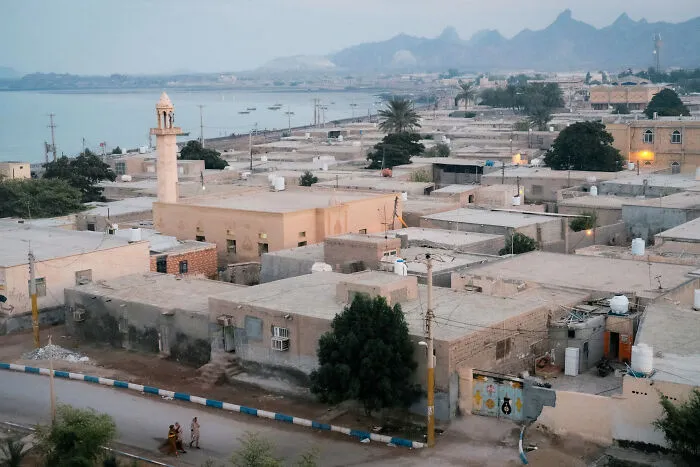
2points
#22 The Village Of Hormuz On Hormuz Island
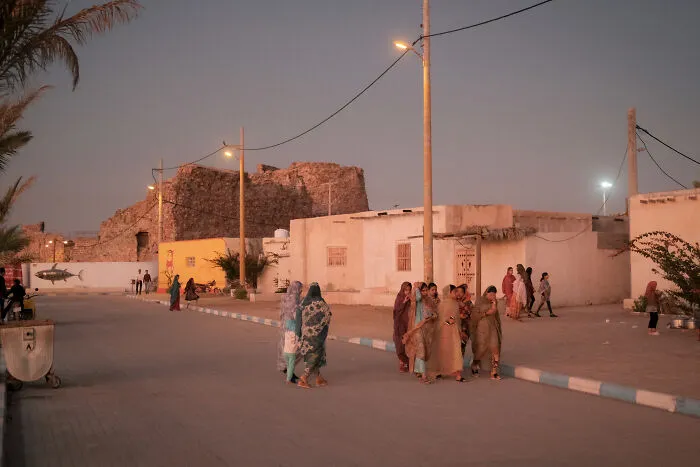
2points
#23 Hormuz Island

2points
#24 A Statue Of Iranian Soldiers Aiming Their Weapons Towards The Strait Of Hormuz. Bandar Abbas
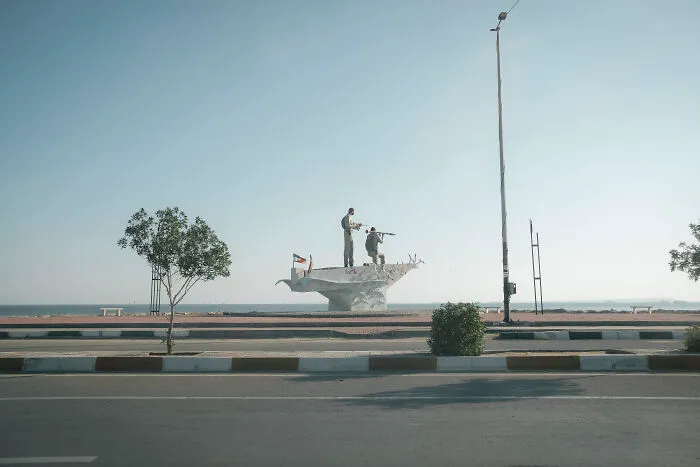
1point
#25 Iranian Traveler Observes The Sunset On Hormuz Island

1point

