




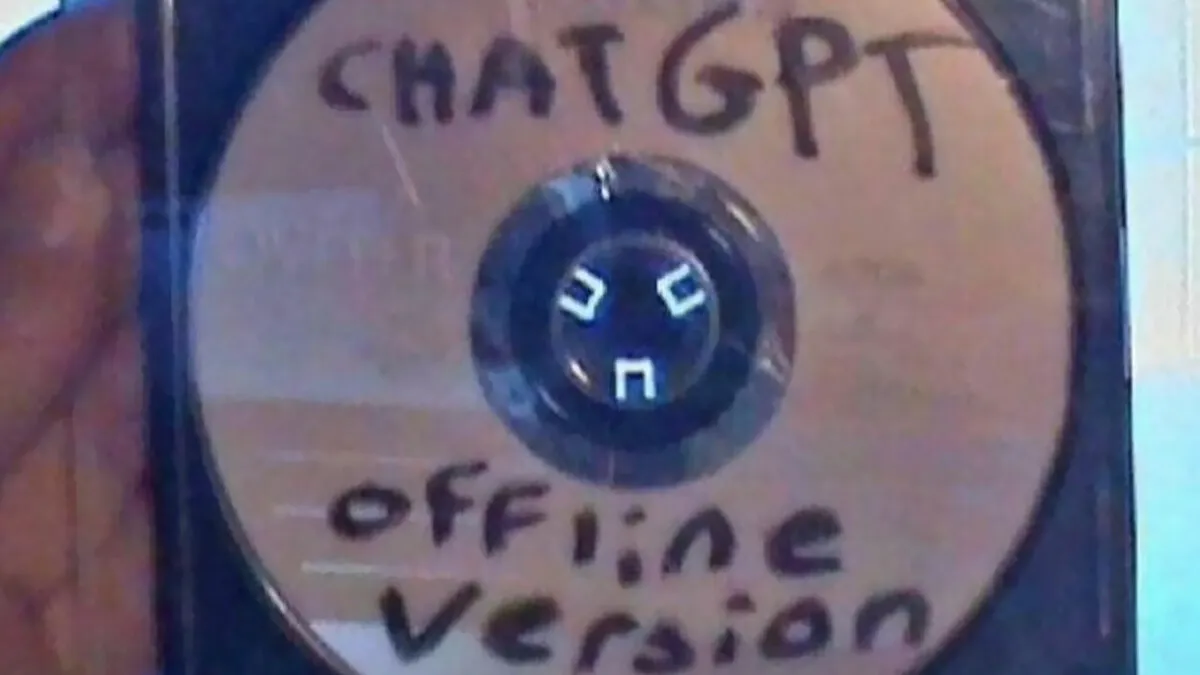




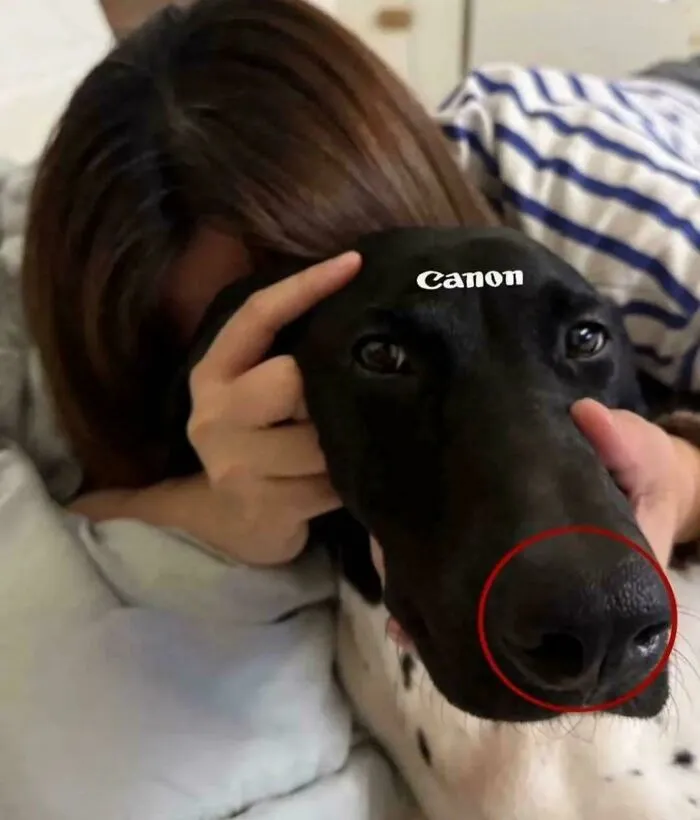

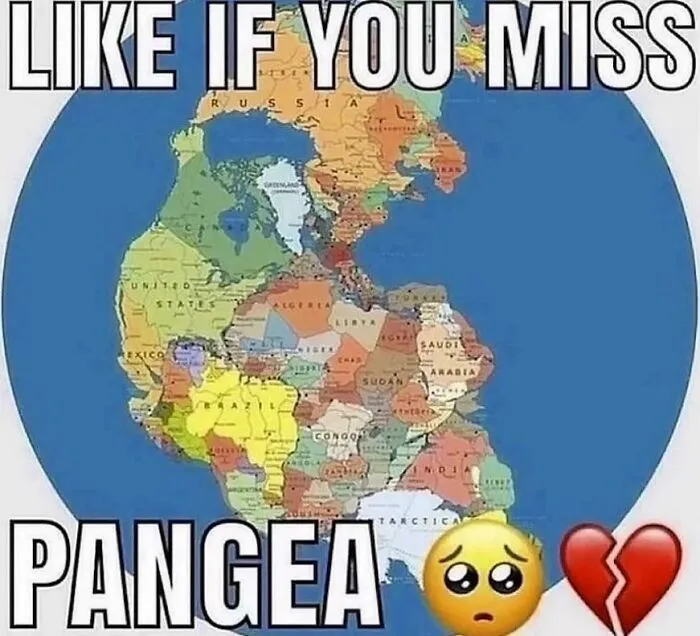
Looking at these images, it's fun to think about how different the internet was back then compared to today. How much our comedy styles have evolved, or how much the very concept of a joke has changed. And funnily enough, back in the day, internet jokes relied on text rather than images.
That's right, it turns out early online humor didn’t have any visual cues at all, and the first "internet lie" can even be traced back, because nothing ever disappears on the internet. Scott Fahlman made it in 1982, after he joked about a mercury spill on a Carnegie Mellon message board. It caused major panic, but then he suggested using ":-)" to signal that a post wasn't serious. Yes, he invented the first emoji.

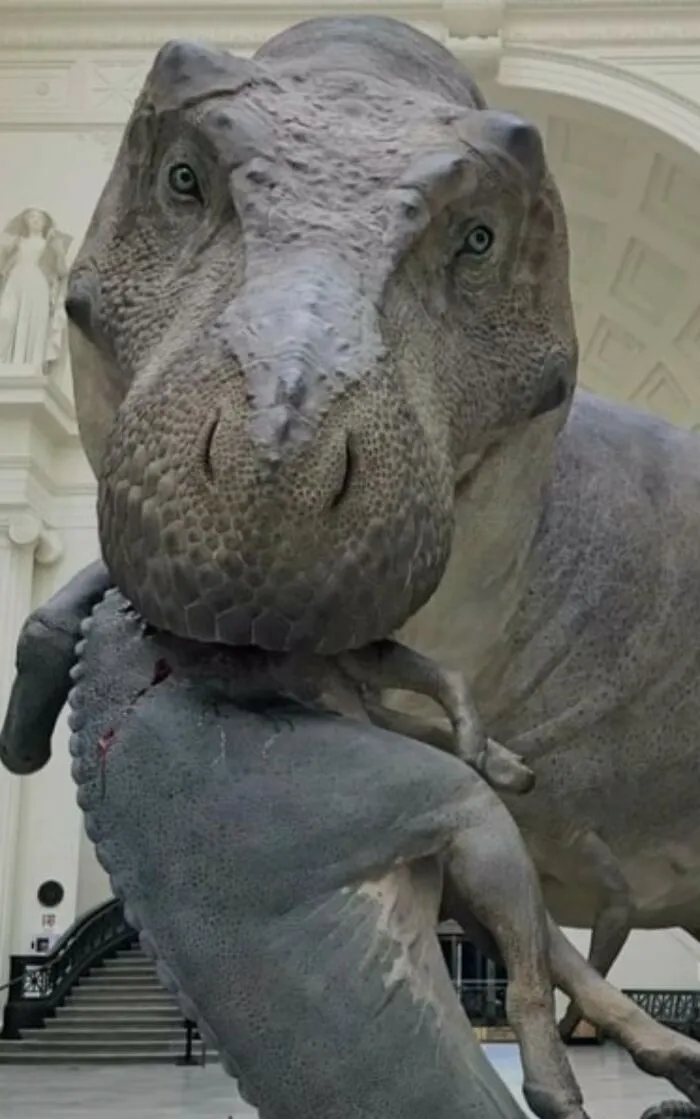
But it took some time for these text-based jokes to become more visual. Media scholar Limor Shifman says this shift happened during the 2000s, as photo-editing software became more accessible. Suddenly, people could easily create and edit images, giving jokes a whole new format beyond just text.
This is part of what scholars call "participatory digital culture," where the fun comes from seeing how convincing a fake image can look before you realize it's a joke. Eventually, this helped pave the way for what we now know as "memes." At the time, though, we didn't really have the internet jargon to describe them yet.

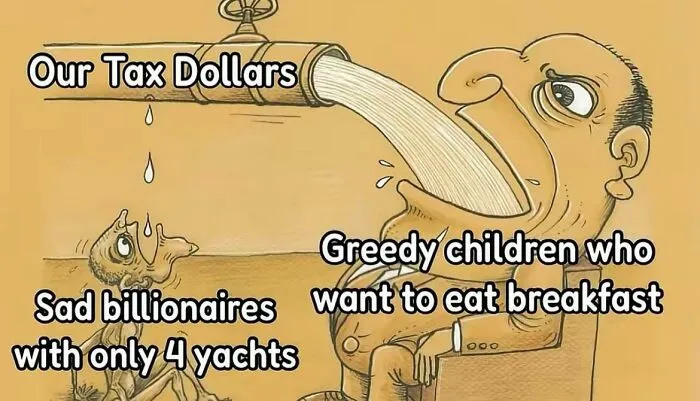
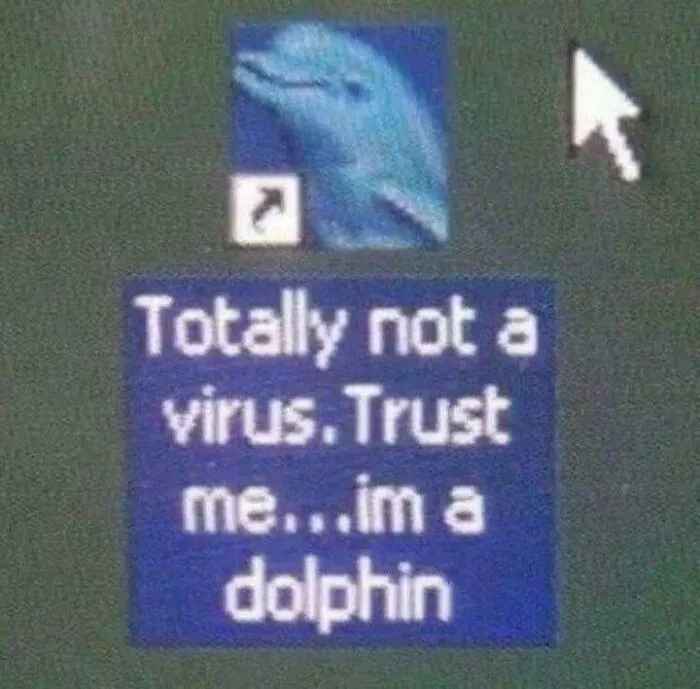
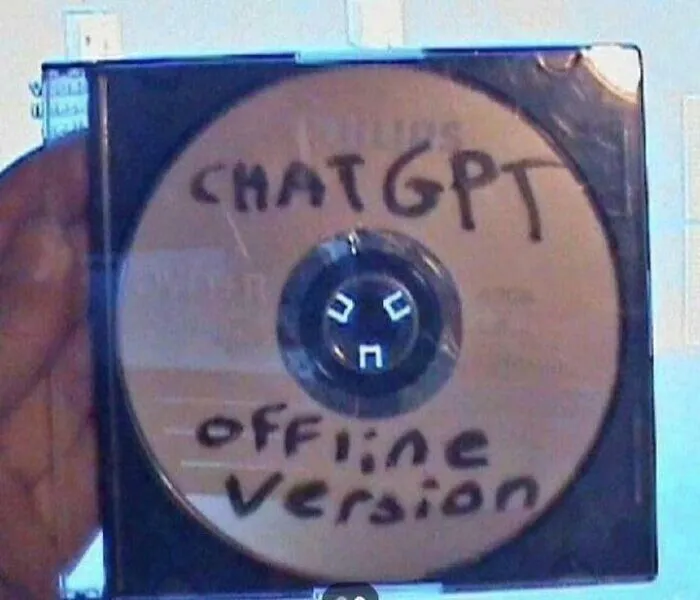
These types of harmless, low-stakes lies have even been found to serve an important psychological purpose. Studies on digital humor during high-stress global events have shown that harmless, silly jokes like these internet lies can serve as a collective form of emotional relief for everyone online.
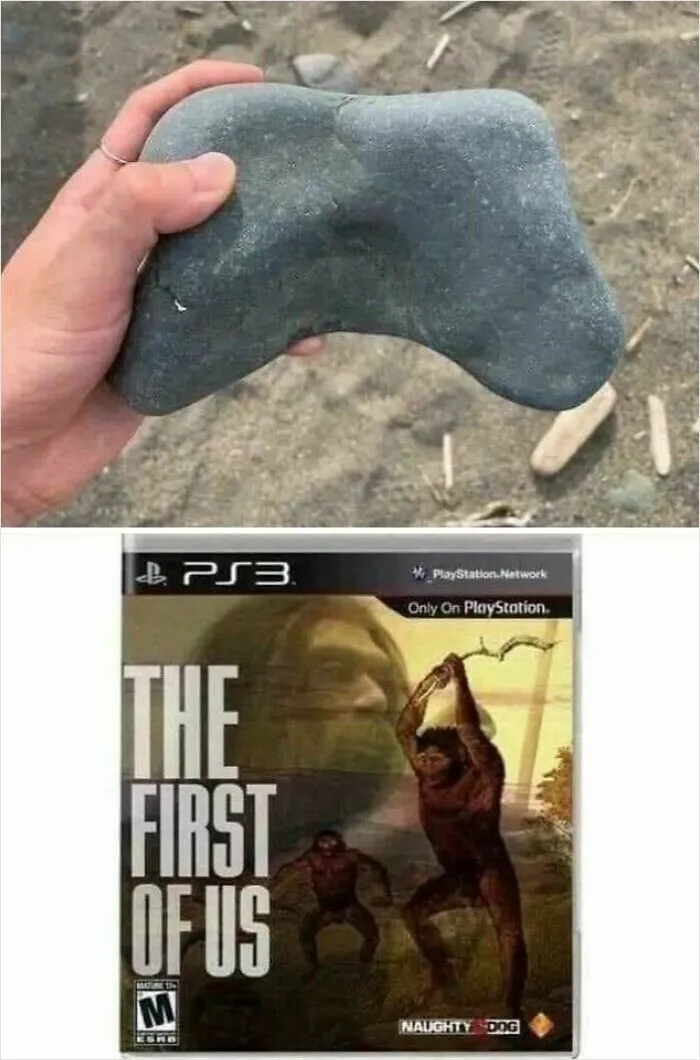
Every single day, we're saturated with stressful real news, malicious disinformation, and downright traumatic events that can affect our lives. So these harmless lies, like saying a game controller uses dog snouts, offer some much-needed escapism and give us a chance to decompress and destress. The deception is harmless, the punchline is gentle, and no one gets hurt.



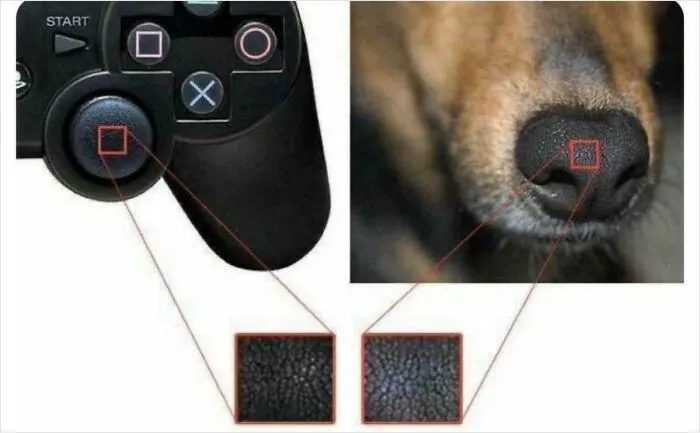
Over time, these jokes have also caught the attention of media scholars. Whitney Phillips, for example, described memes as a form of "modern digital folklore." This is because they're not necessarily meant to deceive people for profit, but instead, they're a way for people to share culture and connect with each other.
This means that, for a second, while you're looking at these jokes, lies, and memes, you're taking in the information, processing it, getting the punchline, and eventually sharing it with other people so they can experience what you did. It's becoming its own subculture.

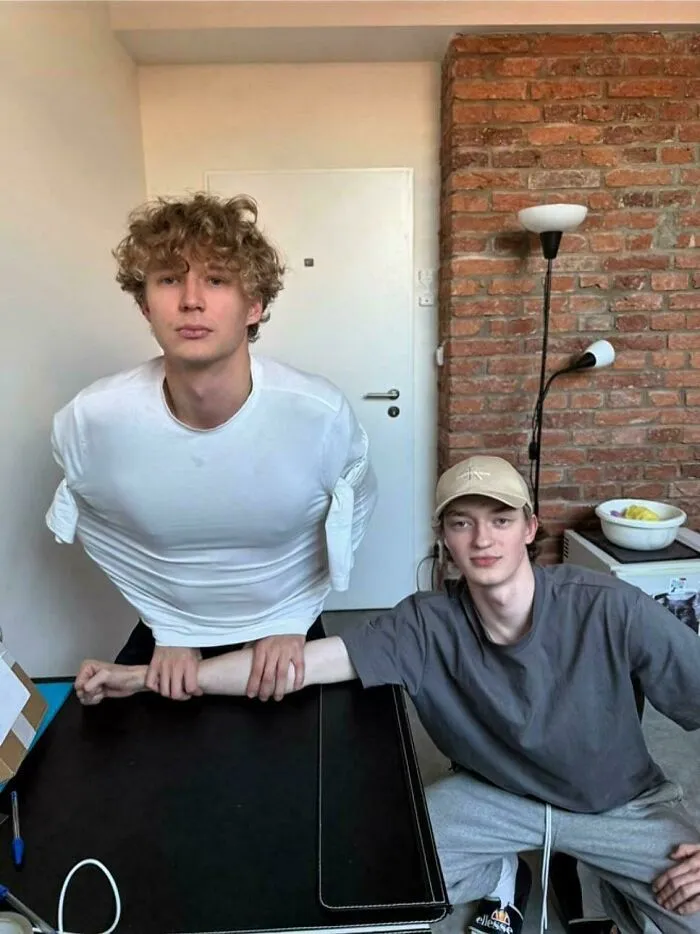
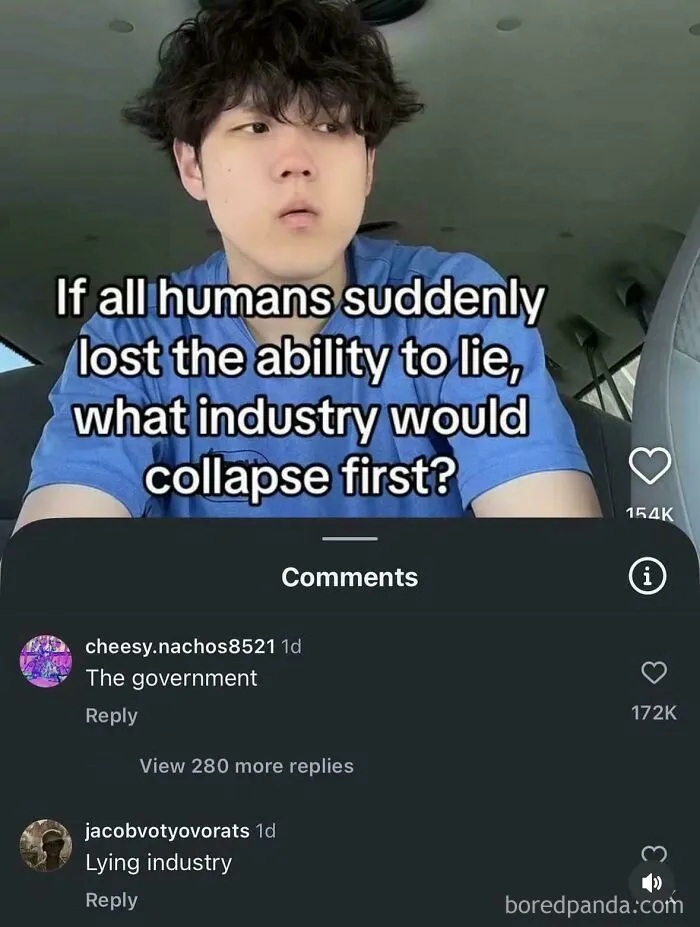
But what started as text jokes and eventually progressed into images is now all about videos. In 2020, we saw a huge surge in short-form platforms like TikTok, Instagram Reels, and YouTube Shorts, and they've completely changed the way online comedy works. While static images are funny and can easily get a giggle out of us, there's money to be made in short-form videos.
Nowadays, TikTok videos actually rely not just on context, text, or imagery, but also on something else: sound. By using audio tracks, like a viral voice line, song clip, or absurd piece of music, people become more invested in the content they're watching. This is actually known as "auditory memetics." It also allows certain jokes to be recontextualized without being restricted by plagiarism.
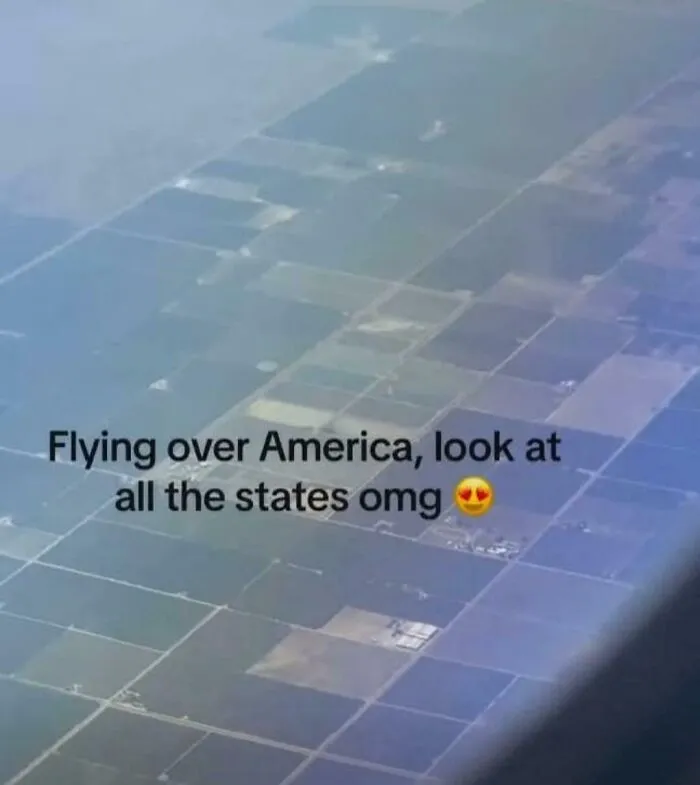

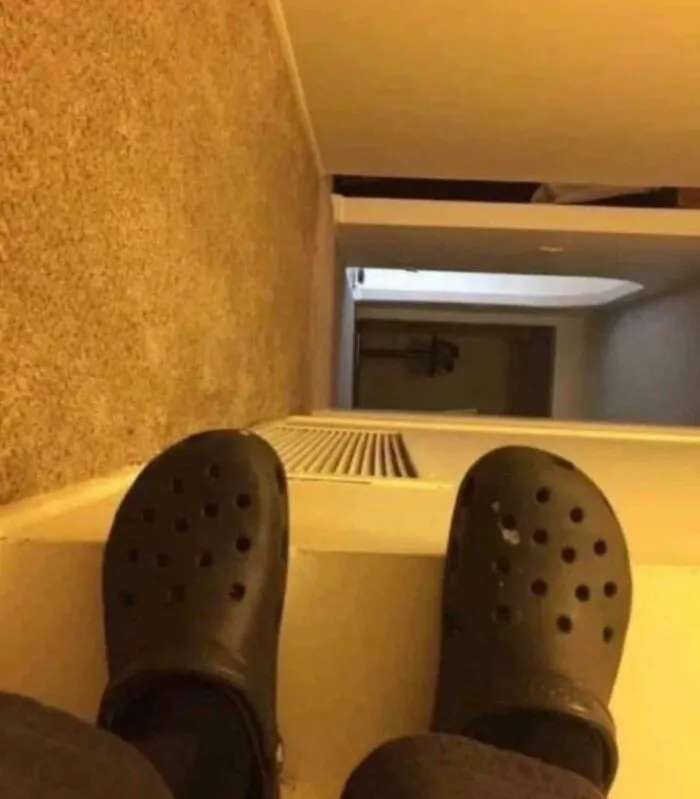
A lot of the comedy is still the same, though, relying on hyper-specific, micro-relatable scenarios rather than traditional "knock-knock" jokes. To absolutely no one's surprise, this is shaping younger generations' humor and comedy in a pretty significant way.
A study by Brainlabs found that 76% of Gen Z users look to TikTok for humor and comedy, rather than relying on comedy films and stand-up sets. In a way, it's reassuring that not every young person considers TikTok a place to gather information, like world news or politics, but it's still quite a huge number.