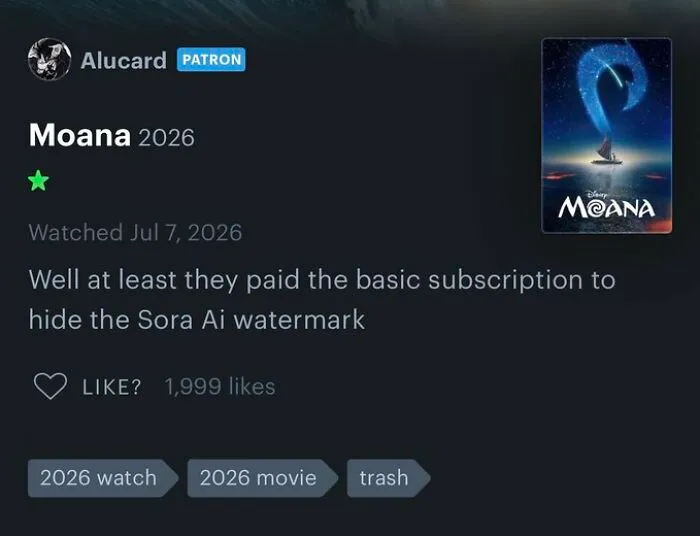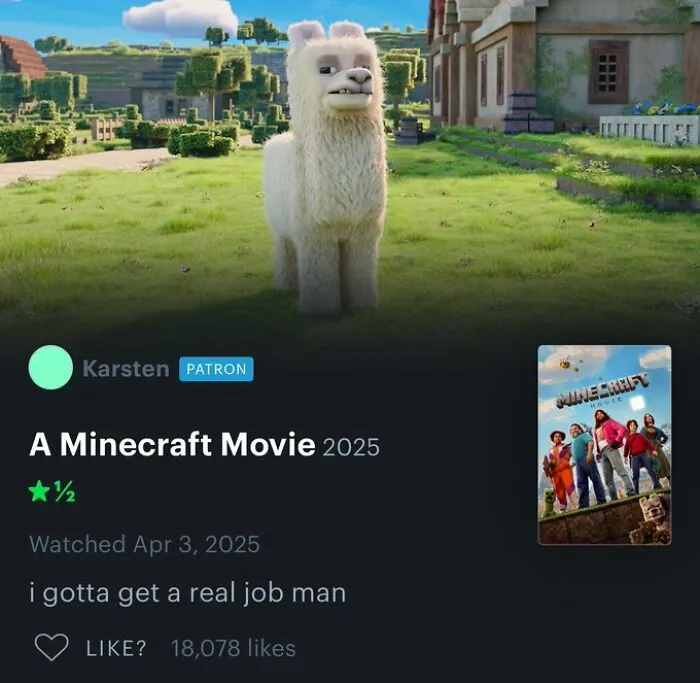





We've all been there—sitting through a film, hoping it gets better, only for the credits to roll and leave you wondering what on earth you just watched. But if there's one silver lining, it's the internet's reaction afterward. Sometimes the reviews are so funny, dramatic, or brutally honest that they're more entertaining than the movie itself.
Whether it's an accidental masterpiece of comedy or a hilariously savage one-liner, people have a remarkable talent for putting their thoughts into words. The truth is, movie reviews come in all shapes and sizes. They vary depending on who's writing them, where they're published, and what they're hope to achieve. Some are designed to help you decide what to watch on a Friday night, while others dig deep into themes, symbolism, and filmmaking techniques.


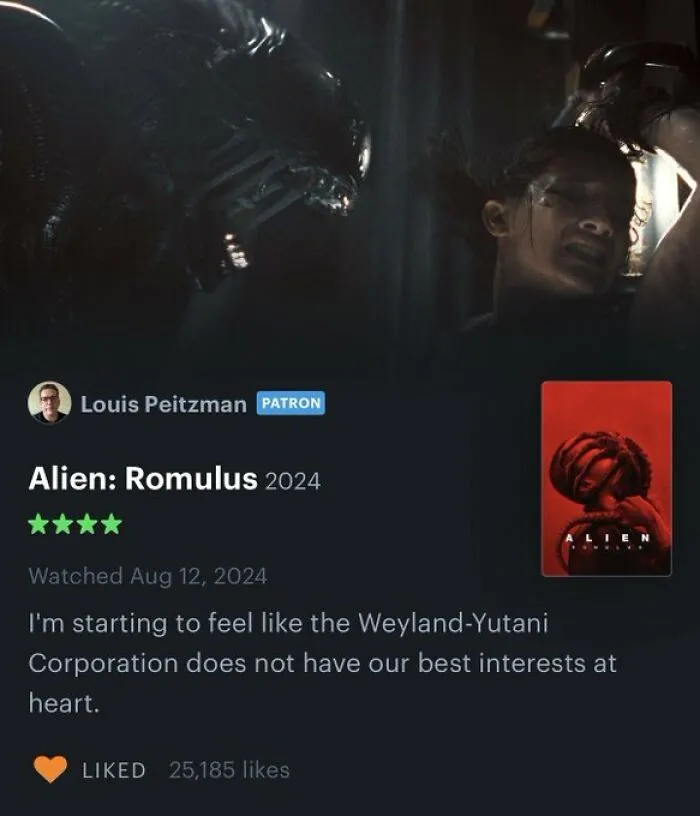
One of the most familiar formats is the capsule review. These are the short reviews you'll often spot in newspapers, magazines, streaming platforms, or entertainment websites. Usually just one or two paragraphs long, they quickly summarize the story, highlight a few strengths and weaknesses, and end with a clear recommendation or star rating. They're ideal for people who don't want spoilers or lengthy analysis—they simply want to know whether a movie is worth their time. Writing one isn't always as easy as it looks, though. Condensing an entire film into just a few sentences while still being informative takes real skill. That's why some of the best capsule reviews manage to say more in 100 words than others do in 1,000.


Professional critics often take a different approach. Publications such as Variety, The Hollywood Reporter, and major newspapers publish what are commonly known as trade reviews. These aren't just personal opinions; they also consider a film's broader impact, commercial appeal, performances, direction, cinematography, and where it fits within the industry. Their reviews are often read by moviegoers, filmmakers, studios, and even award voters. While audiences don't always agree with the critics, these reviews provide a structured, informed perspective that goes beyond simply saying whether a movie was enjoyable. They aim to explain why a film succeeds—or why it falls flat.


Then there are academic film reviews, which take things to an entirely different level. These aren't written for casual viewers but for students, researchers, and people who study cinema professionally. Rather than focusing on entertainment value, they examine symbolism, storytelling techniques, historical context, editing, cinematography, and cultural influence. It's less about asking, "Was this movie good?" and more about exploring what the film is trying to communicate and how it fits into the history of cinema. They can be dense, detailed, and surprisingly fascinating, often revealing layers that the average viewer might never notice. Even a blockbuster superhero movie can become the subject of serious academic discussion.


Of course, not every review is carefully researched. Some of the most popular today are instant reaction reviews—the videos, podcasts, TikToks, or tweets people post immediately after leaving the theater. They're fast, emotional, and completely unfiltered. You can usually tell within seconds whether someone loved the movie or absolutely hated it. Because there's no time to overthink anything, these reactions often feel refreshingly genuine. Sure, opinions may change after a second viewing, but that's part of the fun. They capture that immediate emotional response we all have after watching something memorable, whether it's excitement, disappointment, confusion, or complete disbelief.


And then there's arguably the internet's favorite category: user reviews. Platforms like Letterboxd, IMDb, and Rotten Tomatoes have given everyday movie lovers a place to share whatever is on their minds. Some people write thoughtful essays that rival professional critics, while others somehow manage to steal the spotlight with a single sentence. One review might offer a heartfelt personal story about how a film changed someone's life, while the next simply says something so absurd that thousands of people can't stop laughing. Because anyone can contribute, there's an endless variety of voices, personalities, and senses of humor. That's exactly what makes scrolling through user reviews so addictive.