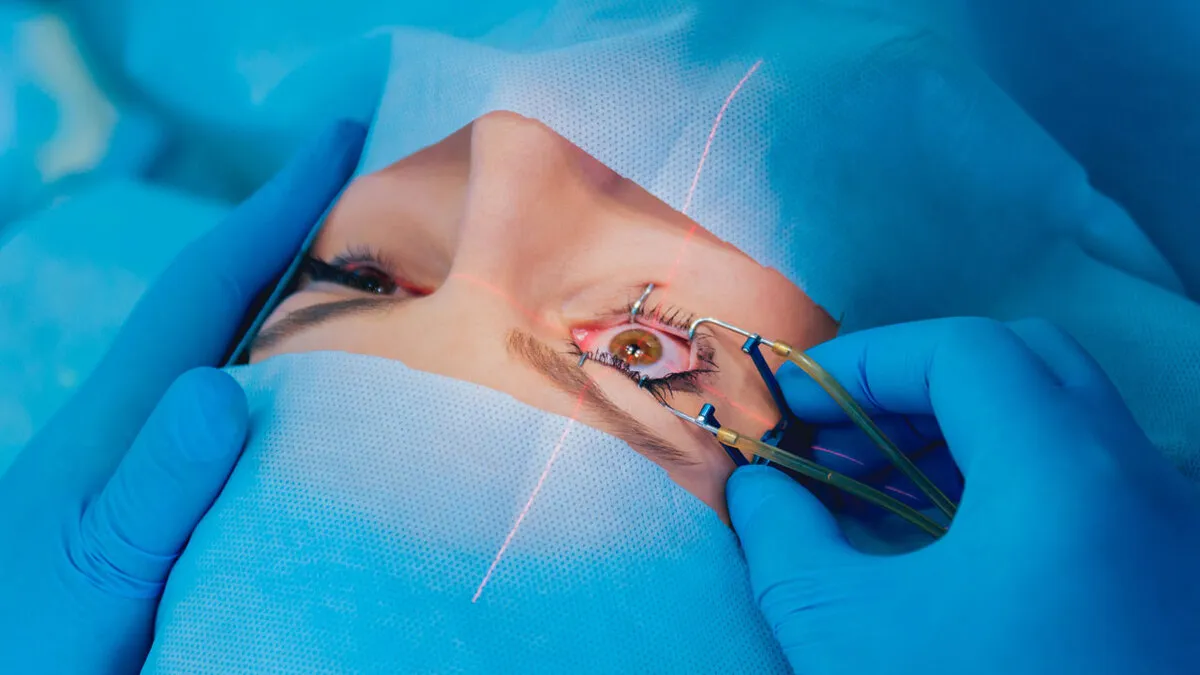
Imagine waking up, opening your eyes, and seeing the world clearly without reaching for your glasses or fumbling for contact lenses. For many people, LASIK offers that kind of freedom. The procedure reshapes the cornea to correct common vision problems, and for some patients, it can make everyday life considerably easier. But clearer vision does not always mean problem-free vision. The U.S. Food and Drug Administration warns that some patients may experience concerning side effects after the eye surgery. These symptoms usually improve with time, but in some cases, they can last much longer and interfere with everyday activities, such as driving at night. This doesn't mean LASIK is a bad choice for you. However, you should consider your medical history and individual risk factors before deciding to have the surgery. So, what should you know before agreeing to the surgery? We'll walk you through what could make you a less suitable candidate for LASIK and what might make you reconsider it. We'll also cover the questions to ask before trusting a clinic with your eyesight. If you're still weighing your options, you'll learn what people who regret the procedure wish they'd known before moving forward. pch.vector / Magnific (not the actual photo) If you've spent years cleaning glasses or dealing with contact lenses, LASIK may sound like an appealing alternative. It's a type of eye surgery designed to correct vision problems, so you can see more clearly without relying as much on glasses or contacts. LASIK stands for laser-assisted in situ keratomileusis. During the procedure, an eye surgeon uses a laser to reshape the cornea, the clear front surface of the eye that helps direct light into the eye. This changes how the eye bends light, helping images come into clearer focus on the retina, the light-sensitive layer at the back of the eye. LASIK is commonly used to treat three vision problems. Nearsightedness makes distant objects look blurry, while farsightedness makes nearby objects harder to see clearly. Astigmatism can cause blurry or distorted vision because the cornea or lens has an irregular shape. Recovery is relatively quick for many patients. Some are able to return to work and their usual activities as soon as the next day, depending on how their eyes heal and their doctor's advice. Many people also appreciate the everyday convenience, whether that's exercising without glasses slipping down their nose, swimming without worrying about contact lenses, or getting ready in the morning without reaching for them. Still, LASIK doesn't guarantee that you'll never need glasses again. Some people may need them for certain tasks, and many will eventually need reading glasses as they get older. This is because the eyes naturally become less able to focus on nearby objects, usually from around age 40 onward. LASIK doesn't prevent this age-related change, so it's important to understand what the surgery can realistically offer before deciding whether it's right for you. stefamerpik / Magnific (not the actual photo) Although many people recover well after LASIK, the surgery can cause some changes in the eyes. Some of these effects are common during the first few weeks or months and gradually improve as the eyes heal. However, a small number of patients continue to experience problems for much longer. Here are some of the side effects worth knowing about. 1. Dry eyes and irritation Dry eye is one of the most common problems after LASIK. The surgery can affect the nerves in the cornea that help regulate tear production, leaving the eyes less comfortable and sometimes less able to stay properly lubricated. You may notice a gritty or scratchy feeling, burning, redness, or the sensation that something is stuck in your eye. Your vision may also become blurry when your eyes feel particularly dry. The American Academy of Ophthalmology explains that almost everyone experiences some degree of dryness after LASIK, although it usually improves within a month. 2. Halos around lights Halos are rings or circles that appear around light sources, such as streetlights, lamps, or car headlights. They can be particularly noticeable at night or in dimly lit places. The FDA warns that some patients develop halos after LASIK, and they can make it harder to see comfortably in low-light conditions. While they often become less noticeable as the eyes heal, they can persist in some cases. 3. Glare and starbursts Glare happens when bright light makes it difficult to see clearly. For example, oncoming headlights may seem painfully bright, or sunlight reflecting off a surface may make it harder to see. Starbursts are slightly different. They look like streaks or rays spreading out from a light source, almost like a star. Both can affect night vision and make driving more difficult. 4. Blurry or fluctuating vision Some patients find their vision isn't consistently clear after surgery. Things may look sharp one moment and blurry the next, or their eyesight may seem to change throughout the day. The European Society of Cataract and Refractive Surgeons explains that blurry or fluctuating vision can occur during early recovery. Dryness can also contribute to these changes. Although vision usually becomes more stable as the eyes heal, persistent blurring should be checked by an eye doctor. 5. Double vision or ghost images This happens when you see two images of one object, or notice a faint second image or shadow around it. It can make reading, looking at screens, and recognizing objects harder. The American Academy of Ophthalmology recognizes this as a possible temporary side effect or, in rare cases, a persistent one. 6. Light sensitivity and discomfort Some people find that their eyes become unusually sensitive to light after surgery. Ordinary indoor lighting or bright sunlight may feel uncomfortable, and they may need to wear sunglasses more often while their eyes heal. Mild pain, soreness, or a gritty feeling can also occur during recovery. These problems generally improve, but you shouldn't brush aside severe or ongoing discomfort. It's important to remember that experiencing these problems shortly after surgery doesn't automatically mean they will become permanent. The American Academy of Ophthalmology notes that many early symptoms fade as the eyes heal. However, when problems continue beyond the expected recovery period, they may need further assessment and treatment. Yeny Ferreras / Pexels (not the actual photo) The FDA's Patient-Reported Outcomes With LASIK study found that among participants with no visual symptoms before surgery, up to 46% reported at least one new side effect three months after LASIK. Up to 40% of those who had no halos before surgery reported them at the three-month mark. The studies also found that around 28% of participants who had no dry eye symptoms beforehand reported them after surgery. These numbers describe symptoms reported three months after surgery, not the number of people who developed permanent problems. In fact, fewer than 1% of participants reported that visual symptoms caused them significant difficulty with their usual activities or prevented them from doing them without corrective lenses. Most participants were satisfied with their results, and the overall number of people reporting visual and dry eye symptoms decreased over time. Still, the findings show why it's important to understand the possible outcomes before deciding to have LASIK. The Yuri Arcurs Collection / Magnific (not the actual photo) LASIK can improve vision for many people, but it isn't suitable for everyone. Before recommending the procedure, an eye surgeon needs to assess whether it's appropriate for the individual patient. This involves looking beyond their glasses prescription and considering their overall eye health and medical history. Here are some factors that may require closer assessment if you’re considering the surgery 1. Existing dry eye problems If your eyes already feel dry, irritated, or uncomfortable, LASIK may worsen these symptoms. The procedure can affect the corneal nerves that regulate tear production, and people with significant or poorly controlled dry eye may be more likely to struggle with symptoms after surgery. The European Society of Cataract and Refractive Surgeons recommends assessing the eye surface and tear film before refractive surgery. This doesn't mean everyone with occasional dry eyes is automatically unsuitable, but the condition should be evaluated and managed before proceeding. 2. Thin or irregular corneas LASIK works by reshaping the cornea, so surgeons need to make sure it's thick enough and structurally healthy. If your corneas are too thin, removing additional tissue could leave them weaker than they should be. An irregularly shaped or progressively thinning cornea, as can happen with a condition called keratoconus, can also make LASIK unsuitable. These issues matter because surgery may increase the chance of further corneal weakening and distortion, potentially affecting vision. 3. An unstable glasses prescription According to the U.S. Food and Drug Administration, if your prescription has changed noticeably over the past year, it may be too early to consider LASIK. The procedure is intended to correct an existing refractive error, but if your eyesight is still changing, the result may not remain accurate. 4. Certain medical conditions Your general health can influence how your eyes respond to surgery and how they heal afterward. Uncontrolled diabetes, autoimmune conditions, and some immune-related disorders may affect healing or increase the chance of complications. Eye conditions such as glaucoma, corneal disease, and inflammation may also need treatment or careful assessment first. Having a diagnosis doesn't automatically rule out LASIK, but your surgeon needs to understand how well the condition is controlled and whether it could affect the outcome. armmypicca / Magnific (not the actual photo) 5. Medications that may affect your eyes or healing Some prescription drugs can influence tear production, vision stability, or the body's ability to heal. The FDA specifically advises patients to discuss medications such as steroids and other drugs that may interfere with healing. Certain medicines, including isotretinoin and amiodarone, may also need special consideration during a LASIK assessment. It's important to give your surgeon a complete list of medications and supplements you're taking rather than stopping anything on your own. 6. Pregnancy and breastfeeding These are generally times to postpone LASIK rather than rush into it. Hormonal changes can temporarily affect corneal shape, tear production, and your glasses prescription, making it harder to determine the correction you need. The American Academy of Ophthalmology advises that LASIK is generally not recommended during pregnancy or breastfeeding. Your eye doctor can help determine when your prescription and eye health have become stable enough to reconsider the procedure. These factors are not a checklist for diagnosing yourself or deciding that you can never have LASIK. Some conditions may need treatment before surgery, while others may mean that a different vision-correction option or a later date would be more appropriate. Your surgeon should assess your individual circumstances rather than deciding based on one detail alone. That's why a thorough preoperative eye examination matters so much. It goes beyond checking your glasses prescription to assessing your overall eye health, measuring corneal thickness and shape, and evaluating your tear film. Your doctor should also review your medical history and medications, and explain how any findings could affect your suitability for surgery. romanzaiets / Magnific (not the actual photo) Choosing a LASIK clinic involves more than comparing prices or looking at before-and-after testimonials. You need to know who will assess your eyes, what the procedure can realistically achieve, and what support you'll receive if something doesn't go as planned. Before booking, make sure you have clear answers to these questions. 1. What tests will you perform to determine whether I'm suitable for LASIK? A proper assessment should go beyond checking your glasses prescription. Ask whether the clinic will measure your corneal thickness and shape, examine your tear film, check your pupil size, and assess your overall eye health. 2. What are my personal chances of developing complications? Rather than settling for general success rates, ask how your prescription, eye health, age, and medical history affect your expected results. Find out what the best- and worst-case outcomes could look like, including whether you might still need glasses or experience visual disturbances. The American Academy of Ophthalmology recommends discussing realistic expectations and possible complications before deciding on the surgery. 3. Are there alternatives that might suit me better? LASIK isn't the only way to correct vision problems. Depending on your eyes, options may include glasses, contact lenses, PRK, or implantable contact lenses. Ask why the surgeon recommends one approach over another and whether there are reasons you should avoid surgery altogether. 4. What happens if I'm unhappy with the results? Ask whether an additional procedure might be possible, how long you'd need to wait before considering it, and whether further treatment could make things worse. You should also find out what options are available if you develop persistent dryness, glare, pain, or other visual problems that cannot be corrected with another procedure. 5. Who will look after me after surgery, and what does follow-up care include? Find out how many check-ups are included, who you'll contact if you develop unusual symptoms, and whether the surgeon who performs the operation will also oversee your recovery. Make sure to ask whether treatment for complications or additional procedures will cost extra. Pay attention to how the clinic handles these conversations. A consultation should give you time to understand the procedure, consider alternatives, and ask questions without feeling pressured to book. Be cautious of promises of perfect vision, limited-time discounts, or consultations that seem more focused on closing a sale than understanding your eyes. The European Society of Cataract and Refractive Surgeons recommends that patients receive proper screening, realistic information about possible outcomes, and time to consider their decision before giving consent. If a clinic can't answer your questions clearly, there's nothing wrong with taking a step back or getting another opinion. wavebreakmedia_micro / Magnific (not the actual photo) For some patients, LASIK delivers the freedom from glasses they hoped for. For others, lingering symptoms can make everyday activities more difficult than they expected. Reading about these experiences can help you understand what the less straightforward outcomes may look like. One recurring concern in patient accounts is that having clear vision doesn't necessarily mean feeling comfortable. In a published patient perspective on corneal neuropathic pain, a person who underwent LASIK described ongoing dryness, discomfort, and light sensitivity despite repeated appointments and treatments. Other patients describe struggling with night driving because of glare, halos, or ghost images. In one five-year follow-up shared on Reddit, a patient described persistent ghosting around lights and difficulty distinguishing lane markers while driving at night. Another person described ongoing dry eyes several years after surgery, including discomfort during computer work. These are personal accounts, not evidence of how frequently such problems occur, but they show how symptoms can affect routines long after the initial recovery period. Persistent discomfort may make it harder to concentrate at work, enjoy reading, spend time outdoors, or sleep comfortably. Some people also find themselves spending money on eye drops, specialist appointments, and other treatments they hadn't expected to need. If you're already experiencing problems after LASIK, don't assume you have to live with them. Contact your surgeon or an eye specialist, explain what you're experiencing, and ask for an assessment. If your concerns aren't being addressed, seeking an independent opinion from another ophthalmologist may help you understand what's happening and what treatment options are available. LASIK can be life-changing for suitable candidates, but the decision deserves more thought than a quick consultation and an attractive promise of clearer vision. Take your time, ask uncomfortable questions, and make sure you understand both the benefits and the possible downsides before agreeing to surgery. Your eyesight is too important to leave any part of that decision unclear.