
#1

#2
#3
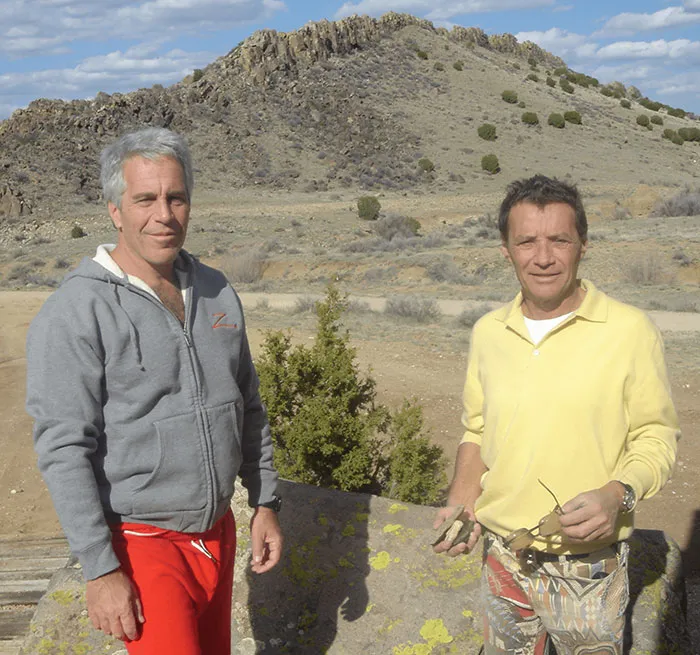
Not all scandals are created equal, and the ones that land are not always the worst ones. Timing is one of the most significant factors in whether a story gains traction or disappears within a news cycle. A scandal that breaks on the same day as a major political event, a natural disaster, or a bigger celebrity implosion has a very slim chance of finding an audience.
Ansel Elgort was once thrown into the spotlight of some MeToo allegations that were pretty serious. But the date of these allegations speaks for itself. June 2020. While people were focused on Black Lives Matter protests and a global pandemic, Ansel got to continue in West Side Story as if nothing ever happened.
#5
#6
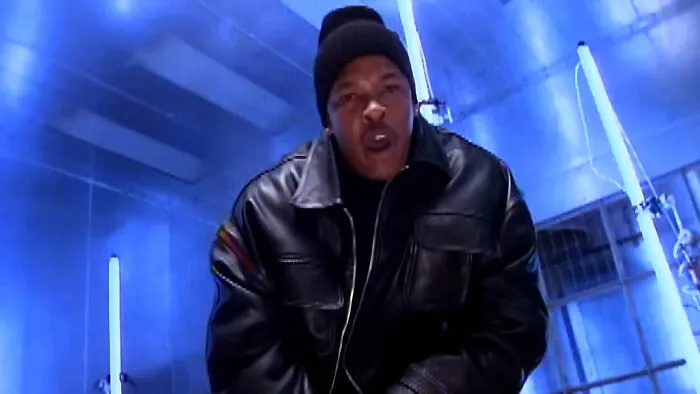
Dre got his feelings hurt by an interview with Ice Cube and tried to beat the journalist who produced it to d***h, in public at a party. Her name is Dee Barnes and he beat her, stomped on her, repeatedly smashed her face into the wall and a mirror, and threw her down a flight of stairs. She tried to seek refuge in a ladies restroom and he just followed her in, beat her there, and dragged her out of it to beat her some more. It’s a miracle that she survived. He also punched a guy who tried to intervene in the face.
But nobody cares. Never got even slightly cancelled for it. He got probation and settled out of court when she sued. It virtually ended her career while we went on as though nothing happened. He only “apologized” thirty years later when he was trying to sell Beats to Apple and they made him issue a meaningless marketing-crafted statement. He’s played the Super Bowl halftime and countless huge events while Dee faded into obscurity, and she’s just one of many women he has brutalized.
Like I said, f**k Dre.
There is also the matter of news cycle fatigue. Research from the Reuters Institute found that a growing number of people, particularly under 35, are actively avoiding the news because the volume and emotional weight of it has become genuinely overwhelming. When audiences are already saturated, a new scandal requires a very low barrier to engagement to cut through.
Something visually striking, easy to summarize, and emotionally immediate will always outrun something complicated, institutional, or requiring background knowledge to fully understand. The stories that slip through tend to be the ones that need context, and context is the first casualty of a fast scroll.
#7
#8
#9

People who know what they are talking about call this the Teflon effect. Certain public figures have demonstrated a consistent ability to survive scandals that would end anyone else, and researchers who study reputation and public perception point to a combination of factors: a large and loyal pre-existing fanbase, a personal brand strong enough to absorb damage, and a media ecosystem that finds them too commercially valuable to abandon.
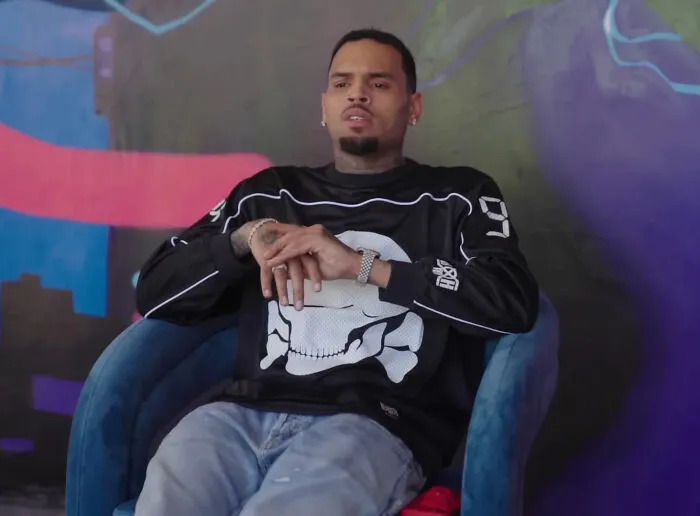
Chris Brown has had an active and successful music career for over a decade since 2009. R. Kelly released music and sold out venues for years while allegations against him were publicly available. The audience relationship, once formed, is remarkably resistant to new information.
#10
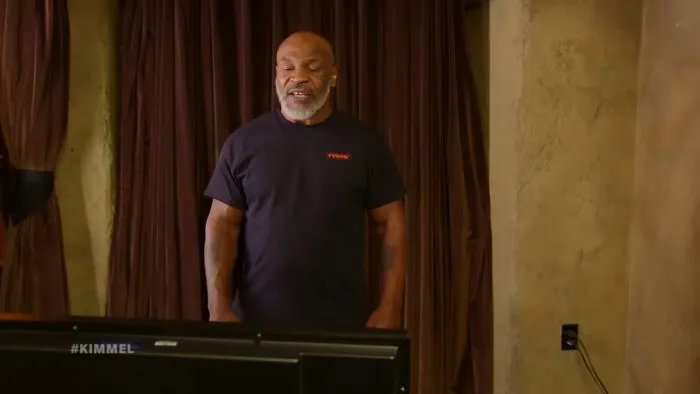
F**k Mike Tyson and f**k his Reddit apologists.
#11

The professional infrastructure that exists to manage this is larger than most people realize. Crisis PR is a legitimate and extremely well-compensated industry, and its entire function is to minimize, delay, redirect, and, where necessary, completely bury a story before it reaches critical mass.
The standard playbook involves releasing a statement on a Friday afternoon when news coverage is lowest, identifying a larger story to direct attention toward, deploying allies to shift the narrative, and where possible, getting ahead of the story with a controlled version before the uncontrolled one lands. Most people who have survived a significant public scandal did not do it through luck. They did it with a team.
#13
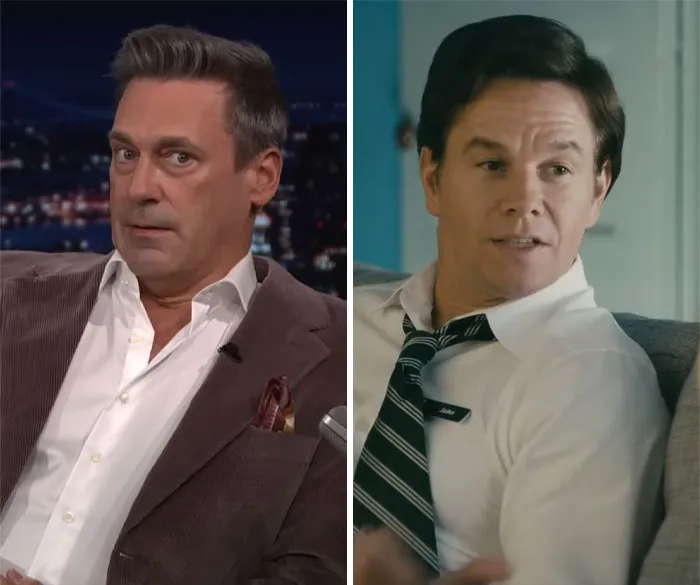
Real answer: Jon Hamm and Mark Wahlberg's violent pasts don't seem to be a problem for their careers at all.
#14
#15
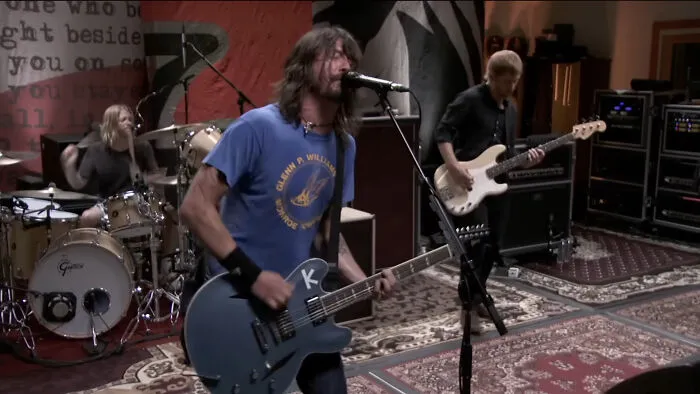
Power determines consequences more reliably than behaviour does. A 2021 study found that high-status individuals consistently receive more lenient judgments for identical transgressions than low-status individuals, and that observers justify this leniency by unconsciously attributing more complex motivations to powerful people.
The wealthy hire better lawyers. The famous have platforms to respond. The institutionally protected have colleagues with an interest in keeping the story small. The person without any of those resources faces the full weight of public judgment. Cancel culture's reputation for ruthlessness is almost entirely built on cases involving people without significant structural protection. The ones with it rarely make the list.
#16
#17
#18
The actual long-term track record of cancellation is also considerably less permanent than the discourse suggests. One analysis found that the vast majority of public figures who faced significant online backlash had returned to their careers within two years, often with minimal acknowledgment of what happened.
Louis CK won a Grammy in 2024, and Mel Gibson directs major films. The list of people who are genuinely, permanently cancelled is short, and most of them were facing criminal charges rather than public opinion. The internet has a long memory and a short attention span, which means the outrage is real and the consequences are negotiable.
#19
At this point I just assume he has dirt on a bunch of people.
#20