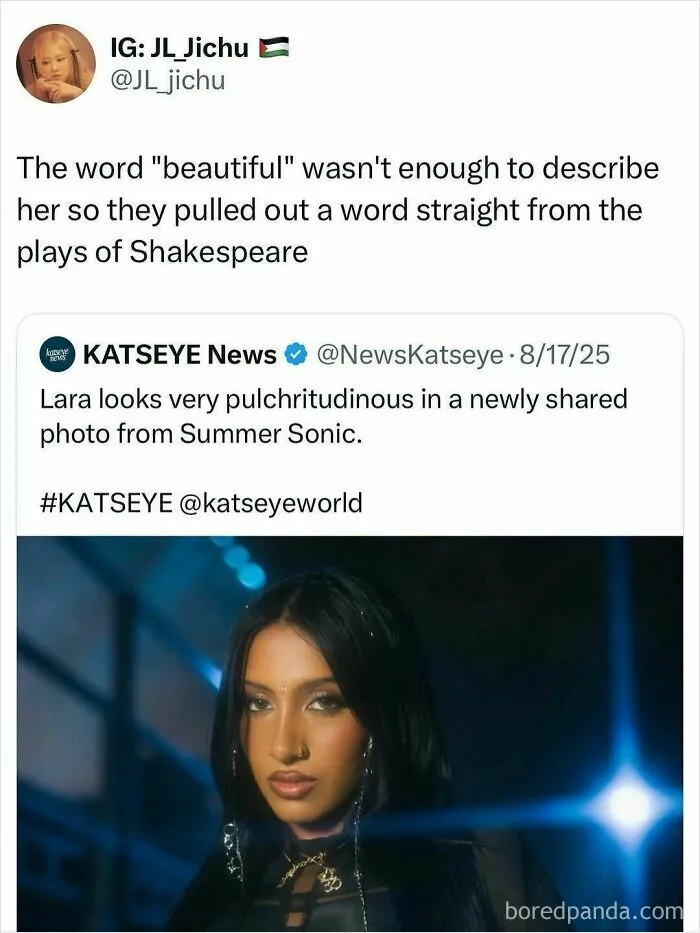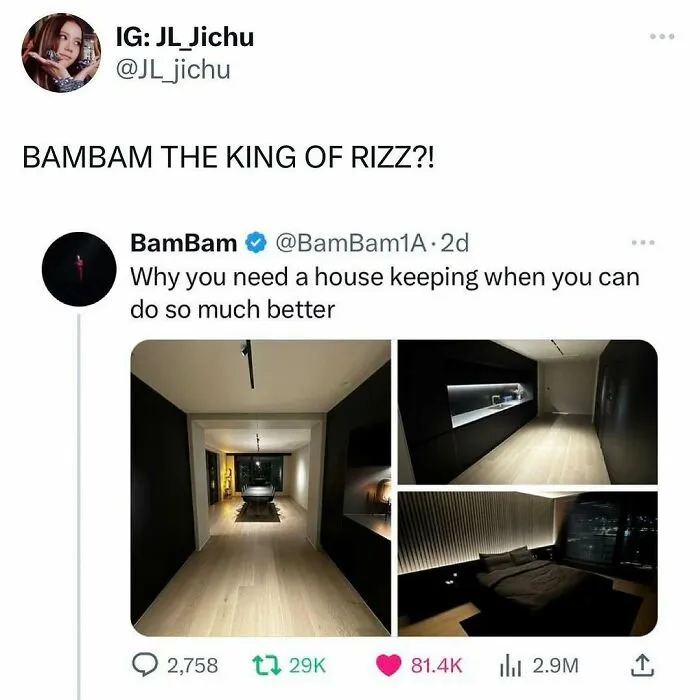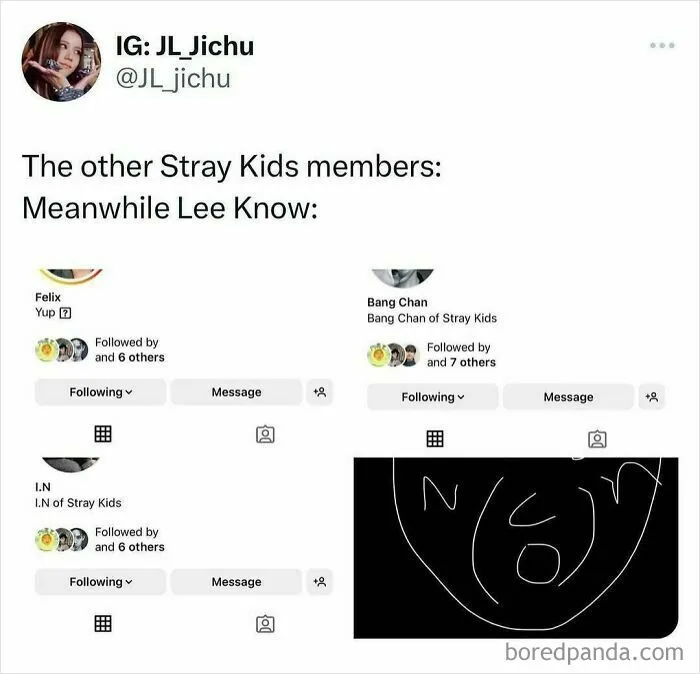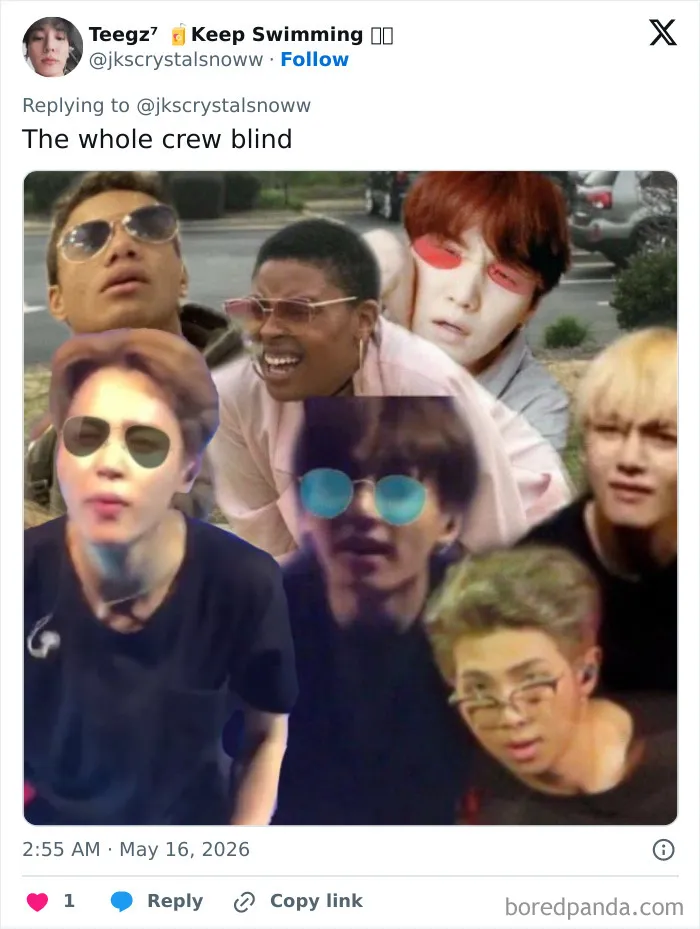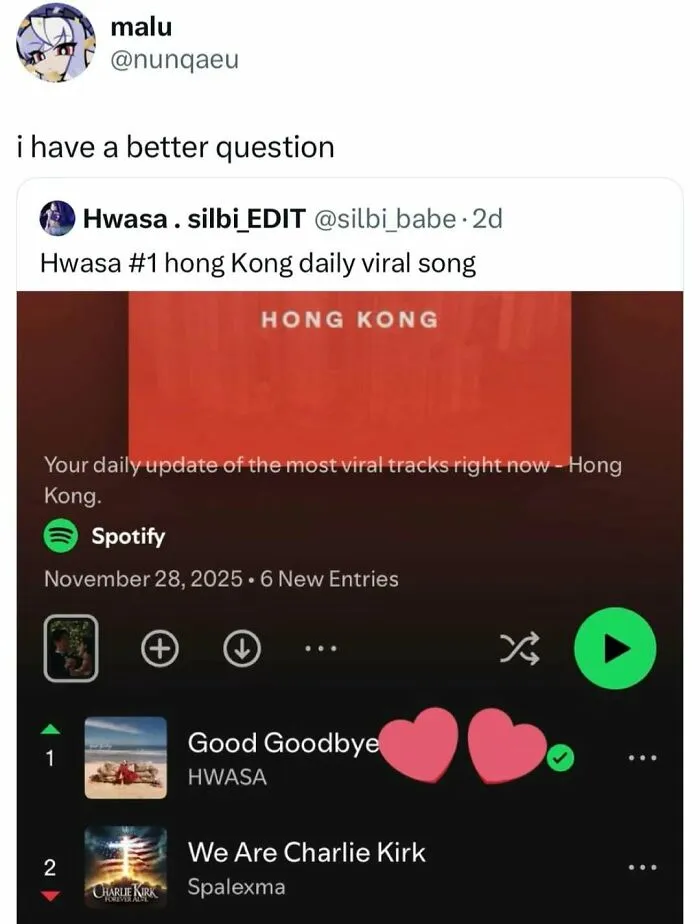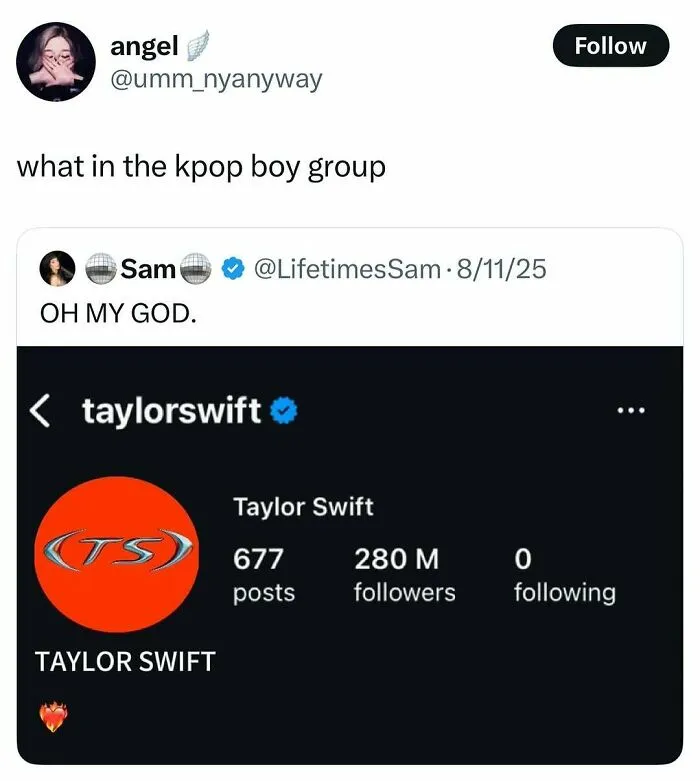



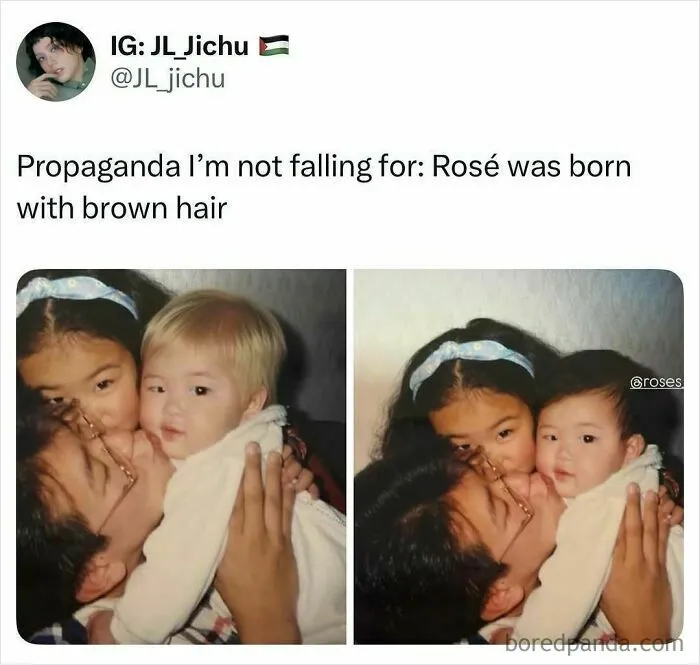
You're probably wondering what the secret sauce in K-Pop is. Why are the fans so passionate, why there are so many of them, and how do they form such strong attachments to their favorite groups and idols? The psychology of K-Pop "stan culture" is fascinating. Sociologists and psychologists say that the management companies are geniuses at marketing, using social media to curate fans' emotional attachment and real-time feedback loops.

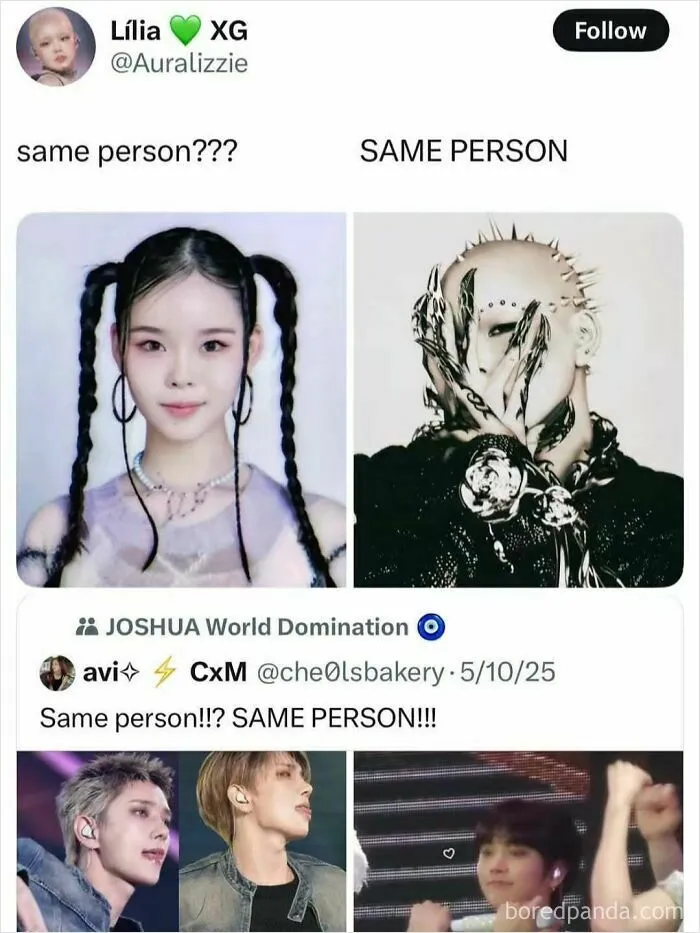

Western actors, singers, and other celebrities lack the kind of approachability and level of engagement that K-Pop idols offer their fans. The parasocial relationships that K-Pop fans form with their idols are unparalleled. Fans go to crazy lengths to help their groups reach number one on the charts, buy VIP concert tickets for hundreds (sometimes even thousands) of dollars, and spend even more for a chance to have a video call with their favorite idol.
#25
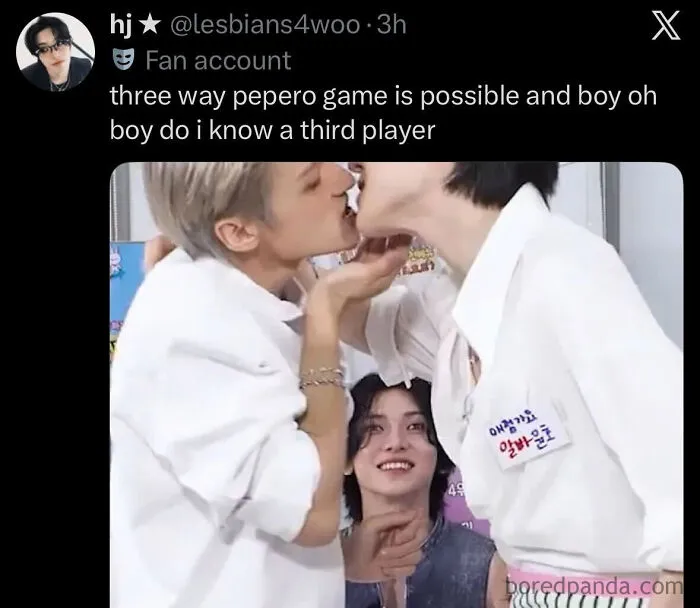

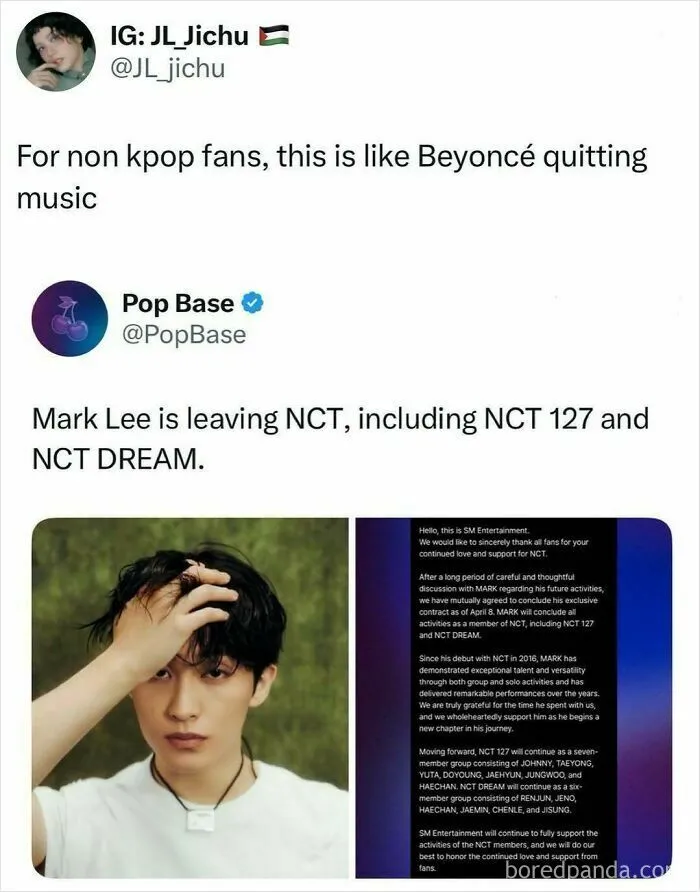
But being a K-Pop fan is not all bad. And not all people in their group's fandom are delusional, crazy, and detached from reality. K-Pop can also just be a hobby. There is a unique sense of community that comes with being a K-Pop fan, either online or when meeting up with fellow fans at concerts. The number of inside jokes one can accumulate throughout the years of being a K-Pop fan is almost infinite. Many fans are also very self-aware: they know how ridiculous the music, the parasociality, and everything in between can be.
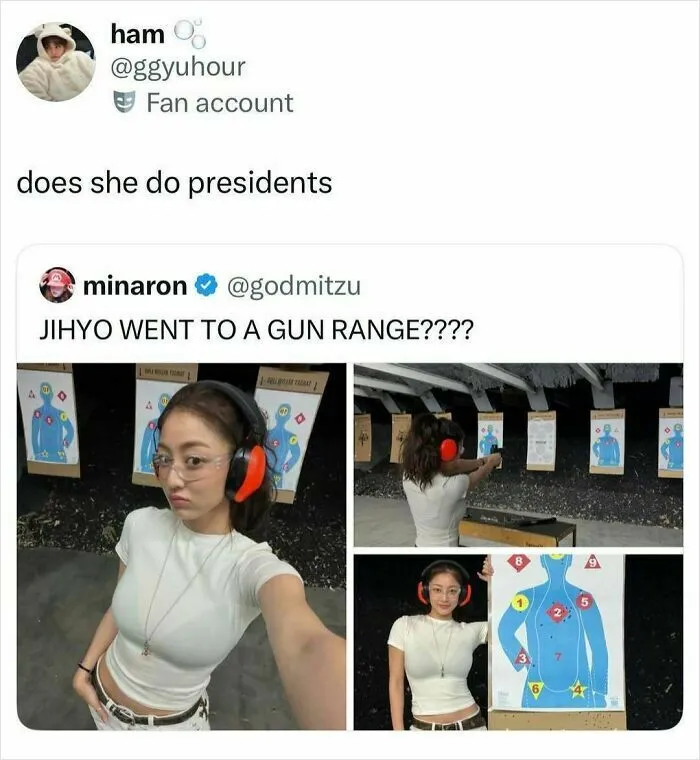


With that in mind, I invite you, Pandas, to give K-Pop a chance. As Azrin Tan writes for Vogue Singapore, what's not to love? "It's a running joke amongst most self-aware fans that the parasocial relationship they share with their idols is one that's stable, filled with love and unlike real-life relationships, they'll never disappoint you because you're not actually expecting anything from them," she writes. "[K-Pop] is an entire universe you would always appreciate being a part of. A little world—promising an indescribable happiness of its own."