




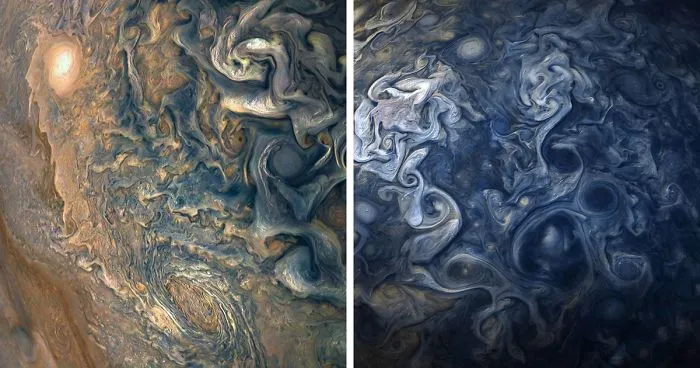

With all of the worrying things happening here, on earth, one way to take your mind off them is to look at the beauty of the cosmos. Luckily, NASA is still out there exploring outer space and providing us with the latest wonders. Recently The National Aeronautics and Space Administration released the brand new imagery of Jupiter. The captivating display of the stormy southern hemisphere of the planet which exists 484 million miles away from us, prompted us to share a list of most fascinating photos NASA has taken of the planet.
Nasa's Juno spacecraft has been taking snaps of the planet since it's first close pass by Jupiter in 2016. Since then, Juno took stunning images of and it, helping scientists learn the important information about the gas giant.
More info: nasa.gov
#21
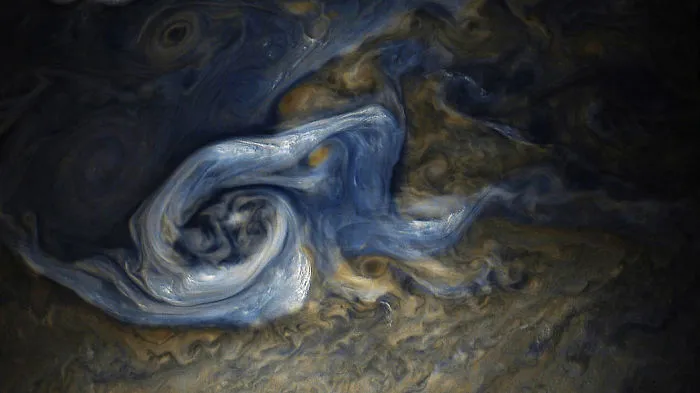
This color-enhanced image of a massive, raging storm in Jupiter’s northern hemisphere was captured by NASA’s Juno spacecraft during its ninth close flyby of the gas giant planet.
Report
41points
#22
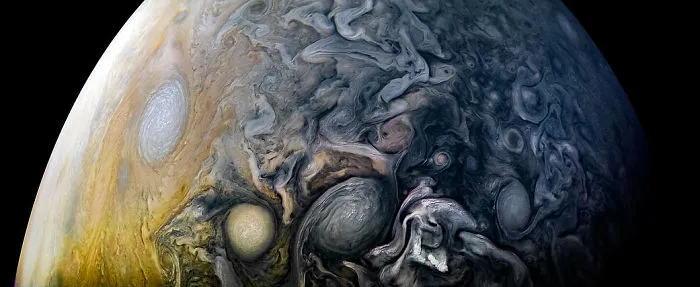
See intricate cloud patterns in the northern hemisphere of Jupiter in this new view taken by NASA’s Juno spacecraft.
Report
40points
#23
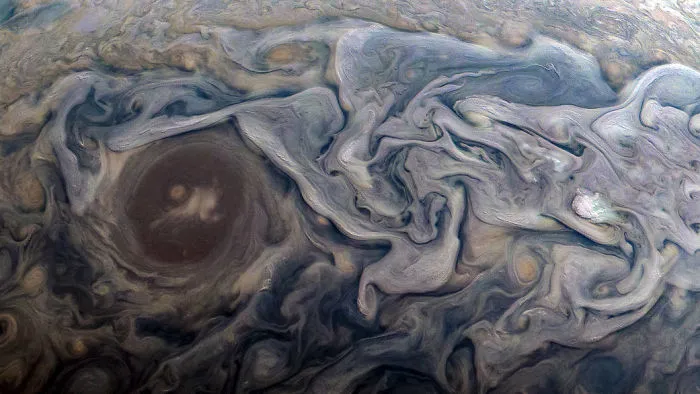
Dramatic atmospheric features in Jupiter’s northern hemisphere are captured in this view from NASA’s Juno spacecraft. The new perspective shows swirling clouds that surround a circular feature within a jet stream region called "Jet N6."
Report
37points
#24
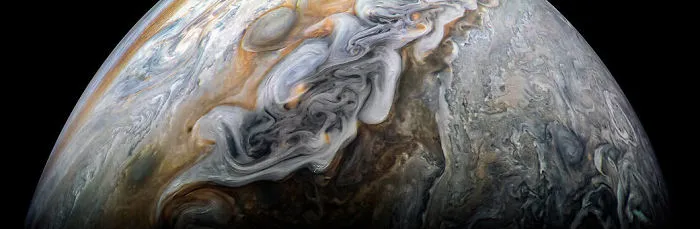
This image captures the intensity of the jets and vortices in Jupiter’s North North Temperate Belt.
Report
37points
#25
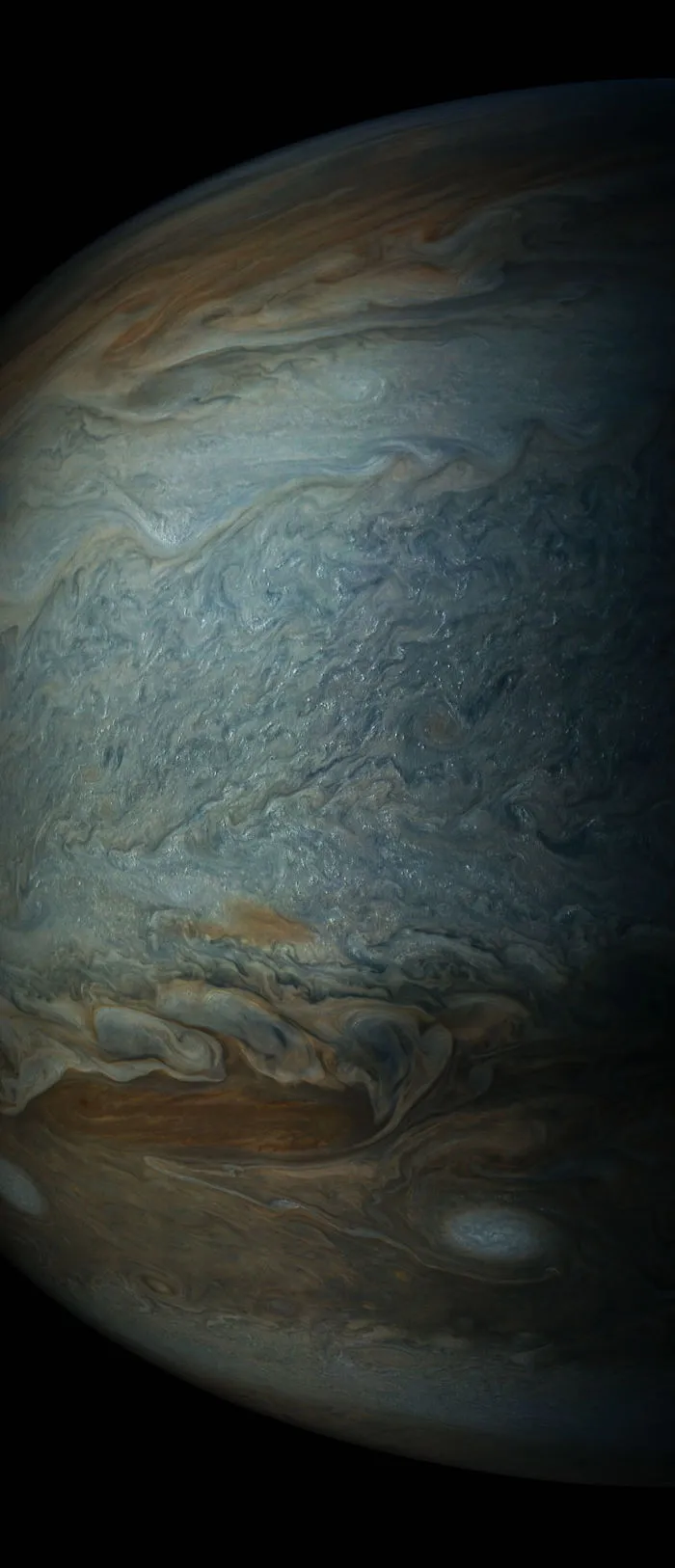
Small bright clouds dot Jupiter’s entire south tropical zone in this image acquired by JunoCam on NASA’s Juno spacecraft on May 19, 2017, at an altitude of 7,990 miles (12,858 kilometers). Although the bright clouds appear tiny in this vast Jovian cloudscape, they actually are cloud towers roughly 30 miles (50 kilometers) wide and 30 miles (50 kilometers) high that cast shadows on the clouds below. On Jupiter, clouds this high are almost certainly composed of water and/or ammonia ice, and they may be sources of lightning. This is the first time so many cloud towers have been visible, possibly because the late-afternoon lighting is particularly good at this geometry.
Report
36points
#26
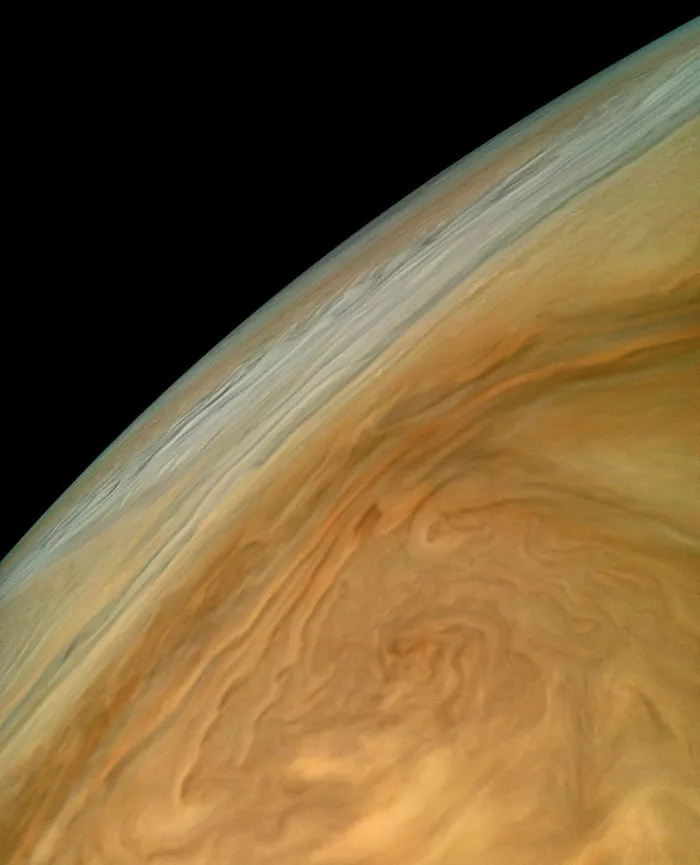
Colorful swirling clouds in Jupiter's North Equatorial Belt practically fill this image from NASA's Juno spacecraft. This is the closest image captured of the Jovian clouds during this recent flyby of the gas giant planet.
Report
34points
#27
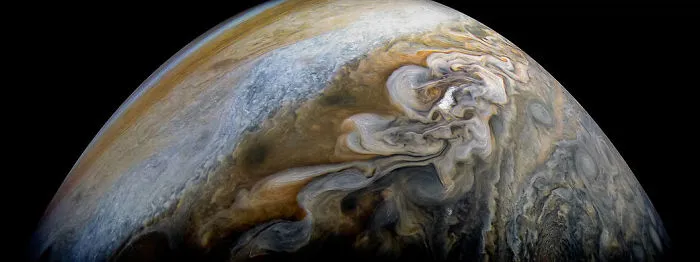
See swirling cloud formations in the northern area of Jupiter's north temperate belt in this new view taken by NASA’s Juno spacecraft.
Report
34points
#28
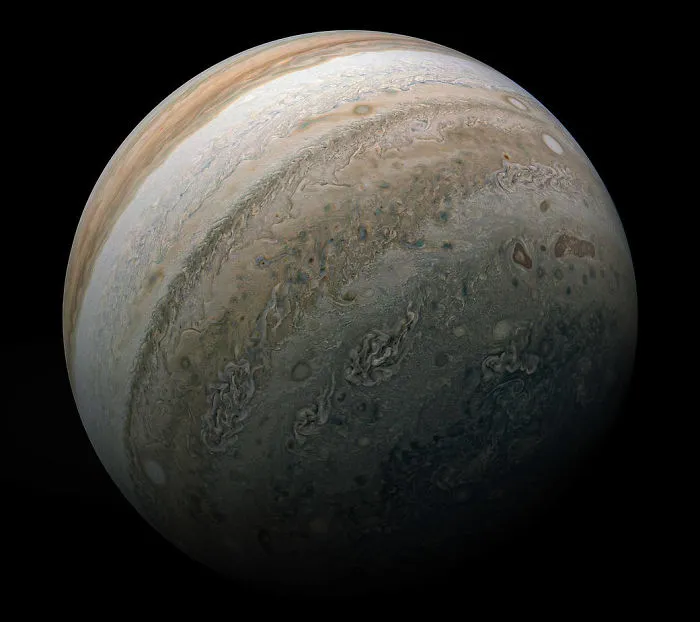
NASA’s Juno mission captured this look at the southern hemisphere of Jupiter on Feb. 17, 2020, during the spacecraft’s most recent close approach to the giant planet.
Report
33points
#29
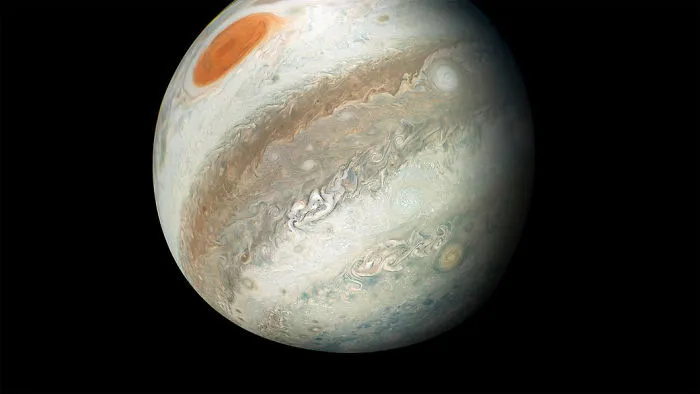
This extraordinary view of Jupiter was captured by NASA’s Juno spacecraft on the outbound leg of its 12th close flyby of the gas giant planet.
Report
33points
#30
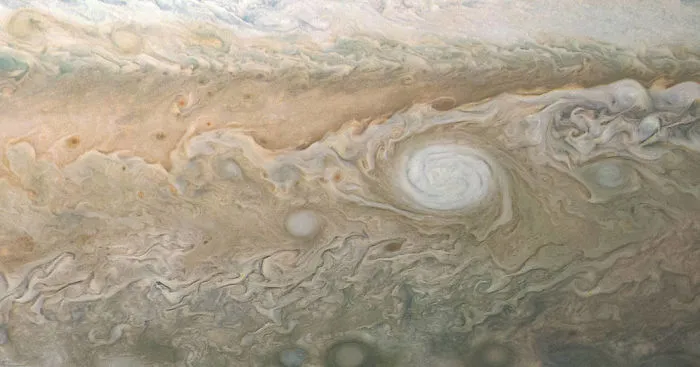
A swirling, oval white cloud in Jupiter’s South South Temperate Belt is captured in this image from NASA's Juno spacecraft. Known as White Oval A5, the feature is an anticyclonic storm. An anticyclone is a weather phenomenon where winds around the storm flow in the direction opposite to those of the flow around a region of low pressure.
Report
30points