


Let’s take the movie “Memento” by Cristopher Nolan, where the narrative chronology jumps 113 times. The color here is a great indicator of the time; the present is shown in color and given a reversed alphabetical sequence (from V to A). The flashbacks of the past are in black and white and marked in numerical order (from 1 to 22). When all of it comes together, the narrative plays like this: 1, V, 2, U, 3, T … etc. Without the assistance of Easter eggs, it would be quite impossible to figure that one out.

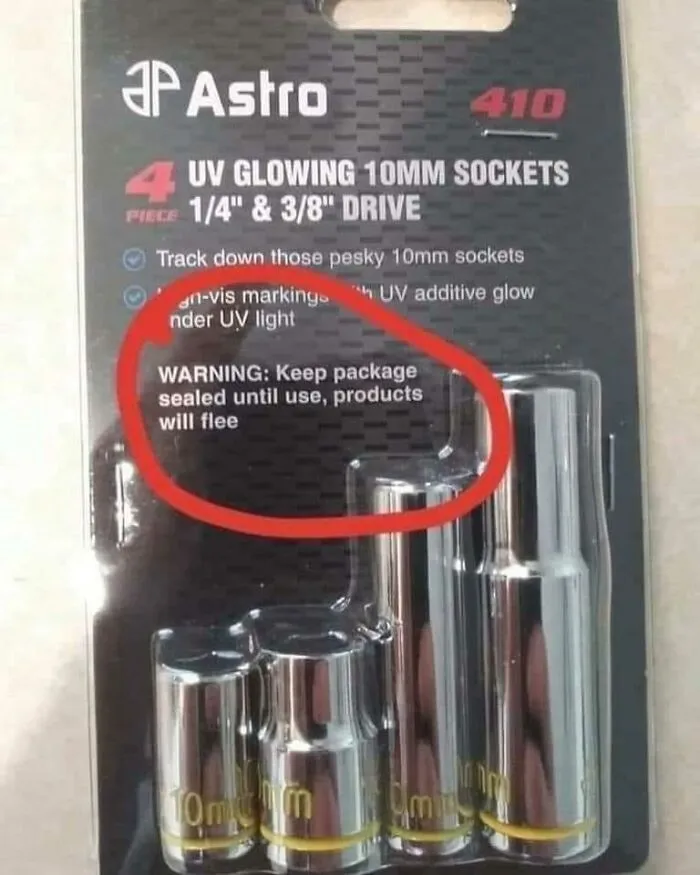

But why do they work so well in the eyes of consumers? The psychology of Easter eggs lies in how our brain's reward system responds to a surprise. When we find something unexpected or novel, it triggers a burst of dopamine, which makes us happy and excited. In marketing, customers discover these treats and feel rewarded for their attention and effort, creating a positive association with the brand and even loyalty.

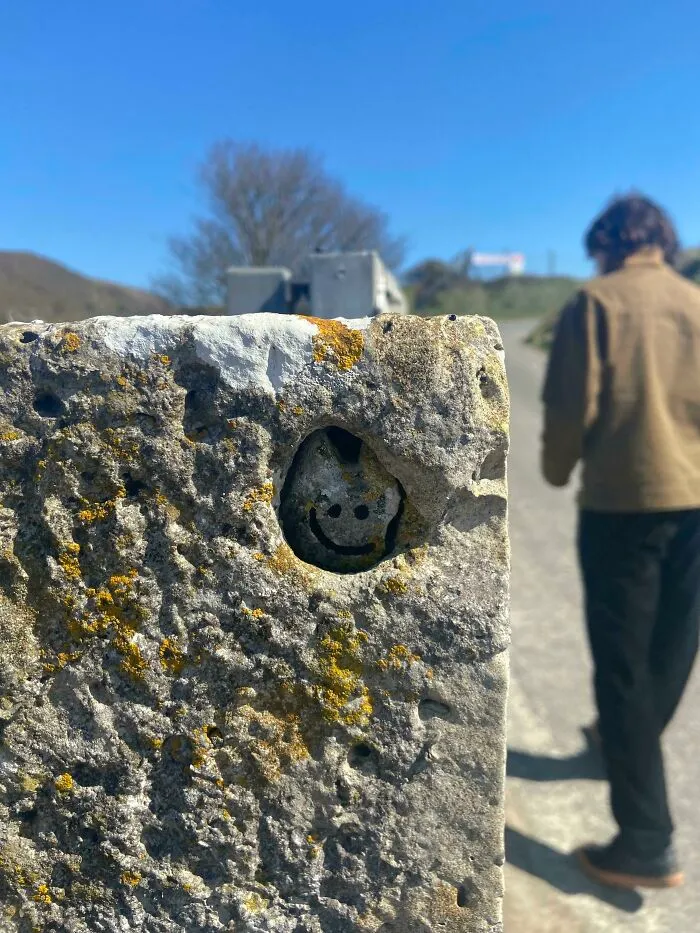

Another reason for their effectiveness is that they tap into our innate desire for discovery. When we find a hidden message or a unique feature, we feel like we’ve uncovered something special that’s limited only to us. This sense of VIP makes us feel like an elite part of the community, further strengthening our connection to a film, video game, commercial, or website.
For those interested in more Easter egg hunting, make sure to check out our earlier publications full of pleasant surprises here, here, and here.