







When you think of a vending machine, things like snacks, sodas, or even pharmaceutical supplies may come to mind. But you might be surprised to know that the first ever vending machine actually dispensed holy water. Yep, people back then would insert a coin and receive just the right amount of holy water from temples in Egypt.
While the vending machine might seem like a fairly modern invention, it’s actually believed to have been around since the first century. It’s one of many historical inventions that were way ahead of their time. Bored Panda was intrigued to know what other creations have been around longer than we thought, so we took a deep dive through the passage of time to find out. From flying cars to ancient earthquake detectors to automated doors, it turns out the world has been filled with futuristic inventions far longer than we realized.
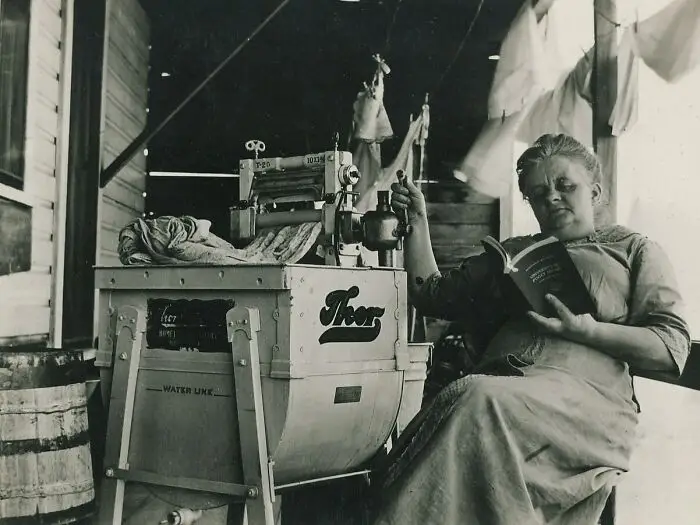
#21 Housewife Doing Laundry Using The First Electric Washing Machine - Eatonville Wa C. 1910
Report
54points
#22 1989 Buick Riviera
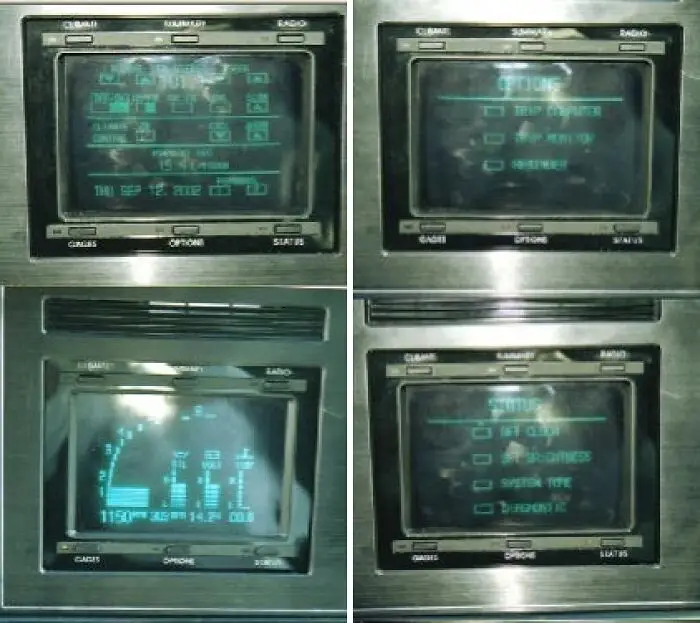
A few years ago, I had an '89 Buick Riviera with a touchscreen computer. You could monitor fluid levels, have it greet you on your birthday, adjust the radio station—all kinds of stuff. It wasn't perfect, but the green text on the black screen was really cool. I've never had a car before or since that had a built-in computer.
53points
#23 Amphicar
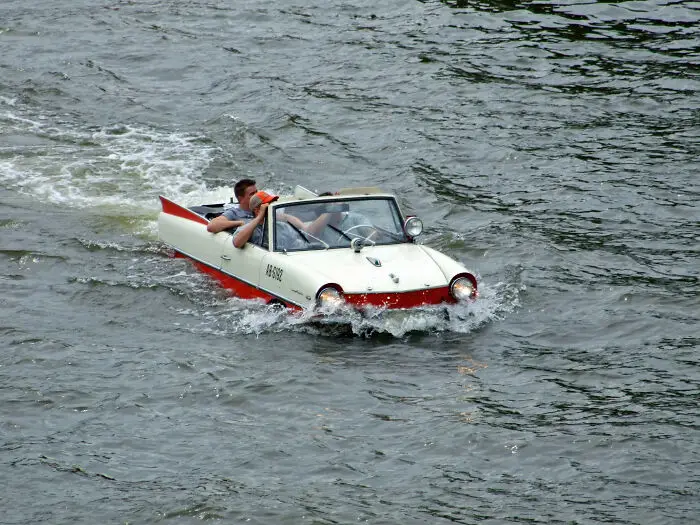
President Lyndon B. Johnson, a practical joker, owned an Amphicar … an automobile that could float on water and be piloted like a boat. He loved to take guests for a ride around his Texas ranch, then drive headlong into a lake. While his guests screamed and white-knuckled the dashboard, Johnson would shout about faulty brakes. The joke was on the unwitting victims. Johnson was one of the few proponents of the Amphicar, which was manufactured from 1961 to 1968 in West Germany. Demand for amphibious cars was limited. The Amphicar was discontinued, and the concept was relegated to Hollywood spy flicks and superhero movies.
Report
52points
#24 Da Vinci’s Mechanical Knight
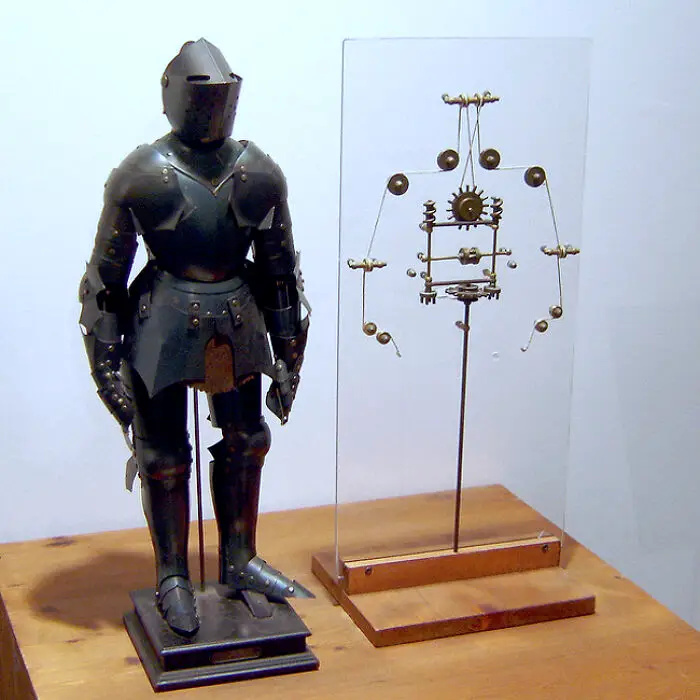
A robot based on Leonardo da Vinci's drawing: Leonardo da Vinci was not only an artist and painter, but he was a master of every branch of study including human anatomy, mathematics, and engineering. This robot was built based on a drawing by Leonardo, who can be credited with having a vision far into the future. Robots were unheard of during his time, and beyond human imagination.
Report
52points
#26 Adjustable Mannequin, From Page 433 Of Official Descriptive And Illustrated Catalogue Of The Great Exhibition 1851
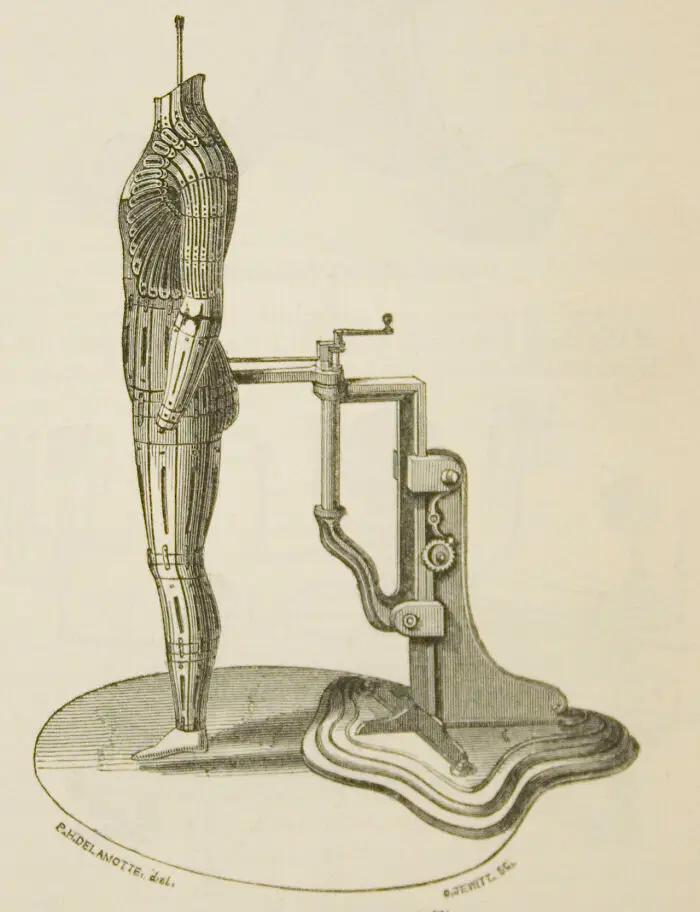
The fact that something invented over 150 years ago can still seem ingenious is impressive. This mannequin, which can adjust to be just about any size a human can be, is an example of such an invention. Although it does look a little funny, the real oddity of this device is that it hasn't gained popularity yet.
48points
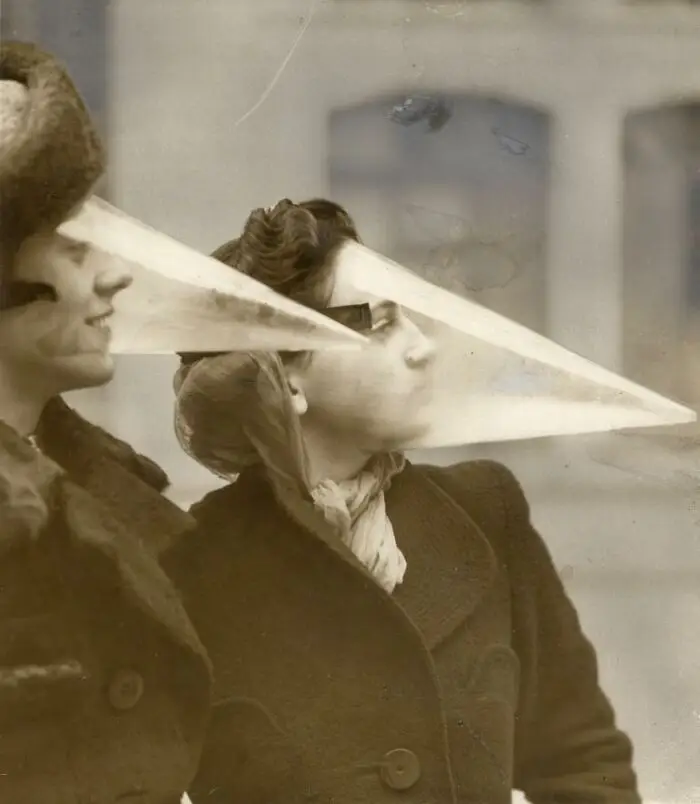
#28 Smell-O-Vision

To enhance TV watching and create a more immersive experience for viewers, television manufacturers of the early 1960s dabbled in Smell-O-Vision. As the name implies, Smell-O-Vision sought to synchronize specific scents to the content being displayed on the screen. While Smell-O-Vision generated interest and curiosity, it faced too many challenges to make it marketable. TV sets had to come fully stocked with a wide range of scents. Customers complained that smells lingered or caused allergic reactions. And some were, in the words of Spongebob Squarepants, “Smelly smells that smells smelly.”
46points
#29 The Runcible Spoon
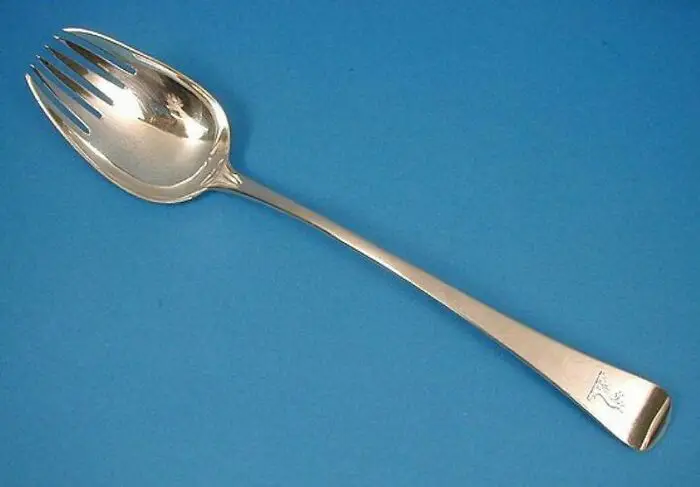
No doubt, the spork – half fork, half spoon – has revolutionized the cafeteria and take-out experience for the last couple generations. The 16th century invention, the Runcible Spoon, outshined the spork even though it failed to become the newest, trendiest dining utensil. Textual references to the Runcible Spoon tell us that this utensil combined the fork, spoon, and knife into one handy tool for cutting, jabbing, and slurping one’s dinner. Some descriptions of the Runcible Spoon remind us of a grapefruit spoon because it had a sharp, serrated edge along one or both sides of the spoon. Why didn’t the Runcible Spoon take off? No one can say for sure, but it could be that the utensil caused injuries.
Report
46points
#30 Flushing Toilets
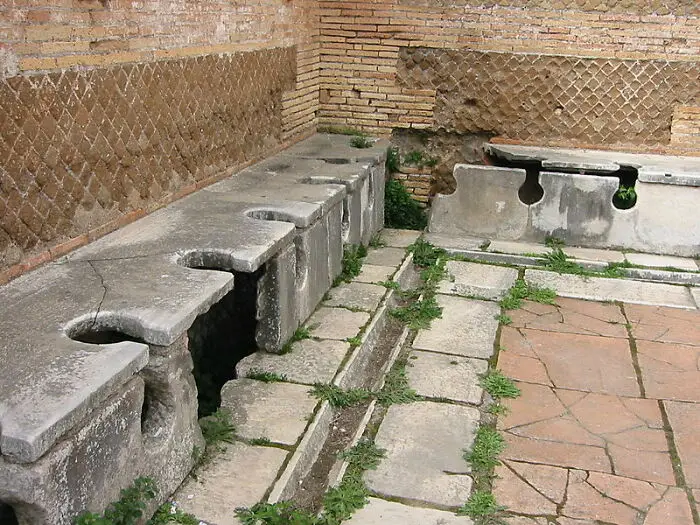
A self-flushing toilet and plumbing system in 1800 BC!? Yep, the Minoans had that in the bag 1000 years before Homer wrote his Odyssey. The Minoans were an advanced civilization which flourished around 4000 years ago on the island of Crete and preceded the civilization we know as ‘ancient Greece’. A culturally rich people who prized innovation, the Minoans were found to have advanced plumbing knowledge which allowed them to have self-flushing bathroom facilities thousands of years before ‘modern’ civilization. The Minoans had an advanced drainage and early aqueduct system which brought fresh water from streams in to the city and allowed storm water and sewage to be drained into gardens outside the city. Ground level latrines with overhead water reservoirs to be tipped in to perform the flush abounded in the savvy city.
Report
46points
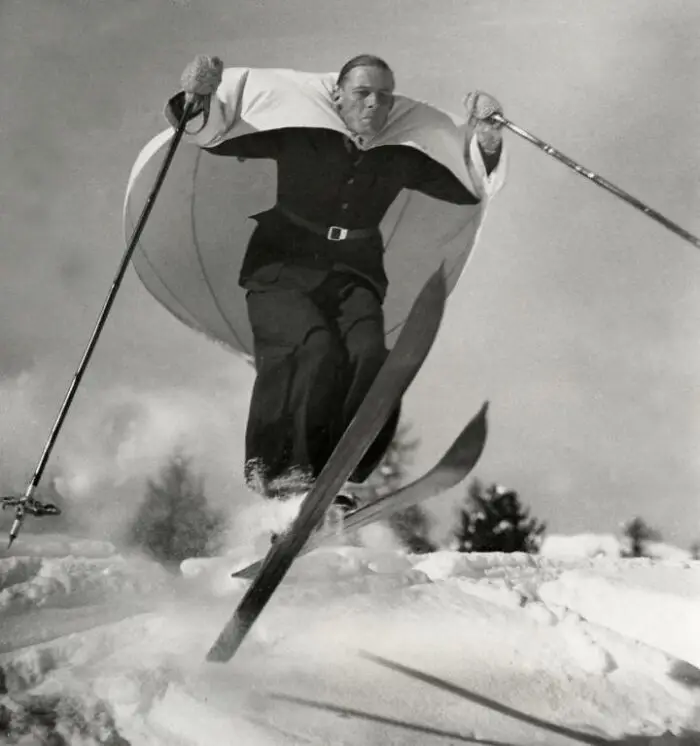
#31 Ski-Sailing - A New Sport Invented In Austria, Demonstrated In St. Moritz, Switzerland
Report
45points
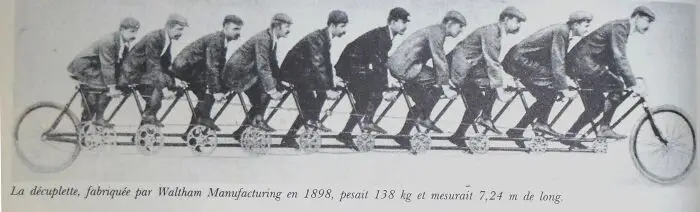
#33 Automated Doors
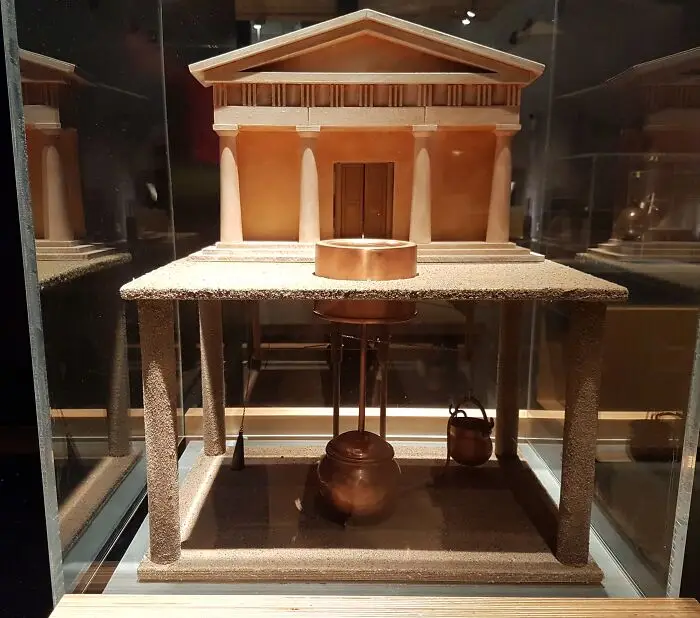
Automated door technology appeared in 1931 and was considered one of the signs of the “modern” age. Yet, the world had already seen this technology back in 1 AD. So how did it work? If you wanted to open the door, a fire would need to be lit to generate heat, causing an atmospheric build-up in brass vessels. This vessel would then pump water in holding containers, and these functions would act as weights to open the door. Think of it as a hydraulic system. Unfortunately, the doors were not that practical and not as popular as the modern doors you have around your city. The ancient doors took hours to open, and the process was hard to stop once it started. So, this probably meant that you only opened your doors once a day.
Report
44points
#34 The Assyrian Nimrud Lens
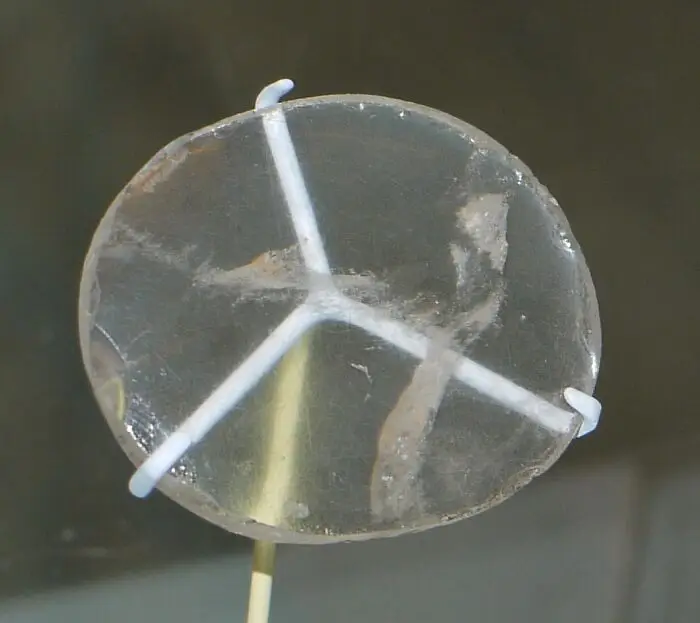
The Nimrud lens, a 3,000-year-old rock crystal discovered in 1850 at the Assyrian palace of Nimrud, is a fascinating ancient artifact. Roughly oval and with a focal length of 12 cm, it functions as a 3× magnifying glass, though its exact use is debated. Some believe it was a magnifying glass or burning-glass, while Italian scholar Giovanni Pettinato proposed it could have been part of an early telescope. This challenges the conventional belief that the telescope was invented by Hans Lippershey in 1608, suggesting that ancient civilizations may have had advanced knowledge of astronomy.
Report
42points
#35 The Dynasphere
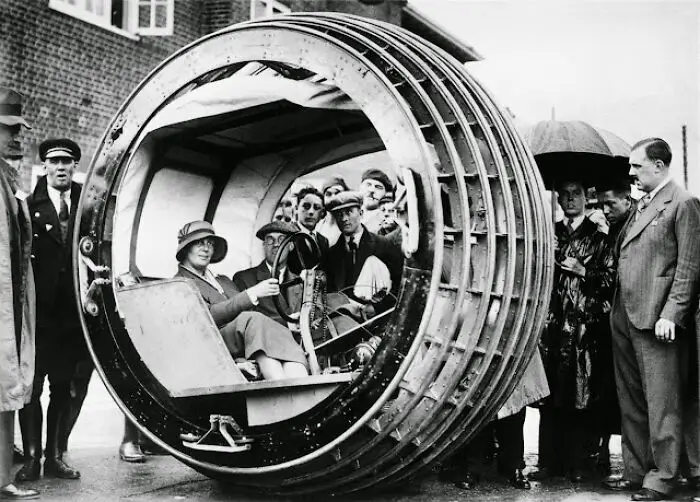
Why drive on four wheels when you can drive on one? In the early 1930s, Scottish engineer J.A. Purves created a zany monowheel vehicle called the Dynasphere. Purves viewed the monowheel as an alternative to traditional automobiles like the Model-T Ford. Imagine sitting inside a giant tire that rotates around you. That’s how the Dynasphere worked. Only the Dynasphere didn’t really work as it was intended to. The vehicle has issues with stability and maneuverability. It looks like a clown car. No wonder it failed.
40points
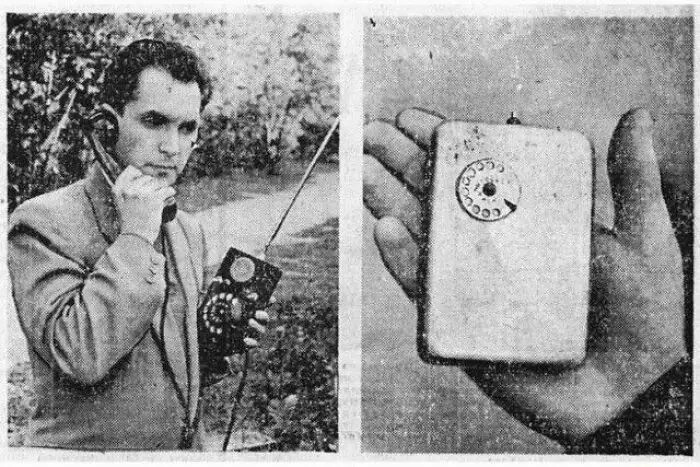
#36 Altai, The First Mobile Telephone, Created In Russia In 1963. It Allowed The Mobile Units To Connect To Landline Phones, And Was Originally Used For Emergency Services
Report
40points
#37 Flying Cars
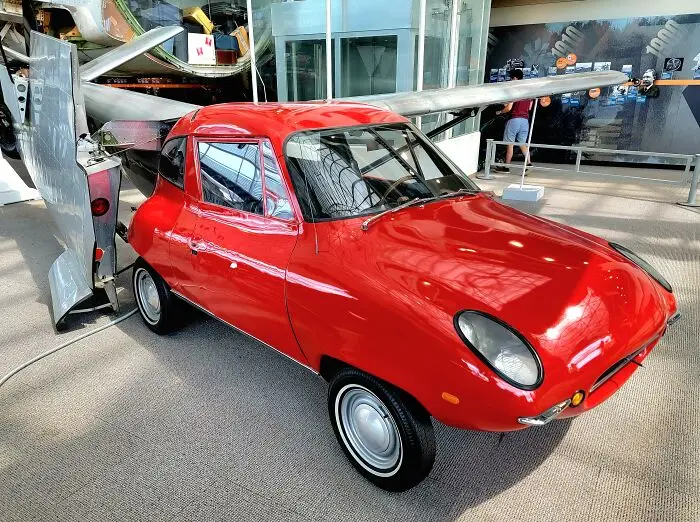
Although we now have drones that deliver our pizzas and Amazon packages, the public is still waiting for the day when we can all zip around in flying cars like George Jetson. The concept of flying cars has been a longstanding vision of the future … and the first flying cars were invented in the 1950s. Perhaps the most famous flying car prototype was the Aerocar. Designed by Molt Taylor, the Aerocar was a road-worthy aircraft with foldable wings and a detachable tail section. In theory at least, it was supposed to easily convert from a small airplane to a car. The Aerocar fell victim to practical challenges, safety concerns, and FAA regulations.
Report
38points
#38 Greek Fire
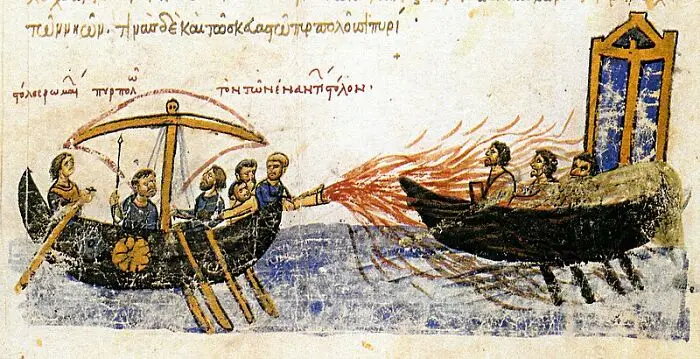
The Greeks created an incendiary weapon that was lit. Literally lit. Between the 7th and 12th century, the military of the Byzantine Empire had a secret weapon that made them virtually unbeatable in naval battles. That weapon was called Greek Fire. What was Greek Fire? We don’t know. The Greeks kept the formula a closely guarded secret … so secret that it has been lost to time. Greek Fire was described as “burning on water.” It was probably made of petroleum, quicklime, or other flammable chemicals that would float on the surface of the water as it burned.
Report
38points
#39 Difference Engine
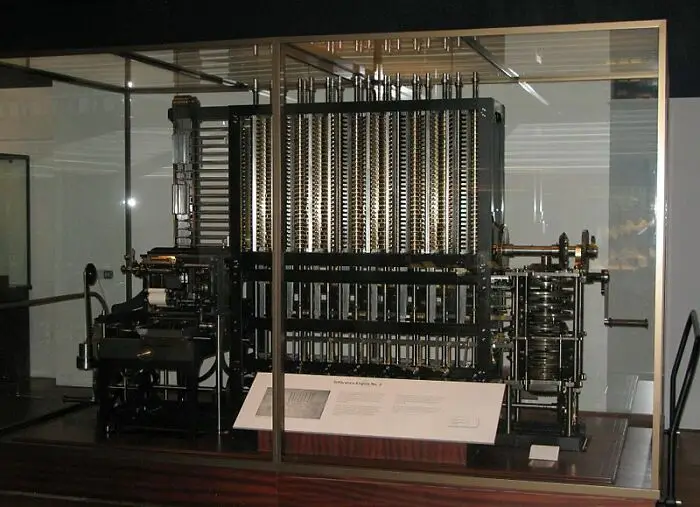
Though one was never built in his lifetime, Charles Babbage proposed his idea for a difference engine, a kind of minimalist steampunk take on what a computer should do.
His ideas helped lay the foundation for the personal computers we have today.
His ideas helped lay the foundation for the personal computers we have today.
Report
38points
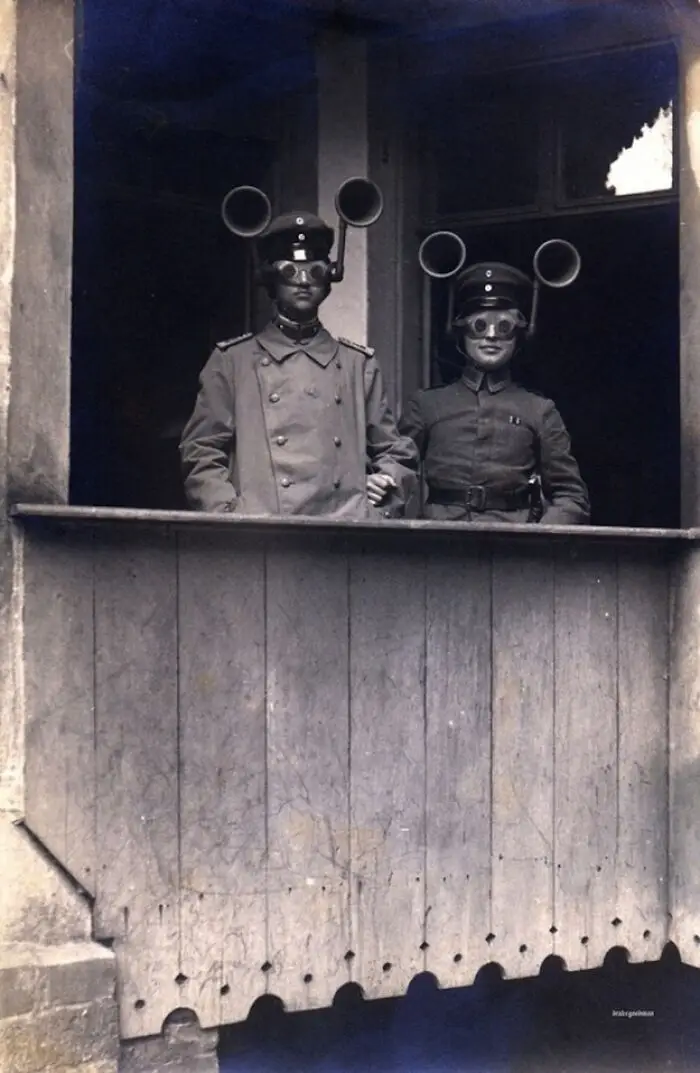
#40 A German Officer And An Nco Wearing Portable Sound Locating Apparatus’s To Detect Enemy Aircraft (This Was A Type Of Early Radar). Western Front, 1917
Report
38points