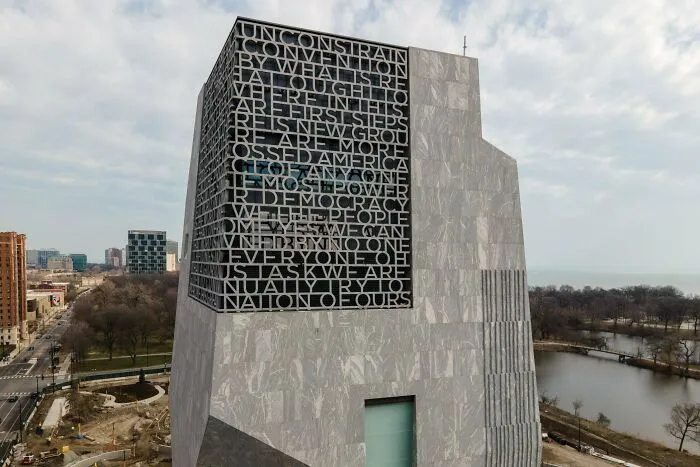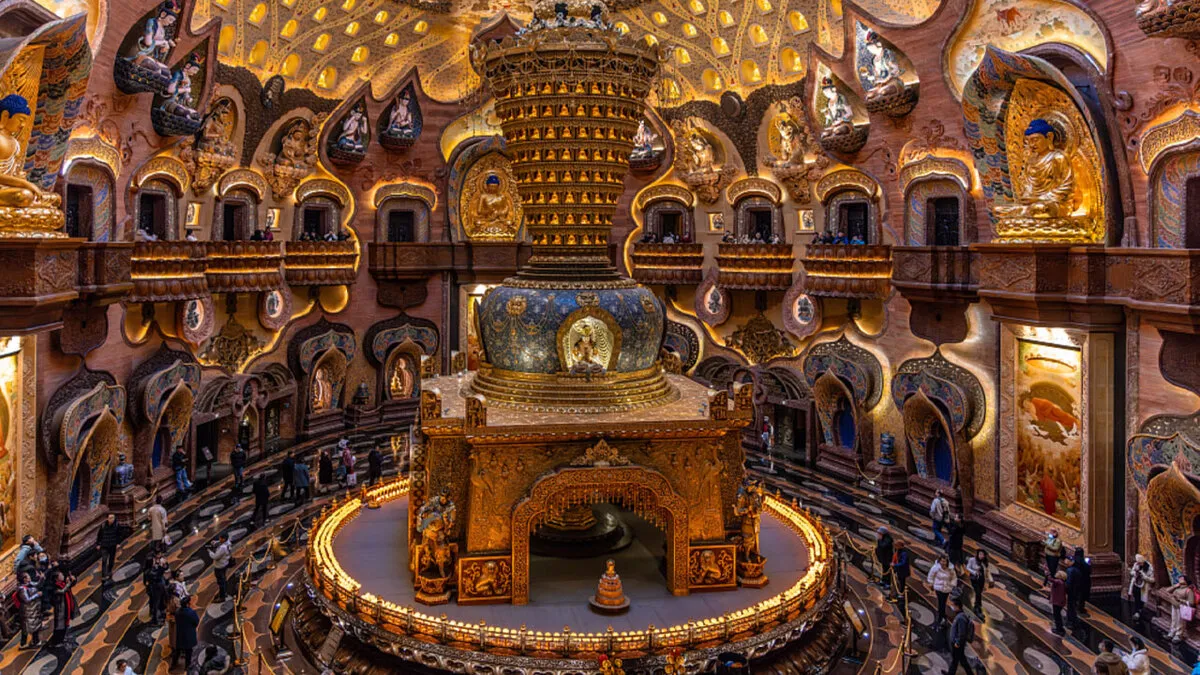



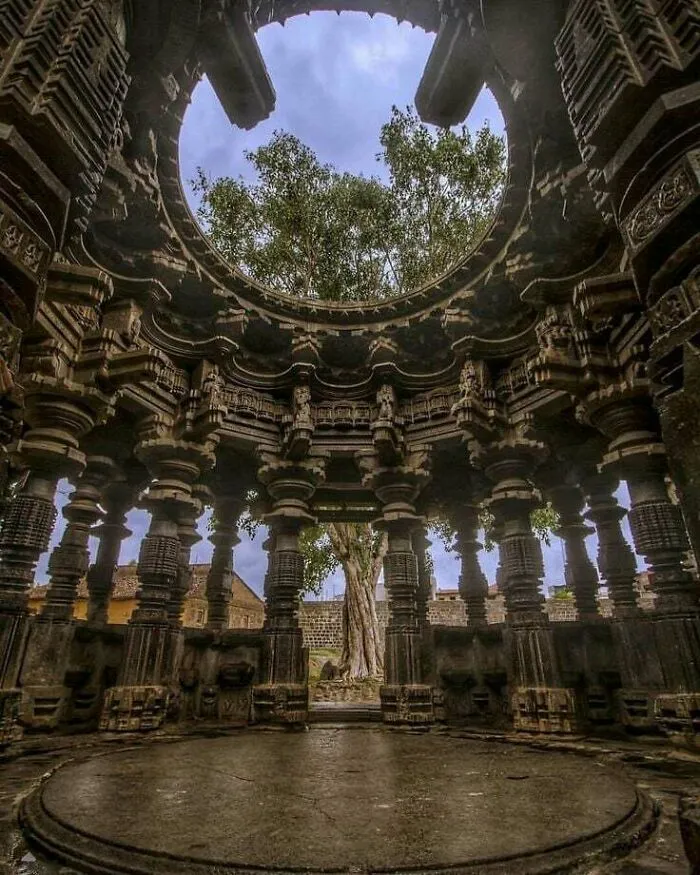
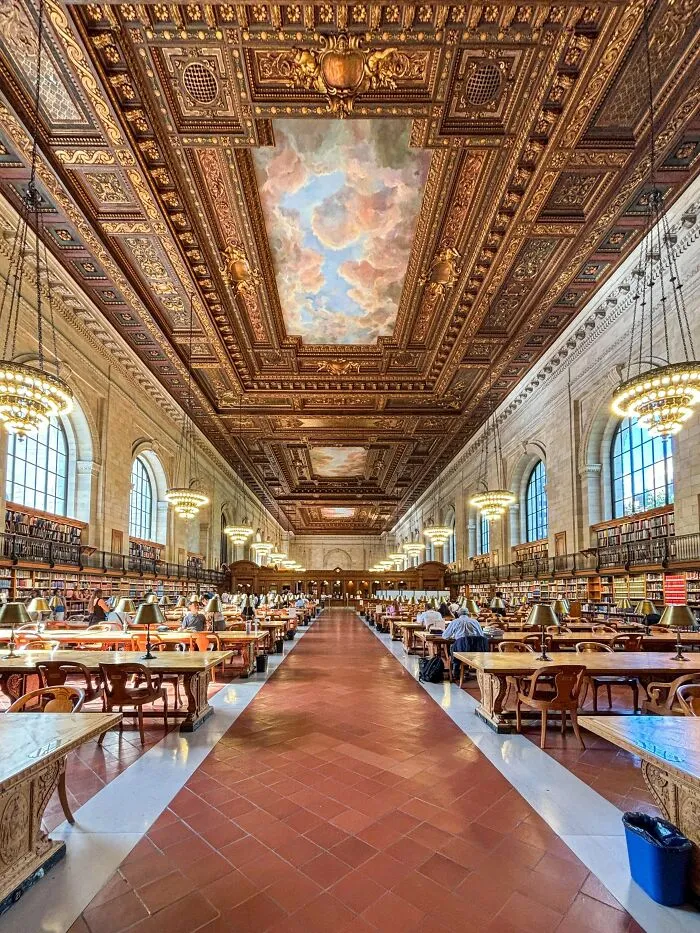
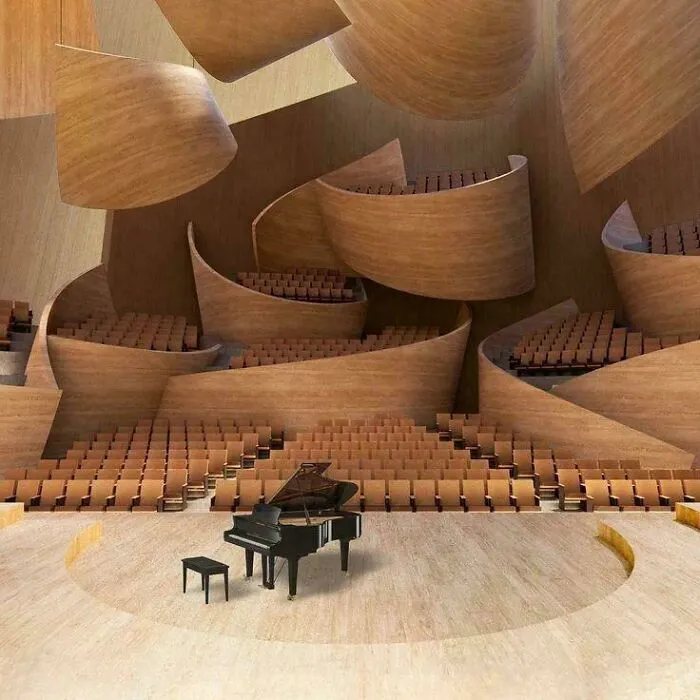
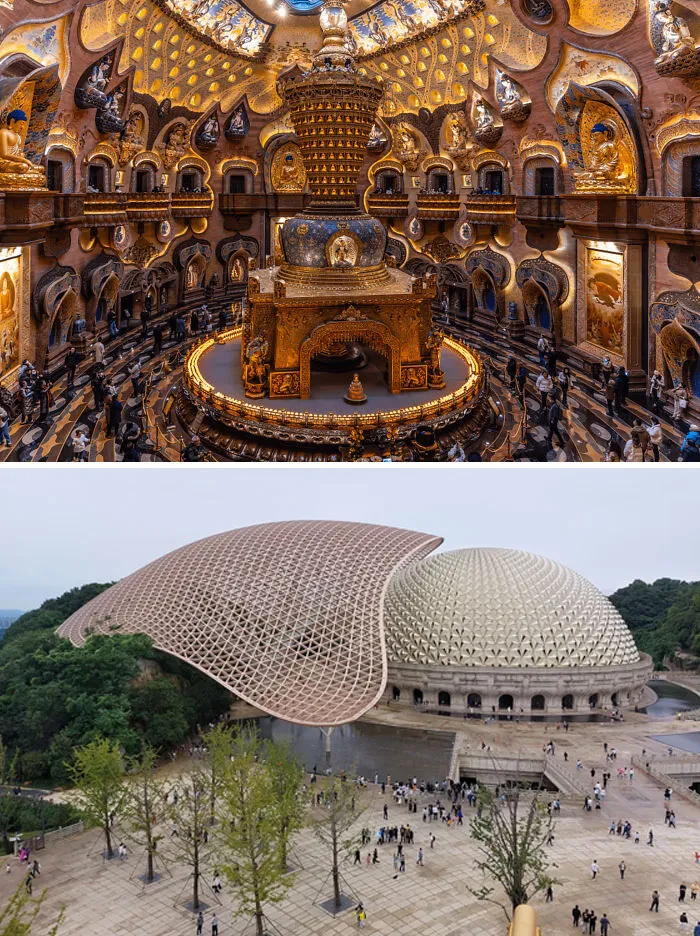
#3 The Tension Instrument Concert Hall Designed By Lihan Jin.the Design Won The Gold A' Design Award In 2023 For Architecture
Architecture has been around for thousands of years, and it’s pretty fascinating to see how much it has changed. Every generation of architects has had different materials to work with and new problems to solve.
Some of their ideas have completely changed how we build, while others have been passed down for centuries. And interestingly enough, a few ancient techniques are still giving modern architects plenty to think about.

Take the Pantheon in Rome, for example. Built nearly 1,900 years ago, it still has the largest unreinforced concrete dome in the world. The Romans achieved this without the steel reinforcement commonly used in modern construction.
They also made the concrete progressively lighter toward the top of the dome, helping it support its enormous weight. Pretty impressive for something built so long ago!
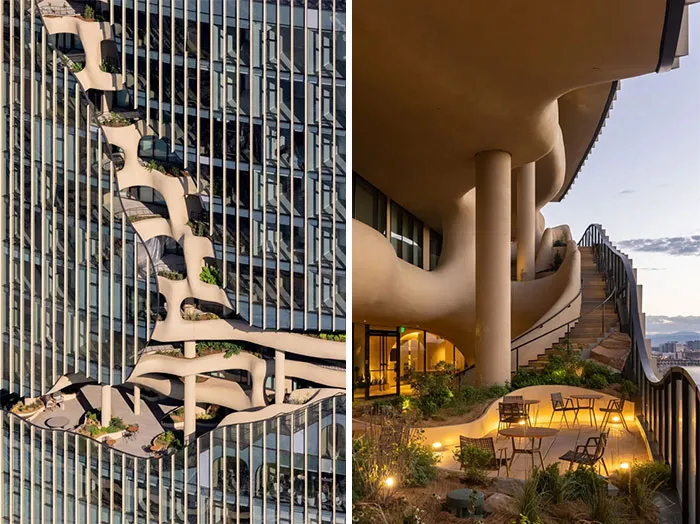
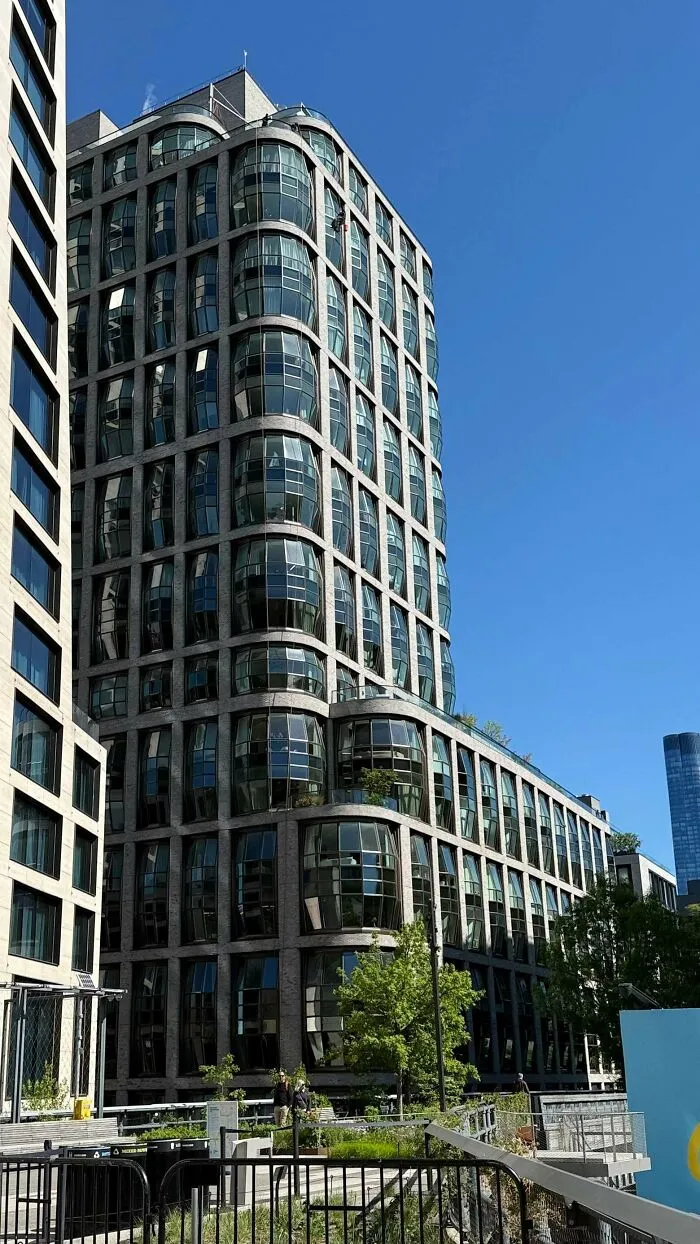
#7 The "Cracked Open" Building Orn Denver By Mad Architects Is Based On The Biophlic Design Concept
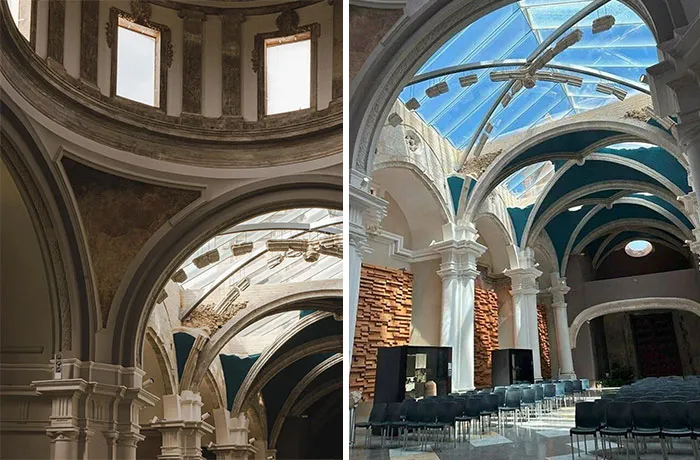
#10 Conversion Of A Ruined Church Into A Cultural Centre In Requena, Spain - Francisco Jurado And Belen Ilarri (2015)
But ancient builders weren’t only concerned with keeping their structures standing. They also had to figure out how to make them comfortable to live in. In the Iranian city of Yazd, for example, traditional buildings feature special towers called windcatchers, which help cool indoor spaces by directing air through them.
According to UNESCO, these towers, along with thick earthen walls and courtyards, helped residents adapt to the harsh desert climate. It’s a clever solution that doesn’t require modern air conditioning.

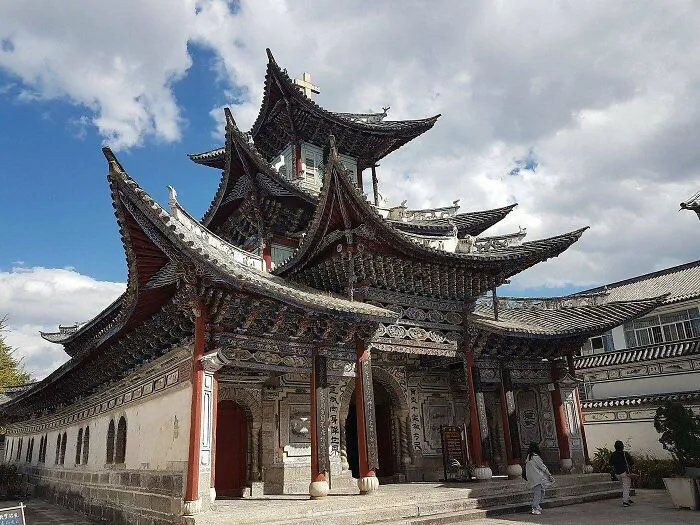
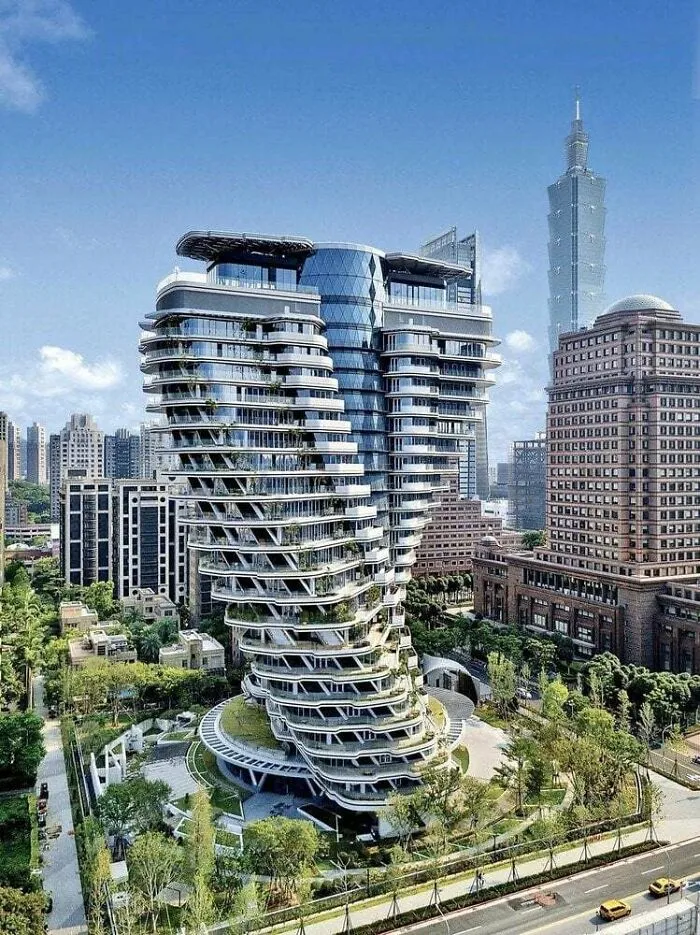
#13 Tao Zhu Yin Yuan By Vincent Callebaut Architects In Taipei,taiwan (2018)
As centuries passed, new materials opened up possibilities that earlier architects could barely have imagined. One particularly impressive example was London’s Crystal Palace, built for the Great Exhibition of 1851.
Designed by Joseph Paxton, the enormous structure was made using almost 300,000 panes of glass supported by an iron framework. Even more remarkably, the whole thing was completed in just seven months. Its prefabricated parts made construction much quicker than traditional methods allowed.
Sadly, the Crystal Palace was destroyed by a fire in 1936, so we can only admire it in old photographs and illustrations today.
It took a long time for women to be officially welcomed into the world of architecture. For centuries, the profession was dominated by men, and women often struggled to get the same education and opportunities. In Britain, for example, women weren’t admitted to the Royal Institute of British Architects until 1898.
That year, Ethel Mary Charles became its first female member, followed by her sister Bessie in 1900. Both sisters had previously been refused entry to the Architectural Association, which didn’t begin admitting women until 1917.
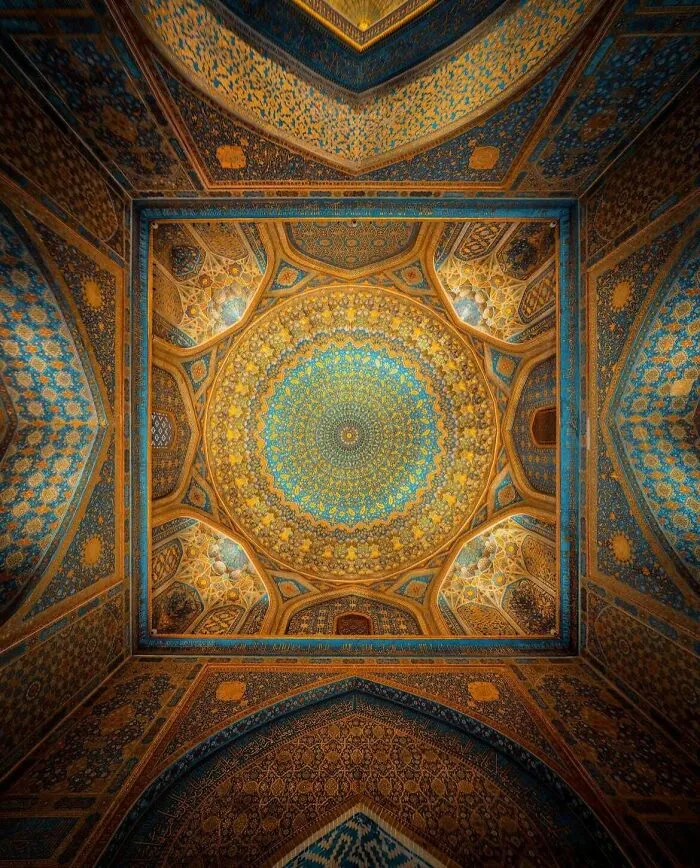

#19 Chengdu Jiaozi Park, One Of The City's Most Design-Oriented Landscape Parks

Despite this achievement, the sisters still struggled to get work on larger projects, which were usually reserved for men. Instead, they focused on designing homes, often for female clients. Ethel, for example, designed workers’ cottages for Letchworth Garden City in 1905.
The sisters also worked together on residential projects in Cornwall. Their careers helped open doors for future generations of female architects, even if they didn’t get the same recognition as many of their male contemporaries.