

This post may include affiliate links.
Previously, Tim from the University of Alberta explained to Bored Panda that there are objectively good and bad interior design decisions. Not everything is subjective. Though that doesn’t mean that our sense of taste is unimportant. In fact, it’s what causes a gray area between quality and a lack of it in interior design.
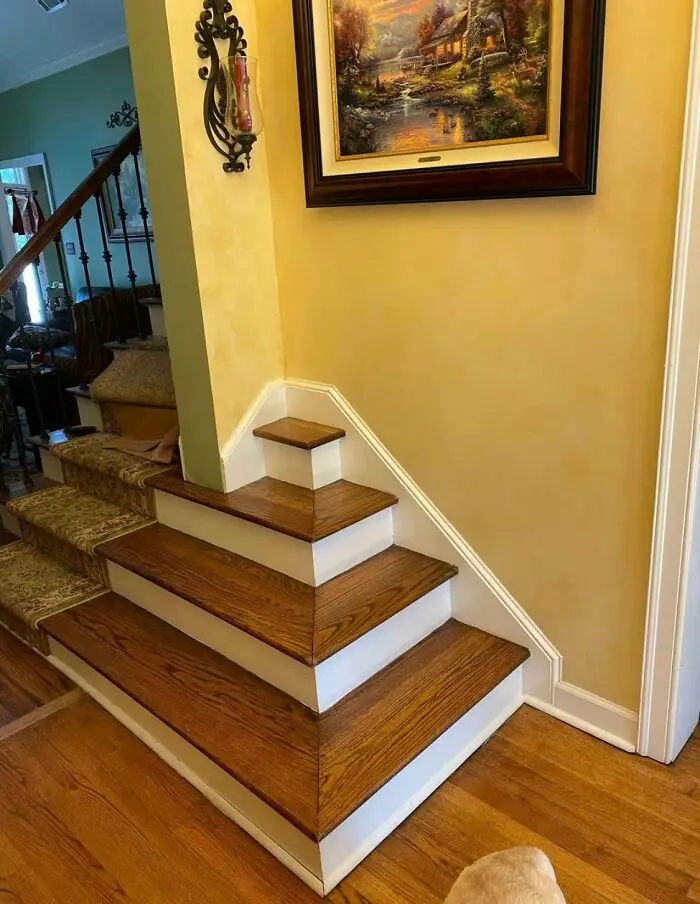
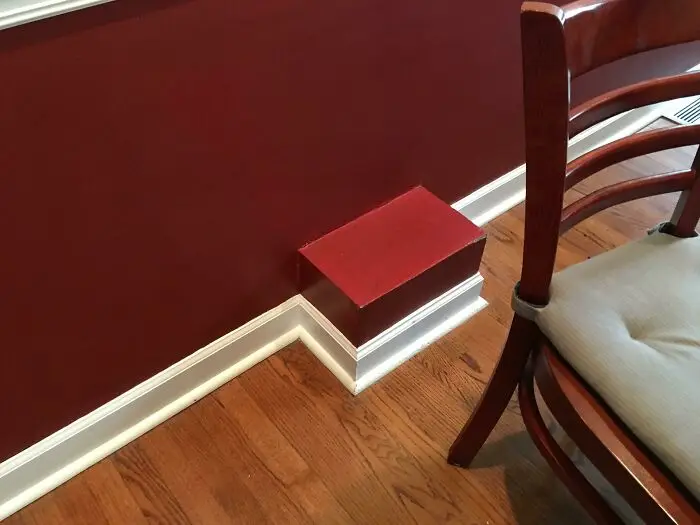
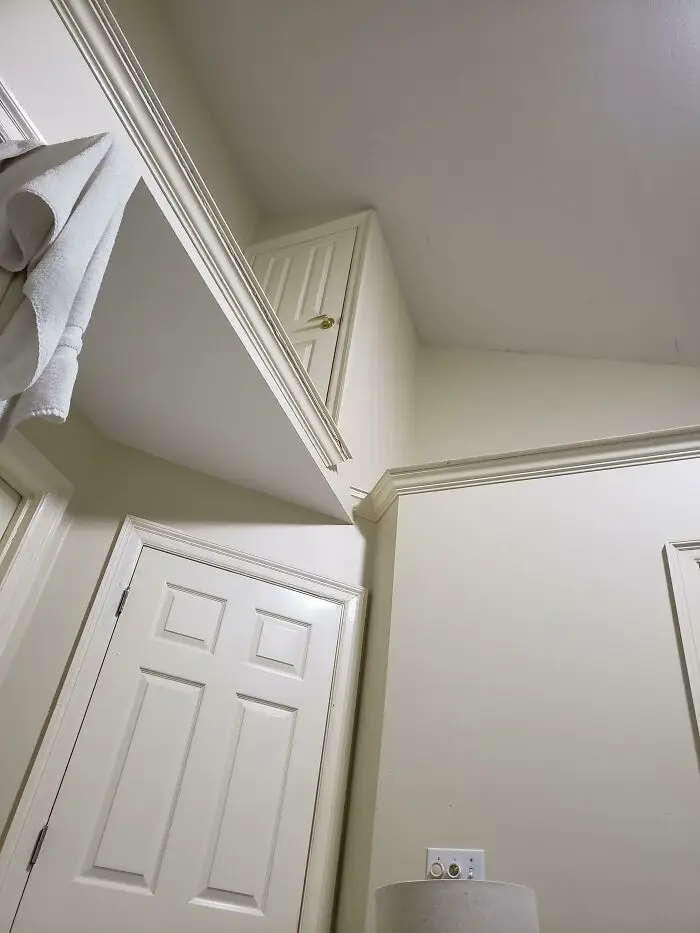
"The gray area comes in when people start to talk about taste and about degrees of aesthetic. I may love the design of Bauhaus furniture, for example, while somebody may feel that it is too cold and void of personality. Not unlike great art, I believe that much of what came from this era is ‘great design,’ in part because it represents an era and a philosophy. When we start to mix in discussions of taste and preference, that is where the gray areas of good and bad design get blurred,” he said.
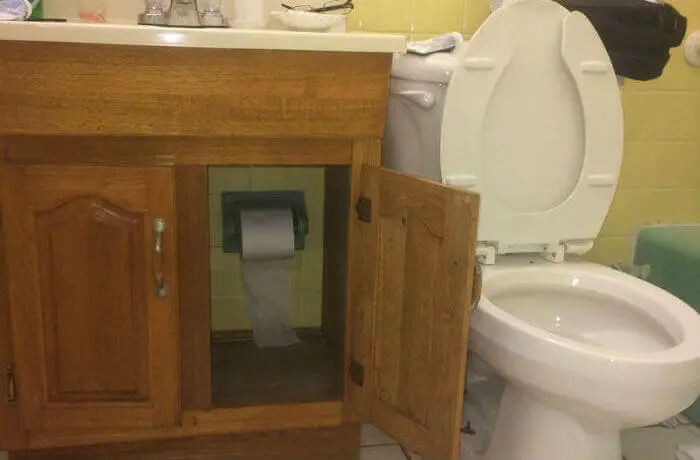

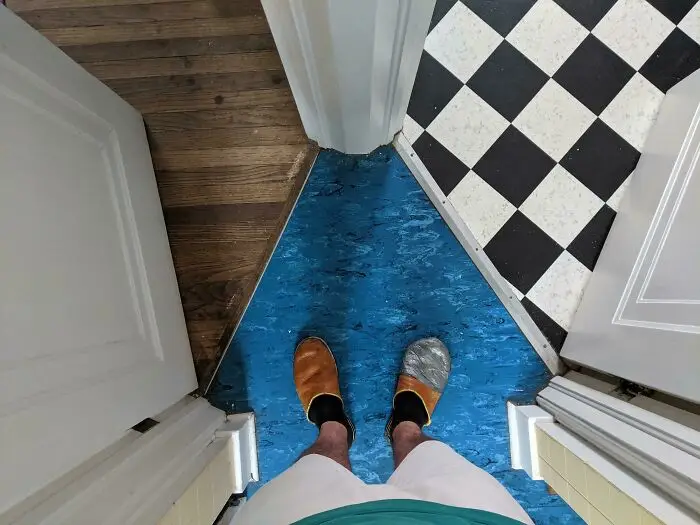
According to the expert, we can intuitively tell if a particular design is good or not. "Quite often, this relates to ergonomics and the usability or functionality of the products and services and systems. Having said that, I think far too many people expect poor design that doesn’t really work well," he said.
"For me, great design is what Dieter [Rams] talks about—it is also intuitive, it is deeply sympathetic and empathetic to the user at all levels, and at some level, it is emotional. It is a catalyst for giving us feelings."
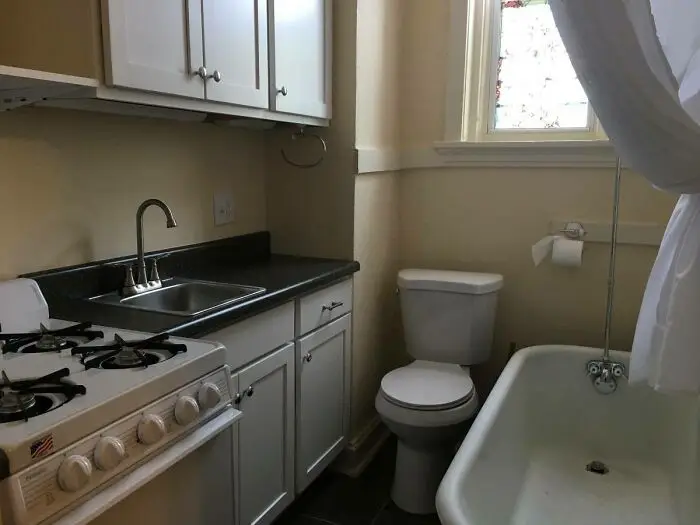



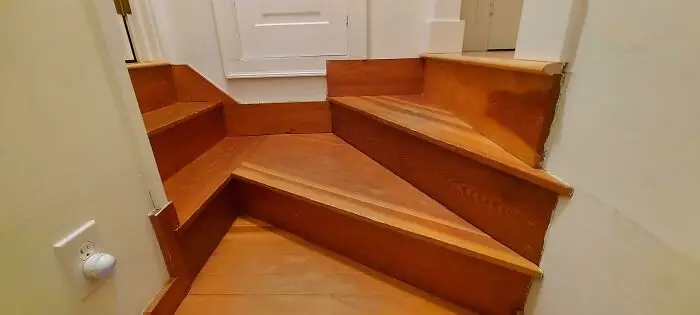

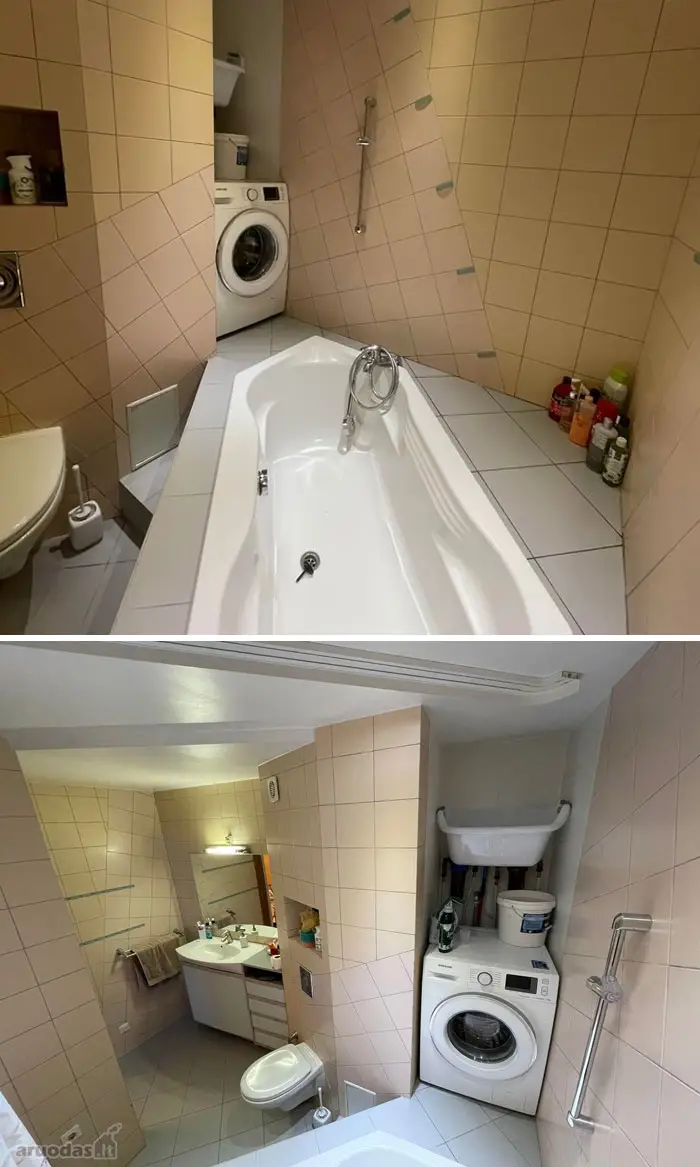
#36 Let Me Just Hop Into The Bathtub To Fill/Empty The Washing Machine. No Problem