


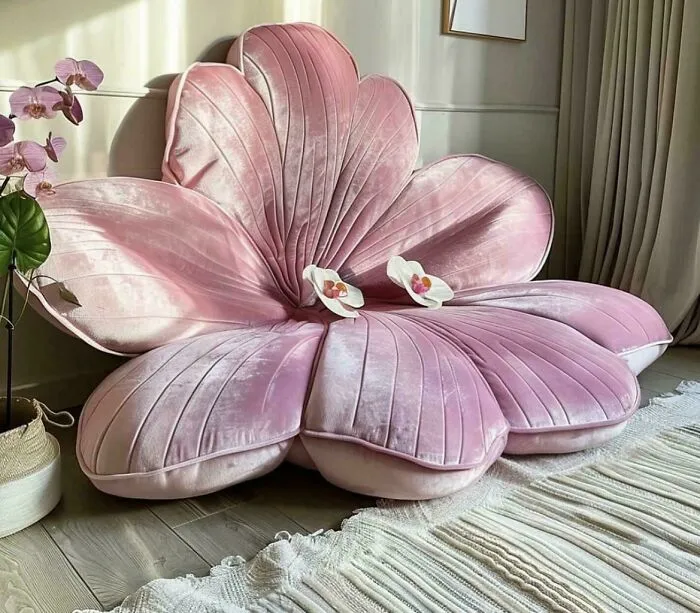
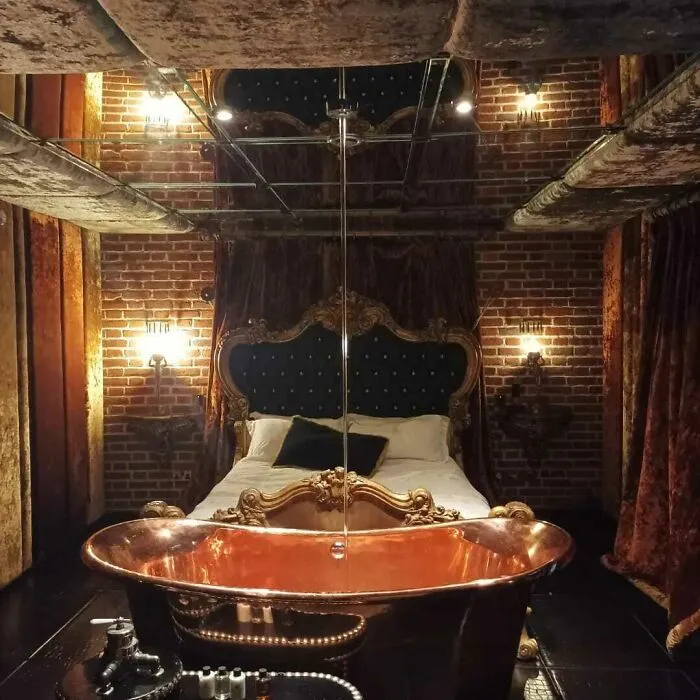
A home can reveal quite a lot about the person living in it, even when that was never the intention. Psychology Today describes the home as a kind of psychological identity kit, with décor, furniture, artwork, books, and room arrangements all contributing to how someone presents themselves.
Those choices can reflect hobbies, experiences, priorities, and even the person they hope to become. A collection of travel souvenirs, an unusual piece of furniture, or a room dedicated to a particular interest can therefore be more than decoration; it can be a visible record of someone's personality and life.
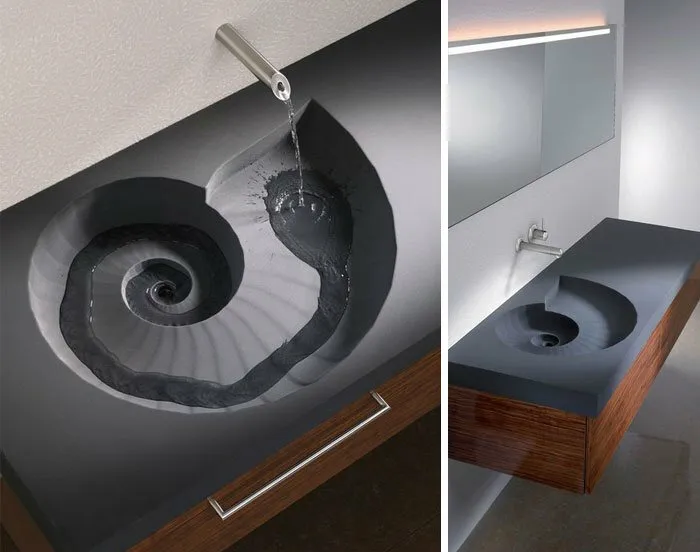
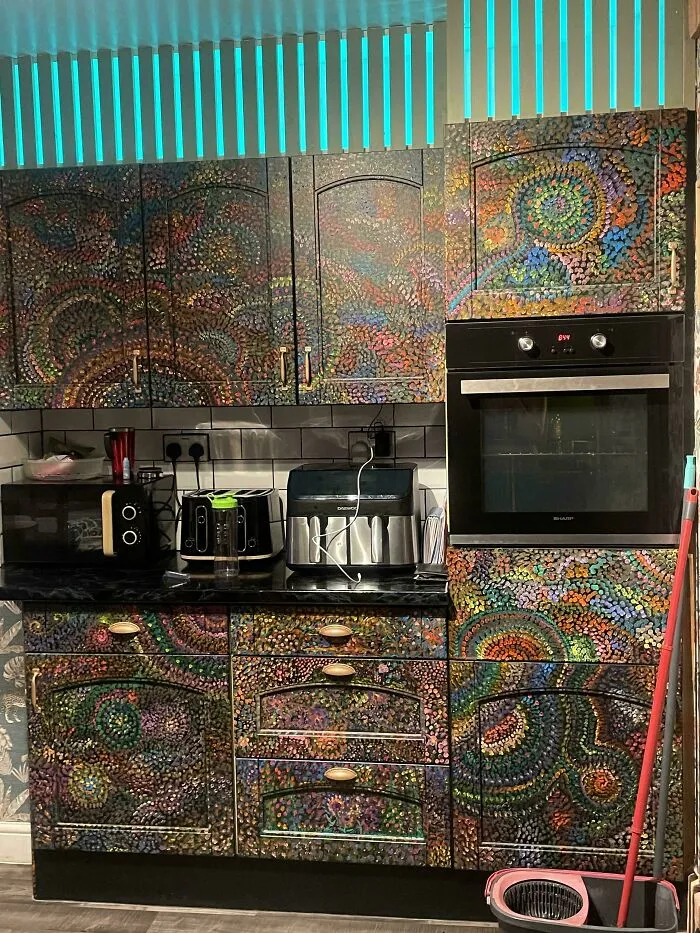
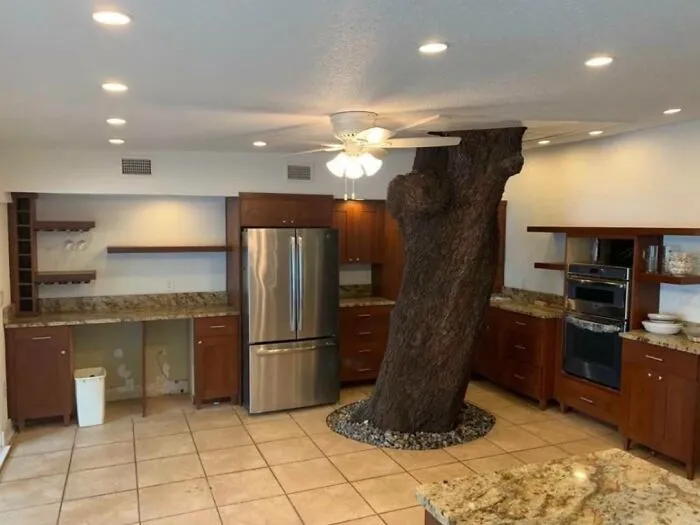
That personal connection also helps explain why people can become attached to design choices that others might find unusual. Family photographs, inherited belongings, and objects collected over the years can give a home a sense of history and belonging, while practical choices such as a reading corner or home gym can reflect someone's routines and ambitions.
The distinction between public and private areas matters, too. A living room or entrance may be carefully arranged to communicate a particular taste to visitors, while a bedroom, office, or storage area can be much more revealing of the owner's everyday habits. What looks like an odd decorating decision from the outside may therefore have a very specific meaning to the person who made it.
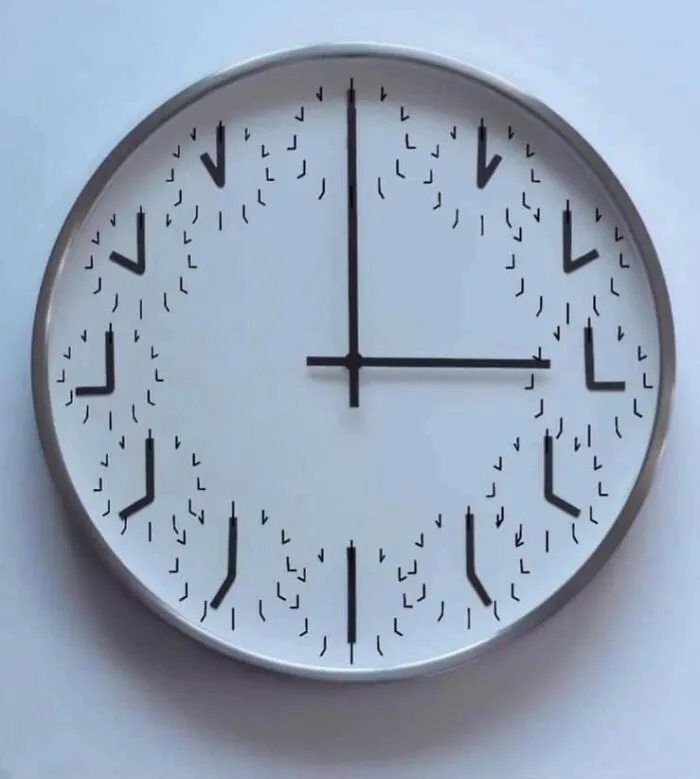
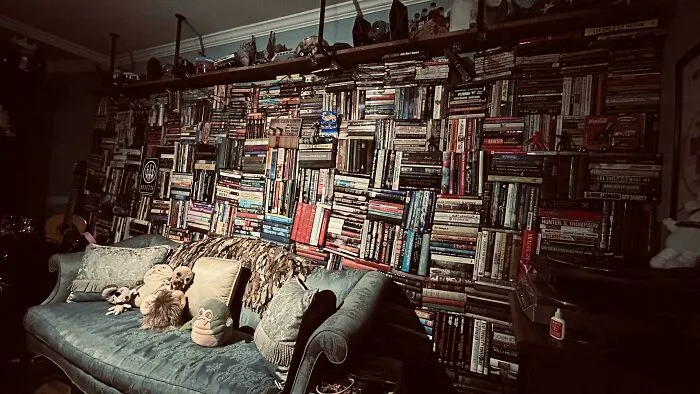
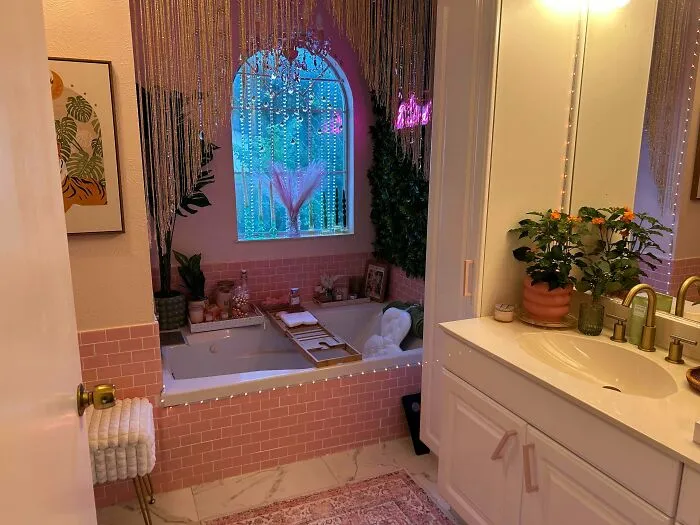
Of course, some people aren't interested in making their homes blend into a familiar design style in the first place. Architizer explains that unconventional interiors can be deliberately used to express creativity, challenge expectations, and make a space feel more personal.
Eclectic design, for instance, can bring together furniture and decorations from different eras and styles instead of following one visual formula. Maximalism pushes that idea even further by layering colors, patterns, textures, artwork, and objects. The result may look excessive to someone who prefers minimalism, but the abundance itself is part of the design language.
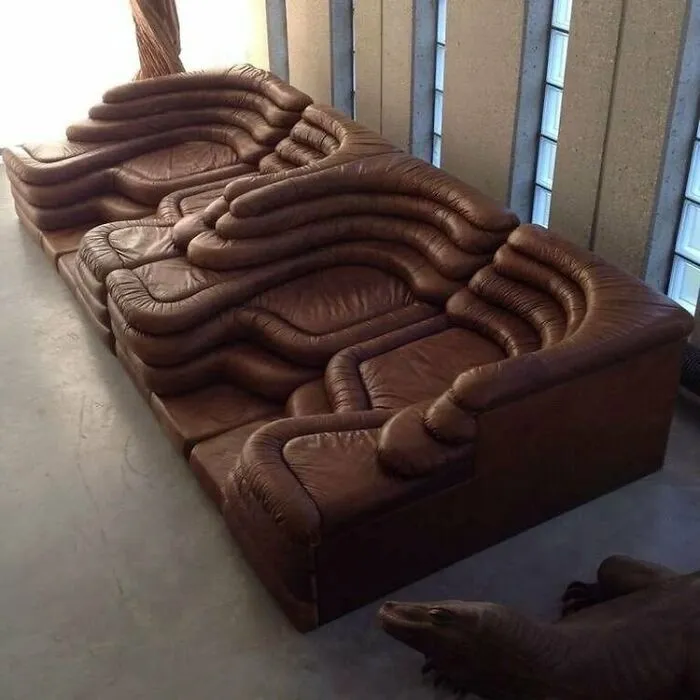
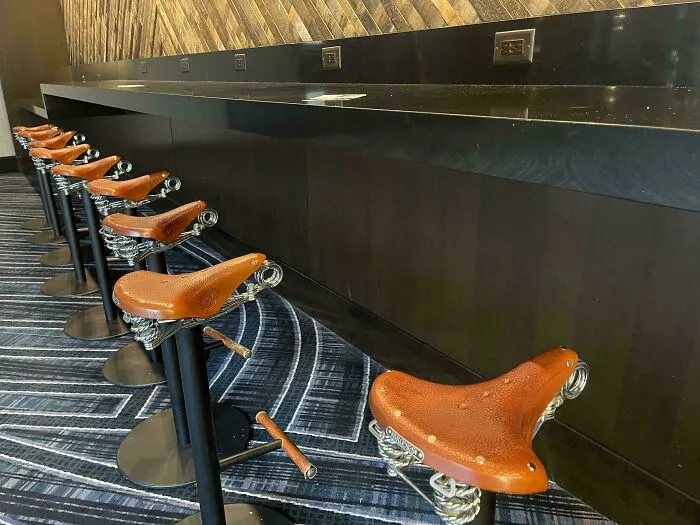
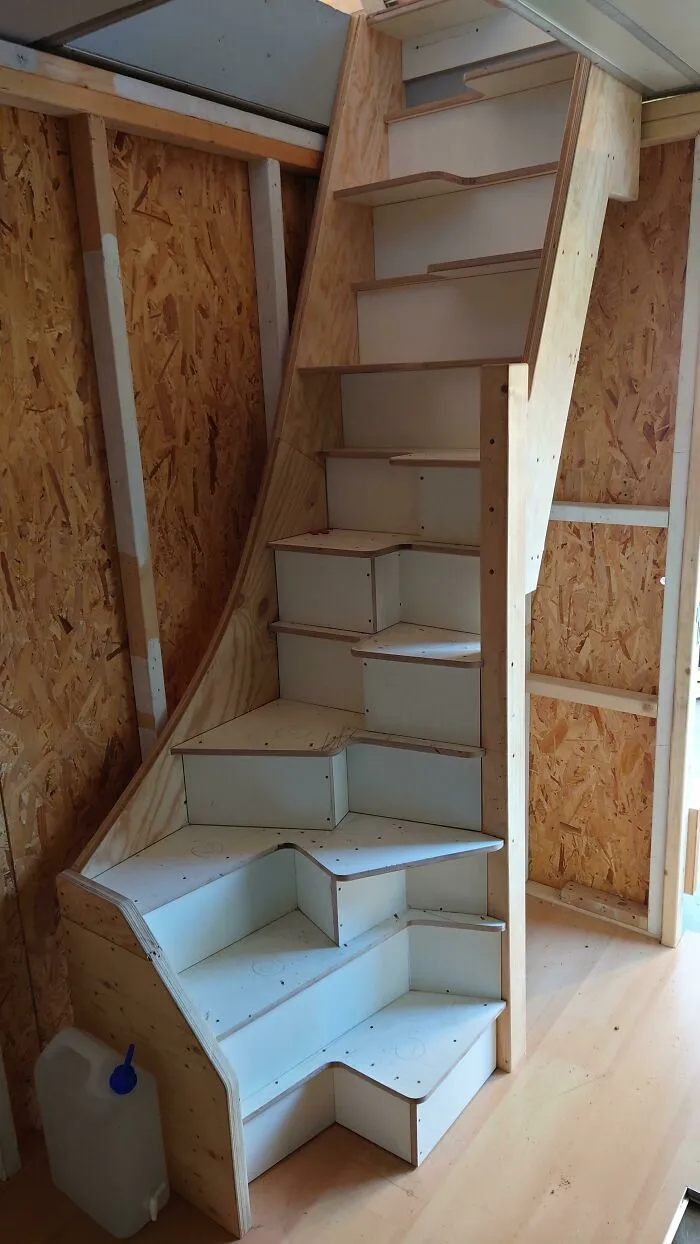
That willingness to mix things up can also make a room more memorable. Unexpected materials, unusual proportions, or surprising architectural features can create focal points and give a space a distinct identity rather than simply making it look like countless other homes.
Design does not always have to prioritize restraint or conventional beauty. It can also communicate playfulness, rebellion, cultural influences, or a desire to experiment. For some homeowners, a room that makes people look twice is more successful than one that quietly follows every established rule.
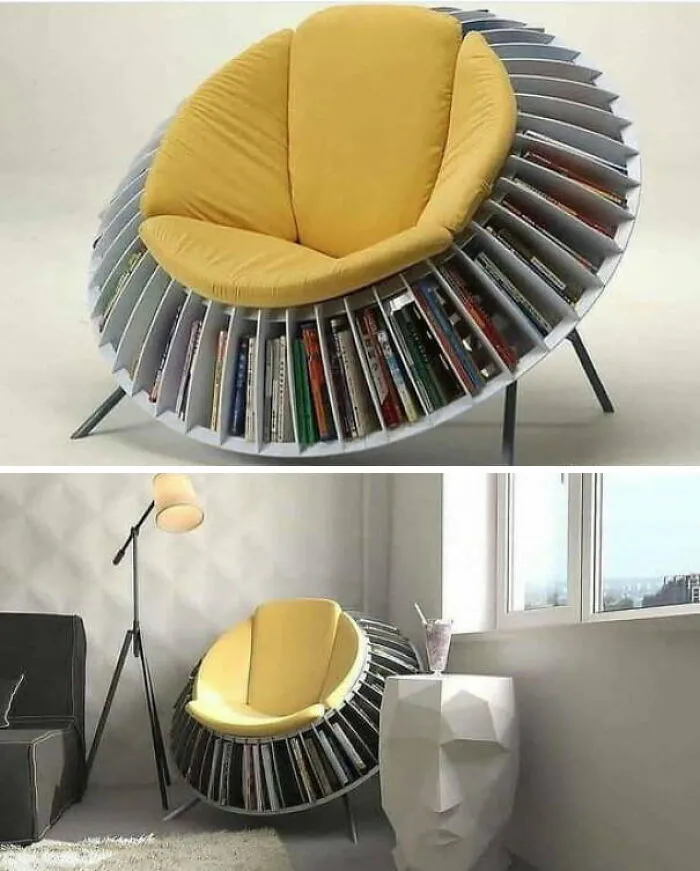
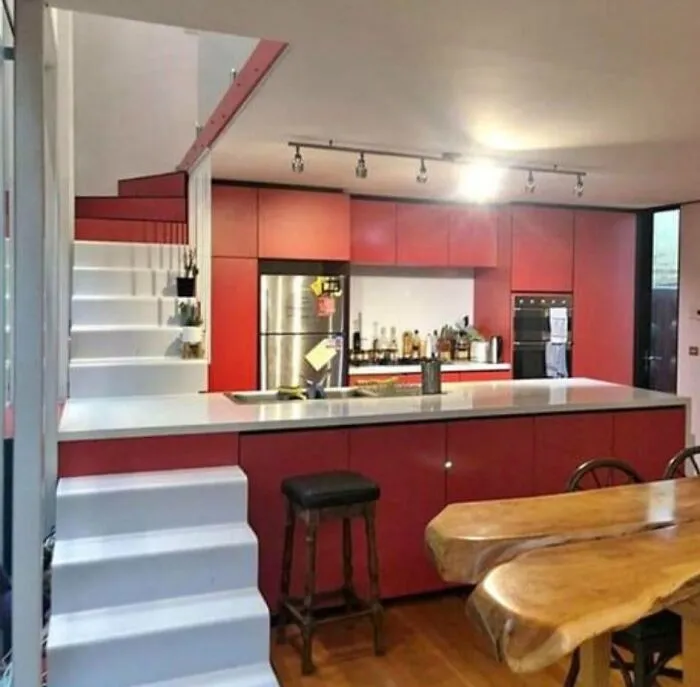
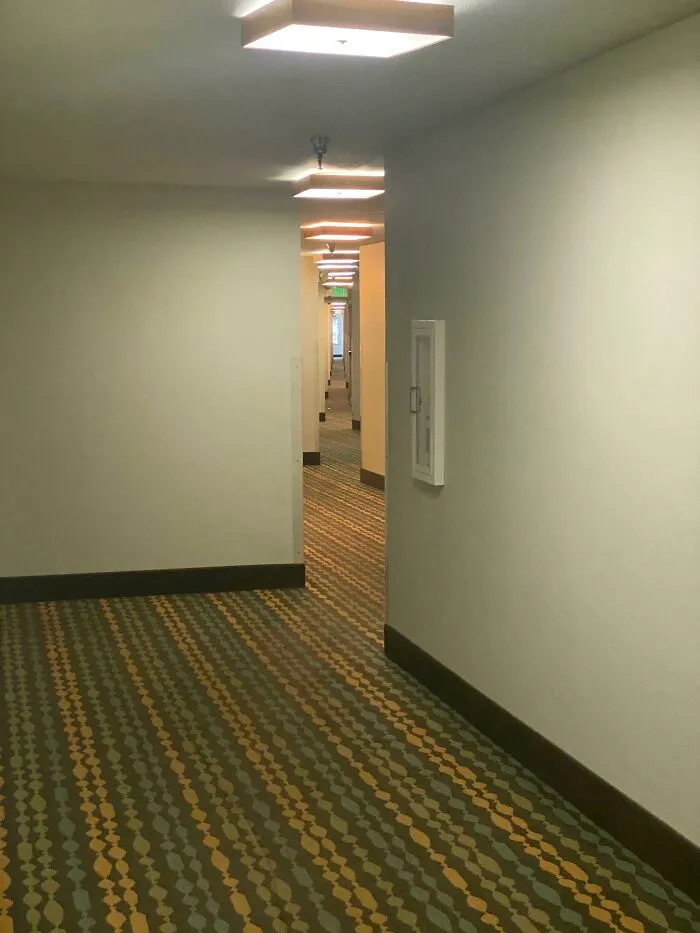
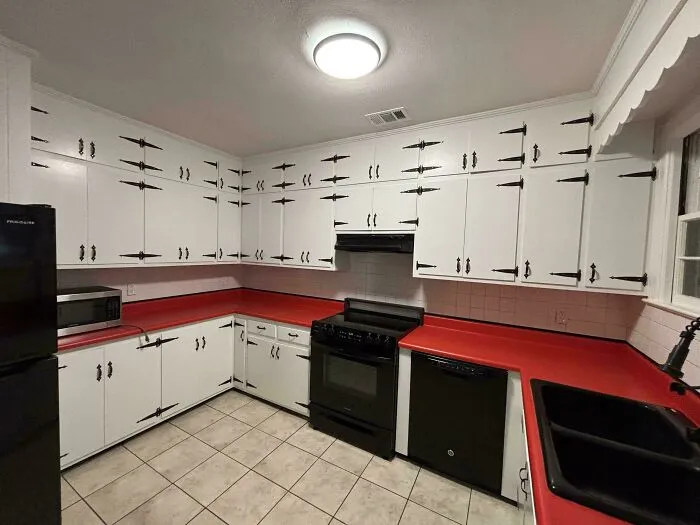
There is also a psychological reason why visually busy rooms can be appealing. Research discussed in Cortex suggests that some people are drawn to information-rich environments because they offer more to explore. A room filled with objects, patterns, textures, and details can keep the eye moving and create a sense of discovery.
However, there appears to be a sweet spot: spaces with very little visual information can feel boring, while excessive complexity can become overwhelming. The most appealing environments often contain plenty of detail while still giving the brain some sense of order to work with.
#17 My Couch Is About To Drown In Cushions But I Just Can't Stop, Remove Them Or More?
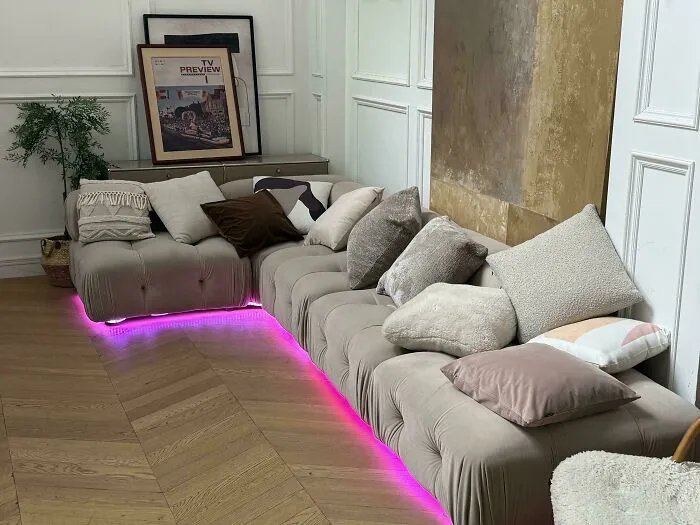
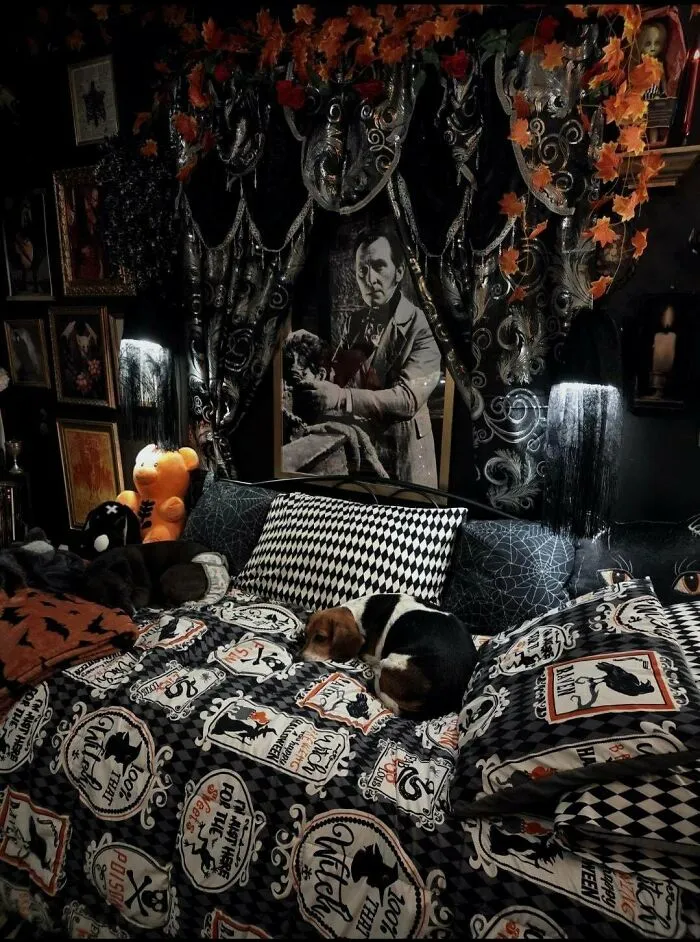
That order is important because complexity does not necessarily mean chaos. Repeated colors, similar shapes, aligned furniture, or carefully grouped collections can give a busy room an underlying rhythm. The brain can then find patterns within all the visual information, making the space feel richer without becoming completely disorienting.
People also vary in how much stimulation they enjoy, meaning that a room packed with unusual features might feel exciting and creative to one person while feeling exhausting to another. For those who enjoy novelty, however, a visually layered interior can provide exactly the kind of stimulation they find engaging.