As recently as September 28, OpenAI announced that their DALL-E is accessible to all. Jacob Vaus writes for Built In that compared to other AI art generators, DALL-E is more about having fun.
It's not as cerebral and artistic as its counterparts. This program still struggles to generate human faces clearly and does better with pop culture icons.
Stable Diffusion operates with a more interesting twist. While you can write a prompt of what you want to see, you also need to put in a negative prompt. The latter is what you don't want to see.
Such a system is bound to give the machine a clearer picture of what to generate. It sounds funny, but when you tell the program to generate an image that is not "low quality" and "ugly," you do end up with a nicer picture.
Lastly, Midjourney. This image generator runs through Discord. It's different from other generators in its generating process as well. You can watch how the program does its job in real time, somewhere around 30 seconds.
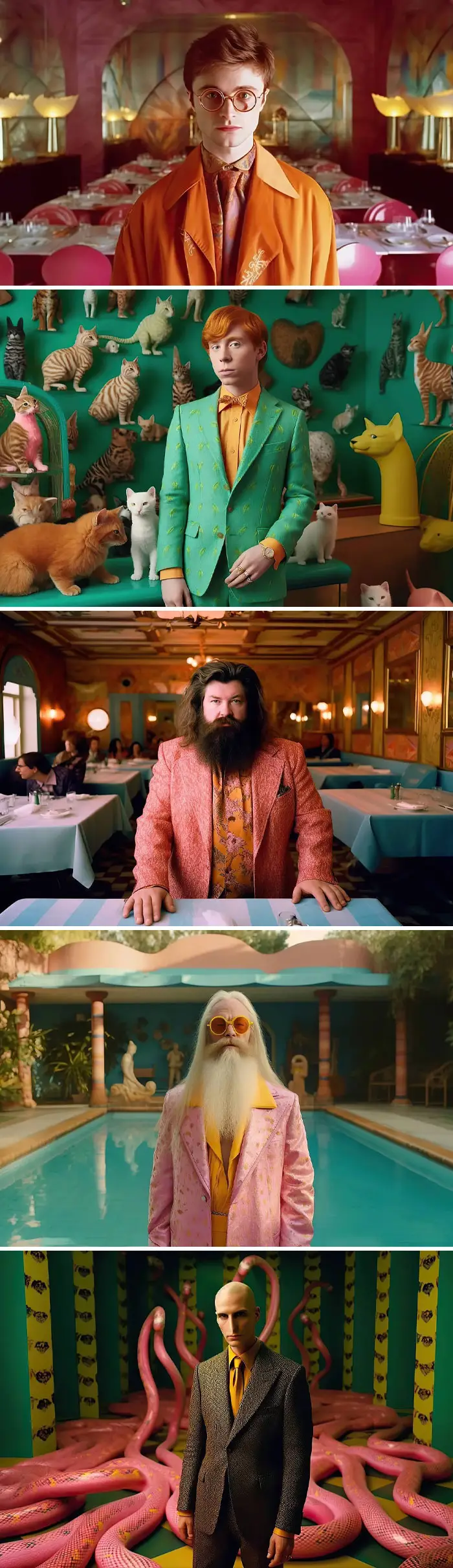
The results are not photorealistic and not very well suited to trick someone visually. However, out of the three, it works best for creating intriguing art.
Whether AI art is actual art is still up for debate. A professor and director of undergraduate studies in Harvard’s art, film and visual studies department Matt Saunders told Forbes that he doesn't have a fixed opinion on the topic.
"Art means what we ascribe to it. It can be a provocation, but it is essentially always part of a conversation. Many artists are already using the inventions (and provocations) of AI in works of great substance, but of course the artists are still the ones bringing it into the room. If things change, maybe that will change too."