







This post may include affiliate links.
#1 Abandoned Hospital. I Broke The Urbex Rule And Took Something Home


While people have explored abandoned spaces for generations, the term urban exploration only officially appeared in 1996 in Infiltration magazine.
However, the practice goes back much further. During the late 18th and 19th centuries, the Romantic movement sparked a massive cultural fascination with fallen architecture.
Romantic poets, such as Percy Bysshe Shelley, frequently wrote about the poetic beauty of nature reclaiming man-made monuments.

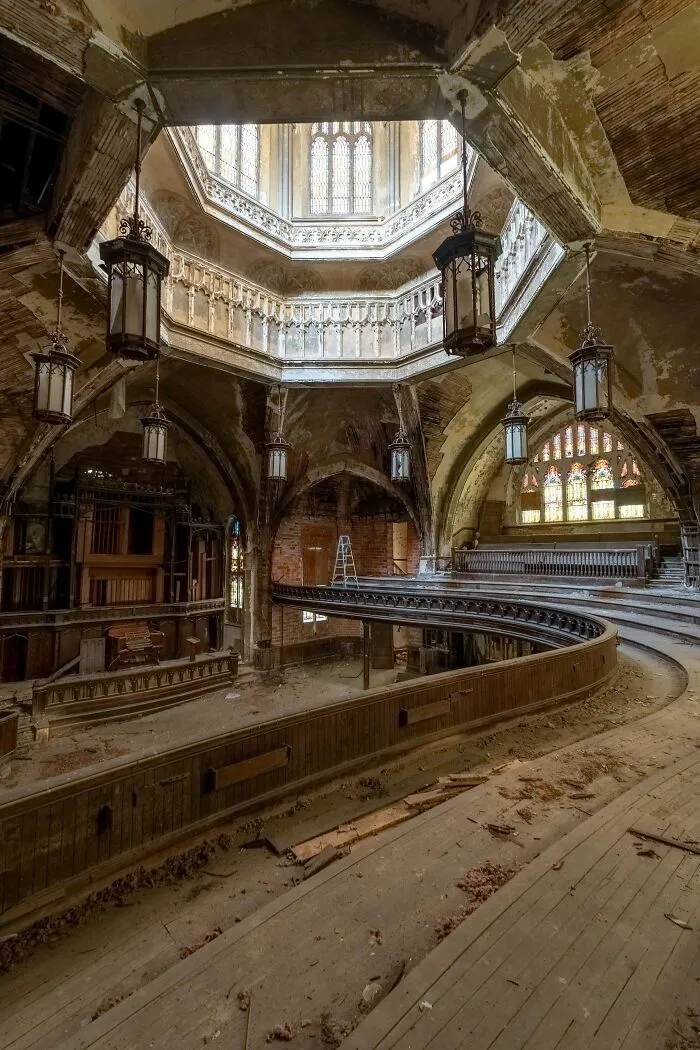

By the Victorian era, this obsession grew so widespread that society coined a specific term for it: ruin lust. It is derived from the German word Ruinenlust, meaning a deep desire to explore ruins.
Across Europe, visiting ivy-covered castles and crumbling monasteries also became a trendy pastime for travelers.
This trend quickly spread across the Atlantic. In 1861, legendary American poet Walt Whitman famously wrote about his own underground adventures inside Brooklyn’s abandoned Atlantic Avenue tunnel — considered the world’s oldest subway tunnel.
In 1920, a group of Parisian artists organized guided tours through abandoned churches and neglected city spots.
#7 Thinking About Climbing My First Tower But Saw This Sign. Anyone Know What It Means?
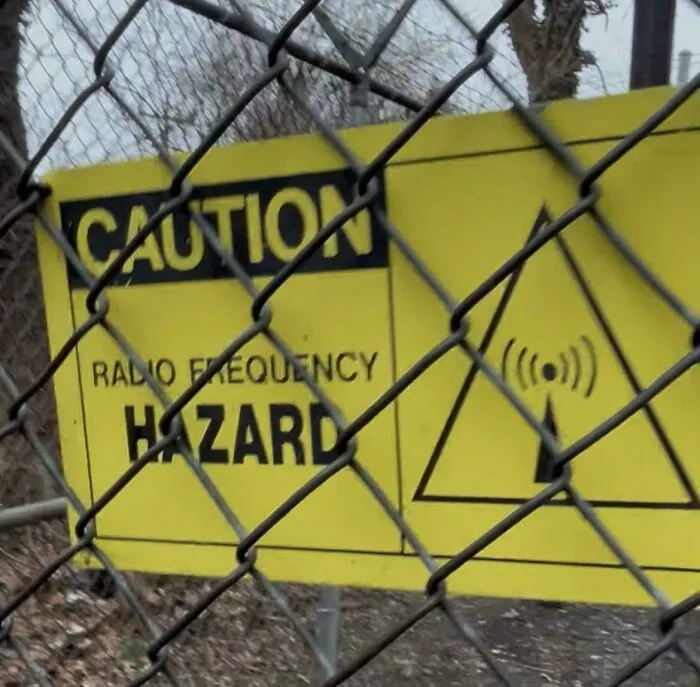
DO NOT. Emitters can be a lot of different strengths. If it can reach waaaaaay yonder you best not step right in front of it, unless you want to liquidate your insides.


Whether through 19th-century poetry or 21st-century photos, the urge to peek behind closed doors has always been part of human nature.
Yet despite the eerie environments, the global urbex community operates under some strict, unwritten rules. You should leave no trace behind, commit no vandalism, and take nothing but pictures.

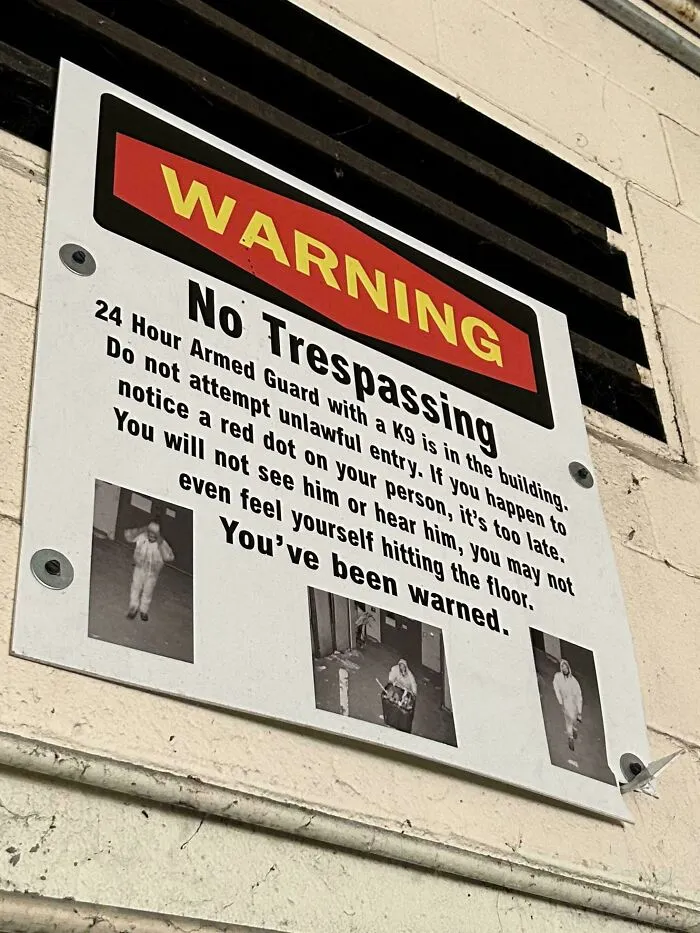
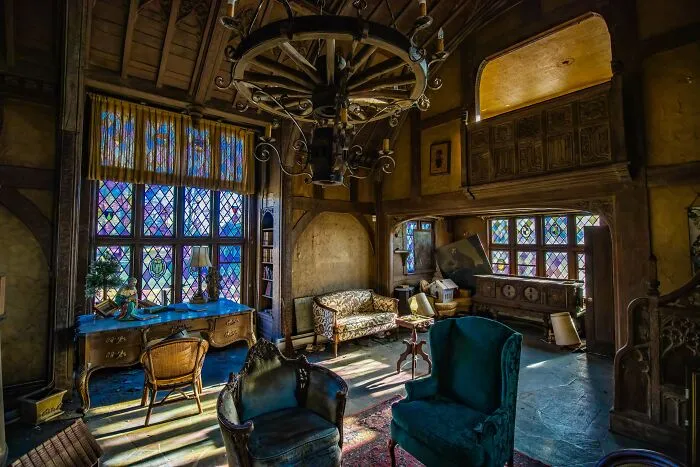
People are drawn to this hobby for different reasons, but for many, it comes down to a pure adrenaline rush. Part of that high naturally comes from entering strictly off-limits places. Navigating a private location under the threat of trespassing charges creates an intense level of suspense.
Avoiding security or law enforcement requires high vigilance, quick speed, and deep trust among teammates. As Chicago-based explorer Kelly Donahue puts it: “Yes, it’s trespassing, and yes, somebody doesn’t want us in there, but our goal is always to get in and then get out without anyone knowing that we were there.”
#13 Walked Through A Flooded Underground Car Park To Enter This Abandoned Mall

Fortunately the water was pretty shallow so I didn't risk getting any brain eating amoeba in me from the still water. (last image) 🙂


For some, urban exploration is also about uncovering the stories of the past.
When a hospital, factory, or estate shuts its doors, it leaves behind personal items, handwritten notes, and specialized equipment. These items offer an unfiltered look at daily life from decades ago.
By documenting these forgotten sites before they are demolished or collapse, explorers serve as unofficial archivists. Their photos and write-ups preserve local heritage and capture human stories and architectural details that would otherwise vanish from public memory.
“For me, it’s just a different way of learning about your history. Most of the places I’ve been to, I didn’t know their historical significance until after I went to take pictures,” says Tyrell Anderson of the Decay Devils.
#16 Abandoned… With Electricity?

BUT, there’s a motion-activated light outside (see 2nd pic). In your experience, does that mean someone is living there? Or just that someone’s paying the electricity bill?
PoofDatBoiGone:
I’ve explored abandoned places that still have the power on. Sometimes the town is paying for it, or the trust of the building, or the electric company simply doesn’t shut it off. Any idea what the building actually was/is? That could give more clues, perhaps it was a pump house and while not in active use, retains its power should it need to be used again. Lots of things to speculate on, I’d try and first figure out what it’s used for and go from there.

Urban explorers share the same deep curiosity for old design and local history as architects and historians. However, urbexers don’t always agree on what should actually happen to these places next.
Some prefer to see abandoned sites stay decayed, believing that peeling paint and rust give a building its soul and character.
But many others advocate strongly for adaptive reuse. They want the old, neglected structures to be turned into modern apartments, community hubs, or offices.
Studies show that adaptive reuse can help maintain cultural heritage, reduce construction costs, and breathe new economic life into surrounding neighborhoods.


Urban exploration has always carried inherent risks. But some experts believe that the rise of social media algorithms has pushed a new generation of explorers to chase increasingly dangerous extremes.
Today, online feeds are filled with “rooftoppers” dangling off skyscraper cranes, daredevils leaping across subway tracks, or thrill-seekers scaling high-voltage power pylons.
“The community has changed drastically. A lot of these kids are putting themselves at greater risk to gain credibility on social media channels. There have been an increased number of (fatalities) in the urbex community worldwide in the past few years, and that’s gone hand-in-hand with the increased desire to publish these exploits on social media,” says Bradley Garrett, author of 'Explore Everything: Place-hacking the City.'
