


The difference is also clinical. Many hoarders meet the criteria for psychiatric diagnoses. A large U.S. study found that over 50% of hoarders were also diagnosed with major depressive disorder. Around 25% had generalized anxiety or social phobia. These mental health challenges often fuel their attachment to objects and make it harder to seek help or make changes.
The impact on daily life is huge. Hoarders often experience significant impairment at work, in relationships, and even in basic daily tasks. Collectors? Not so much. Their hobby usually fits into their lifestyle and can even be a source of pride or connection. It doesn’t disrupt function—it enhances enjoyment.

#23 I’ve Been Collecting Food-Related Candles For Years And Yesterday I Found These

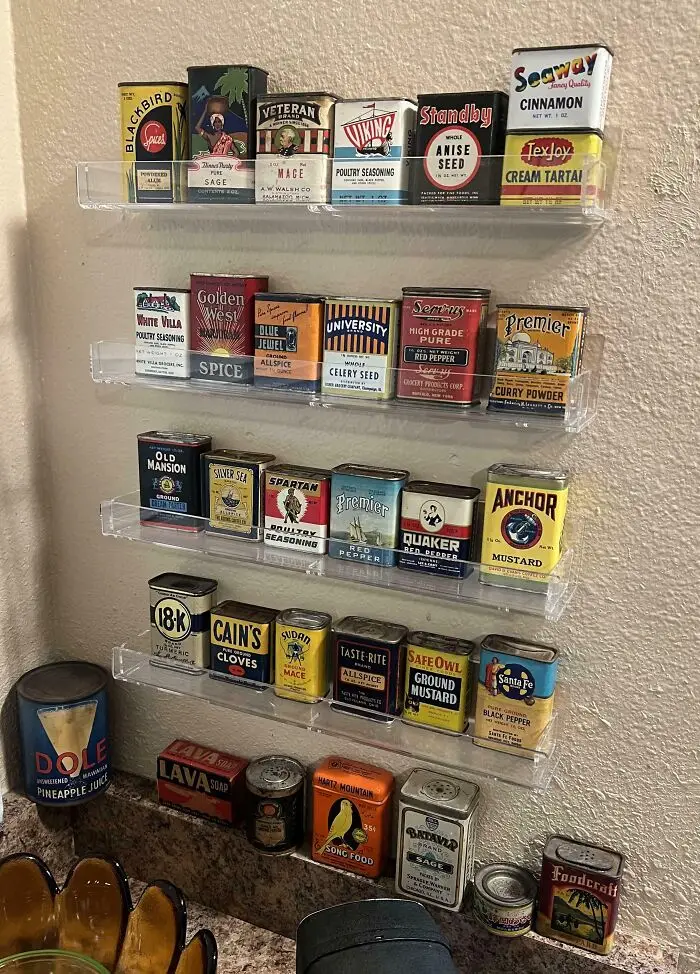
Hoarding can escalate if left untreated. It’s not just about clutter, as it can pose safety risks, affect hygiene, and strain relationships. But with the right support and treatment, many people can find relief and regain control. And it’s important not to confuse this with simply loving a good collection.
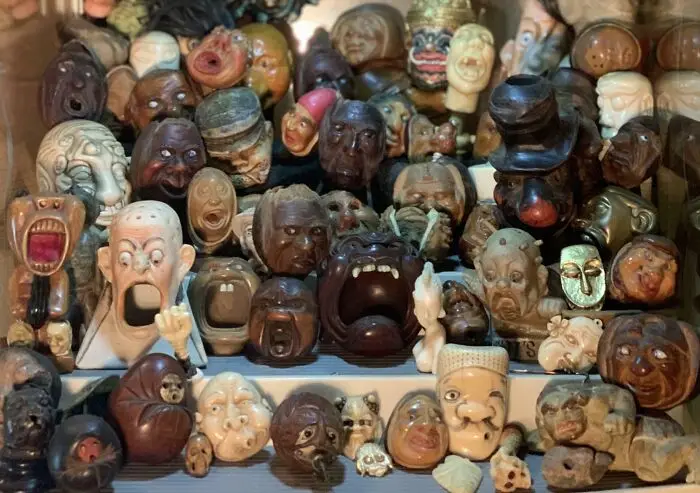
#25 A Collection Of Small Grotesque Faces
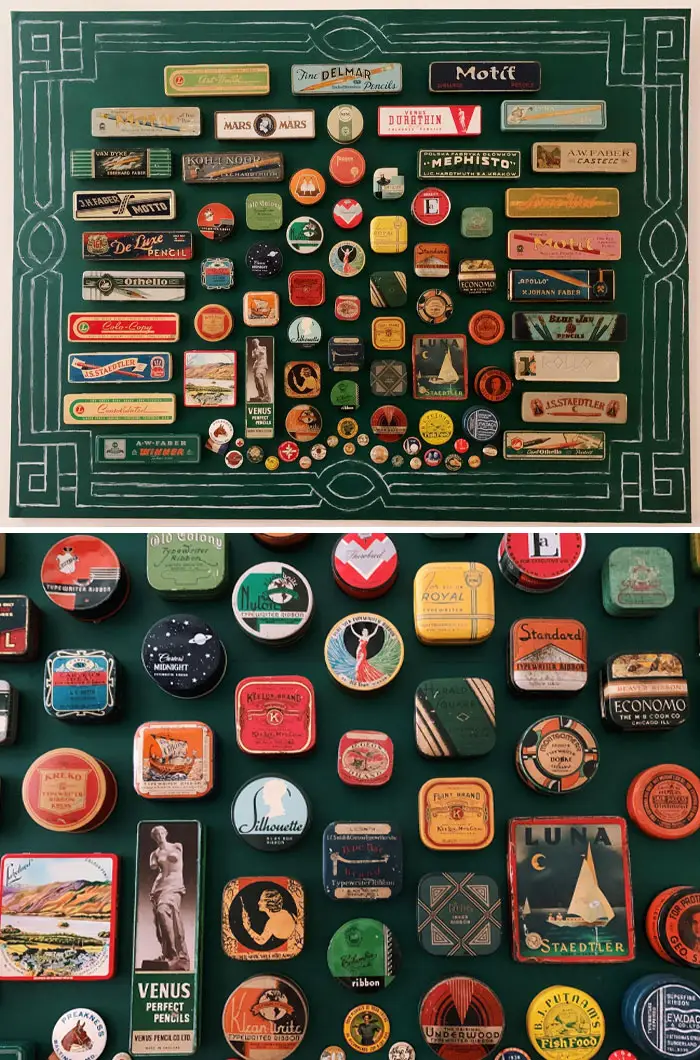
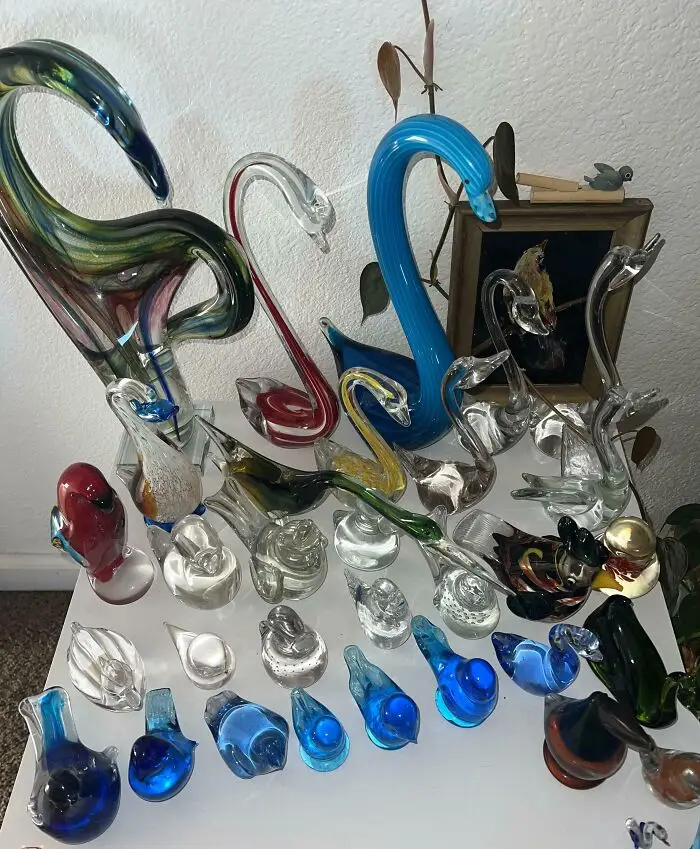
So yes—there’s a fine line between the two. But that line is usually pretty clear when you look at intention, control, and impact. Collectors seek joy and meaning. Hoarders often feel trapped. And while both may live surrounded by objects, only one group finds true satisfaction in the space they’ve created.
As for the collectors featured today: they’ve got some wonderfully weird and wildly unique hobbies! Did any of these inspire you? Are you a collector, too? Tell us what you collect and why, because sometimes, the quirkiest things make for the most fascinating stories.
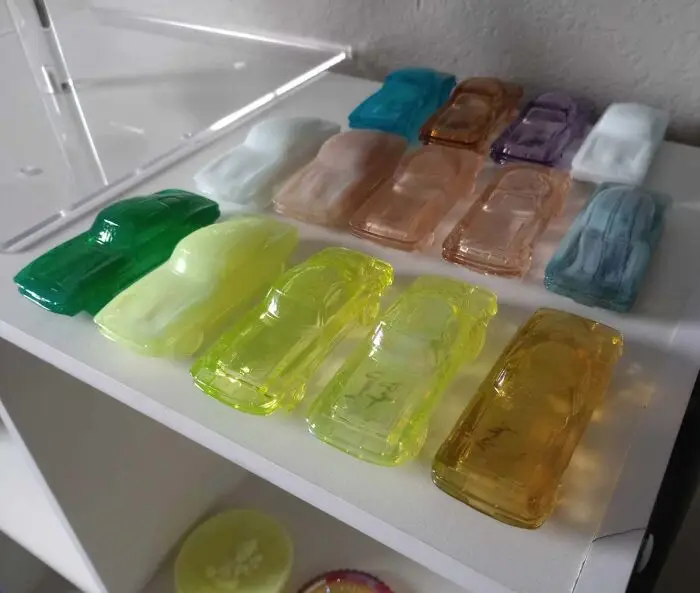
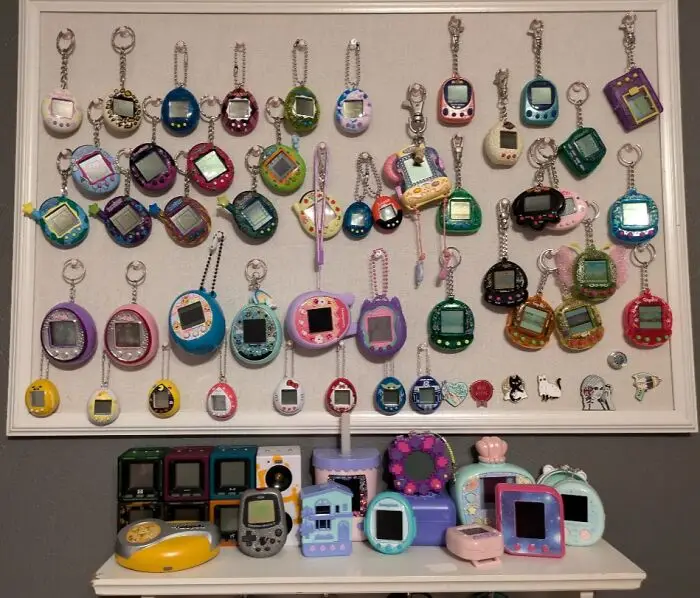
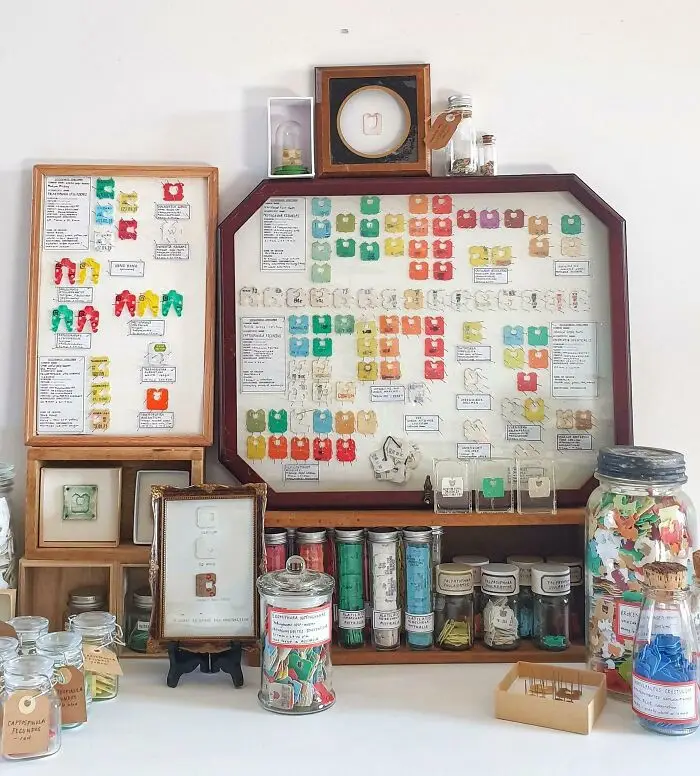
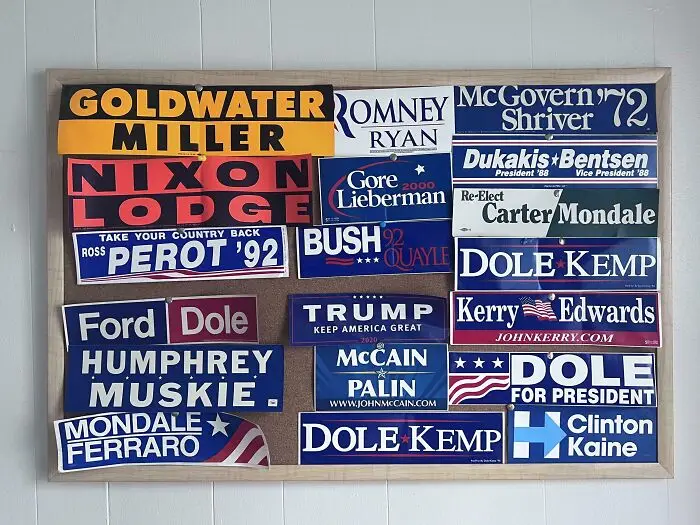
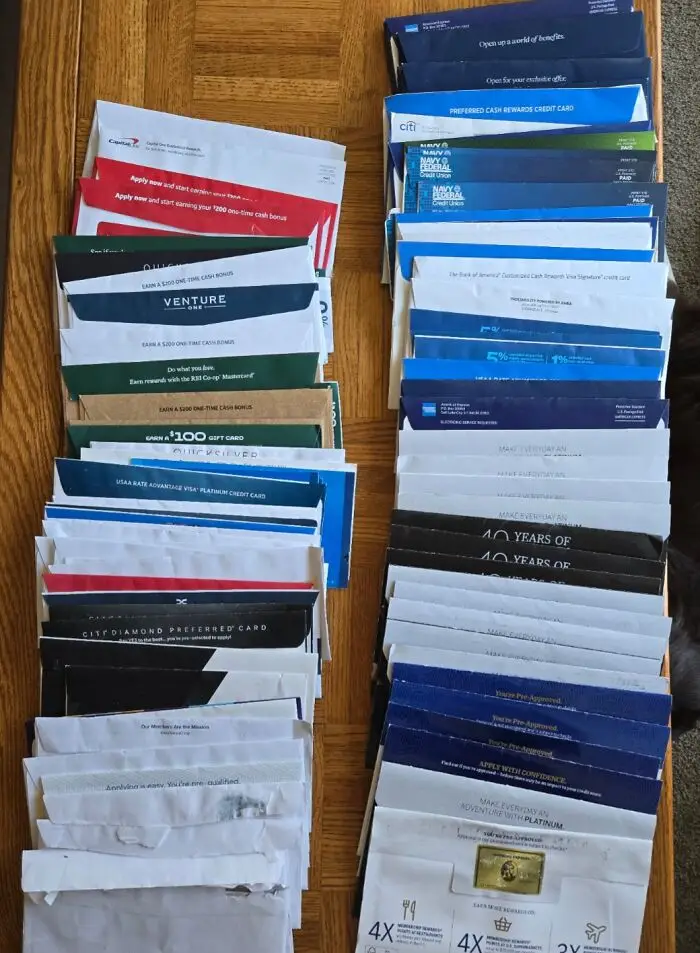
#34 I Collected My Wife And I's Unsolicited Credit Card Applications For A Year
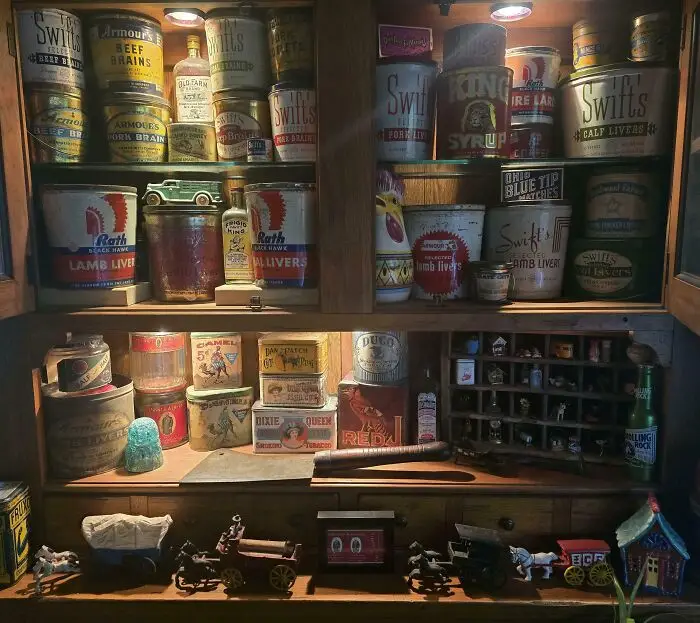
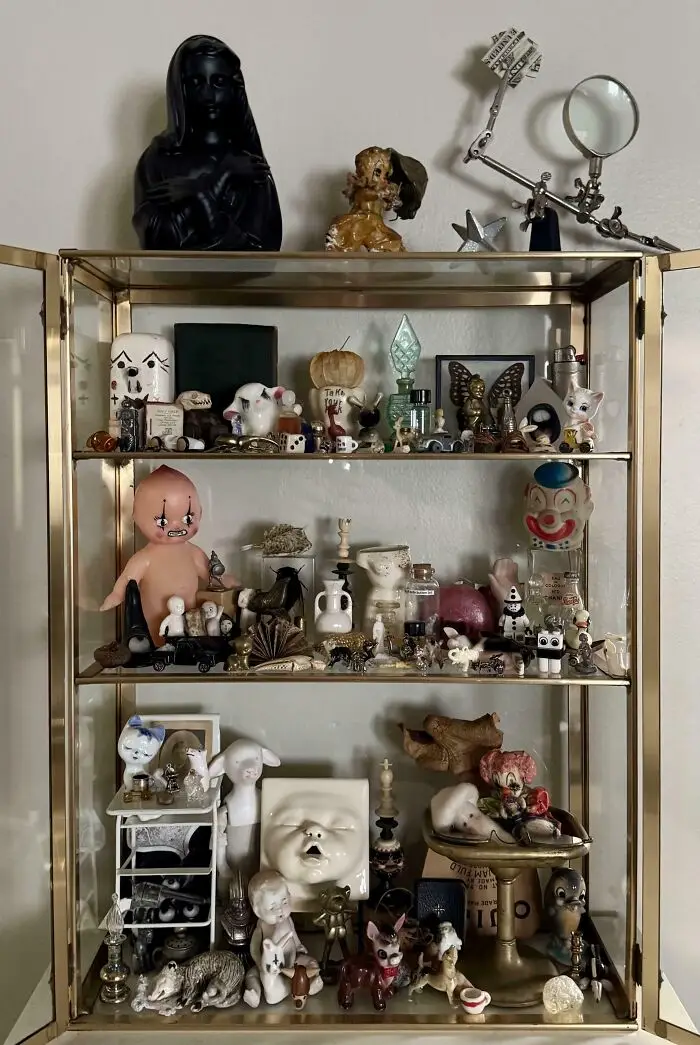
#36 Filling Up My Curio Cabinet With Tiny Interesting Things. Not Much Space Left
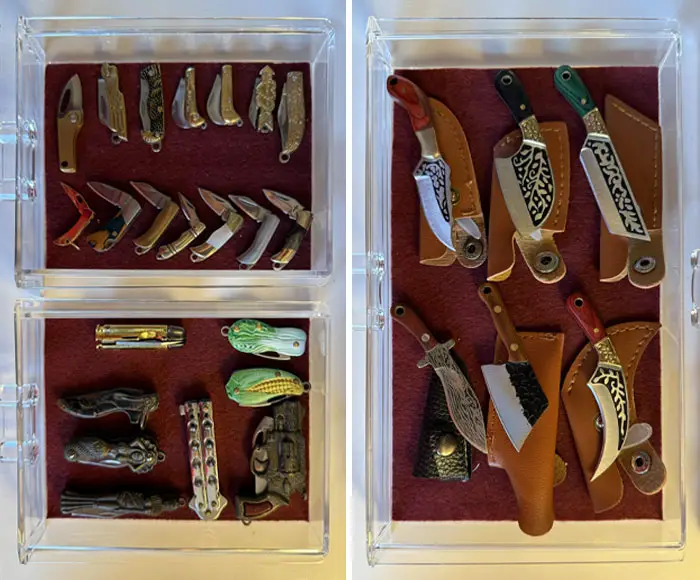
#37 Miniature And Novelty Knife Collection
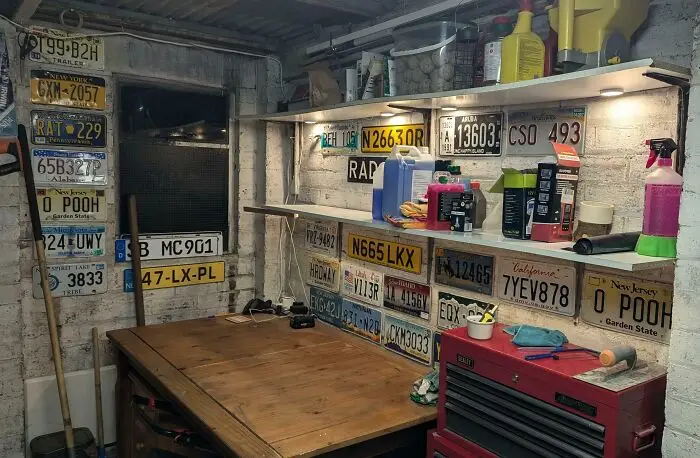
#38 My Garage License Plate Wall Art Collection With Plates From Around The World