





Tumblr essentially doubles as both a microblog and social network. It was created by web developers David Karp and Marco Arment, who launched the site back in 2007.
Tumblr’s success was instantly phenomenal! So much so that Yahoo! bought it for $1.1 billion in 2013. Karp continued to serve as Tumblr’s CEO. Initially, when Yahoo! was planning to purchase Tumblr, the generally anti-establishment community base was promised that the site would not be messed up. In 2017, after Yahoo! was acquired by Verizon, Karp resigned.



In mid-2019, Tumblr boasted 472 million registered accounts. Though Tumblr had 376 million unique visitors around the world in July 2019, this was a far cry from its earlier success. Banning adult content in late 2018 resulted in massive drops in engagement and sparked massive backlash among some users. This change eventually undid most of the platform’s overall success throughout the years.
By August 2019, Automattic, the parent company of WordPress, bought Tumblr for less than $3 million. This is a huge devaluation compared to 6 years ago when the site was sold to Yahoo!



Broadly speaking, Tumblr supports text posts (plain or with images, links, or videos), photo posts, quote posts, link posts, chat posts, audio posts, and video posts. What’s more, the site lets you like and reblog other posts.
The design of the site allowed Tumblr users to create daily diaries, share inspirational information, and lifeblog about events.


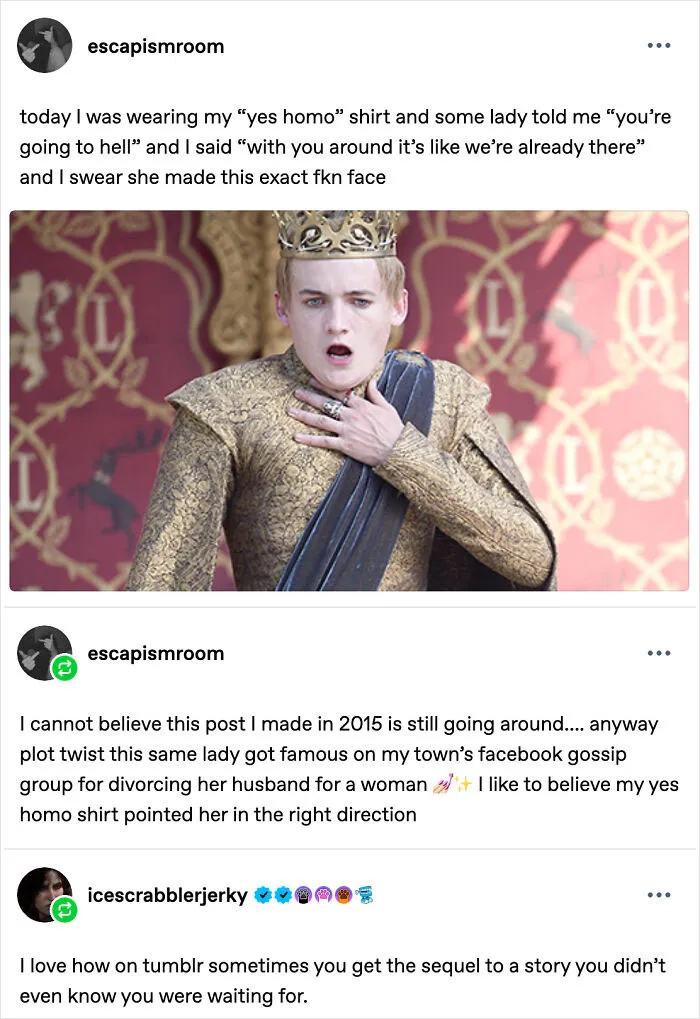
“Due to its fast-paced communication style, multiple mediums and heavy use of sometimes specific imagery, pop-culture references and slang, Tumblr is unsurprisingly most popular among young Millennials. Despite Tumblr being a relatively niche social network, its users used to be highly engaged until the content ban at the end of 2018,” Statista reports.

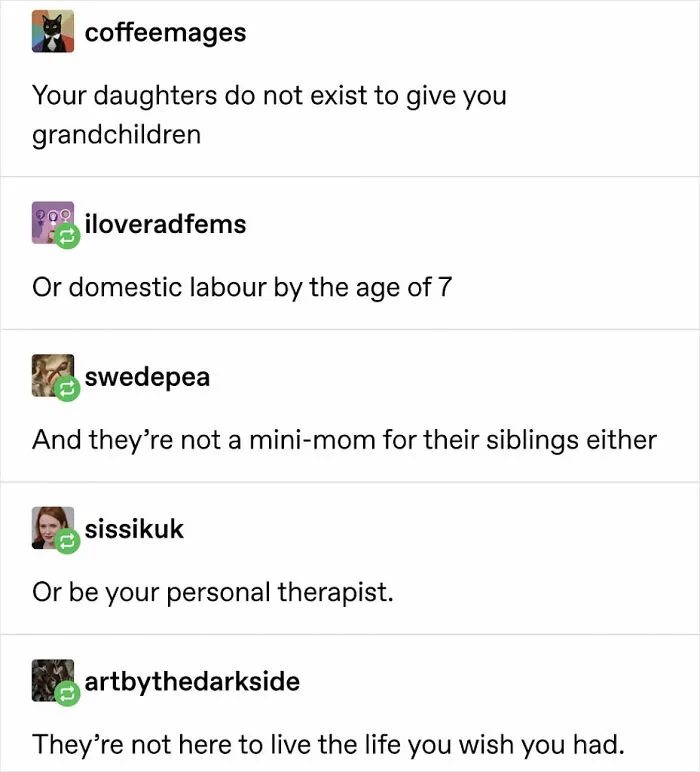
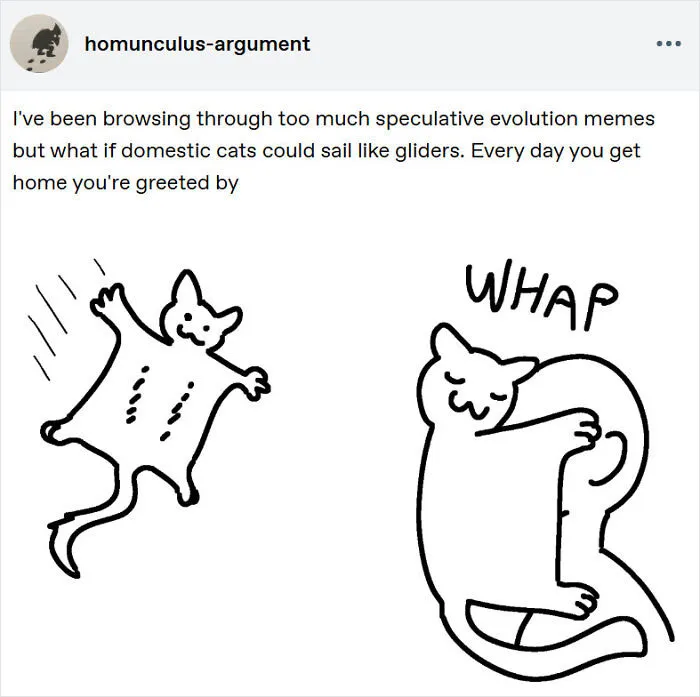
According to Encyclopædia Britannica, Tumblr didn’t just popularize people’s ‘tumbleblogs’ but also helped create various Internet fandoms where people could discuss their shared interests.
Although Statista emphasized the popularity of Tumblr among Millennials, Encyclopædia Britannica also notes that it appeals to many members of Generation Z, too, because of its anonymous nature.

Initially, Karp saw Tumblr as a viable alternative to very popular, heavily monetized social media platforms such as Facebook and YouTube. “He felt that most social media platforms stifled user creativity with advertisement-based interfaces and thus decided to take a different approach, aiming in particular to foster a more supportive community than he had seen elsewhere.”
Within just 5 short years, Tumblr hosted more than 70 million blogs. Among them were blogs run by US President Barack Obama and music legends Taylor Swift and Lady Gaga.