








Usually, pareidolia occurs in ambiguous situations.
"However, for some people, their frontal cortex’s expectation for certain objects (e.g., faces) become so high that they see faces in many situations where no faces exist,” the professor added.


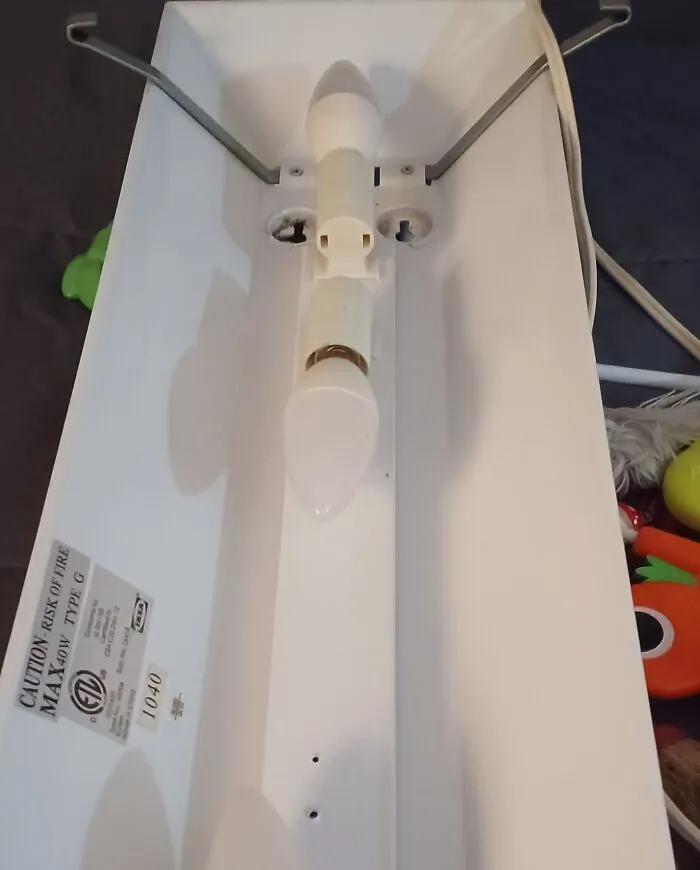
"Even in this kind of situation, it is normal. There is nothing wrong with these individuals. Pareidolia is different from paranoia or delusion or abnormal vision of individuals with psychosis. In fact, a recent study shows that those people with pareidolia tend to be more creative. Also, people who are religious may be able to see religious icons in non face objects as well,” the expert said.
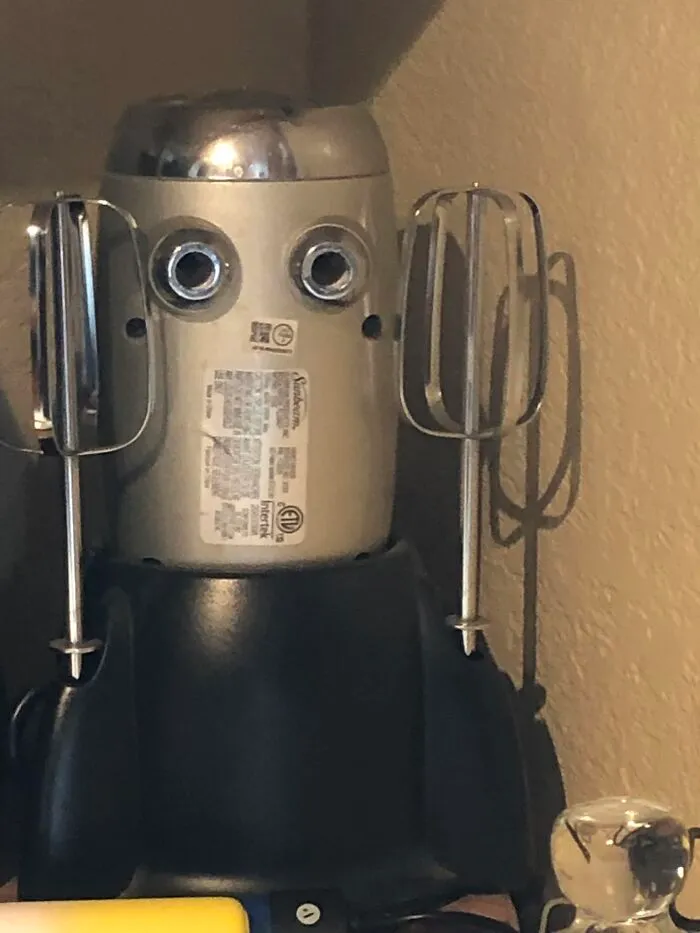


The professor explained that pareidolia shows just how powerful our imaginations are when it comes to affecting our perception. Or, to be more technical, how the frontal cortex of our brains influences our visual cortex, in the occipital lobe.
“What we see are not things over there in the world but actually the co-creation of what is out there physically and what is in our mind mentally through our expectations and imaginations,” the professor told Bored Panda.

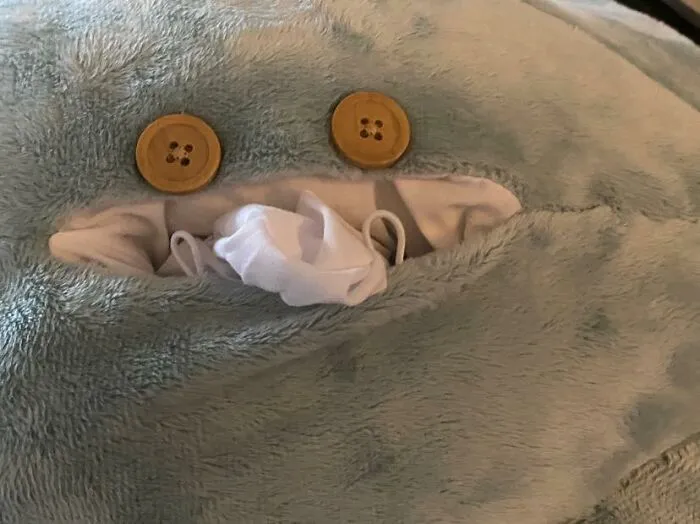

However, the phenomenon isn’t limited to just our sight. It’s linked to our other senses as well. "Pareidolia is a broader phenomenon as it extends to touch and sound and other sensory channels. For example, you sometimes sense your phone vibrating when it is not, it is a tactile form of pareidolia. When you hear voices in a noisy environment, it is an auditory form of pareidolia."