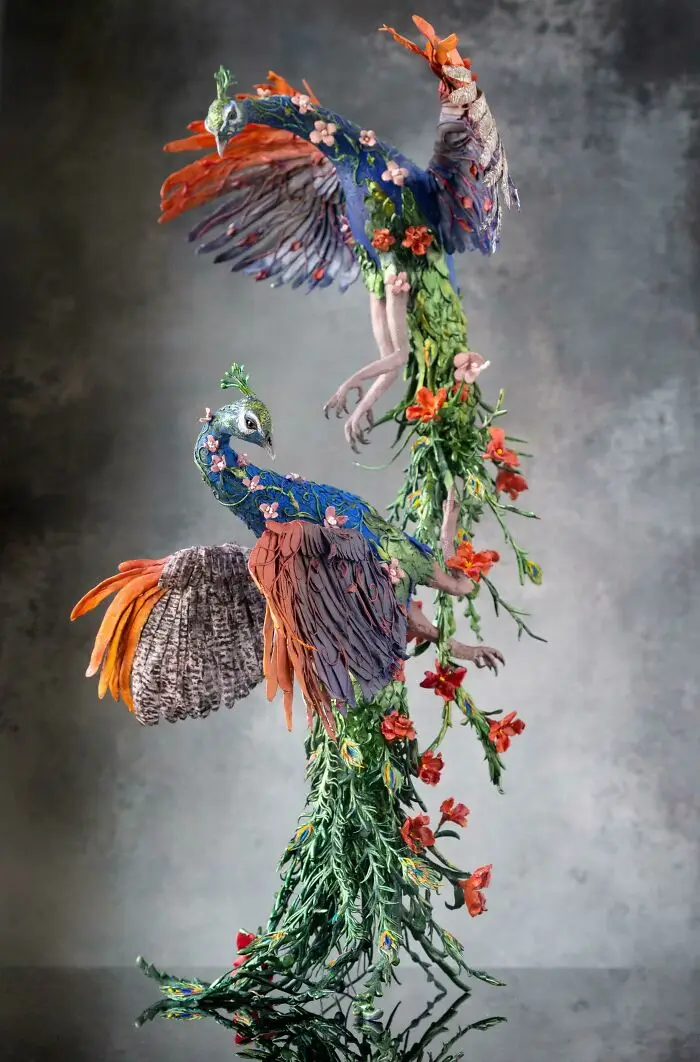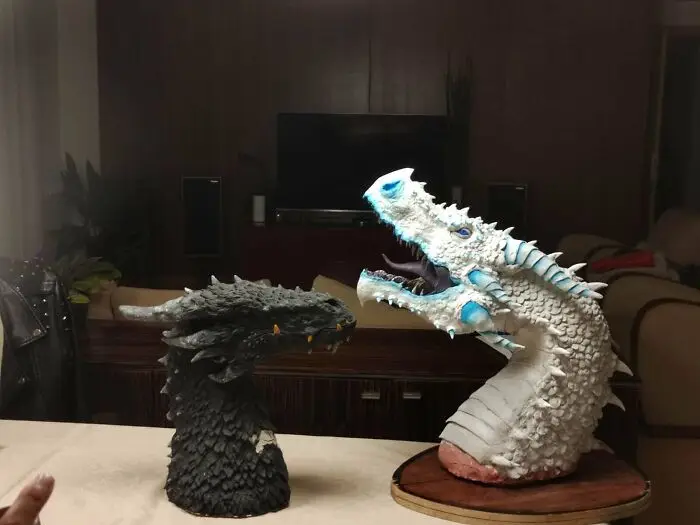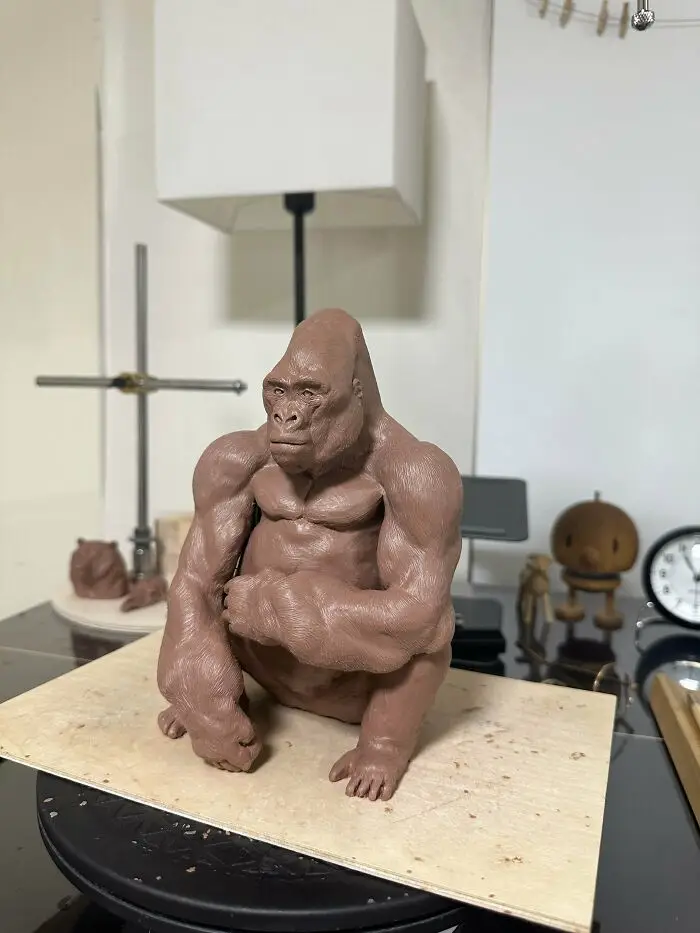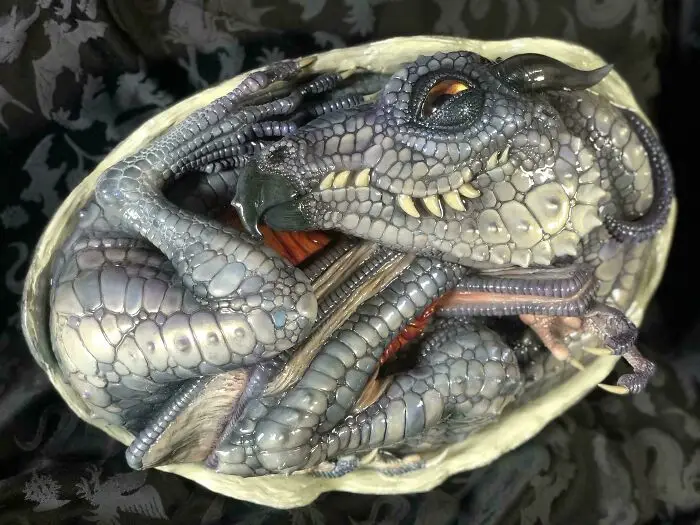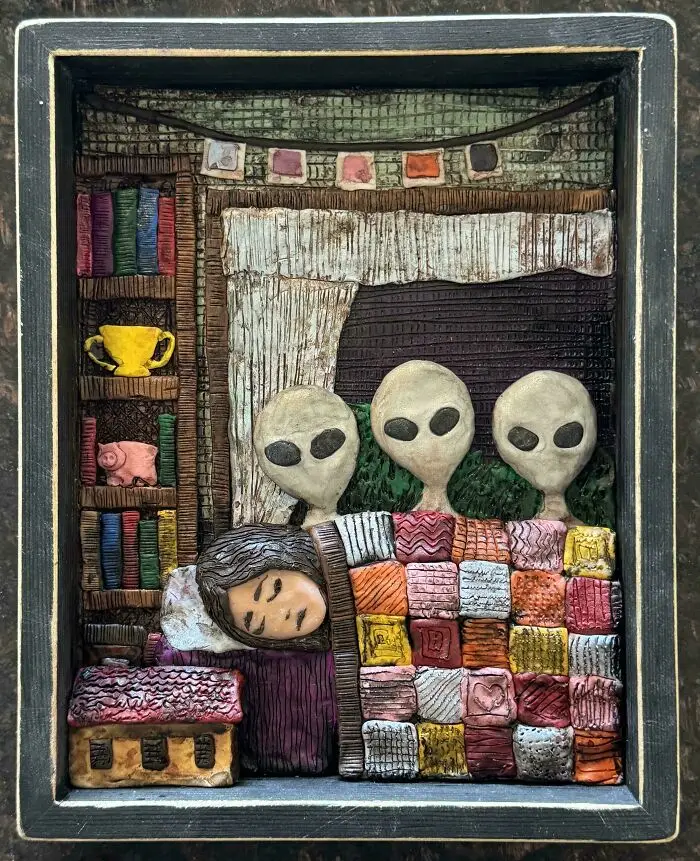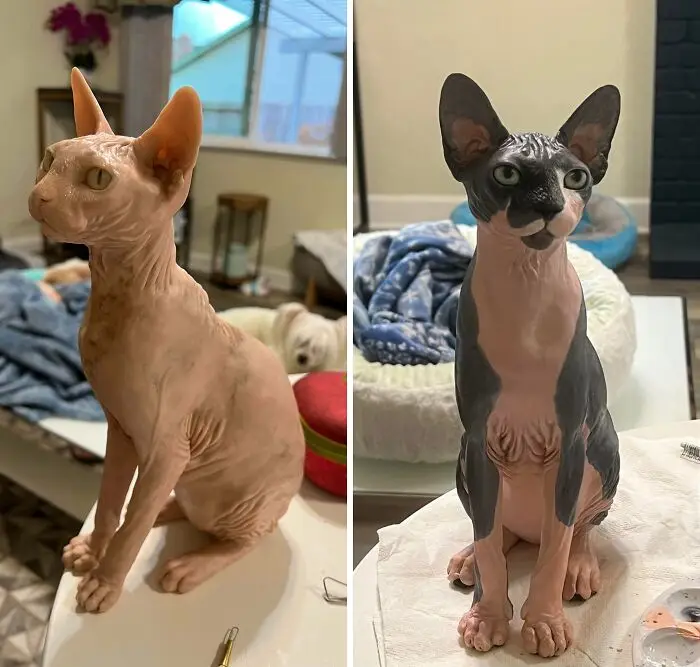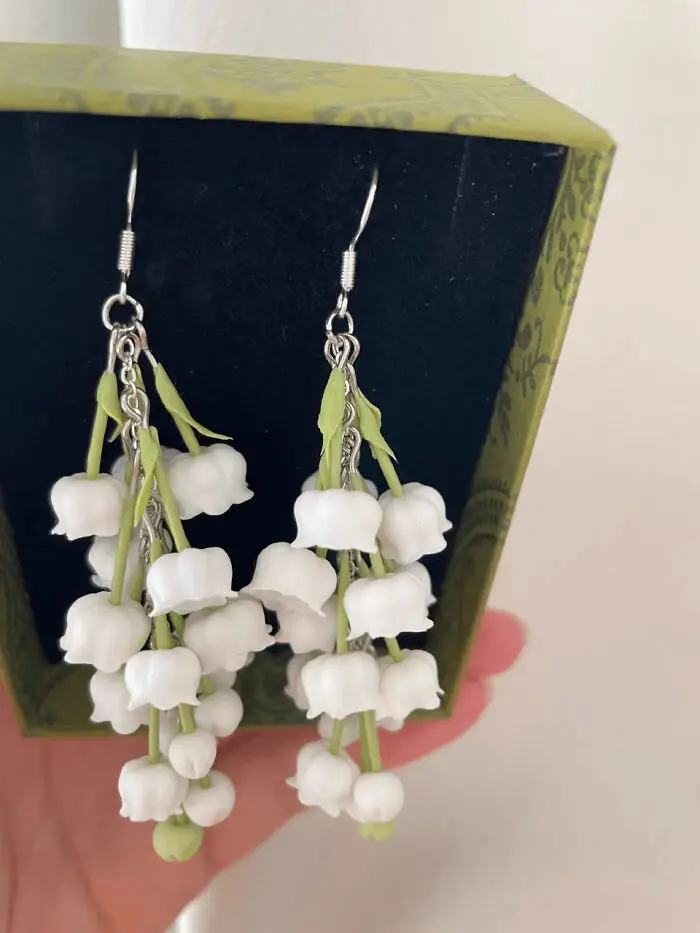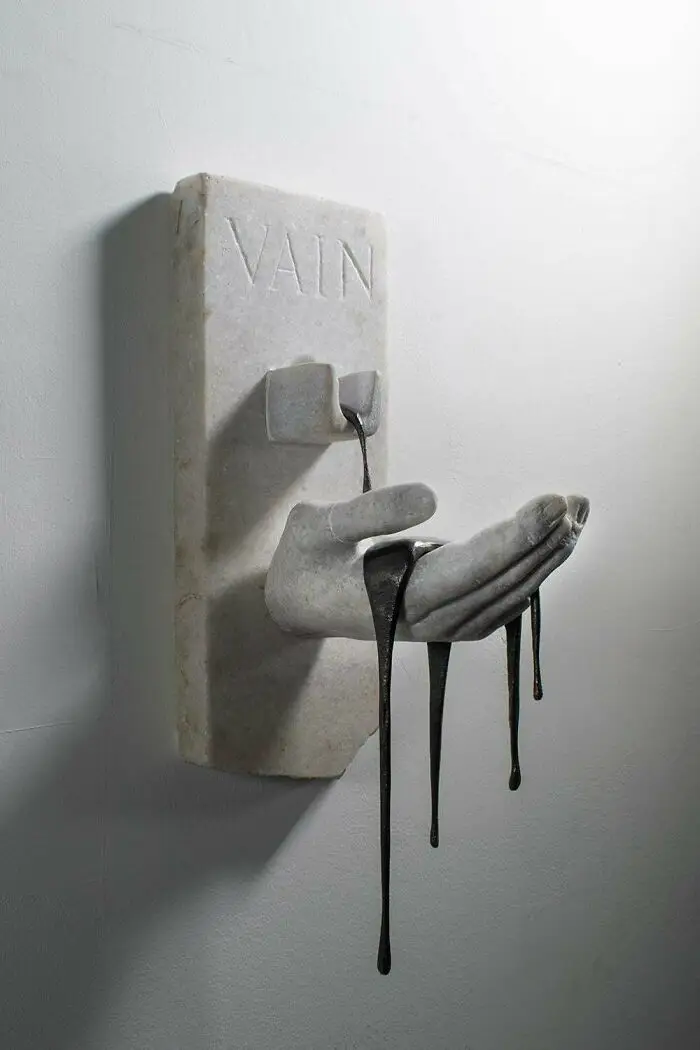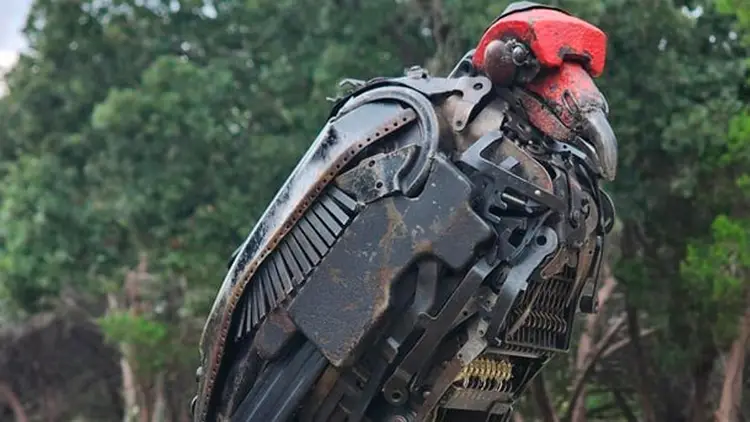


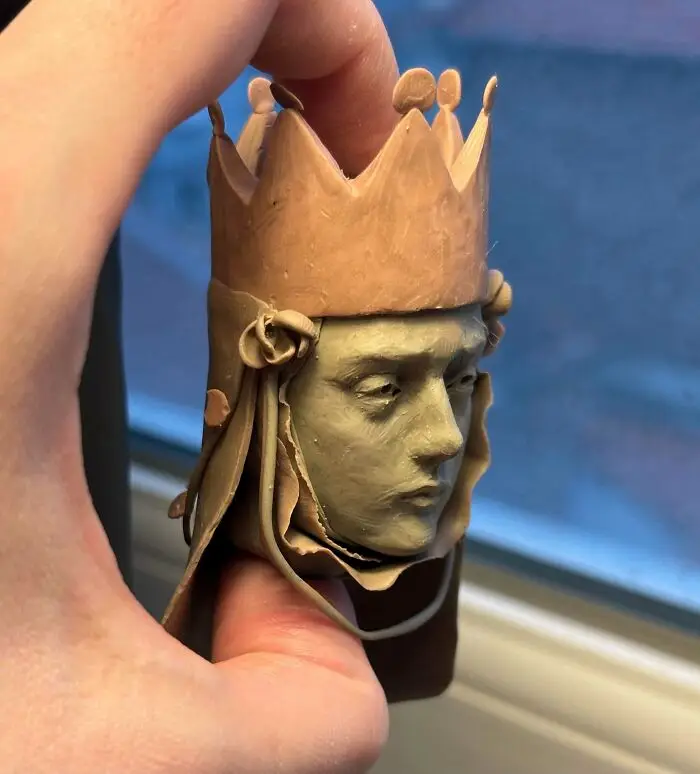
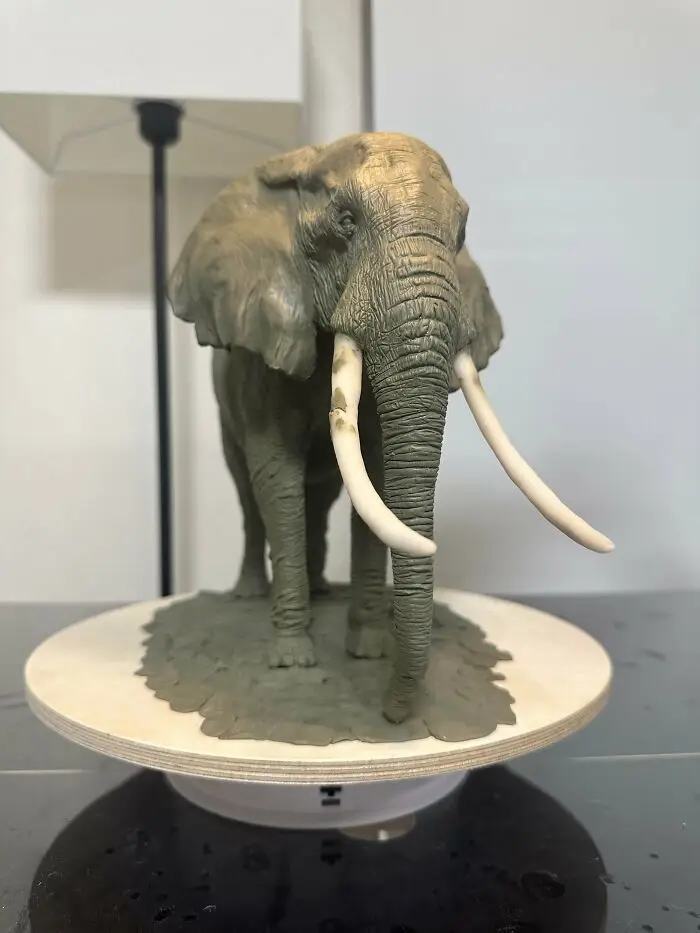
Clay is probably the most accessible and versatile material for sculptors. It’s been used to model human and animal figures since before people learned to fire pottery.
Artists often use clay for preliminary sketches and models before casting in more permanent materials like bronze or marble. When fired, it becomes terracotta, which can range from smooth to coarse in texture and comes in colors from white to deep red.
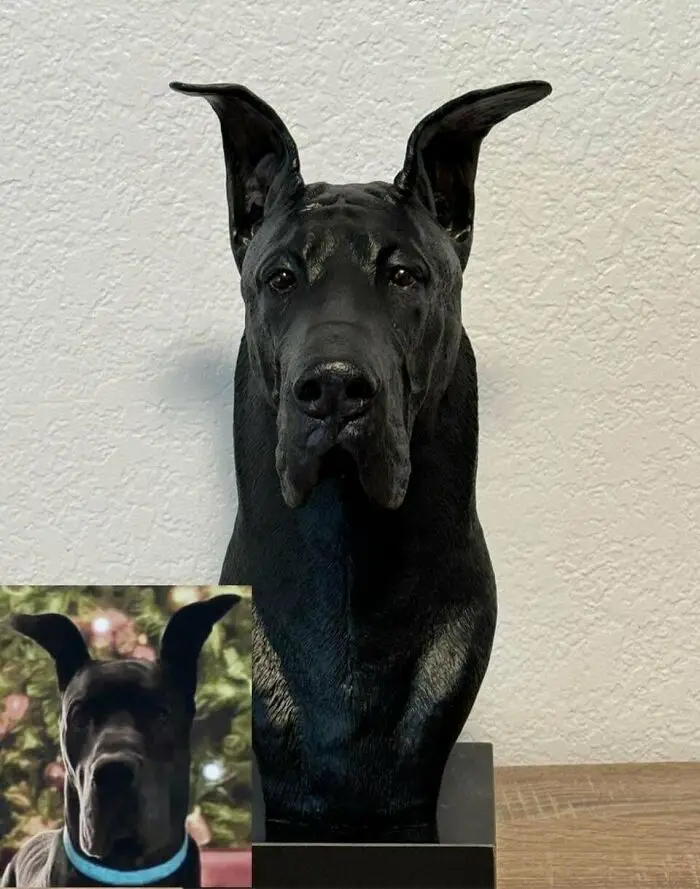

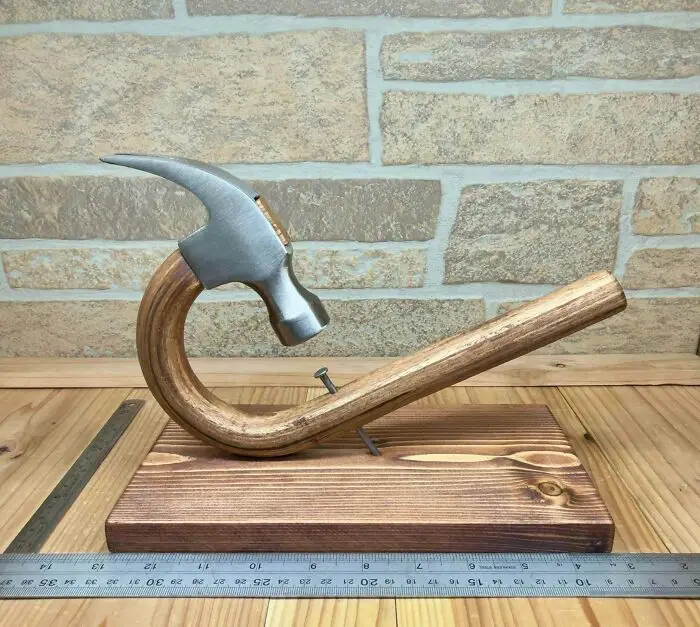
Wood brings its own warmth and richness to sculpture. It allows for high levels of detail and can take on finishes from smooth and polished to rough and textured. The natural grain adds depth to finished pieces in ways other materials can’t replicate.
Wood is more vulnerable to decay and insect damage than stone or metal though, which is why fewer ancient wooden sculptures have survived. Even so, wood has been central to sculptural traditions in Africa, Asia, and among Indigenous peoples for thousands of years.
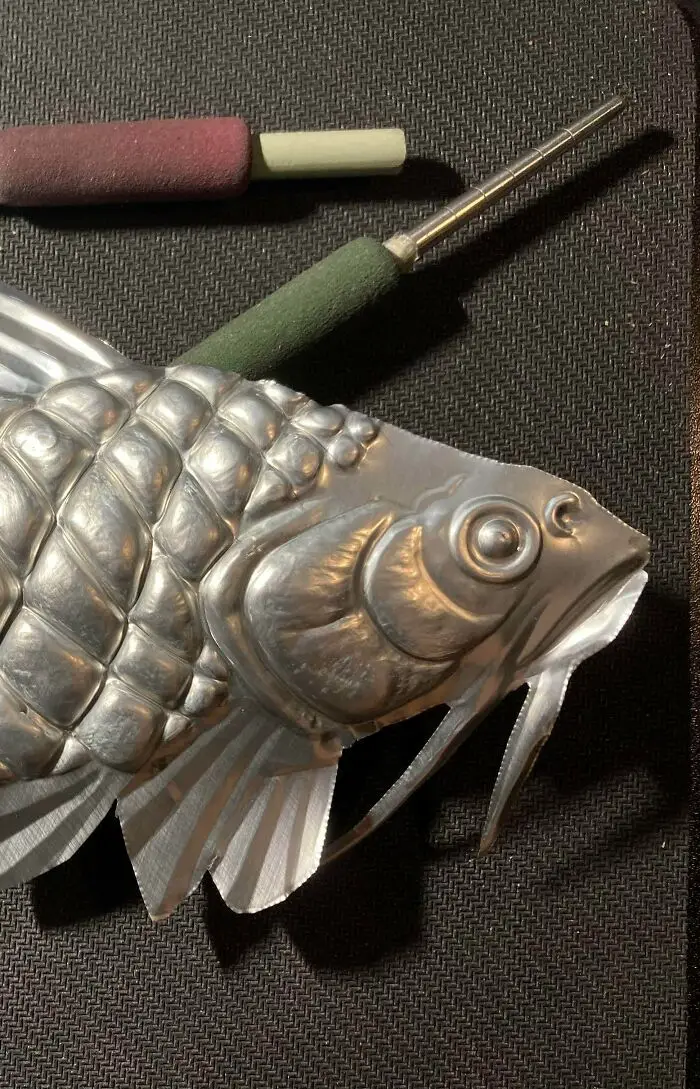
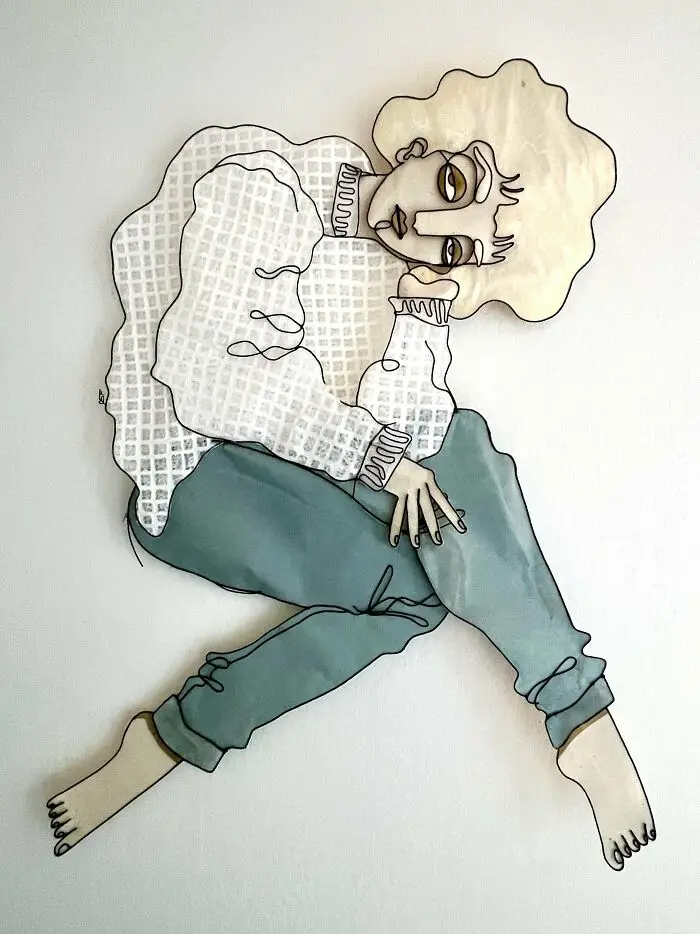
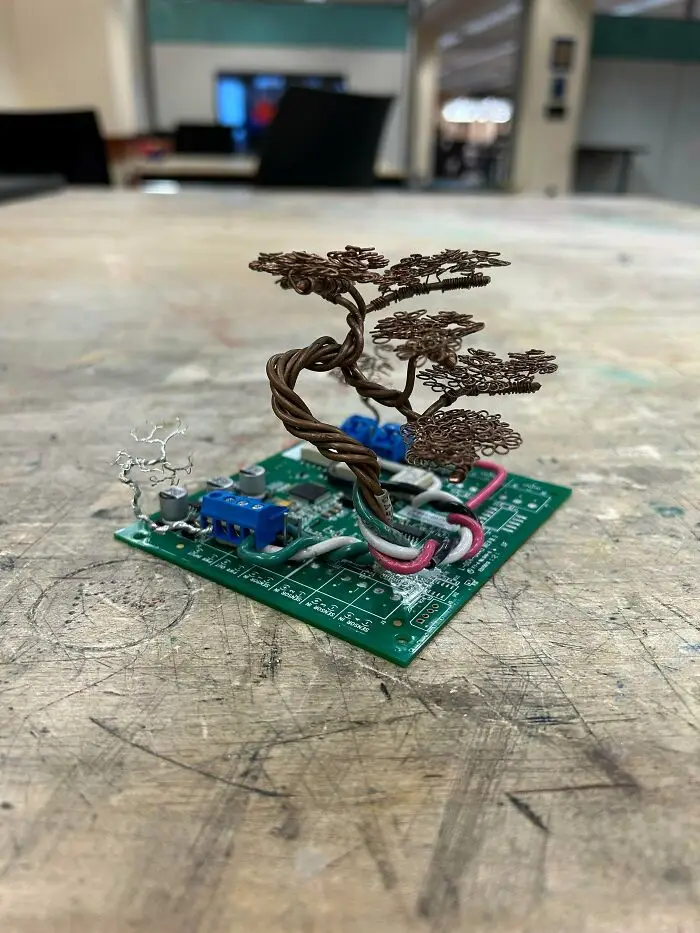
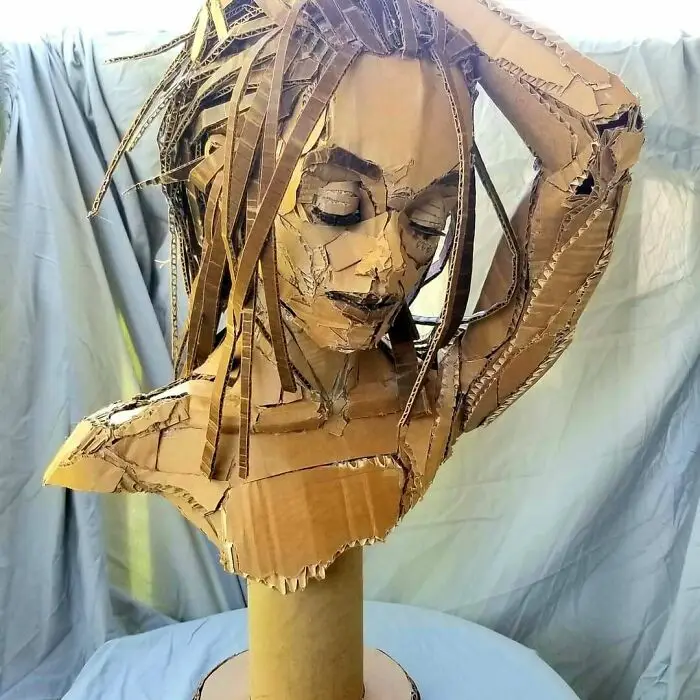
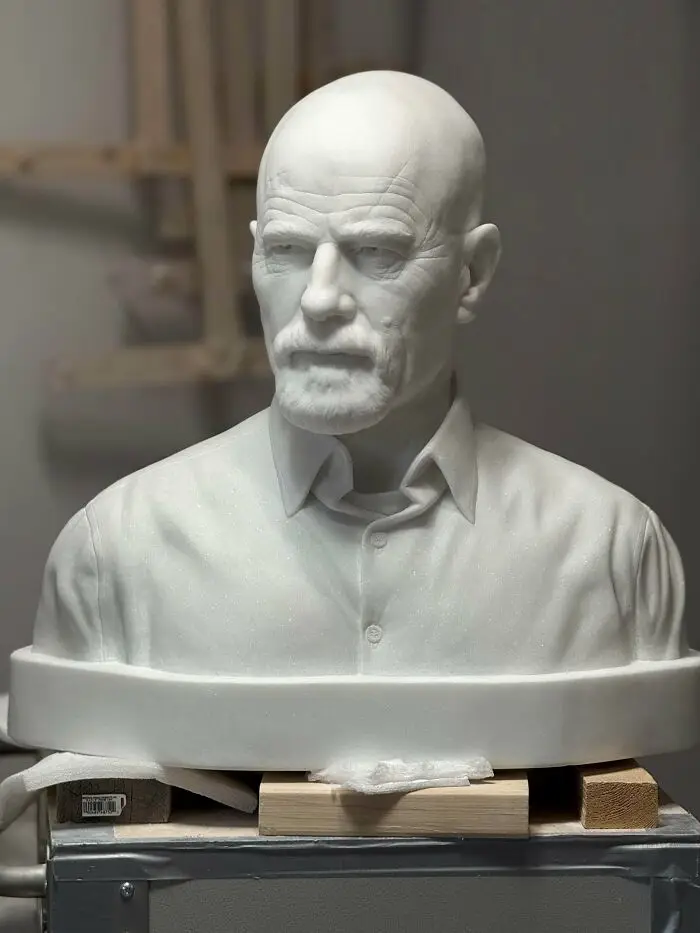
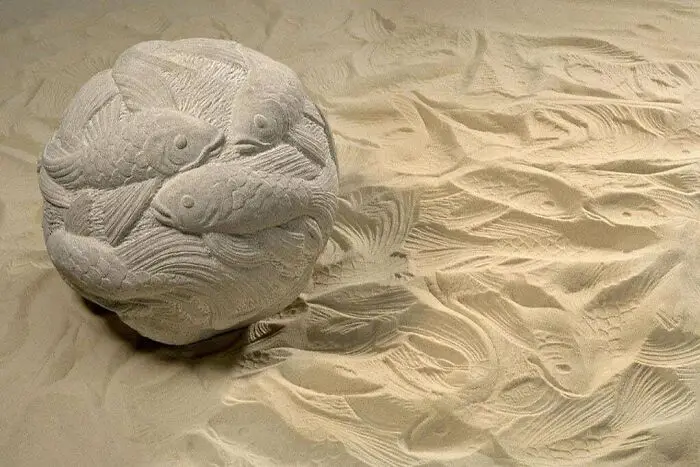
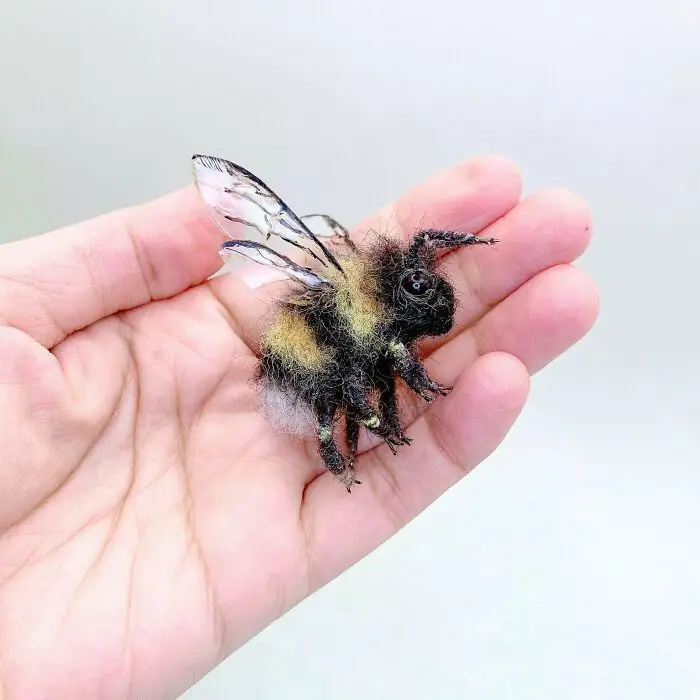
Modern sculptors have access to materials their predecessors could never have imagined—concrete, fiberglass, plastics, rubber, neon, you name it. And some of what’s out there is so unusual you probably can’t name it, yet it’s still ending up in someone’s hands as art. At this point, the old boundaries have pretty much dissolved.
What matters now isn’t the material itself, but what the artist can express through it. That freedom, paired with the patience and dedication sculpture demands, makes every piece in this collection worth celebrating.