



According to Media Literacy Now, some of the potential areas where media messages can have negative impacts include online safety, misleading information, low self-esteem, mental health concerns, glamorizing risky behaviors, cyberbullying, negative body image, stereotype reinforcement, and screen overuse.

Verywell Mind notes that children as young as 12 years old can be trained to recognize bias in media depictions of race and ethnicity and understand the harm it can cause. Media literacy can, in effect, make people more sensitive to prejudice and teach them to appreciate diversity.
What’s more, media literacy can reduce body dissatisfaction which can result from the consumption of media messages. Media literacy training could also help prevent eating disorders in high-risk individuals.

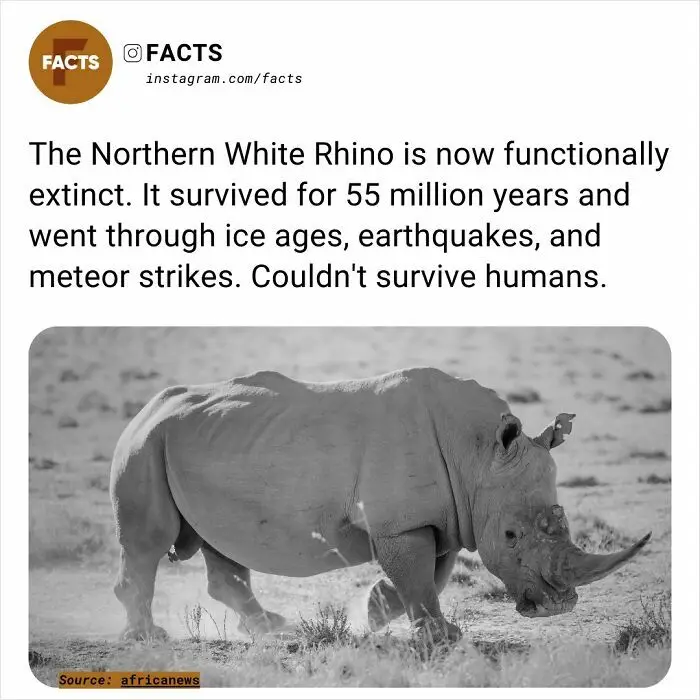
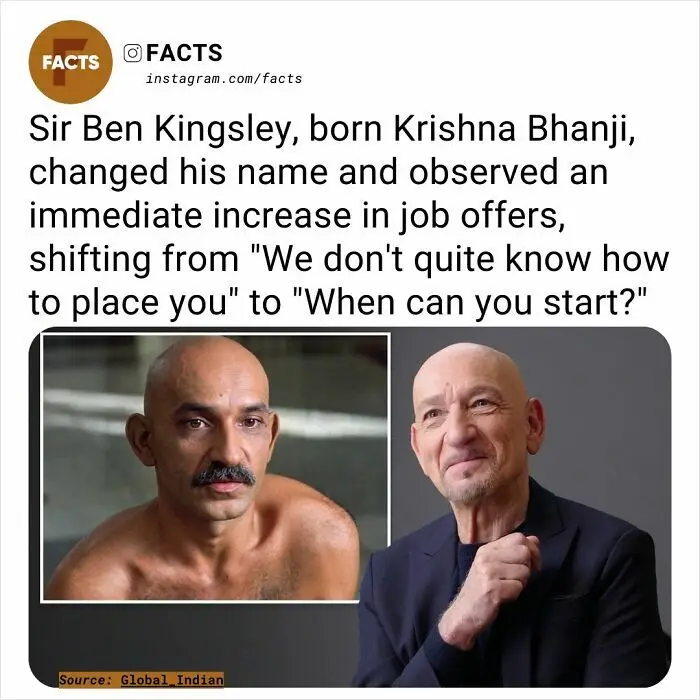
On top of that, media literacy can help everyone get better at detecting so-called ‘fake news’ and find which media claims are truthful or not. Being more aware of how media, biases, facts, and opinions interact can also make you less likely to reshare false information that you come across online. It’s usually best to do at least some research before reposting any claim you find.
At the end of the day, media literacy is about empowering the individual so that they can cut through the noise, enjoy media more, give them more control, and improve their health and happiness.
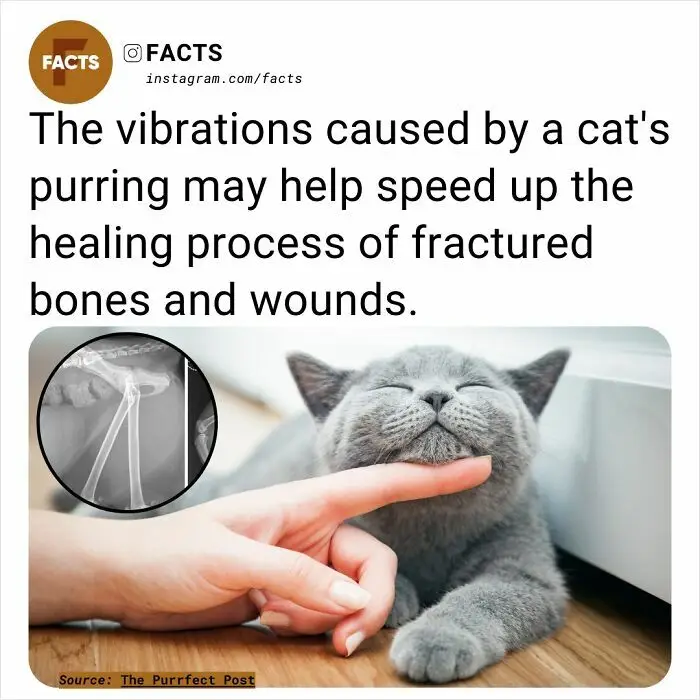

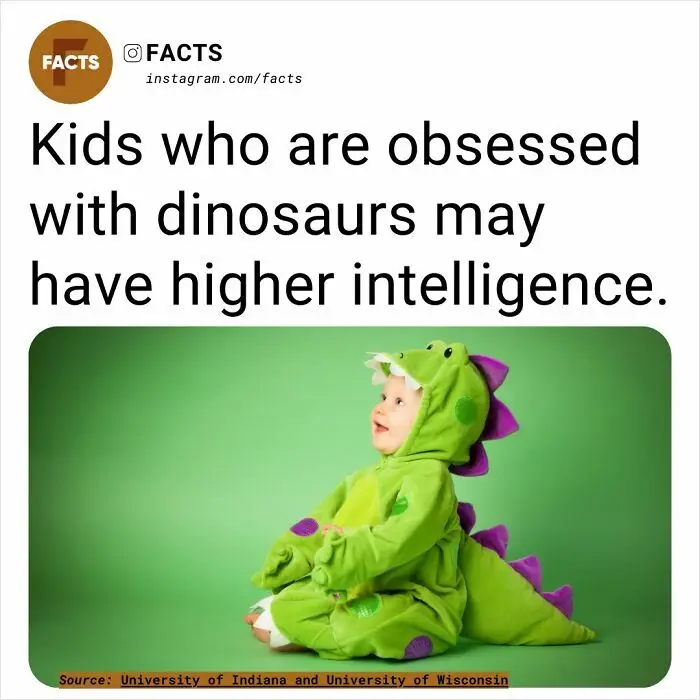
Which of the facts featured here in this list caught your attention the most, dear Pandas? Which ones genuinely surprised you and motivated you to learn more about the topic? Were there any facts that you actually knew before opening this post?
What one fact about the world would you want absolutely everyone to know if you could share it with the planet? Share your thoughts below!