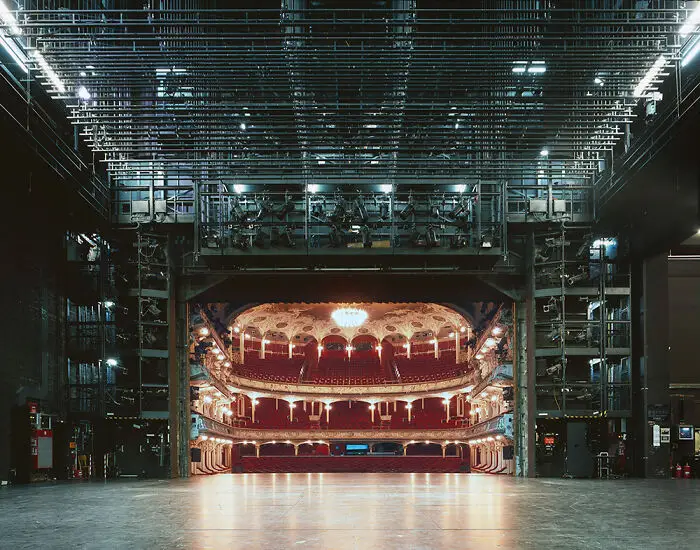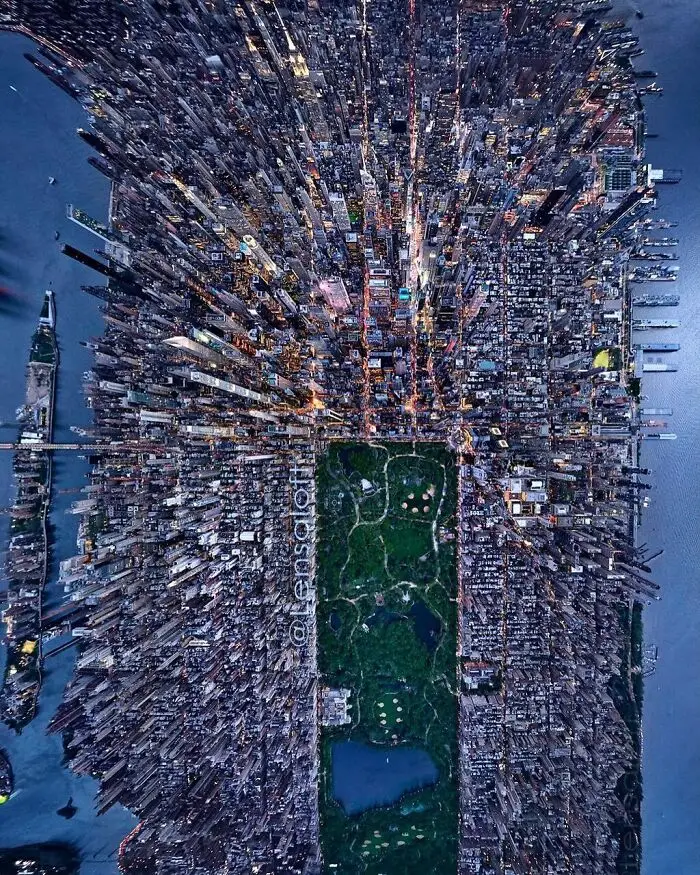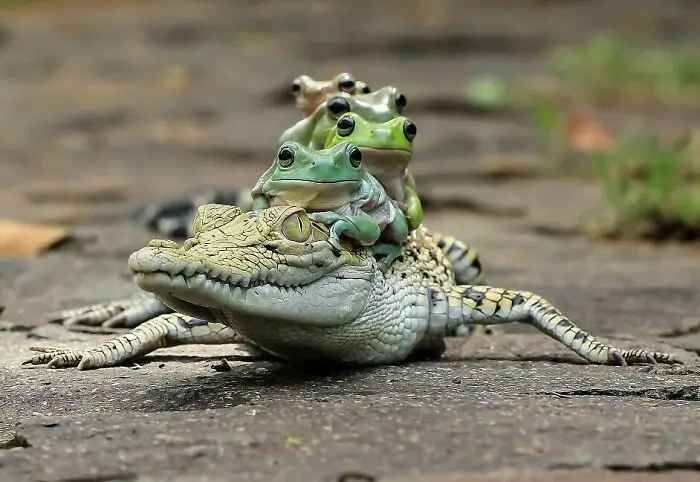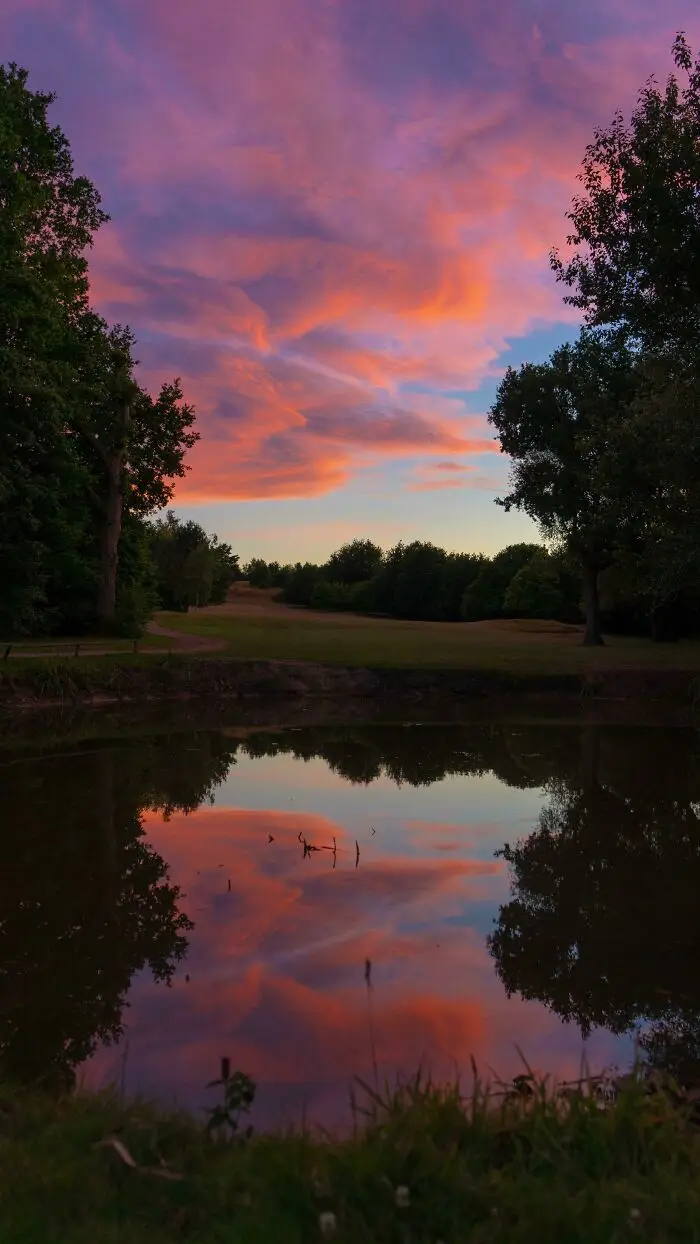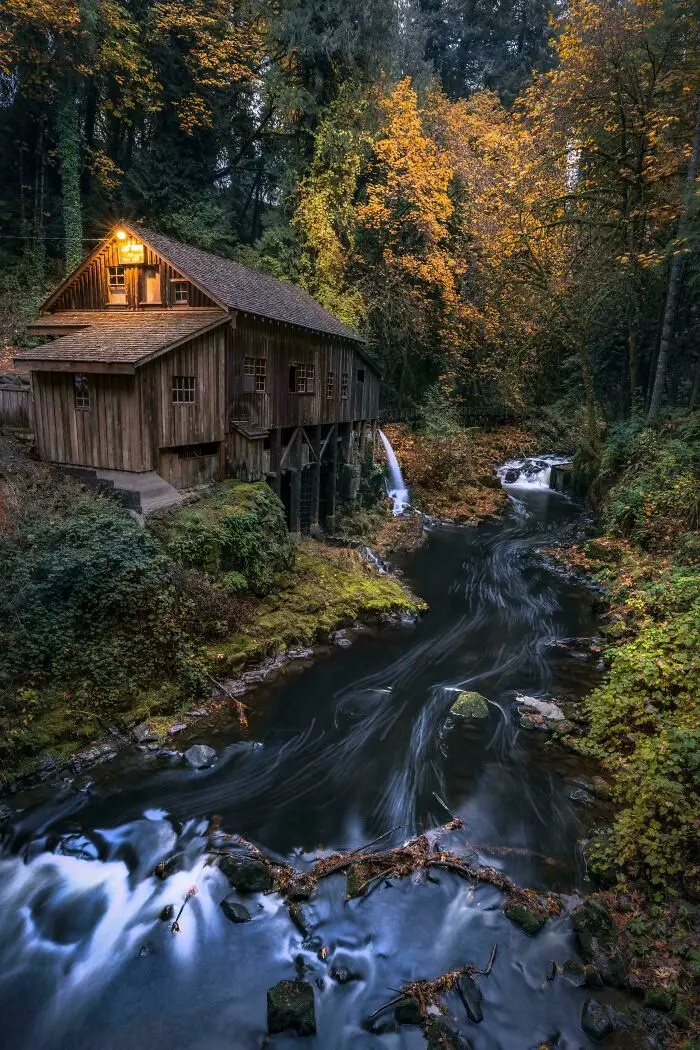

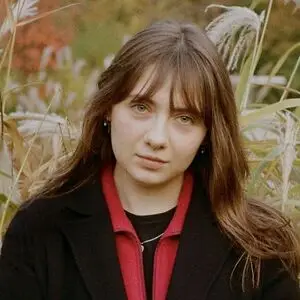
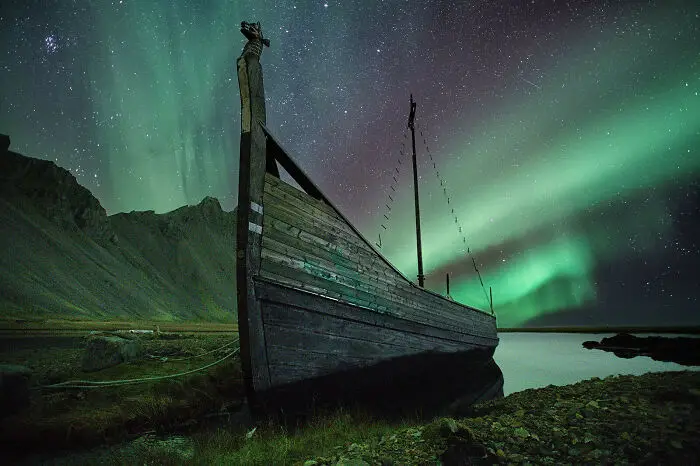
That last part—taking a few steps—might sound simple, but it’s something photographers swear by. “Don’t be afraid to use your legs as the zoom,” photographer Lee told The Guardian.
Sometimes getting closer (or lower, or higher) can change your framing entirely. “You’ll notice most photographers when they work are crouching or bending in strange ways. I’m always surprised if I see a picture of myself working, because I’ve often got my bum up in the air,” Lee laughed.
Those tiny physical adjustments are what turn an okay photo into a great one.
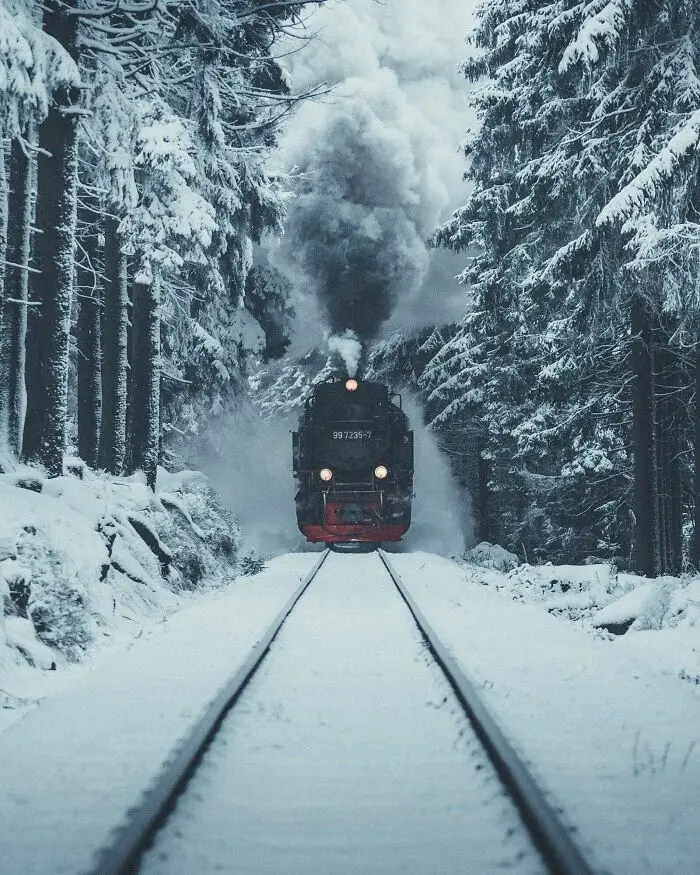
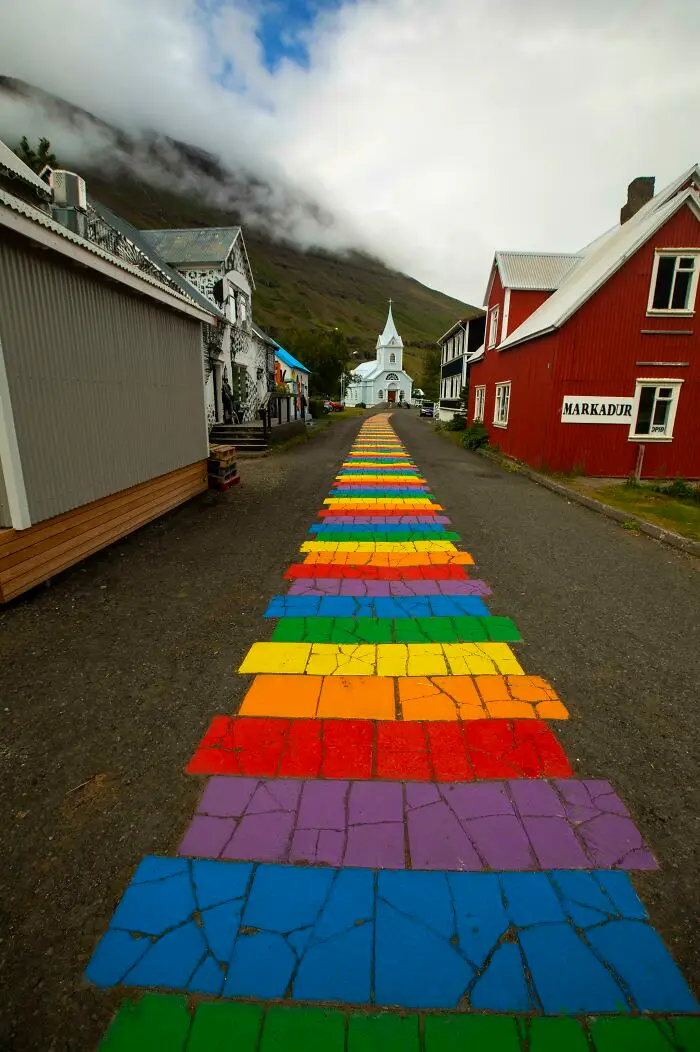
And while there are rules worth learning, there are also rules worth breaking. Photographer Smith, also quoted in The Guardian, says she approaches photos in two ways: “One is emotionally driven and one is aesthetically driven.”
Sometimes, she ignores composition or light altogether to capture a feeling. And that’s the beauty of it. Photography isn’t always a science, it’s emotion, too.
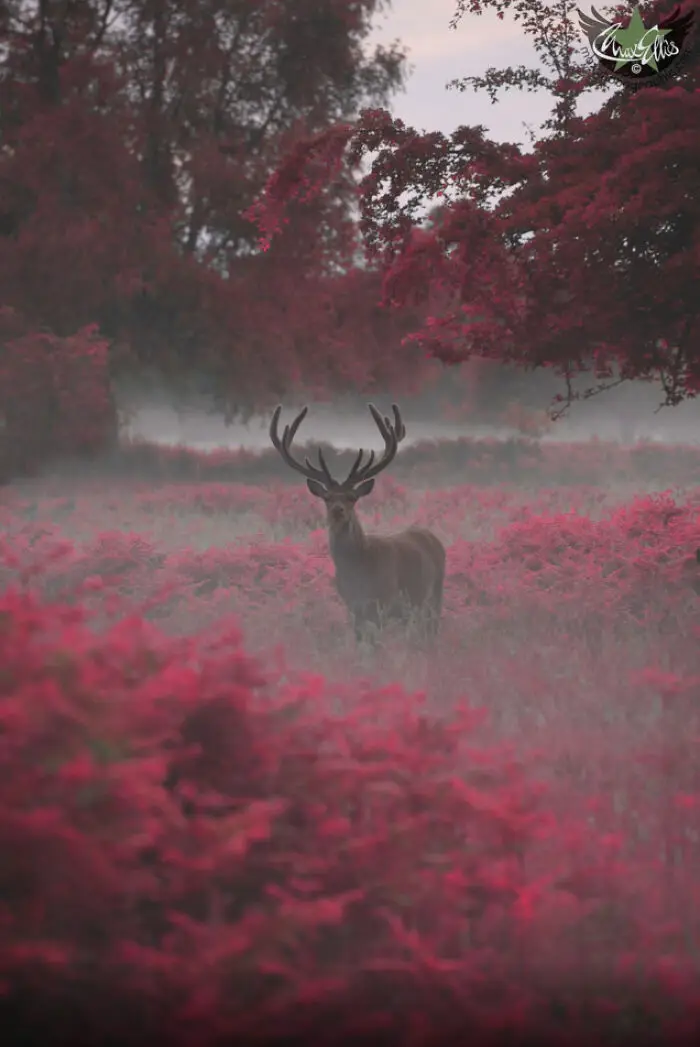
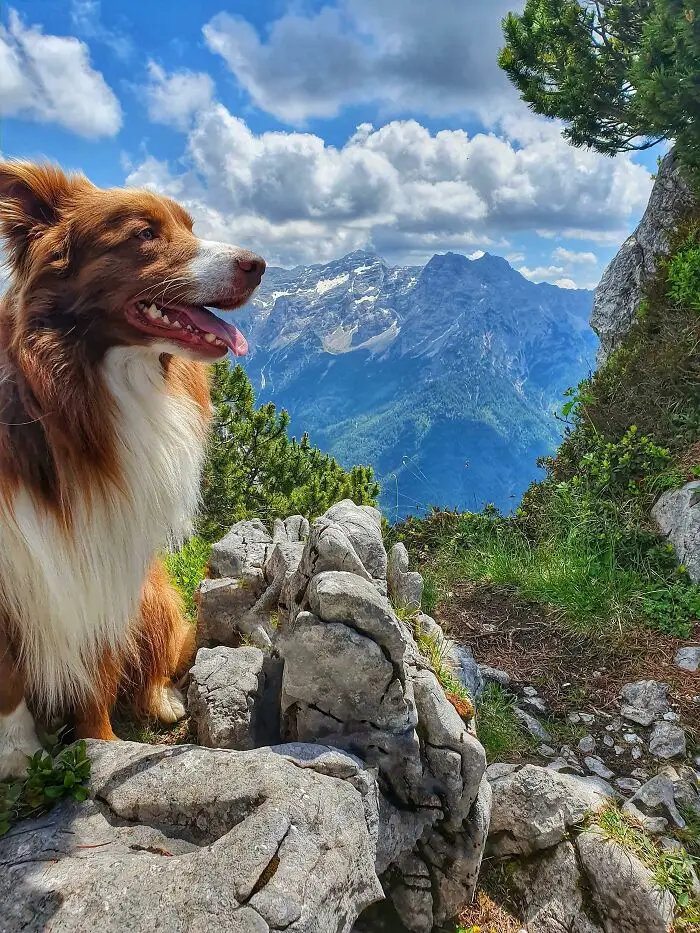

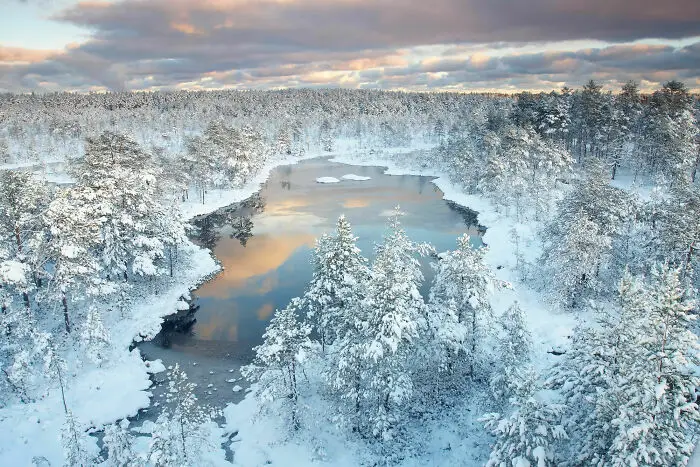
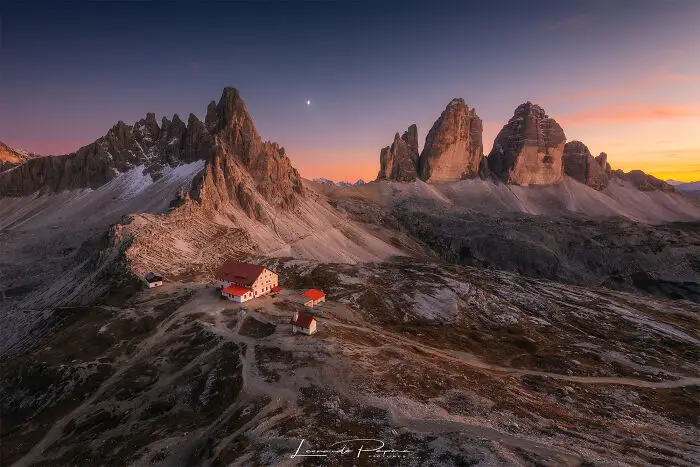
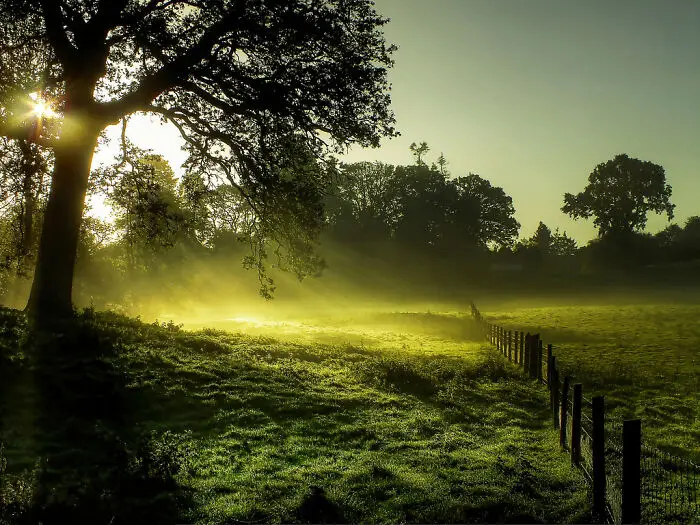
Finally, patience and timing are everything. As landscape photographer Will Davies told The Guardian, “With landscape photography, the first step is to know when you’re going to have a chance of a great photo.”
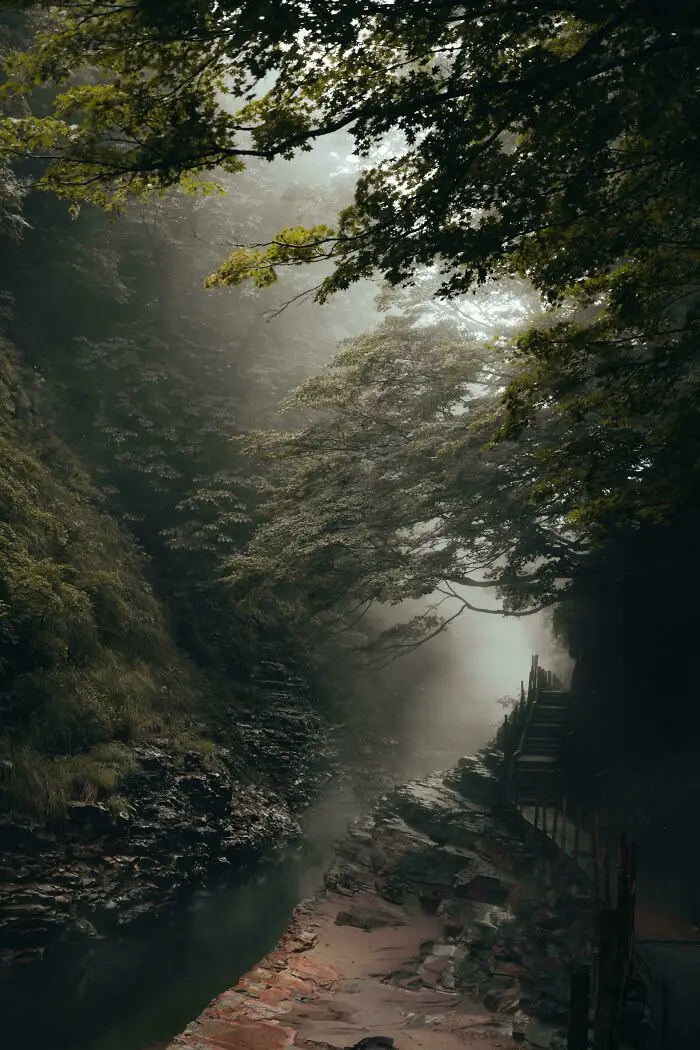
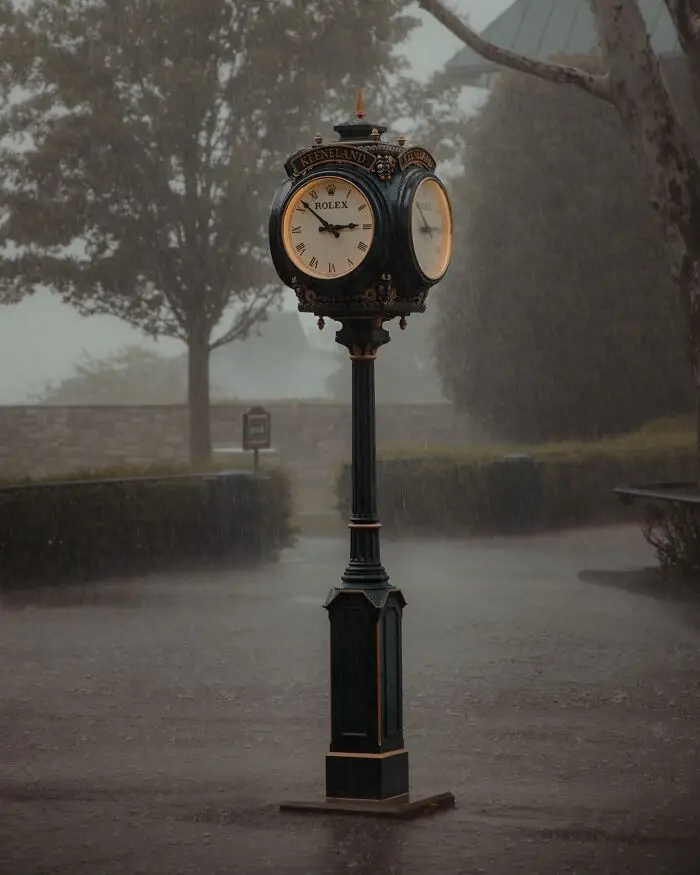
Misty autumn mornings, the moment when snow begins to melt, or just after a storm—those transitions are what make landscapes special. You can’t always control conditions, but you can learn to anticipate them.
At the end of the day, every photographer, beginner or pro, is chasing the same thing: a moment worth remembering. Whether it’s a beam of light across a window, a stranger’s smile, or a calm horizon, the magic lies in noticing it and giving it space to shine.