





There are some moments in time that are so incredible that they're almost unbelievable. The "receipts or it didn't happen" things.
Like a man born with three legs, four feet and 16 fingers who worked as a circus performer by day and built a relatively "normal" life with his wife and four kids. Or how a guide dog saved her owner's life by leading him down 78 flights of stairs in the World Trade Center before they collapsed on the morning of the 9/11 attacks.
Facebook pages Old Historical Pictures and Old Photo Archive share such "receipts" of fascinating stories from years gone by. The unique and rare vintage photos include some surprising facts about famous folk, as well as extraordinary tales of ordinary people.
Bored Panda has put together a compilation of the best. Keep scrolling as you take a peek behind the curtain of history and don't forget to upvote your favorites.
#21
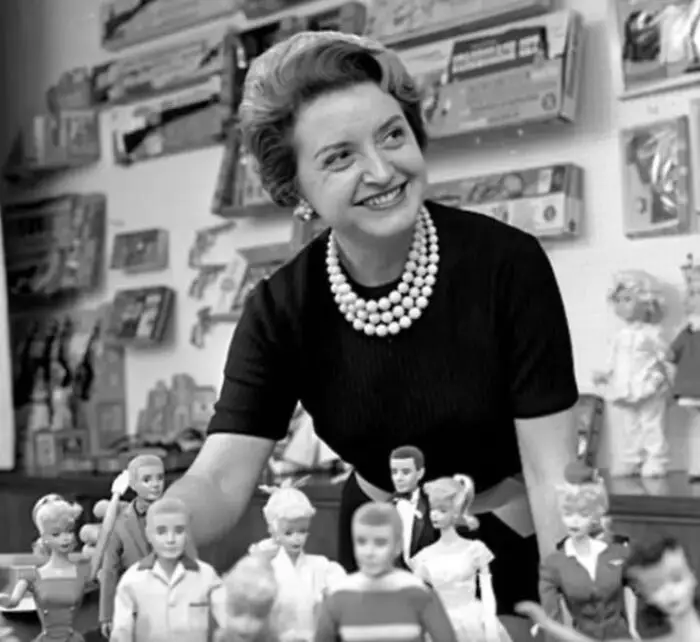
Before Barbie's official debut in 1959, most young girls were given baby dolls as toys, meaning that they often found themselves playing the role of a mother or a caregiver. But since Barbie looked like an adult woman, it allowed girls to imagine a variety of different futures and careers for themselves, ranging from cheerleaders to doctors to astronauts. While much has been said about this iconic doll, not everyone knows about its creator, Ruth Handler.
Report
59points
#22
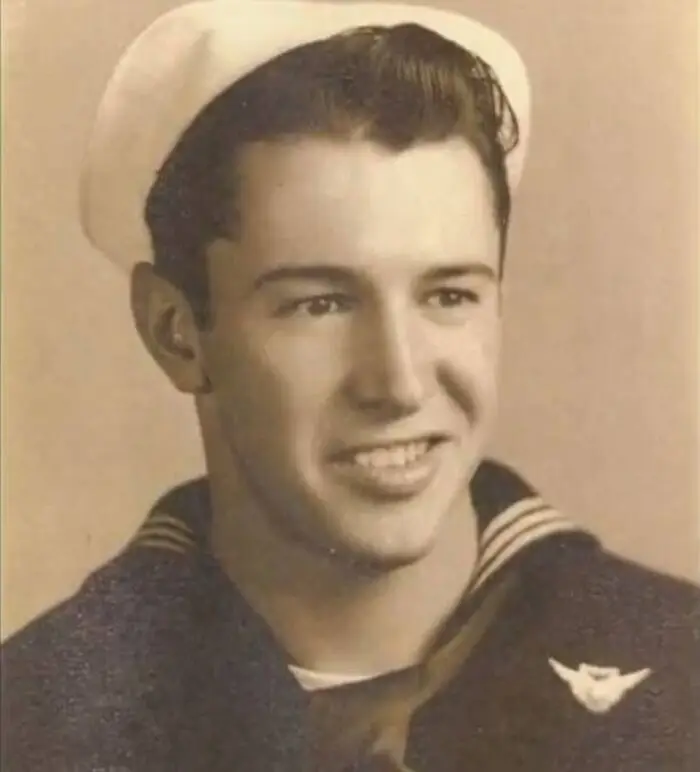
When Calvin Graham was 11 years old, he began shaving, convinced it would make him look older than he was. He also practiced speaking in a deep voice, pretending to talk like a man.
Two years later, he forged his mom's signature to enlist in the U.S. Navy and ended up being awarded both the Bronze Star and Purple Heart before he turned 14.
Report
56points
#23
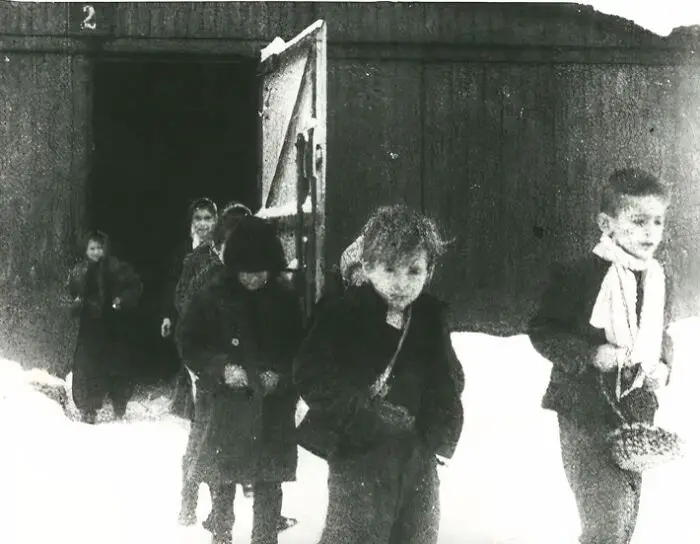
27 January 1945 | On Saturday, at around 9 a.m. the first Soviet soldier from a reconnaissance unit of the 100th Infantry Division appeared on the grounds of the prisoners' infirmary in Monowitz. The entire division arrived half an hour later. The same day a military doctor arrived and began to organize assistance. In the afternoon soldiers of the Red Army entered the vicinity of the Auschwitz main camp and Birkenau. Near the main camp, they met resistance from retreating German units. 231 Red Army soldiers died in close combat for the liberation of Auschwitz, Birkenau and Monowitz.
Two of them died in front of the gates of Auschwitz main camp. One of them was Lieutenant Gilmudin Badryjewicz Baszirow. The first Red Army troops arrived in Birkenau and Auschwitz at around 3 p.m. and were joyfully greeted by the liberated prisoners. After the removal of mines from the surrounding area, soldiers of the 60th Army of the 1st Ukrainian Front marched into the camp and brought freedom to the prisoners who were still alive. On the grounds of the main camp were 48 corpses and in Birkenau over 600 corpses of male and female prisoners who were shot or died in the last few days.
At the time of the Red Army's arrival, there were 7,000 sick and exhausted prisoners in the Auschwitz, Birkenau and Monowitz camps. Read about the final days of the operation of the German N*zi camp Auschwitz, the tragedy of evacuation, the moment of liberation by the Soviet Army on 27 January 1945 & fate of some 7,500 liberated prisoners in our online lesson full of accounts of Survivors.
Report
55points
#24
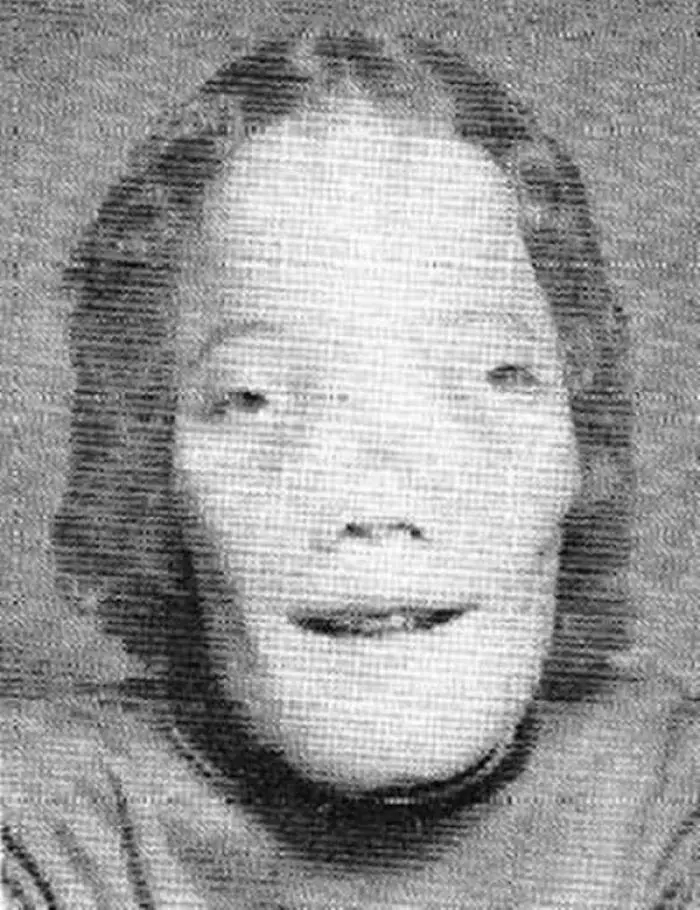
Born on Dec. 4, 1961, Rocky Dennis had a rare disease known as craniodiaphyseal dysplasia that contorted the bones in his face. His life became the inspiration for the 1985 film Mask.
Doctors predicted that Dennis would die by the age of seven.
Report
52points
#25
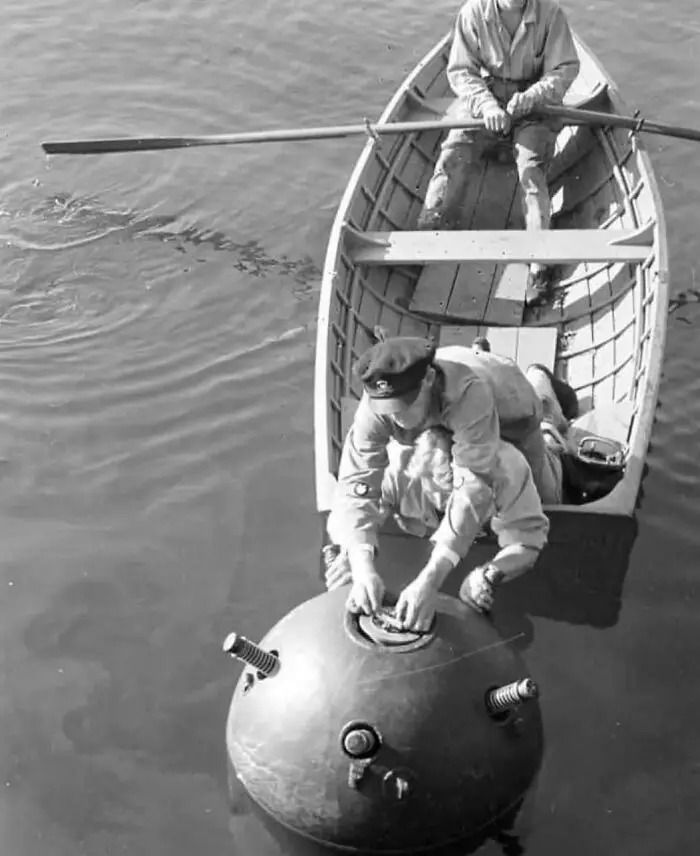
Finnish personnel disarm a floating sea mine from a small wooden rowboat in the Gulf of Finland near Haapasaari, Autumn 1944. Photo by SA-Kuva.
Report
52points
#26
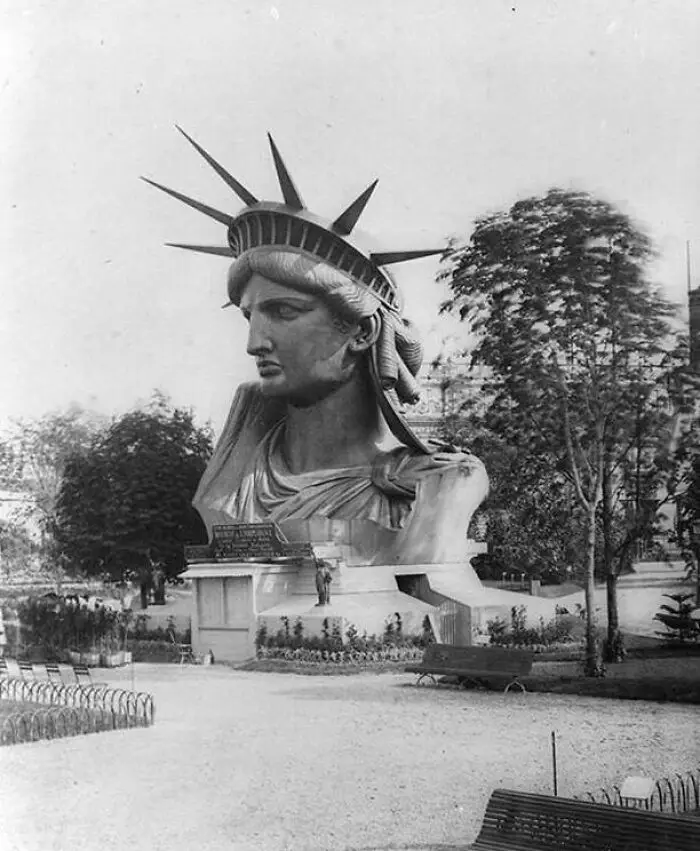
The head of the Statue of Liberty on display in Paris during the World's Fair in 1878. Seven years later, the entire statue would be disassembled and shipped to New York.
Report
50points
#27
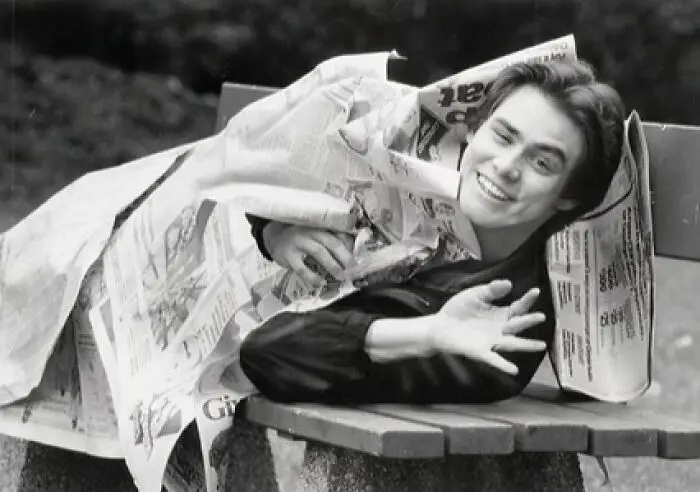
When Jim Carrey was 12, his father lost his job as an accountant. The family became homeless and lived out of a Volkswagen van that was too small for everyone, so Carrey and his brother slept in a tent outside. When his father finally did find work again, it was at a tire factory, and just to make ends meet, Carrey and his brother had to work there too, doing odd jobs as janitors and security guards for eight-hour shifts after a full day of school. Eventually, he dropped out at age 16 and never returned.
Report
50points
#28
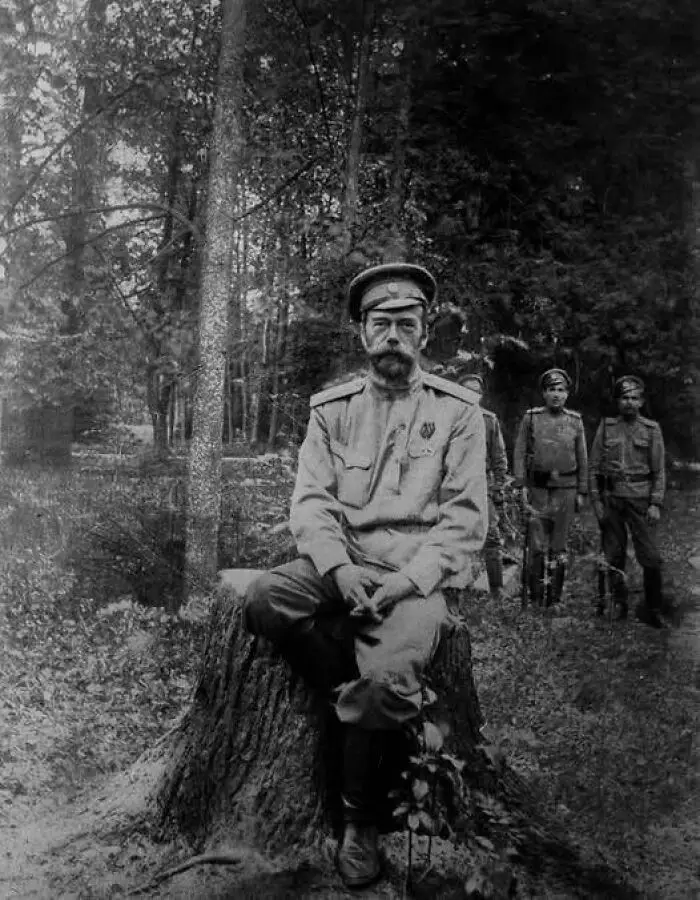
The last known photograph of Tsar Nicholas II, on the grounds of his royal residence, 1917.
Report
49points
#30
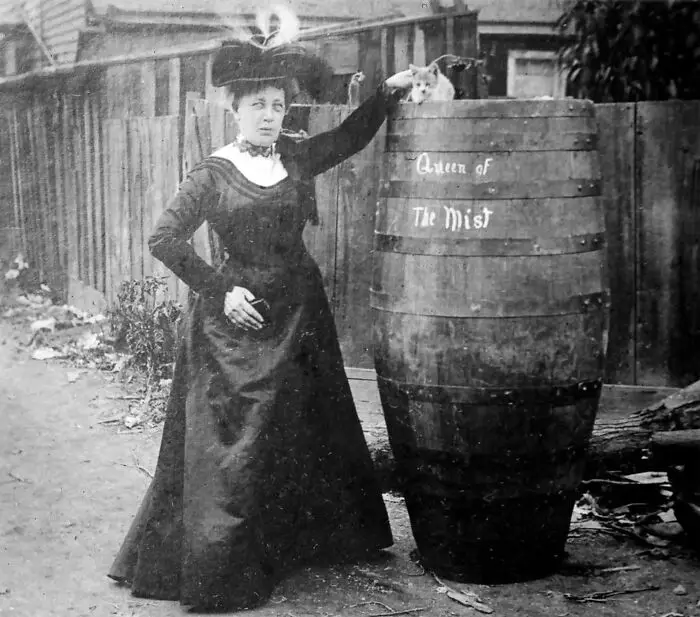
Annie Edson Taylor poses with her cat and the barrel she successfully rode over Niagara Falls in 1901.
Report
48points
#32
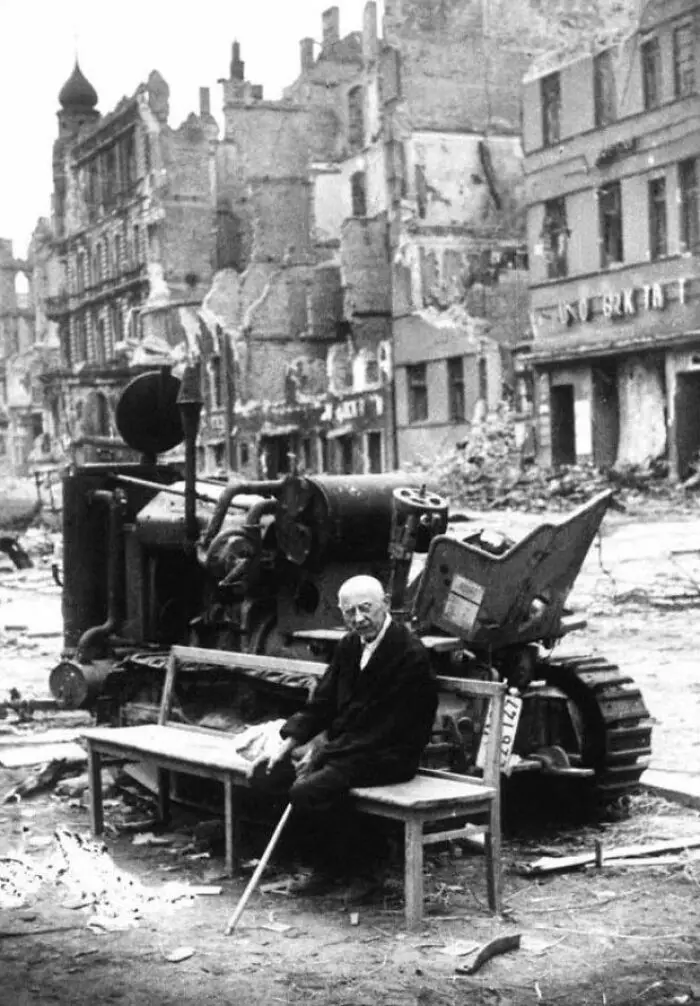
An elderly resident of Berlin sits among the ruins, Berlin. Germany, 1945.
Report
45points
#34
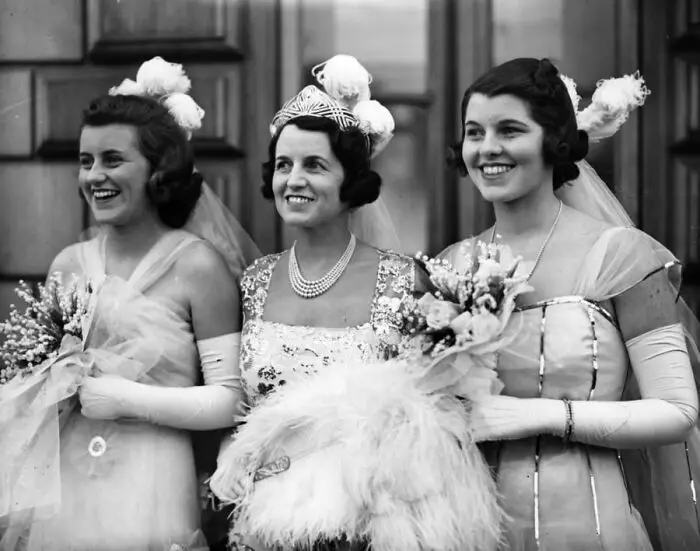
Rosemary Kennedy was unlike her siblings, and after a convent failed to control her "urges" when she was in her early 20s, Joseph Kennedy had his eldest daughter lobotomized and institutionalized.
What was once a bubbly woman who wanted to be a kindergarten teacher was turned into a barely functional individual who could only shriek and grunt.
Report
43points
#35
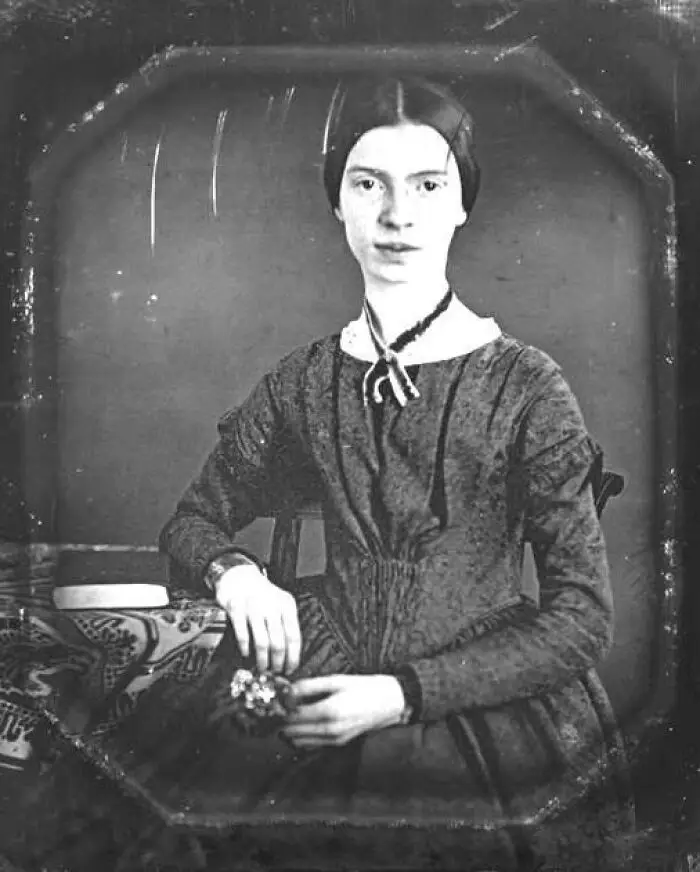
Emily Dickinson decided to withdraw from society and live a life of near-total seclusion in her family's home in Amherst, Massachusetts. While the exact reasons for her reclusiveness remain a mystery, this choice became a defining feature of her life and legacy. In her late twenties, Dickinson began to retreat from public life, rarely leaving her home and communicating with the outside world primarily through letters. Despite her physical isolation, she maintained rich and meaningful correspondences with friends, family, and literary figures, including Thomas Wentworth Higginson, a prominent editor and abolitionist. Their letters reveal a deep intellectual connection, with Dickinson often sharing her poetry and thoughts on life, nature, and art. One particularly fascinating event during this period was Dickinson's "white dress" phase.
Around the early 1860s, she began wearing only white clothing, a choice that has sparked much speculation among scholars. Some believe it symbolized her purity, her identity as a poet, or even her desire to separate herself from societal norms. This eccentric habit added to her mystique and contributed to her reputation as the "Belle of Amherst," a figure both enigmatic and captivating. Despite her seclusion, Dickinson's creative output during this time was extraordinary. She wrote nearly 1,800 poems, many of which explored themes of death, immortality, nature, and the human soul. Her decision to live a life of solitude allowed her to focus intensely on her craft, resulting in some of the most innovative and enduring poetry in American literature. Emily Dickinson's withdrawal from society and her dedication to her art make her one of history's most fascinating literary figures. Her life reminds us that creativity often thrives in the quietest corners, away from the noise of the world.
Around the early 1860s, she began wearing only white clothing, a choice that has sparked much speculation among scholars. Some believe it symbolized her purity, her identity as a poet, or even her desire to separate herself from societal norms. This eccentric habit added to her mystique and contributed to her reputation as the "Belle of Amherst," a figure both enigmatic and captivating. Despite her seclusion, Dickinson's creative output during this time was extraordinary. She wrote nearly 1,800 poems, many of which explored themes of death, immortality, nature, and the human soul. Her decision to live a life of solitude allowed her to focus intensely on her craft, resulting in some of the most innovative and enduring poetry in American literature. Emily Dickinson's withdrawal from society and her dedication to her art make her one of history's most fascinating literary figures. Her life reminds us that creativity often thrives in the quietest corners, away from the noise of the world.
Report
42points
#38
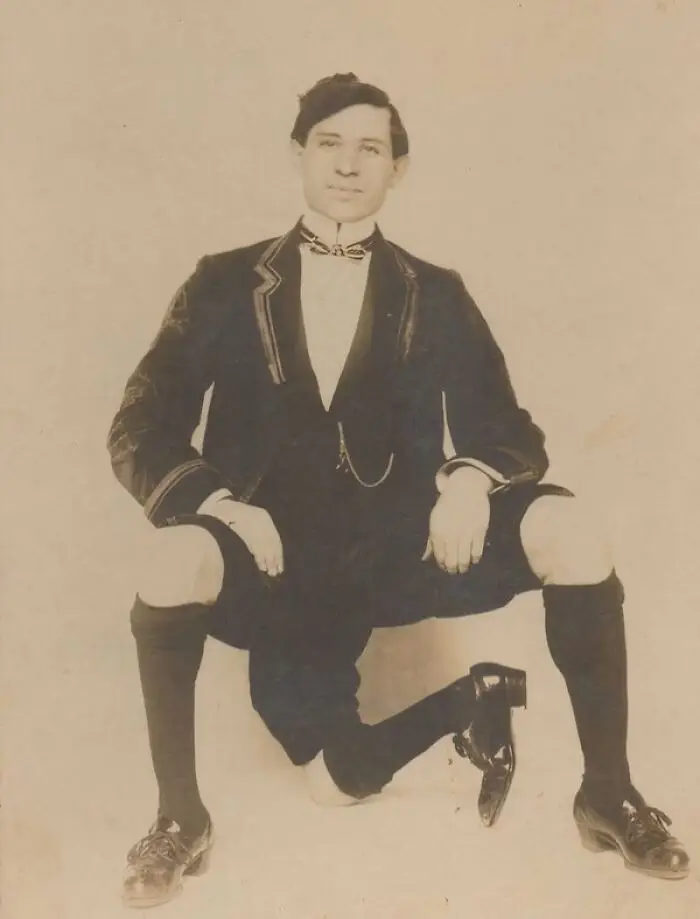
Born with three legs, four feet, 16 fingers, and two p**ises, Frank Lentini was a sight to behold, even among circus performers. One of the most famous sideshow attractions of the late Victorian era, Lentini eventually amassed a small fortune while building a relatively "normal" life with his wife and four children.
Report
40points
#40
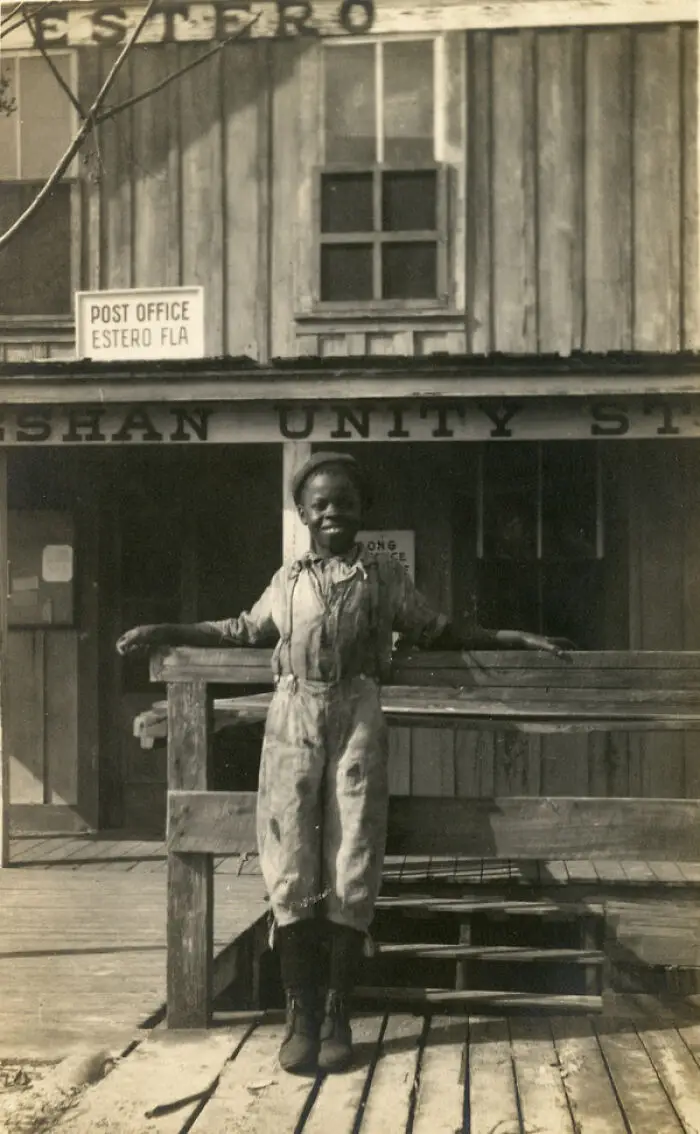
An unidentified young man standing in front of Koreshan Unity general store on the Estero River, Florida c.1890-1910
Report
40points