




The world is constantly changing, and eventually, our memory alone isn't enough to portray how things really were. It can distort important details, leaving gaps in our understanding of the past. That’s why archives are so valuable.
The Facebook group Old Historical Photos is home to hundreds of images from days gone by. Thanks to the community's dedication to record keeping, we get to see the events, places, and people that might otherwise be lost to time. Previous eras feel much more tangible.
#21
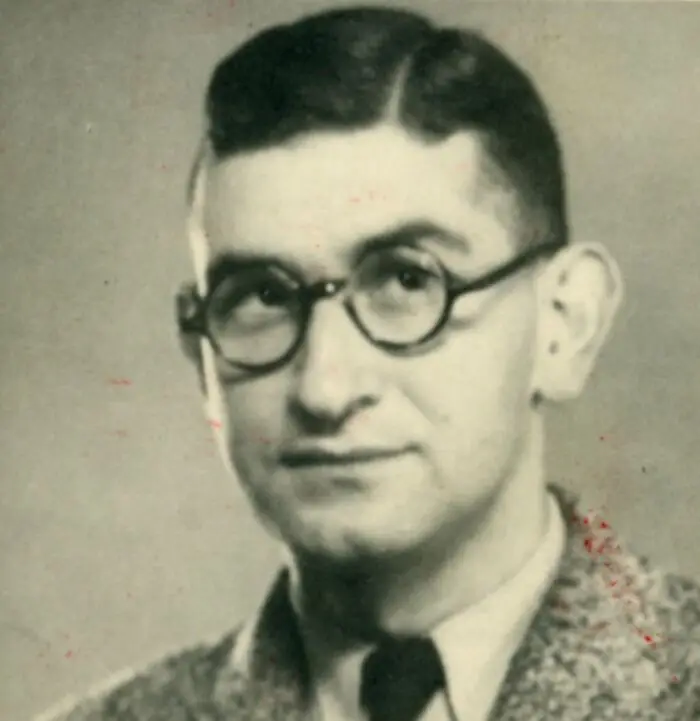
April 30, 1910 | Josef Frank, a Czech Jew, was born in Prostějov.
On September 28, 1944, he was deported from the Theresienstadt ghetto to Auschwitz, where he perished.
Report
14points
#22
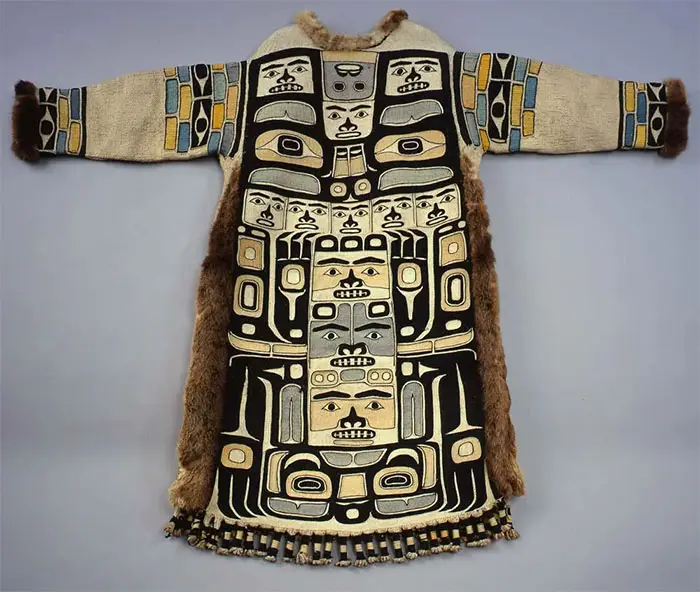
"Woven with Power: The Tlingit Chilkat Coat of Prestige and Spirit"
Crafted in the late 19th century, this Tlingit Chilkat coat—dated to around 1885 CE—is far more than a garment. It is a living tapestry of Indigenous tradition, identity, and prestige, woven with techniques passed down through generations. Now preserved at the Portland Art Museum, this extraordinary robe is a product of Tlingit artistry and cultural expression, made from mountain goat wool, otter fur, and strips of cedar bark—materials as deeply rooted in the land as the people who fashioned them.
The Chilkat robe is among the most sacred and intricate textiles of the Pacific Northwest Coast. Named after the Chilkat Tlingit people of Alaska, these robes were traditionally worn by high-ranking clan leaders during dances and ceremonies, each design imbued with clan crests, ancestral spirits, and cosmological symbols. The complex abstract forms, known as formline design, depict animals and mythical beings, each shape flowing into the next with striking symmetry. The weaving technique is so time-consuming and skillful that a single robe could take a year or more to complete.
More than ceremonial regalia, Chilkat robes functioned as emblems of status, lineage, and power. The materials themselves carry meaning—mountain goat wool symbolizes the harsh alpine spirit world, cedar bark embodies protection and purification, and otter fur, soft and sleek, adds both elegance and practicality. These robes were not simply worn; they were inherited, danced, and revered, often wrapped around chiefs during speeches to invoke ancestral authority or presented as treasured gifts during potlatch ceremonies.
Today, as this piece rests in a museum far from its coastal homeland, it serves not only as a masterpiece of textile art but also as a reminder of the resilience and richness of Indigenous cultures. It invites us to reflect on the Tlingit worldview, where every thread is a story, every symbol a spirit, and every garment a bridge between past and present.
Report
14points
#24

Helen Mirren once said: Before you argue with someone, ask yourself, is that person even mentally mature enough to grasp the concept of a different perspective. Because if not, there's absolutely no point. Not every argument is worth your energy. Sometimes, no matter how clearly you express yourself, the other person isn’t listening to understand—they’re listening to react.
They’re stuck in their own perspective, unwilling to consider another viewpoint, and engaging with them only drains you.
There’s a difference between a healthy discussion and a pointless debate. A conversation with someone who is open-minded, who values growth and understanding, can be enlightening—even if you don’t agree. But trying to reason with someone who refuses to see beyond their own beliefs? That’s like talking to a wall. No matter how much logic or truth you present, they will twist, deflect, or dismiss your words, not because you’re wrong, but because they’re unwilling to see another side.
Maturity isn’t about who wins an argument—it’s about knowing when an argument isn’t worth having. It’s realizing that your peace is more valuable than proving a point to someone who has already decided they won’t change their mind. Not every battle needs to be fought. Not every person deserves your explanation.
Sometimes, the strongest thing you can do is walk away—not because you have nothing to say, but because you recognize that some people aren’t ready to listen. And that’s not your burden to carry.
Report
12points
#25
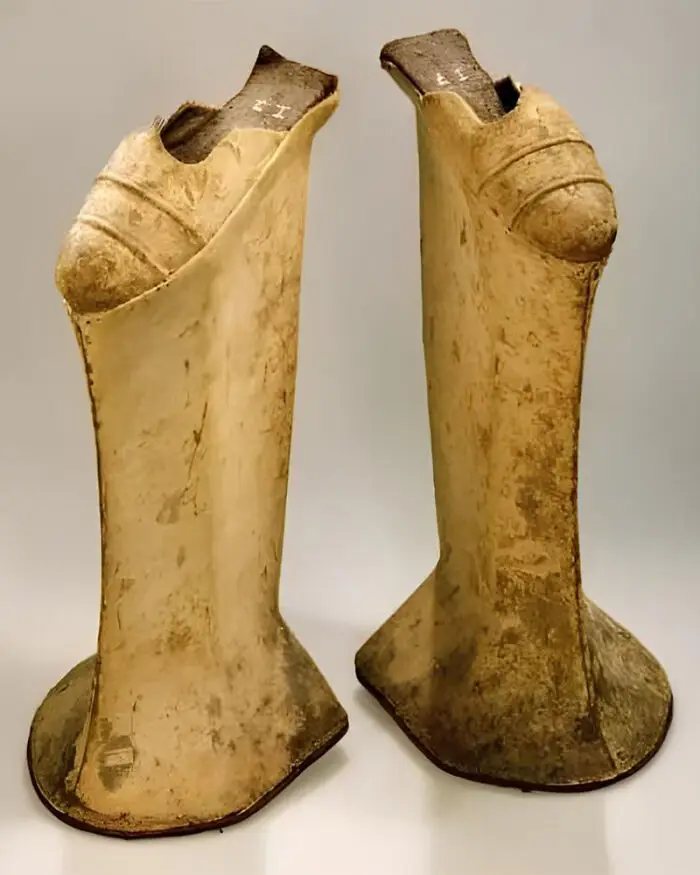
Let's take a moment to appreciate the audacity of fashion from the 15th to 17th centuries—the chopines. These towering shoes were not just an accessory; they were a bold statement, reserved for the elite women of Venice, from noblewomen to courtesans. Crafted with sky-high wooden platforms, chopines were designed to keep those luxurious dresses pristine, sparing them from the muck and grime of the streets. Talk about style with a purpose! More than mere footwear, they were the ultimate status symbol, elevating the wearer both physically and socially, a testament to their wealth and elegance. It’s fascinating, isn’t it, how today’s fashion continues to draw from this audacious history.
Report
12points
#26
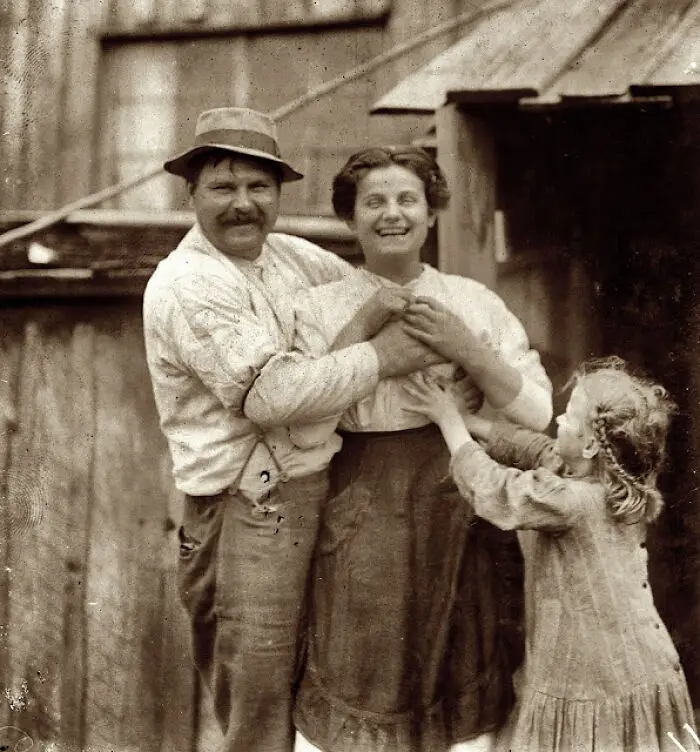
Formal portraits rarely featured smiles, but they can be found in photographs of daily life during this period. (1912, South Carolina.)
Report
12points
#27
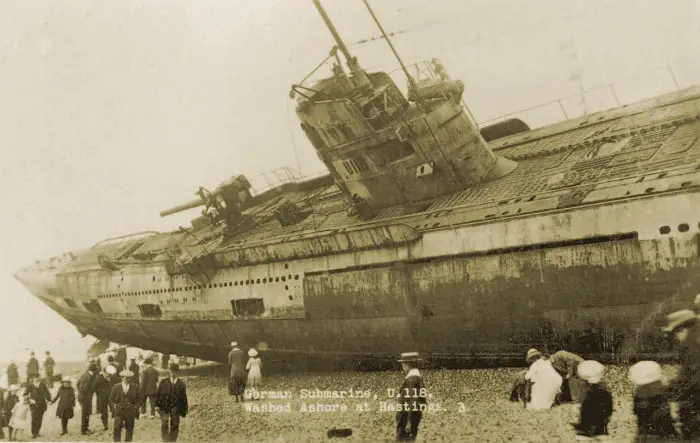
U-118, a World War I German Submarine Washed Ashore on the Beach at Hastings, England, 1919 In one of the most extraordinary and visually striking events of the post–World War I period, the German submarine U-118, a large and formidable U-boat of the Imperial German Navy, became an unexpected and dramatic feature on the shores of southern England. In April 1919, during the tumultuous period following the end of the First World War, the vessel broke loose while being towed to France for scrapping and was driven ashore by violent weather. The immense steel hulk of U-118 came to rest on the beach directly in front of the Queen's Hotel in Hastings, East Sussex. This unplanned beaching instantly transformed a quiet seaside town into a national sensation. Towering above the beachgoers and silhouetted against the coastal skyline, the 267-foot-long submarine captured the imaginations of thousands. For weeks, if not months, the wreck attracted vast crowds—locals and tourists alike—who traveled to witness this surreal spectacle of war stranded amid the peacetime sands. The grounded U-boat provided an eerie and tangible symbol of the conflict that had only recently ended—a towering machine of war brought low and rendered harmless, now a curiosity to be examined up close. Photographers documented the scene extensively, producing a wealth of historic photographs that captured both the scale of the submarine and the public's fascination. Children clambered around its barnacled hull, while men in bowler hats and women in Edwardian dress posed for snapshots. The British authorities even briefly allowed guided tours inside the vessel, though these were halted after two coast guards involved in the inspections reportedly [passed away] from toxic fumes released by the decaying submarine’s batteries. Eventually, the submarine was dismantled and removed, but the images live on in archives and personal collections. The sight of U-118 embedded in the English coastline remains one of the most remarkable visual records of the immediate postwar period. It serves as a potent reminder of the reach of the First World War and the strange, sometimes surreal ways its aftermath continued to echo across Europe long after the guns had fallen silent.
Report
11points
#28
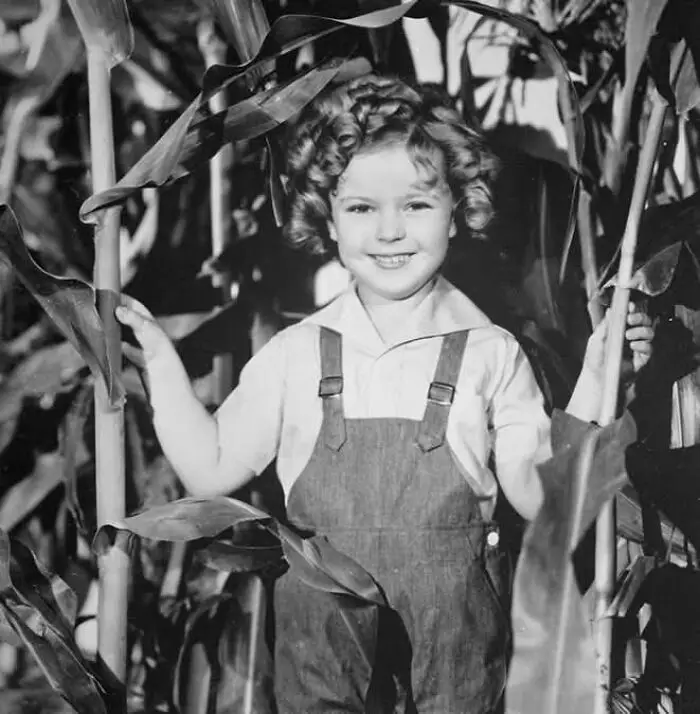
Shirley Temple publicity shot taken during filming of Curly Top, 1935.
Report
10points
#29
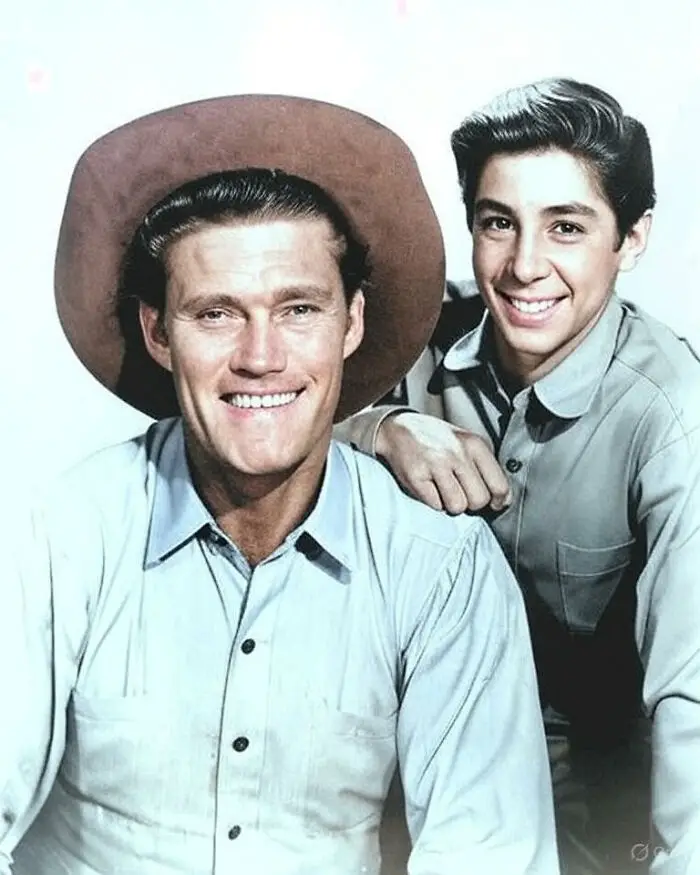
The Rifleman is a classic American Western TV series starring Chuck Connors as rancher Lucas McCain and Johnny Crawford as his son, Mark McCain. Set in the 1880s in the fictional town of North Fork, New Mexico Territory, the show was filmed in black and white and presented in half-hour episodes. It aired on ABC from September 30, 1958, to April 8, 1963, produced by Four Star Television. Notably, The Rifleman was among the first primetime television shows in the U.S. to depict a single father raising a child.
Report
10points
#31
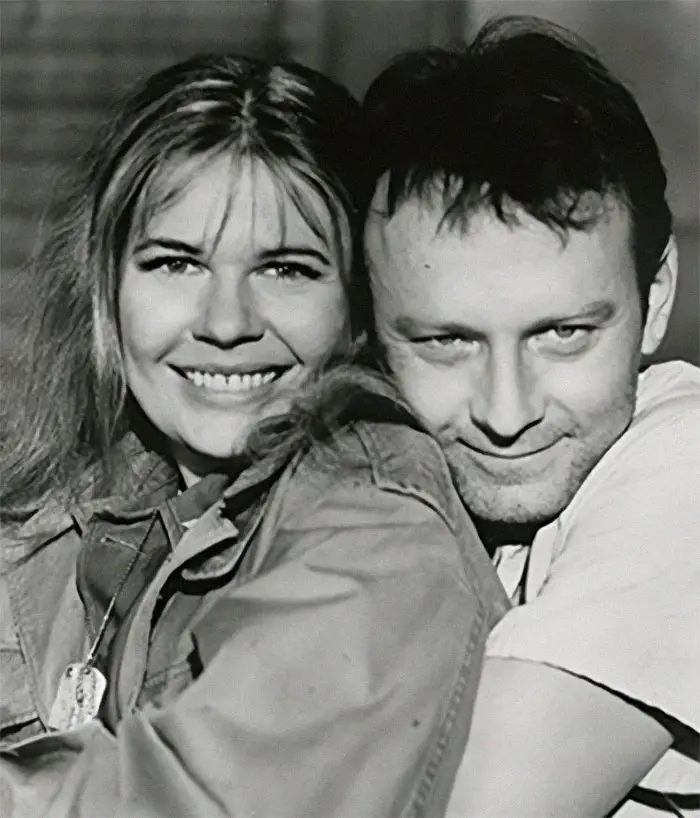
Loretta Swit truly held her own as head nurse Margaret Houlihan. In a special retrospective, she reflected on the onscreen relationship between “Hot Lips” and Larry Linville’s Major Frank Burns. Swit pushed back against the idea of her character being defined by an affair with a married man, advocating instead for greater depth and integrity. Determined to portray Margaret as a complex, real woman, she fought for a more mature and multifaceted evolution of the character.
Flashback Frames, https://www.alamy.com/stock-photo-mash-aka-mash-from-left-loretta-swit-larry-linville-1972-83-1980-photo-128581799.html?irclickid=08K0qjx5mxyKWhYQaYXvNXYPUksT-zwFXzrkzk0&utm_source=77643&utm_campaign=Royalty-free%20stock%20photos%20and%20images%20%E2%80%93%20Alamy%20&utm_medium=impact&irgwc=1
Report10points
#32
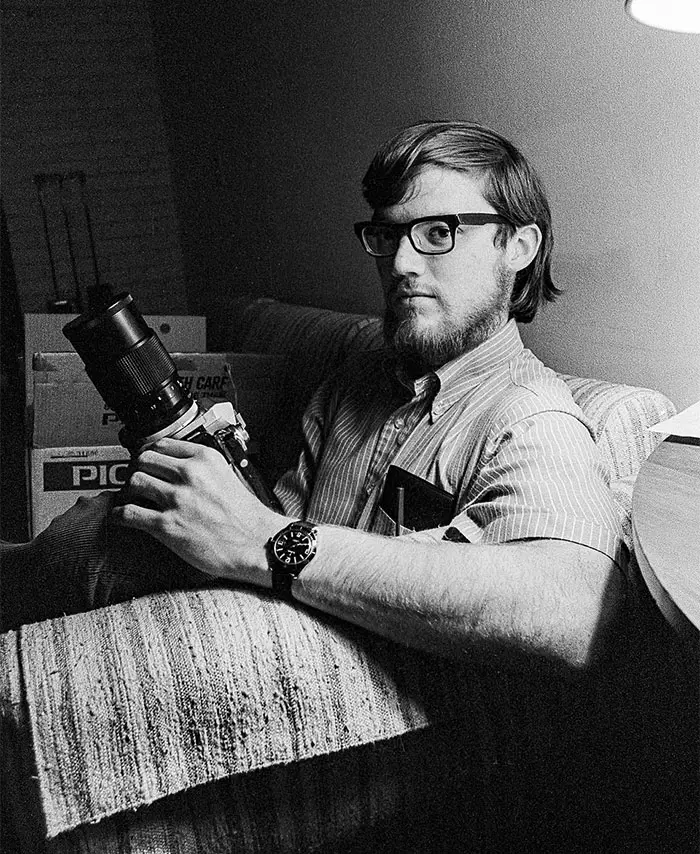
"Through the Lens of Tragedy: Remembering Reid Blackburn and the Eruption of Mount St. Helens" On May 18th, 1980, a violent act of nature silenced the eye of a young storyteller.
Reid Blackburn, a talented National Geographic photographer, was just 27 years old when he lost his life in the catastrophic eruption of Mount St. Helens. Sent to document the rumblings of the restless mountain, Reid was stationed only 13 kilometers away when the volcano unleashed one of the most devastating natural disasters in U.S. history. A pyroclastic flow—an unstoppable surge of superheated gas and ash—swept through the area, reshaping the landscape in moments.
Reid had been covering the increasing seismic activity for National Geographic, The Columbian newspaper, and the U.S. Geological Survey. Known for his creativity, calm demeanor, and sharp visual instincts, Reid was not a thrill-seeker chasing danger—he was a quiet observer, trying to capture history as it unfolded. He camped near the mountain’s slopes, not knowing that the eruption would come with such unexpected force and fury. The lateral blast, triggered by a massive landslide, ejected debris and gases at hundreds of miles per hour—obliterating everything in its path. In the days after the disaster, Blackburn’s camera and car were found buried beneath ash, and though he did not survive, his final assignment left behind a powerful legacy.
His photos taken before the eruption remain some of the most haunting and beautiful glimpses into the moments leading up to nature’s fury. He [passed away] doing what he loved—documenting the fragile dance between Earth’s majesty and its unpredictability. We honor Reid Blackburn not just as a casualty of Mount St. Helens, but as a brave chronicler who gave his life in pursuit of truth and understanding. His story reminds us of the risks borne by journalists and photographers who stand on the edge of danger so the rest of us can see the world more clearly.
Report
10points
#33
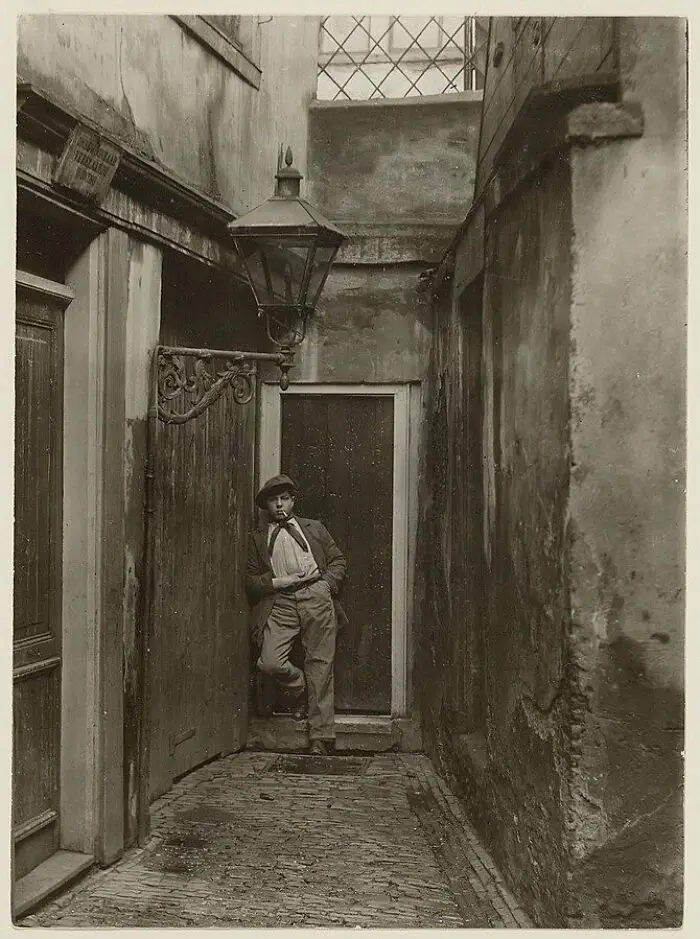
A man photographed in Bethelemsgang, Amsterdam, Netherlands, in 1911. The image was captured by August F.W. Vogt.
Report
10points
#34
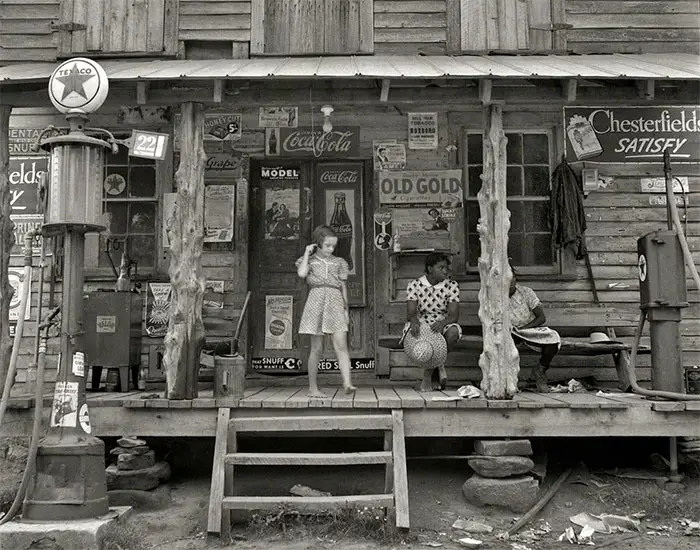
“Daughter of white tobacco sharecropper at country store. Person County, North Carolina.”
By Dorothea Lange - July, 1939.
By Dorothea Lange - July, 1939.
Report
10points
#35
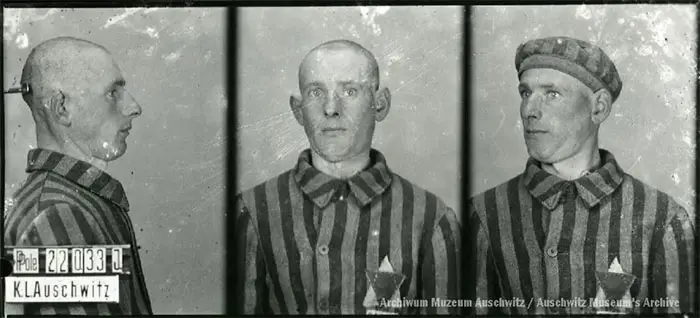
On 6 May 1900, Szmul Grin, a Polish Jew and butcher, was born in Przytyk. He was deported to Auschwitz on 24 October 1941 and registered as prisoner number 21978. He [passed away] in the camp on 1 November 1941.
Report
9points
#36
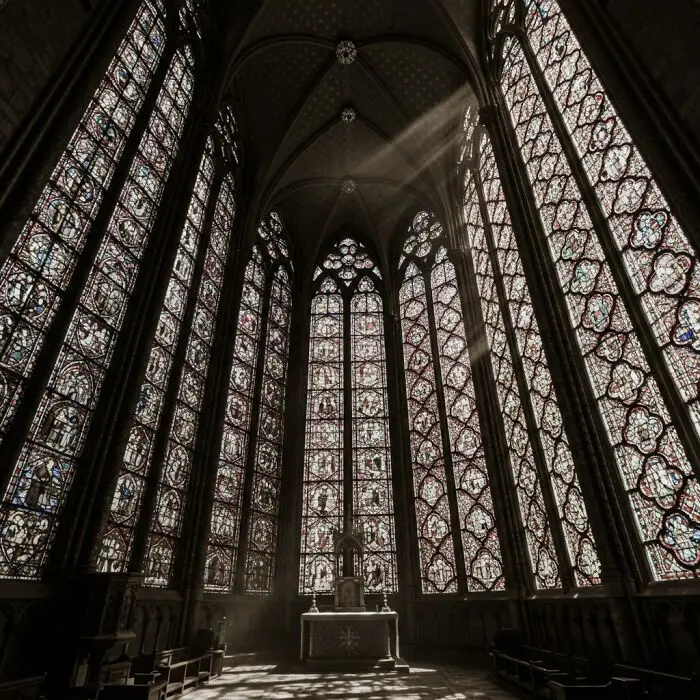
The interior of a cathedral adorned with stained glass windows is a breathtaking testament to the fusion of religious architecture and sacred art. Sunlight filters through vibrant, intricately crafted glass panels, casting kaleidoscopic patterns of color across stone floors and towering columns. Each stained glass window often depicts biblical scenes, saints, or symbolic motifs, serving both as visual storytelling and spiritual inspiration for worshippers. The soaring arches, vaulted ceilings, and ornate carvings amplify a sense of awe and reverence, guiding the eye—and the soul—upward toward the divine. This architectural masterpiece reflects centuries of devotion, craftsmanship, and theological thought, where every element is designed to evoke transcendence and connection to the sacred. Beyond their aesthetic beauty, stained glass windows also functioned historically as educational tools, communicating religious narratives to largely illiterate congregations, making the cathedral a living canvas of faith and artistry.
Report
7points
#39
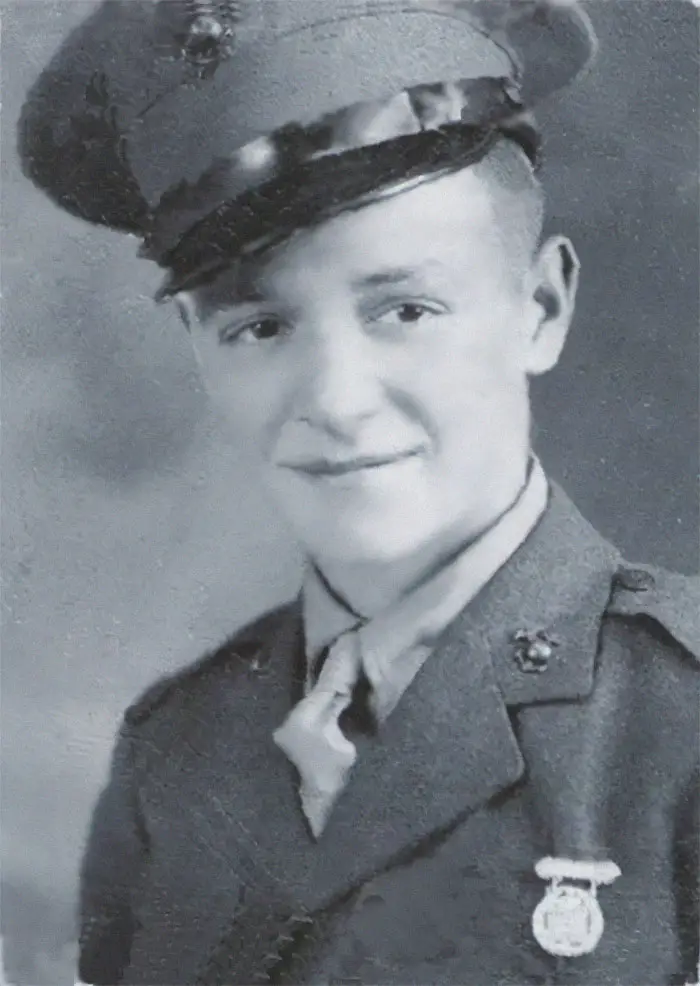
"Eighteen and Forever: The Courage and Sacrifice of PVT Ralph Howard St Clair"
On May 19, 1945, Private Ralph Howard St Clair of the United States Marine Corps fell in battle during the savage fighting on Okinawa, one of the bloodiest and most pivotal campaigns of World War II. Just 18 years old, Ralph had already seen the horrors of war—having fought on Saipan—but it was on the jagged slopes of Sugar Loaf Hill, a key strategic point in the island's defense, where his young life came to a heroic and tragic end.
He served with D Company, 2nd Battalion, 29th Marines, 6th Marine Division, operating as a scout and automatic rifleman in some of the most dangerous terrain and under some of the fiercest enemy fire the Pacific War had to offer. Born on December 1, 1926, in Amsterdam, New York, Ralph was the son of Fred and Mary St. Clair.
His father, Fred, a veteran of the First World War, likely understood too well the risks his son faced in service. The family’s sacrifice deepened when Fred passed away just five weeks after Ralph, perhaps from grief as much as age, on June 26, 1945. It was a heartbreaking chapter for a family that had given more than most—across two world wars and two generations.
At first, Ralph was listed as Missing in Action, his fate uncertain for over a decade. But in 1956, Ralph’s remains were finally recovered and identified, bringing long-awaited closure to his loved ones. At his mother Mary’s request, he was laid to rest with honor in the National Memorial Cemetery of the Pacific in Honolulu, Hawaii, also known as the Punchbowl, among thousands of other fallen heroes. His grave rests in Section G, Site 535, a solemn tribute to a boy who gave his life in service of something larger than himself. Today, we remember PVT Ralph Howard St Clair not just as a name etched in stone, but as a brave young man who stood tall in the face of unimaginable peril. His youth was stolen by war, but his courage endures—etched into history at Okinawa, remembered in the quiet grass of Honolulu, and honored by all who understand the true cost of freedom.
Report
6points
#40
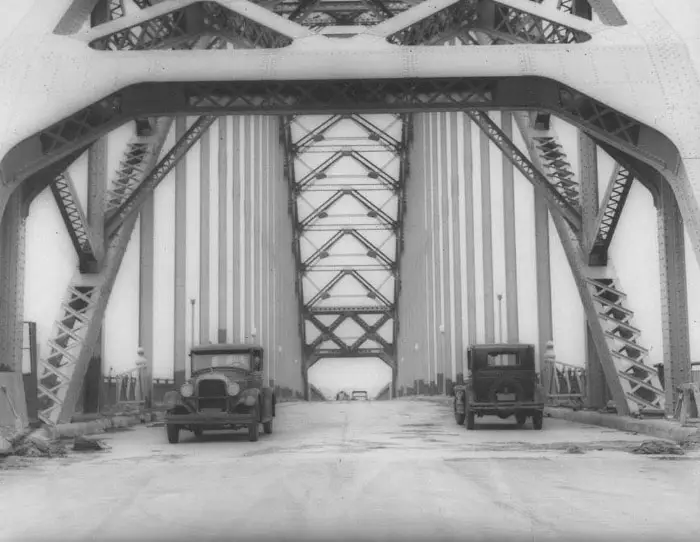
"Tacony to Palmyra: Bridging Pennsylvania and New Jersey Since 1929"
When the Tacony-Palmyra Bridge first opened in 1929, it was more than just a link between Philadelphia and southern New Jersey—it was a bold symbol of progress and connection. Built with an elegant steel span and a functional center drawbridge, it allowed maritime traffic to pass through while ushering in a new era of regional mobility. For just five cents, early motorists could cross the Delaware River, their tires humming across the gridded steel surface. In its early days, even streetcars shared the bridge with automobiles, showcasing the blend of past and future that defined the time.
As the Great Depression loomed and the automobile age surged forward, the Tacony-Palmyra Bridge became essential for workers commuting to the city and for families seeking a weekend escape to the quieter towns of New Jersey. Its position offered a unique vantage point—smokestacks and industrial sprawl to the west, open fields and farmsteads to the east. It was more than a route; it was a transition point between two very different worlds, capturing the spirit of a growing and diversifying region.
In a time when infrastructure was becoming a backbone of American expansion, this bridge stood as a proud testament to modern engineering and regional cooperation. It didn’t just carry cars—it carried hopes, ambitions, and the rhythm of daily life. Whether you were crossing for work, leisure, or simply curiosity, the Tacony-Palmyra offered more than just passage. It provided a moment of perspective, hanging above the water like a quiet reminder of how connected, yet different, our surrounding worlds could be.
Today, nearly a century later, the bridge still stands strong, weathered by time but rich in stories. It's a piece of living history—both practical and poetic—reminding us that even something as utilitarian as a toll bridge can become a cultural touchstone when it connects not just places, but people and eras.
Report
5points