
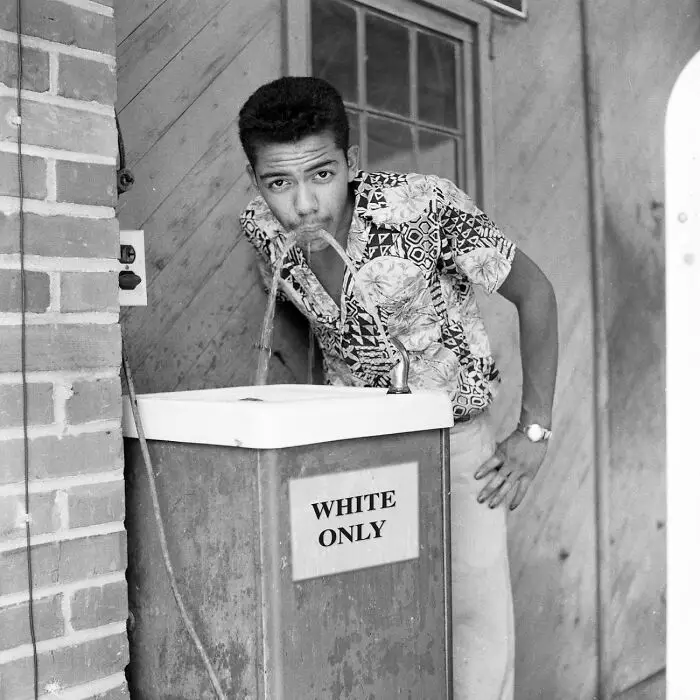
#1 African American Man Drinking At “White Only” Fountain, Circa 1956
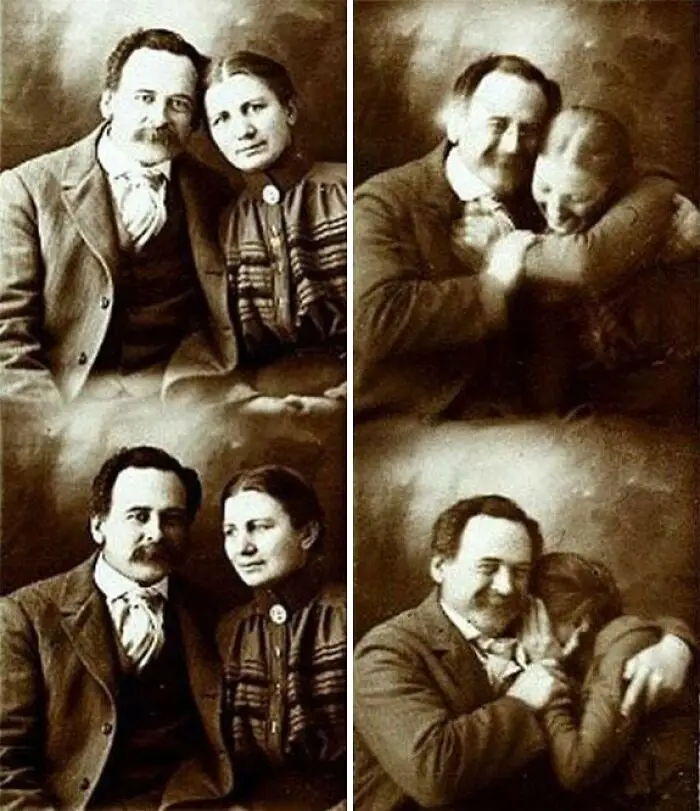
Photography has never just been about pictures. Since its invention in 1839, it’s given us a way to hold onto moments that would otherwise fade into the past, letting us return to them again and again, long after they first happened. Closely connected to memory, evidence, and documentation, photographs, as the Museum of Modern Art (MoMA) puts it, function “as memory aides, surrogates for direct observation, and even trustworthy duplicates of important documents,” offering “glimpses into lives past, long-ago events, and forgotten places.”
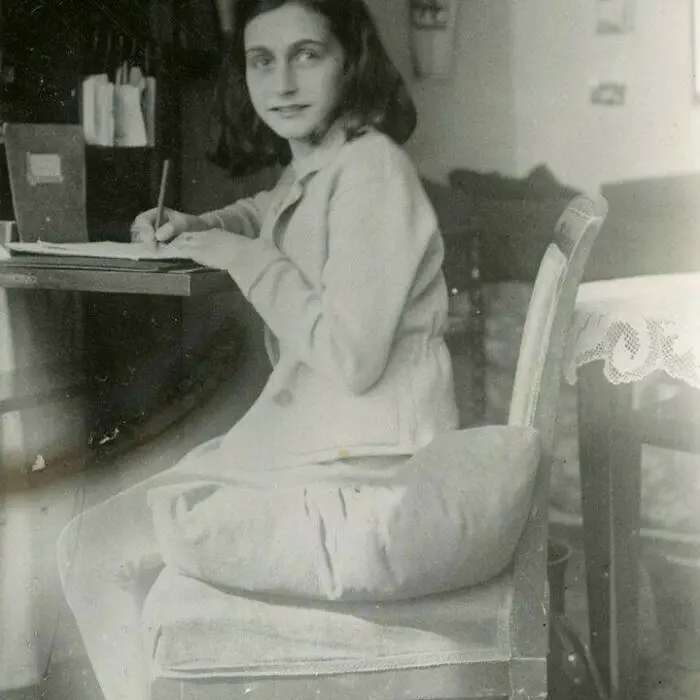
#4 Anne Frank Writing At Her Desk In Her Room In The Merwedeplein Apartment, Amsterdam, 1941
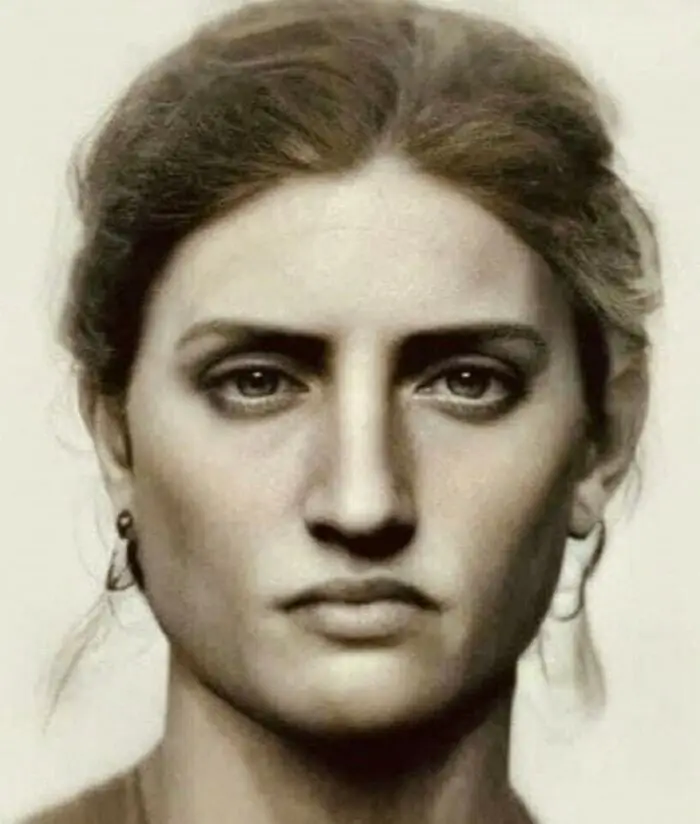
#5 In 1878, Isabella Bover, A Renowned French Model, Was Carefully Selected To Embody The Spirit Of The Statue Of Liberty
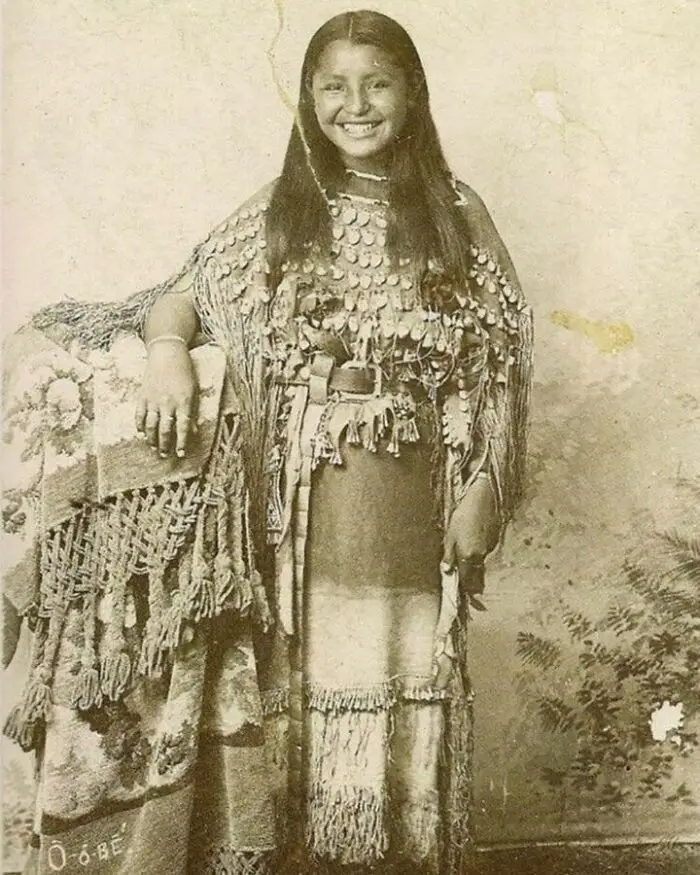
#6 This Rare 1894 Photograph Shows A Young Indigenous Woman Smiling At The Viewer
A single image can capture a moment in time, letting us look back at people, places, and events long after they’ve passed. That makes photographs powerful tools for telling stories, chronicling history, and shaping how we understand the world and the people who lived in it. As scholars Karen Cross and Julia Peck write, “Photography, archive and memory are intimately connected.”
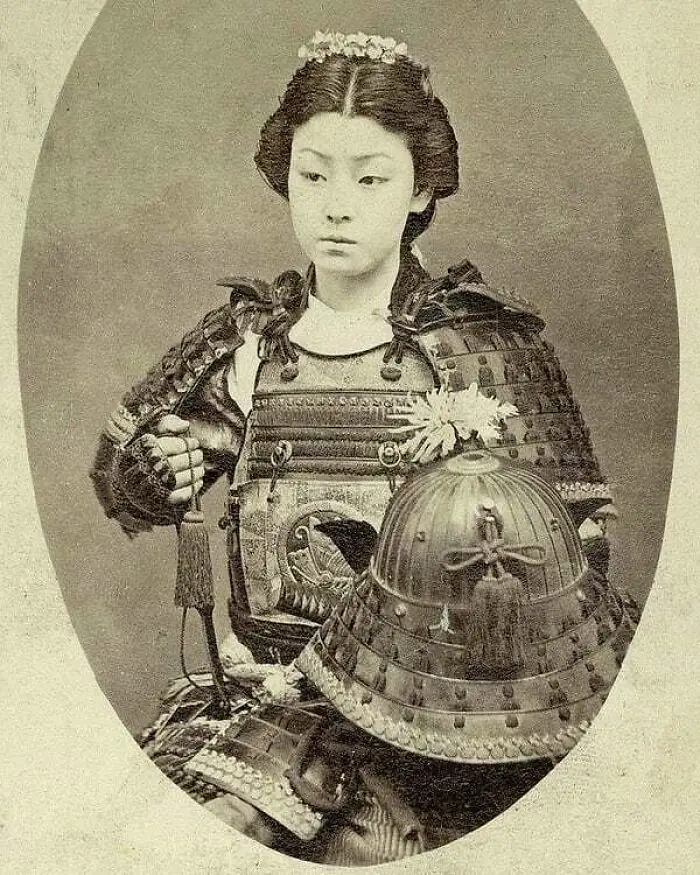
#7 Rare Vintage Photograph Of An Onna-Bugeisha, One Of The Female Warriors Of The Upper Social Classes In Feudal Japan
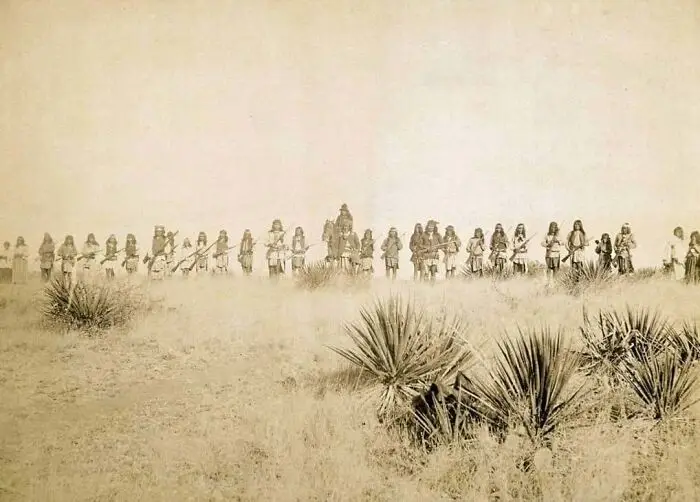
#8 Geronimo & His Warriors. Only Known Photo Of Indian Combatants Still In Field Who Had Not Yet Surrendered To US - 1886
This relationship has a lot to do with photography’s “inextricable connection to the real world,” MoMA explains. For a long time, this made it seem like a uniquely reliable way to document people, places, and events, and to record history as it happened. But we now know that photographs aren’t “fixed statements of fact.” They’re far more open to interpretation, shaped not only by what the photographer chose to include in the frame, but also by the context in which the image is later presented and viewed.
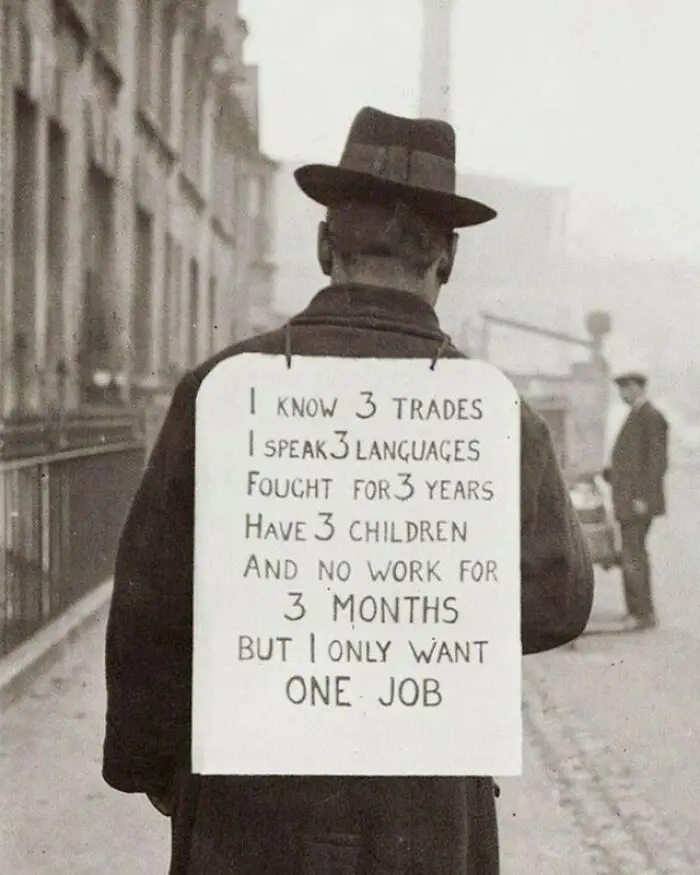
#10 Gentleman Seeking Employment In The 1930's
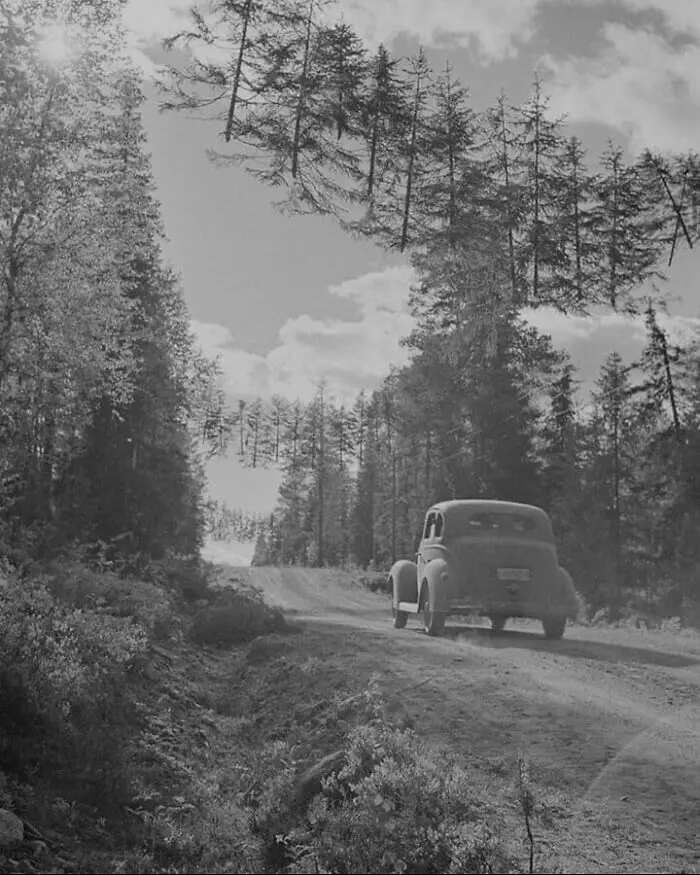
#11 Camouflaged Road In Finland During Ww2. The Trees Are Hung Up With Rope So Enemy Watch Towers Don't See The Road. June 27, 1941
In other words, while photography can aid memory by building a vast store of images, it also “filters and mediates what is preserved,” as Cross and Peck put it. A camera can capture details that might otherwise “evade the eye,” but the photographic record can never be the full picture. What survives is shaped by what was photographed, what was preserved, and what was subsequently brought to our attention.
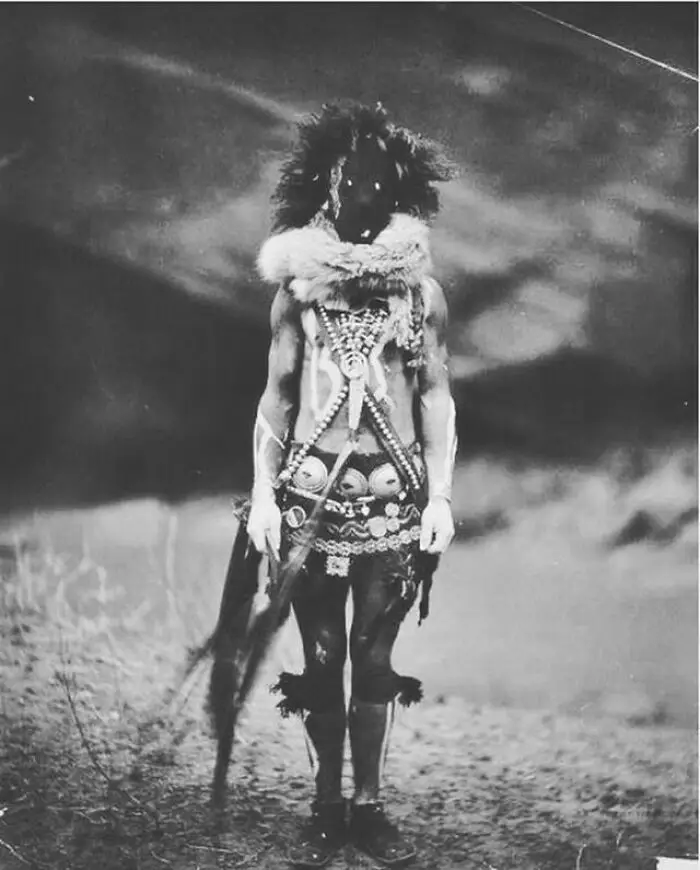
#13 A Navajo Man Wearing A Ceremonial Mask And Dress Of Nayenezgani, 1904
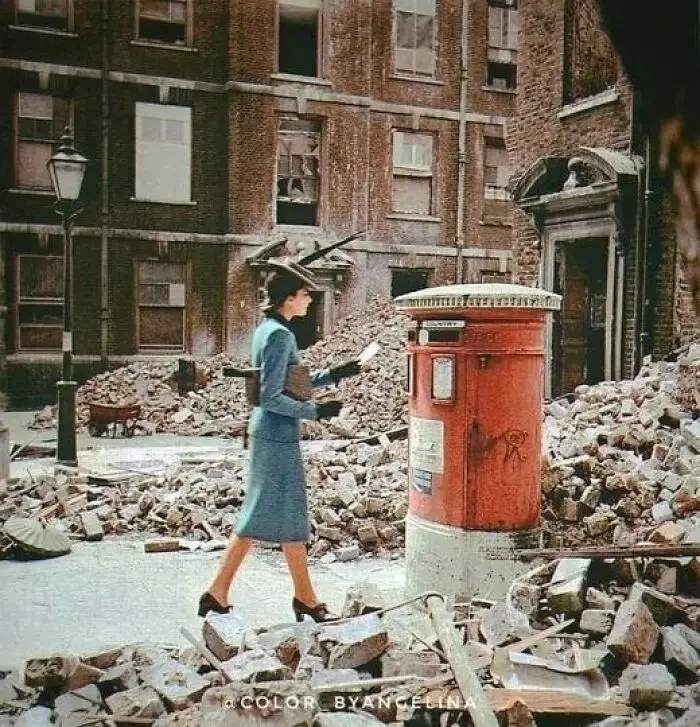
#14 A Woman Posts A Letter In A Postbox Amongst Destroyed Buildings And Rubble Caused By German Air Raids During World War II. Photograph Taken In London, United Kingdom In 1940 By Cecil Beaton
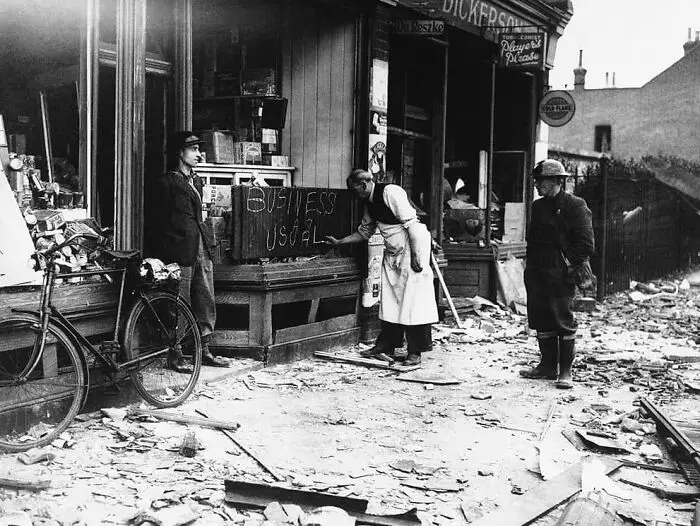
#15 "Business As Usual" Undaunted By A Night Of German Air Raids In Which His Store Front Was Blasted, A Shopkeeper Opens Up The Morning After For “Business As Usual” In London
And that raises questions about the photographic archive itself. It may preserve a wealth of information, but it can never be a completely neutral record of everything that happened since someone always decides what gets kept and what gets left out. As Cross and Peck explain, “Photography and its archives are structured by remembrance and forgetting, in which certain futures are promised and others excluded.” From the second half of the 20th century onward, MoMA notes, new perspectives increasingly challenged the idea of both the photograph and the photographic archive as objective, unbiased records of the past.
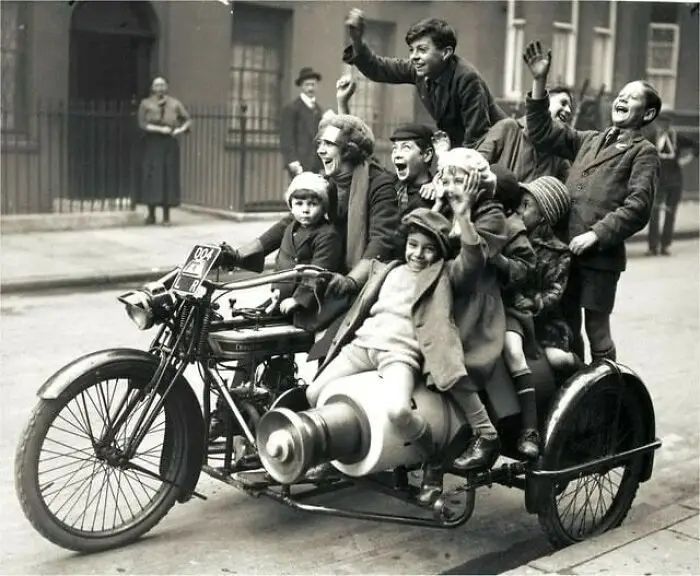
#16 Nancy Debenham Giving A Group Of Children A Ride On Her Motorcycle, 1923
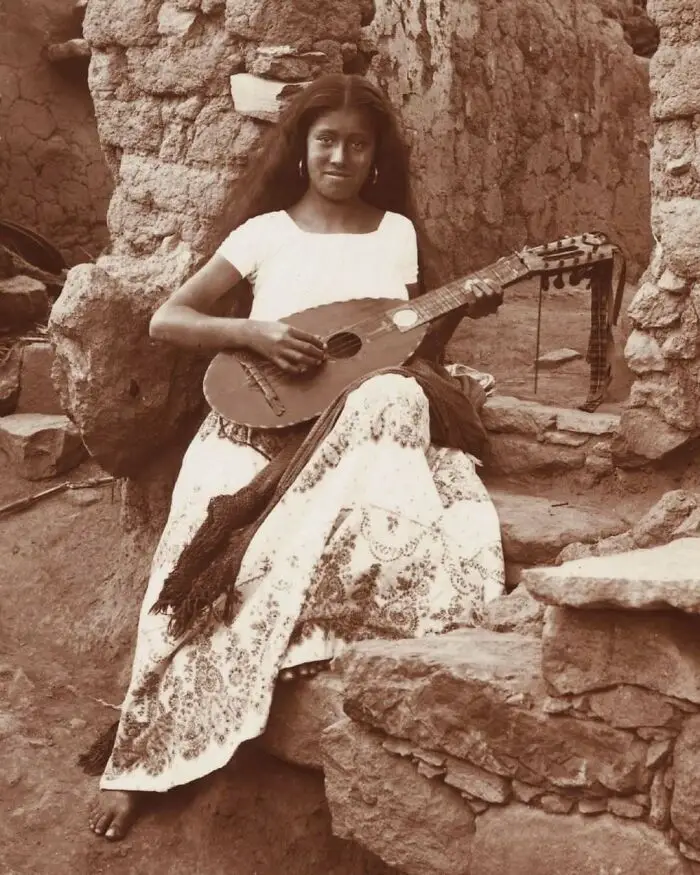
#18 Young Woman From Guanajuato, Mexico Playing A Mandolina Conchera, A Guitar-Like Instrument Traditionally Made From The Shell Of An Armadillo Circa 1895
That doesn’t mean the familiar photographs we associate with history are somehow unimportant or misleading. They’re simply only part of the picture. Looking beyond the images we already know can reveal other perspectives, details, and stories—and give us a fuller sense of the people, places, and events that shaped the past.
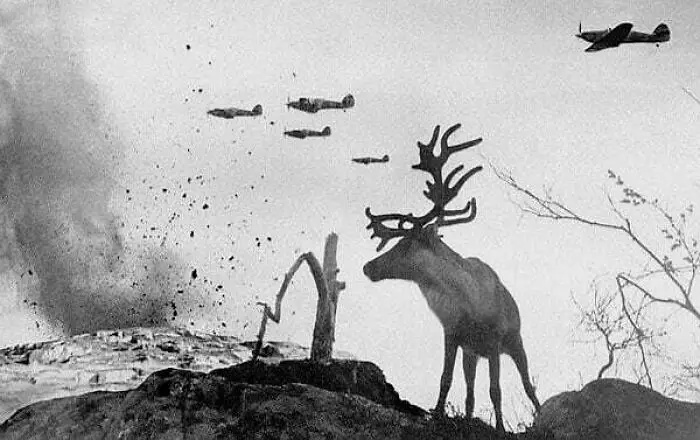
#19 By Yevgeny Khaldei - A Shell Shocked Reindeer Looking On As World War II Planes Drop Bombs
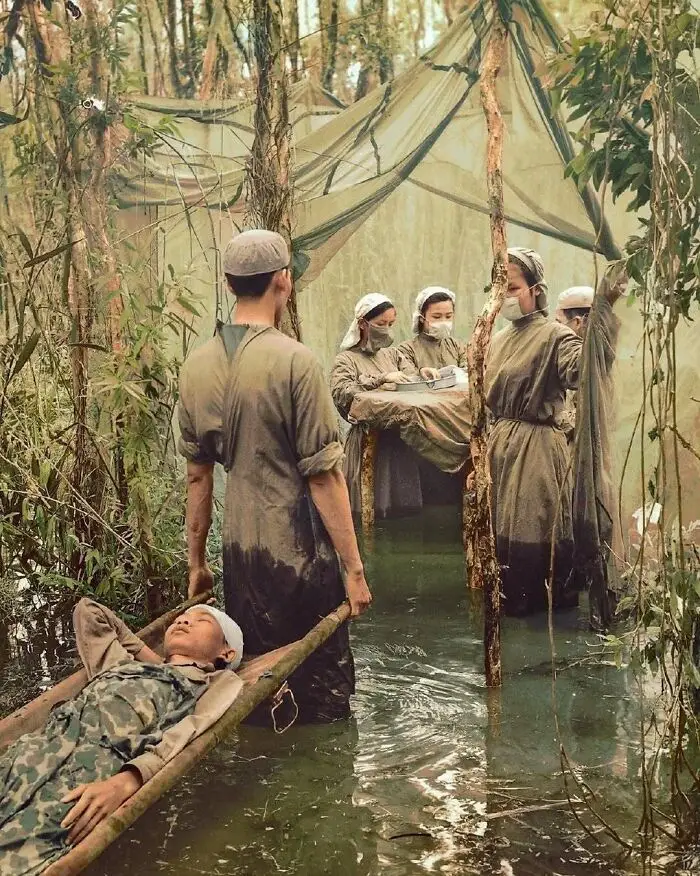
#20 A Vietcong Operating Room In The Vietnam War, 1970