





When we read about wars, revolutionary scientific discoveries, and other events that altered the course of mankind, we often think of the big picture: paradigms shifted, societies transformed, etc. And while these, let's call them, measures are important, we have to remember that there were people—real people—who laughed and cried just like we do. Luckily, the Facebook page History Addicts is here to remind us of that. Whether it shares an image of an ancient artifact or a school "bus" from the 1930s, its uploads never lose the human touch.
More info: Facebook
#21
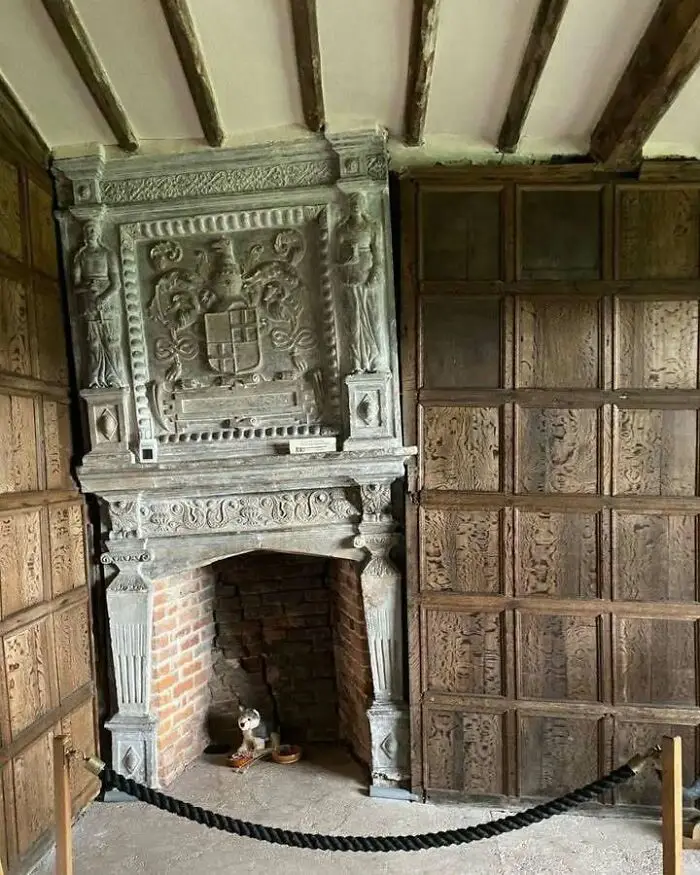
The fireplace in Little Moreton Hall, constructed between 1504 and 1610 CE, may appear crooked at first glance, but it is, in fact, perfectly straight. The real culprit is the room itself—warped and uneven due to centuries of shifting and settling. Renowned as one of the wonkiest buildings in England, this iconic Tudor manor charms visitors with its distinctive, gravity-defying architecture and crooked charm.
Report
69points
#22

1925 Rolls Royce Phantom Coupe - 1935 modified edition with extravagant bodywork created by Henri and Joseph Jonckheere
Report
69points
#23
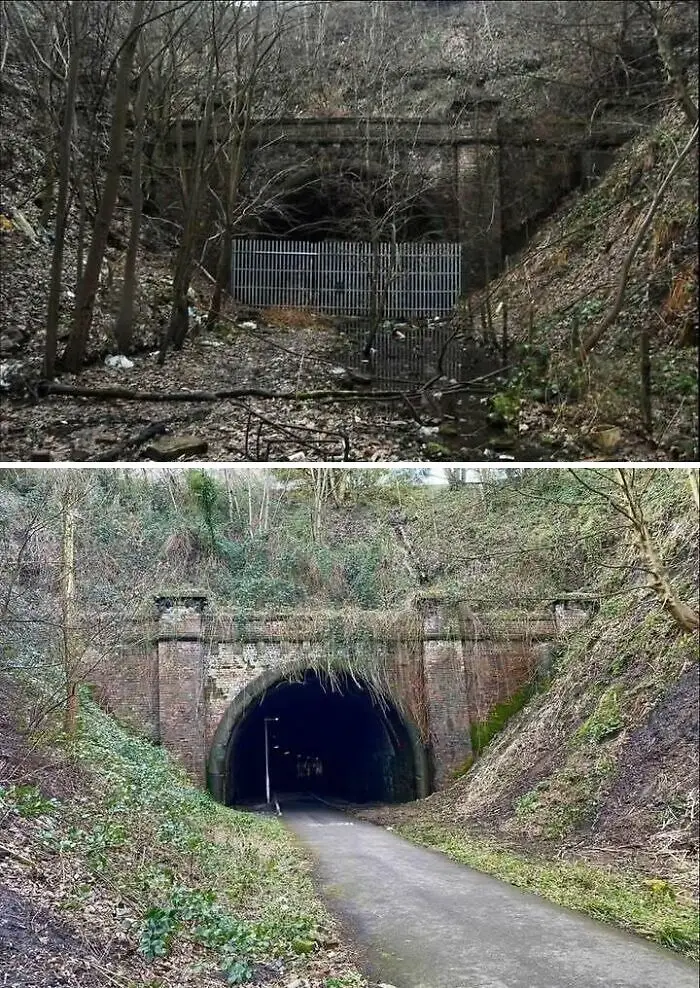
Before and after- 2009 above and 2023 below
The 179-yard-long Earlsheaton Tunnel, part of the Great Northern Railway’s loop line from Batley to Wakefield via Dewsbury, opened in 1876 and closed to all traffic in 1965.
In 2012, it was reopened for the use of a ‘greenway’ for cycling and walking
The 179-yard-long Earlsheaton Tunnel, part of the Great Northern Railway’s loop line from Batley to Wakefield via Dewsbury, opened in 1876 and closed to all traffic in 1965.
In 2012, it was reopened for the use of a ‘greenway’ for cycling and walking
Report
68points
#24
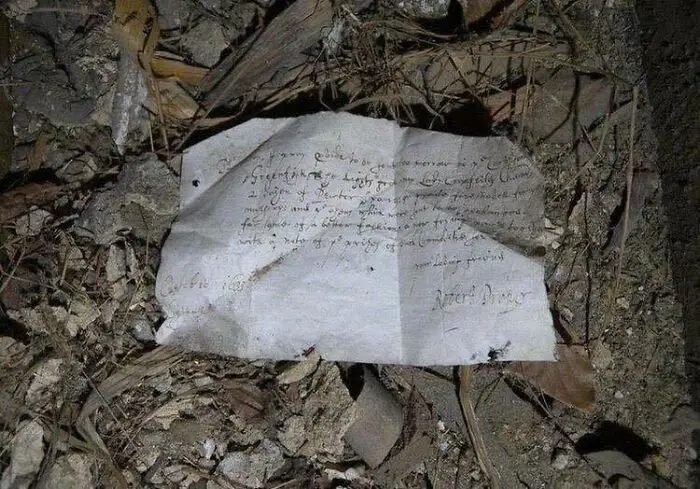
A remarkable 387-year-old handwritten shopping list, dated October 1633, was discovered beneath the floorboards of a London home. Penned by Robert Draper, the letter details various household necessities, including greenfish, pewter spoons, and a frying pan. Now preserved in the National Trust collection, the list reads:
“Mr. Bilby, I pray provide to be sent tomorrow in the cart some greenfish,
The lights from my Lady Cranfield’s chamber,
Two dozen of pewter spoons,
One great fireshovel for the nursery,
And the others, which were sent to be exchanged for some of a better fashion,
A new frying pan,
Together with a note of the prices of such commodities for the rest.”
Your loving friend,
Robert Draper,
October 1633, Copthall.
This rare document offers a fascinating glimpse into 17th-century domestic life and the essentials of a well-stocked household.
Report
67points
#25
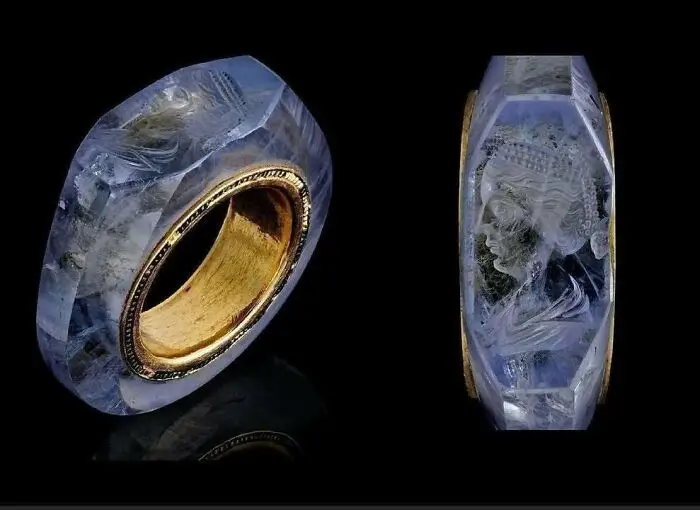
2000 year old sapphire ring that belonged to Roman emperor Caligula, depicting his fourth wife Caesonia
Report
66points
#28
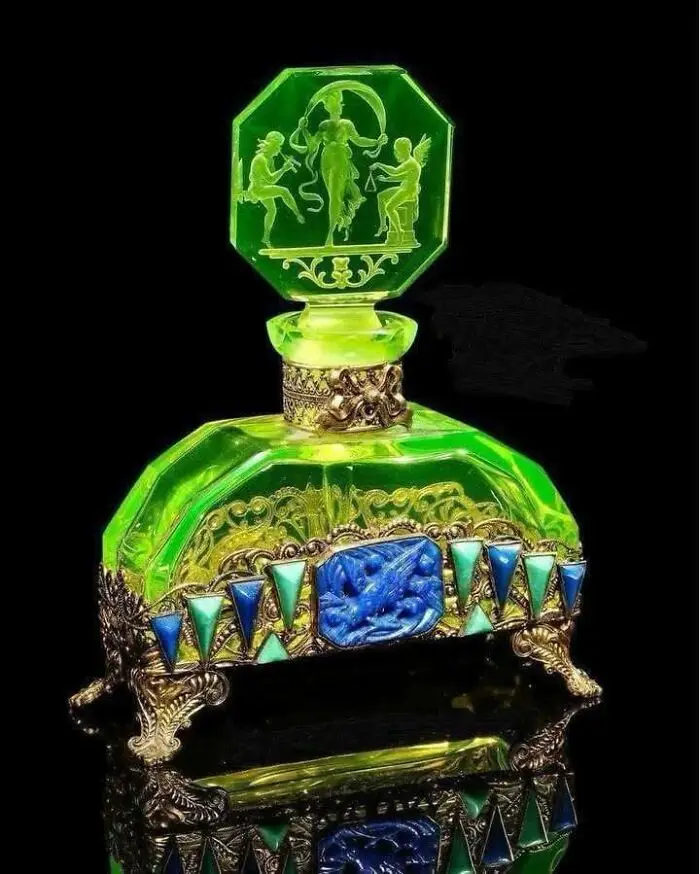
Vaseline perfume bottle made by Heinrich Hoffman in Czechoslovakia, 1920s
Report
64points
#29
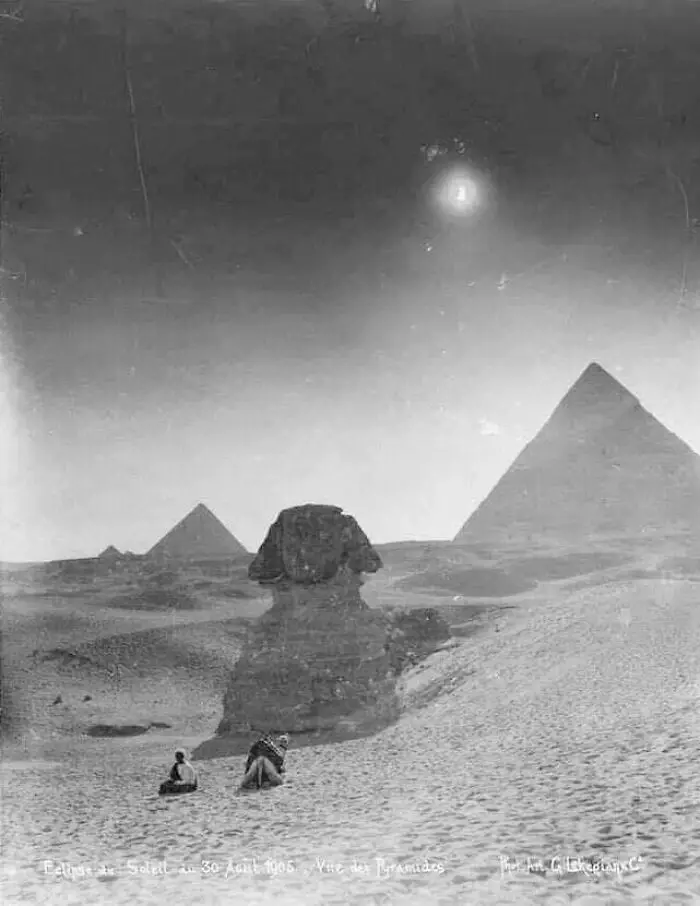
The Pyramids and Sphinx, under a solar eclipse. Photo by Gabriel Lékégian, 1905
Report
63points
#31
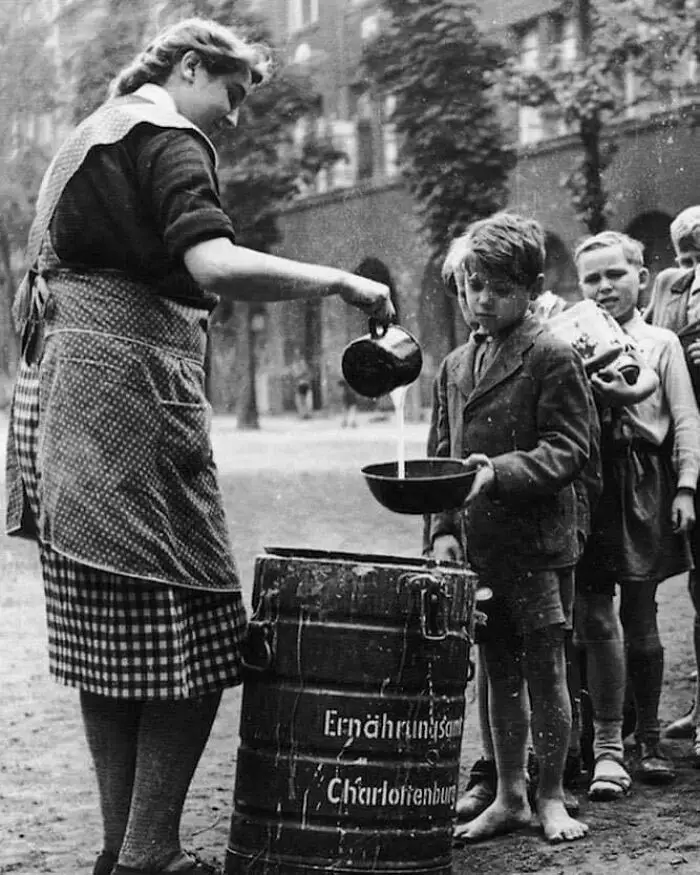
Soup kitchen feeding young children in Germany during the Great Depression
Report
62points
#32
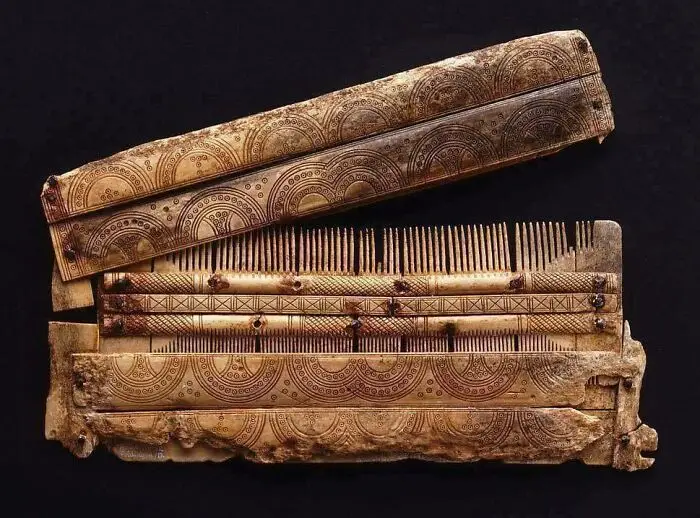
An intricately adorned bone comb from the early medieval period, discovered in a warrior's burial site in Fridingen, Germany. The comb, dating back to the early 7th century CE, was stored in a protective case to safeguard its fragile teeth. It is currently on display at the Landesmuseum Württemberg.
Report
62points

#34
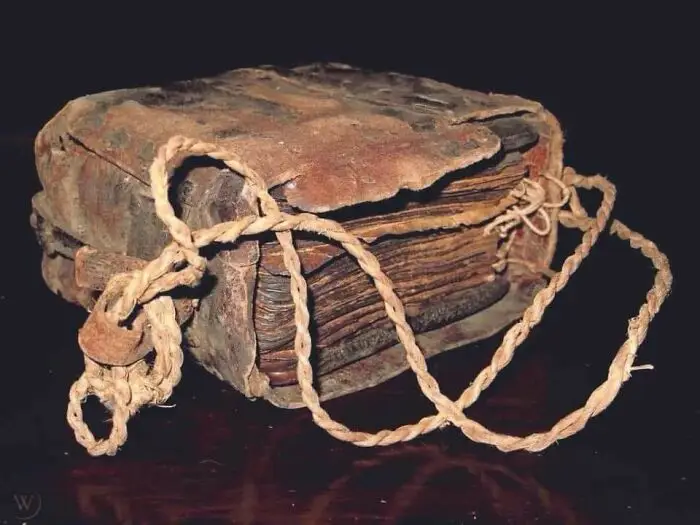
The oldest, most complete bible on Earth. The Ethiopian bible, which was written on goat skin, was the world’s first illustrated Christian Bible and was written around the early fifth century.
Report
59points
#37

37 million year old fossil of a whale skeleton, found in Wadi Al Hitan, Egypt
Report
58points
#39
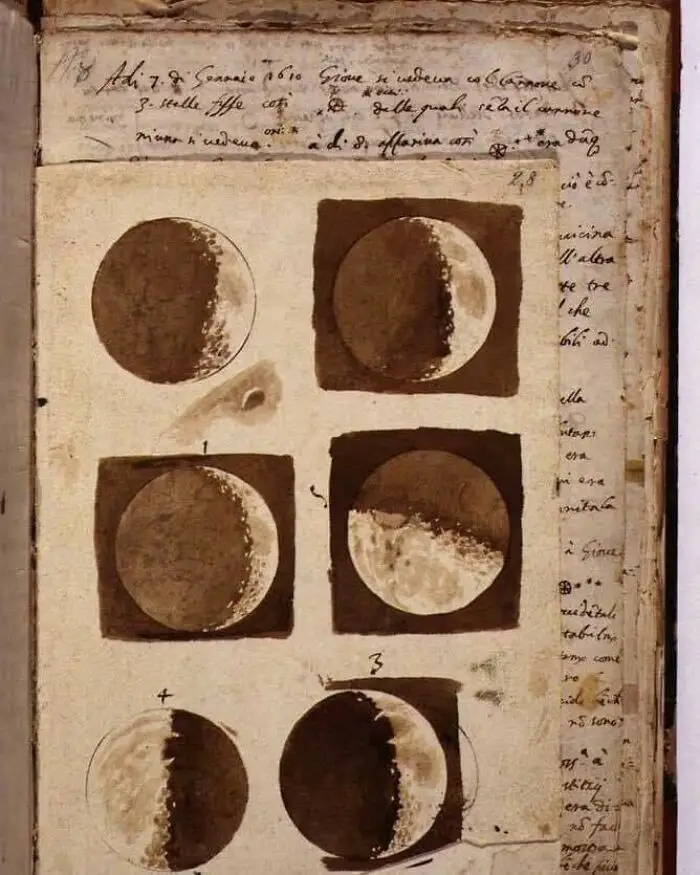
Galileo’s Moon Drawings, the First Realistic Depictions of the Moon in History, from 1610
Report
57points
#40
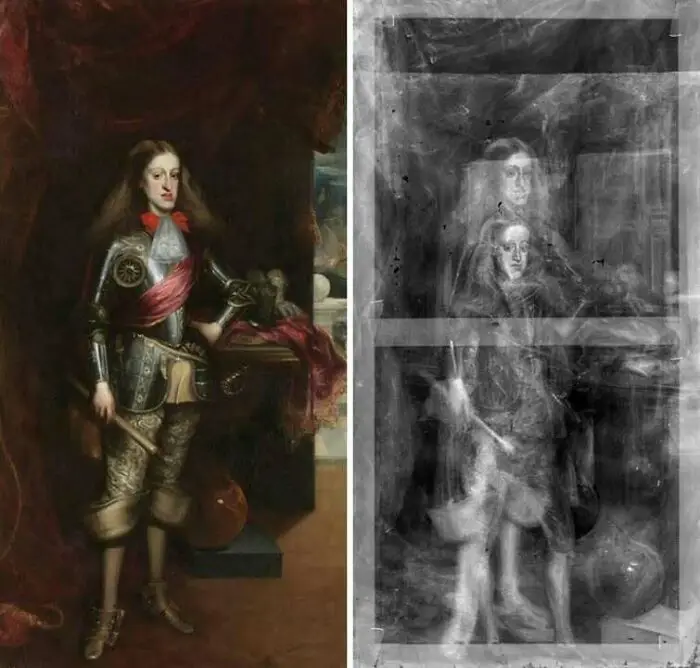
X-ray scans of Carreño de Miranda’s 1681 portrait of King Charles II of Spain have uncovered a fascinating hidden layer beneath the surface. The scans reveal that the artist painted over an earlier portrait of the king, depicting him at a much younger age. This discovery provides new insights into the evolving portrayal of the monarch and the artistic decisions made to reflect his changing appearance and status over time.
Report
54points