







The world is constantly changing and progressing, but there’s still always more to learn about the past. So if you’re tired of worrying about what’s to come in the future, you can take the next ten minutes to look back on history.
We took a trip to How History Looks on Instagram and compiled a list of their most intriguing posts below. From fun facts about the past to stories that you definitely didn’t hear about in school, we hope that this article will teach you something new. Enjoy scrolling through these posts, and be sure to upvote the ones that inspire you to dive deeper into your historical studies!
#61
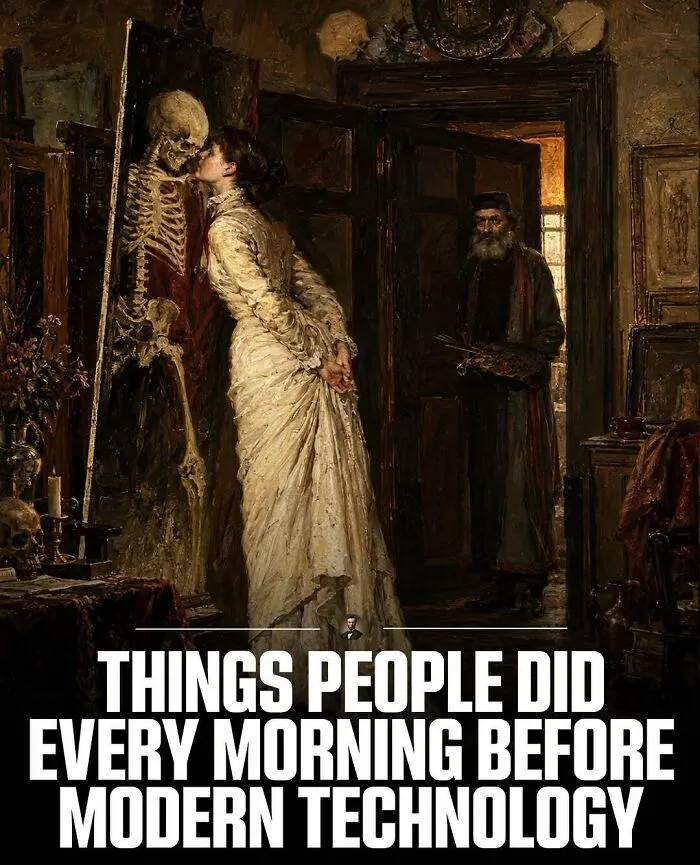
Before alarm clocks, phones and instant news, mornings were shaped by rituals, public signals and the people around you. Church bells helped communities track the day, Roman clients visited wealthy patrons at dawn, and Mughal emperors such as Akbar appeared before crowds during the morning jharokha darshan. 🌅
At Versailles, selected courtiers could attend Louis XIV’s elaborate morning “lever” as he was washed and dressed, while centuries later some British workers paid “knocker uppers” to wake them by tapping windows or even firing dried peas through blowpipes. Daily life looked very different when getting up on time could depend on bells, sunlight or another person outside your window. ⏰
Report
11points
#62
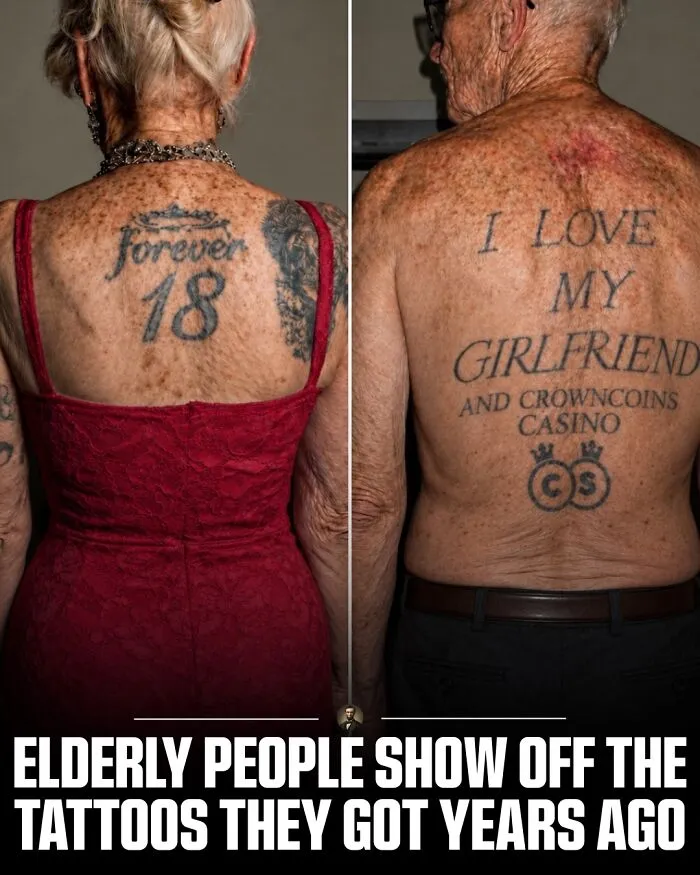
Some tattoos fade, but @Crowncoinscasino is apparently forever 😂
These photos show something people rarely get to see: what tattoos can look like after years of aging alongside the people who got them.
Over time, tattoo ink can fade, blur, and spread as skin changes and years of sun exposure take their toll. Lines that were once sharp may soften, while colors can lose some of their original intensity.
Still, many remain surprisingly recognizable, becoming permanent snapshots of the people, relationships, memories, and apparently casinos that mattered most 😂
Report
9points
#63
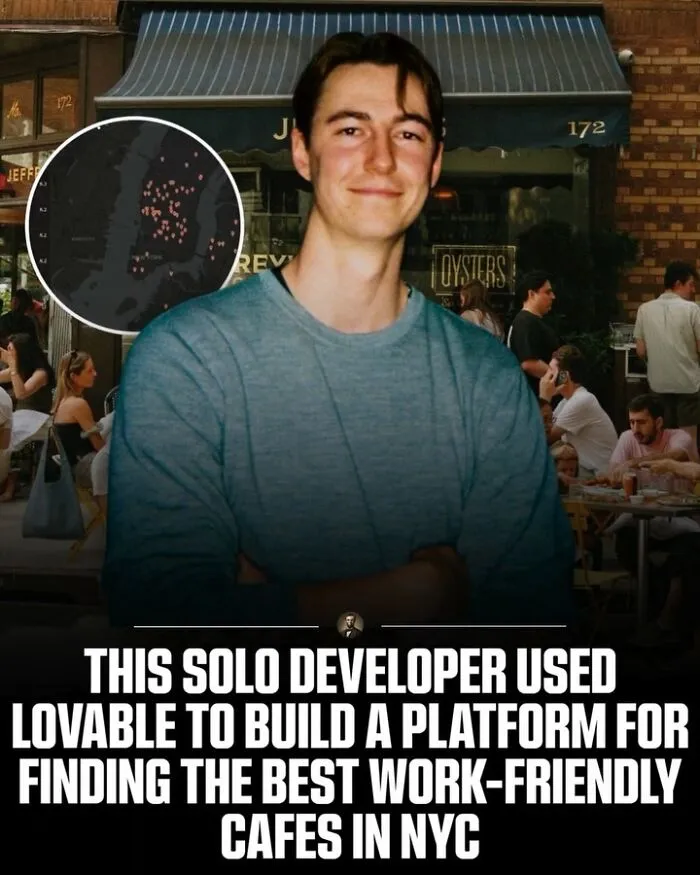
@Lovable.dev was used to build a new website making it easier to find the best cafes across New York City, bringing recommendations together in one place for anyone looking for their next coffee stop.
After struggling to find good places to work from around New York City, solo developer Jonas started keeping track of his favorite spots. Eventually, he decided to turn that list into something anyone could use.
Using Lovable, he built an interactive web app that helps people discover work-friendly cafés across NYC, complete with a map, community ratings, WiFi and outlet info, opening status, and overall vibe.
It’s a simple idea turned into a real, useful product, showing how quickly one person can take an idea and build it with Lovable.
Report
-12points


