


Bored Panda
45 Things From The Past That Survived For Future Generations To See, As Shared On "The Archeologist"

45 Things From The Past That Survived For Future Generations To See, As Shared On "The Archeologist"

412
24
Since our school days, we were taught that god is in the details and that everything depends on the perspective. This is especially true if we look at the study of the ancient human past through material remains.
So, all the history and archeology aficionados, pull your seats closer, because we have a real treat for y'all. Welcome to “The Archaeologist,” an educational project that stretches through Facebook and Instagram, racking up 300K between the two channels.
The project is dedicated to updating people like you and me with a bunch of daily archeological news that ranges from anything from human prehistory and history to incredible artifacts, pictures of architecture, and landmarks from all around the world. Below we wrapped up some of the most interesting posts shared by “The Archaeologist.”

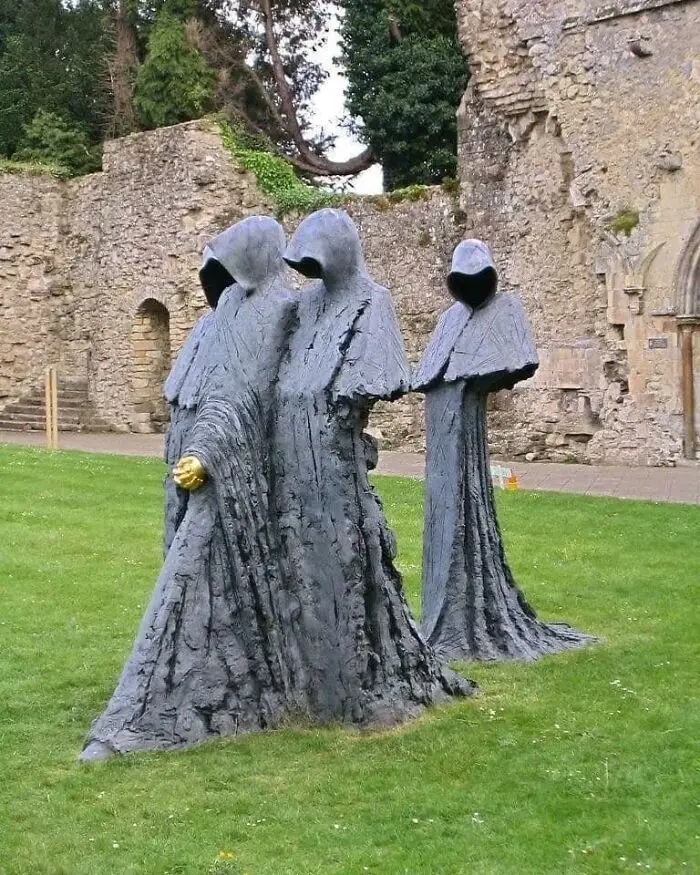
#21 Sculptures At An Abandoned Abbey In England

Sculptures At An Abandoned Abbey In England
375points

Most importantly, modern archeology has revolutionized the way we study the past. With advancements in technology, archeologists have been able to unearth sites that would previously have been hidden. With the help of satellite imagery, high-tech tools and sophisticated methods, archeologists are now able to uncover secrets that were lost for centuries.

The use of advanced methods such as ground-penetrating radar and geophysical surveys has enabled archeologists to map out large areas, allowing them to discover ancient cities and other ruins. With the help of computer simulations, they can also recreate what these sites may have looked like in the past.
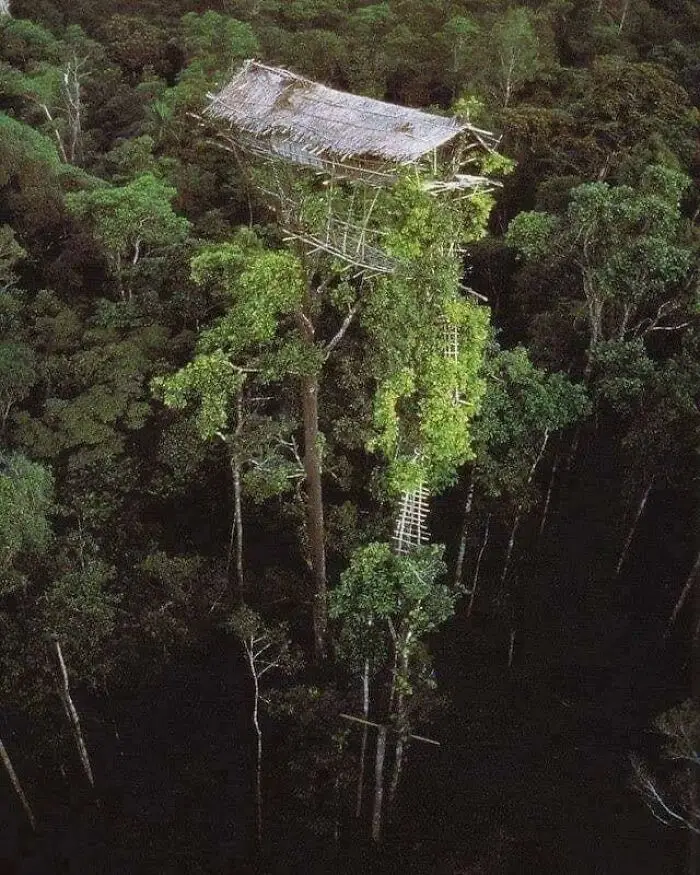
#22 Abandoned Indigenous Tree House In Papua New Guinea

Abandoned Indigenous Tree House In Papua New Guinea
369points

#23 4th Century Bc Golden Ring Found In The Tomb Of A Thracian King In Yambol Region, Bulgaria
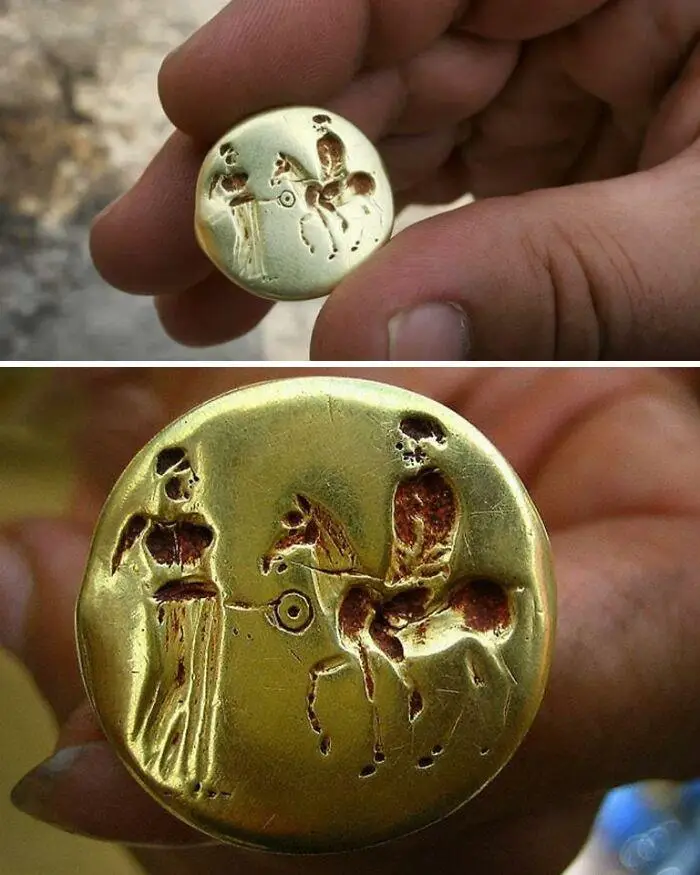
4th Century Bc Golden Ring Found In The Tomb Of A Thracian King In Yambol Region, Bulgaria
363points

#24 The Oldest Artificial Eye In The World
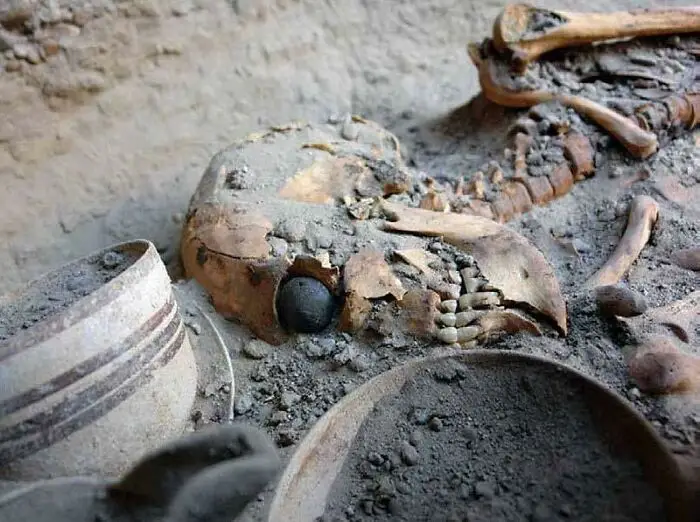
The Oldest Artificial Eye In The World
More than 4,800 years ago, in Burnt City (Shahr-e Sukhteh) in the desert of Sistan (Iran), a woman with an eye prosthesis was buried. It is a hemisphere made of a light material (derived from bitumen paste) and covered with gold with incisions, imitating the pupil. To keep the eyeball in place, they drilled two small holes. In this way, the prosthesis was held by a rope (like a patch). The owner of it wore it during the day, to hide its empty orbit, and at night she kept it in a leather pouch, also found in the burial.
In the tomb of this woman (surprisingly tall) several vessels, various ornaments and a bronze mirror were also found. It is believed that she may have been an important person in society or perhaps a priestess.
359points

DNA analysis has also had a major impact on modern archeology. By studying the DNA of ancient bones and artifacts, archeologists can learn more about the history of a site and its inhabitants. This type of research is especially useful when it comes to tracing the origins of human populations.

Modern archeology is also making use of new technologies to protect sites from looting and destruction. By using drones, infrared cameras, and other tools, archeologists can monitor sites in real time and collect data that can be used to preserve the sites.
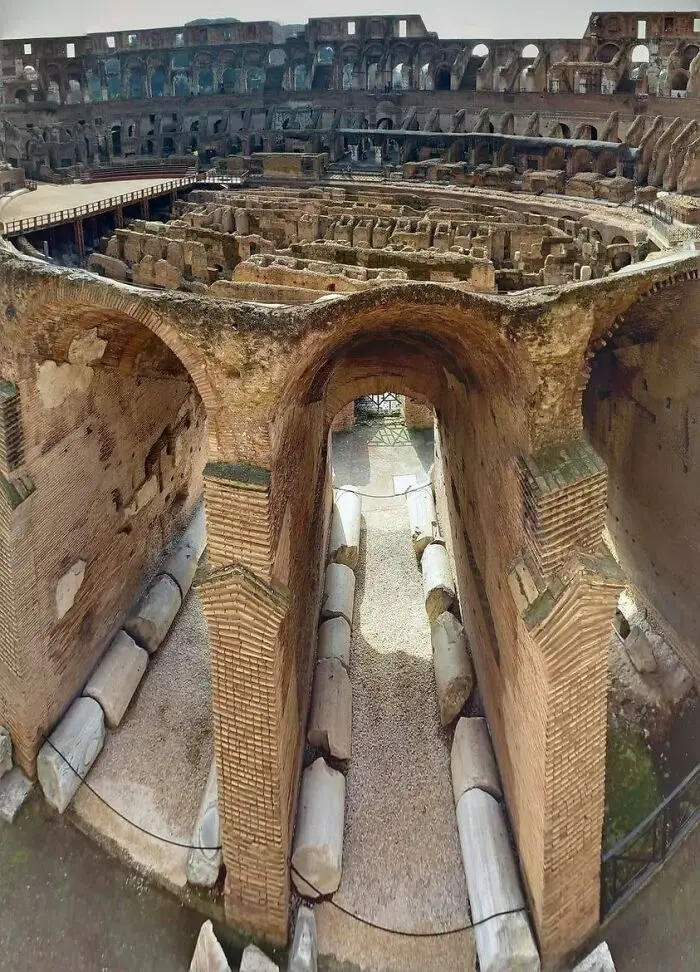
#25 Colosseum's Basement, Rome

Colosseum's Basement, Rome
332points

#26 A Frieze Made Of Glazed Brick Tiles Depicting Persian Warriors, From The Palace Of Darius L In Susa, Iran
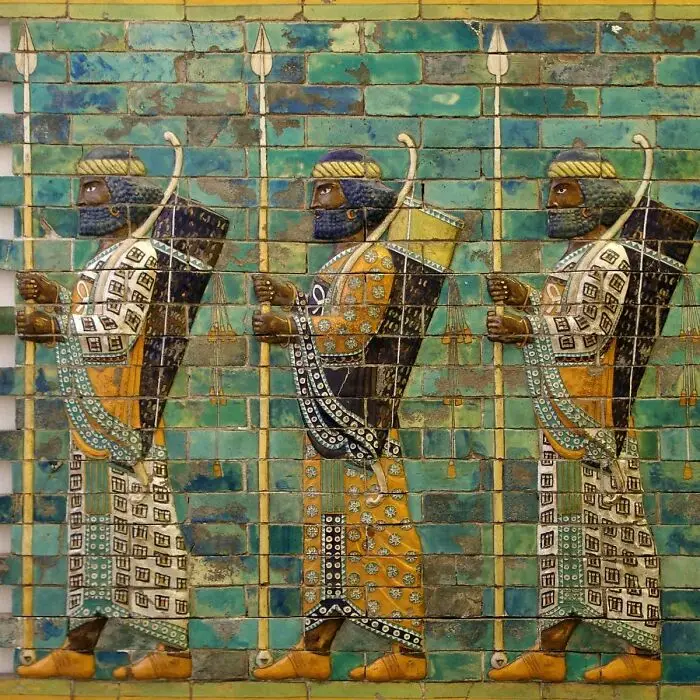
A Frieze Made Of Glazed Brick Tiles Depicting Persian Warriors, From The Palace Of Darius L In Susa, Iran
Achaemenid Empire, 6th century BC, now on display at the Pergamon Museum in Berlin.
332points

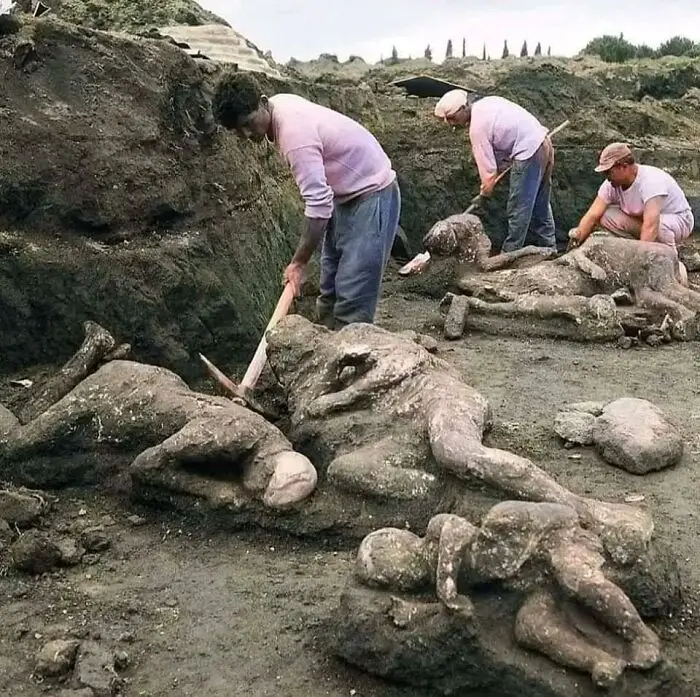
#27 A Picture Of The Pompeii Excavation

A Picture Of The Pompeii Excavation
330points

#28 A Hoard Of 5,248 Silver Anglo-Saxon Coins Discovered By A Metal Detector Near Lenborough, Buckinghamshire
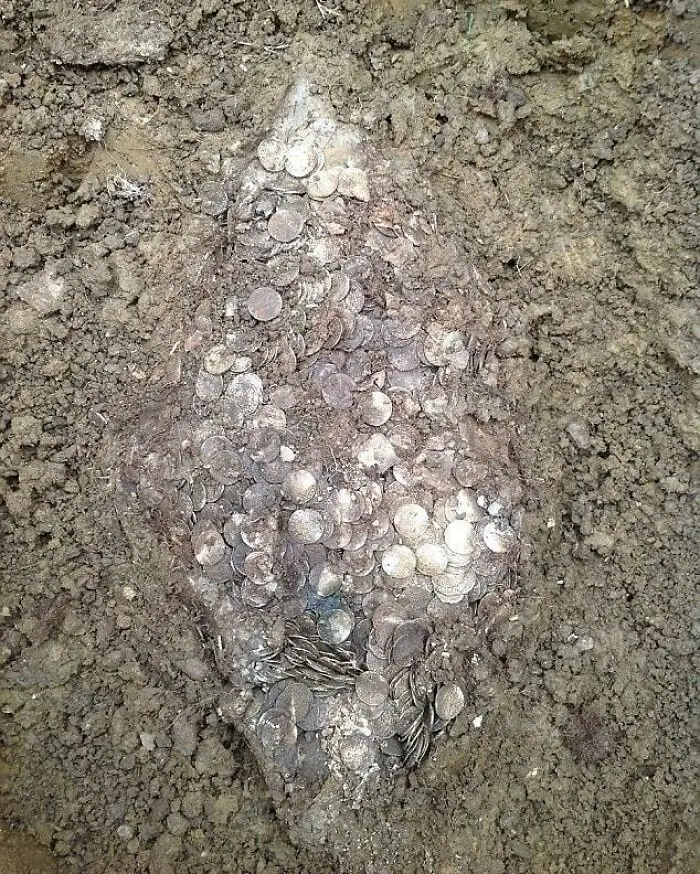
A Hoard Of 5,248 Silver Anglo-Saxon Coins Discovered By A Metal Detector Near Lenborough, Buckinghamshire
985 date from the reign of Ethelred the Unready in the 990s and 4,263 were minted during the reign of his successor, Canute. Source: London Daily Mail.
327points

#29 The Huge Roman Aqueduct Built In Segovia, Spain, By The Roman Emperor Trajan (AD 98-117)
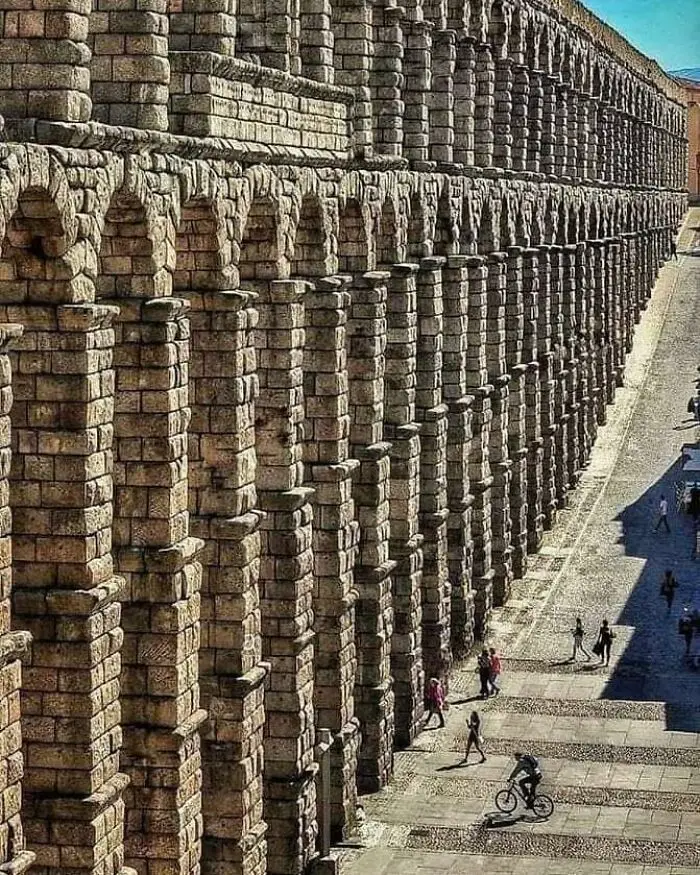
The Huge Roman Aqueduct Built In Segovia, Spain, By The Roman Emperor Trajan (AD 98-117)
One of the best preserved Roman engineering works, the structure was constructed from approximately 24,000 dark colored Guadarrama granite blocks without the use of mortar. The above ground part is 2,388 feet long. And it consists of approximately 165 arches that are more than 30 feet in height.
326points

#30 Zeugma Mosaic Of Icarus And Daedalus, Roman Period, Museum In Gaziantep Zeugma, Turkey
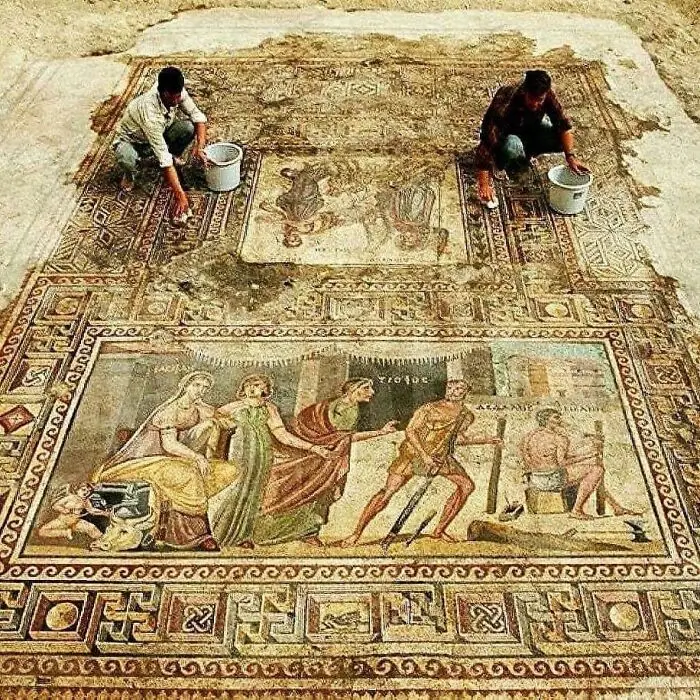
Zeugma Mosaic Of Icarus And Daedalus, Roman Period, Museum In Gaziantep Zeugma, Turkey
Zeugma was a town along the Euphrates River, founded by Seleucus Nicator, a general and successor to Alexander the Great. In 64 BC, the Romans controlled the city. Zeugma was of great importance to the Romans as it was located at a strategically important place.
Zeugma Mosaic Museum contains mosaics from the site, and is one of the largest mosaic museums in the world.
324points

#31 The Golden Gauntlet, Henri III Of France’s Armour (Detail), C.1550
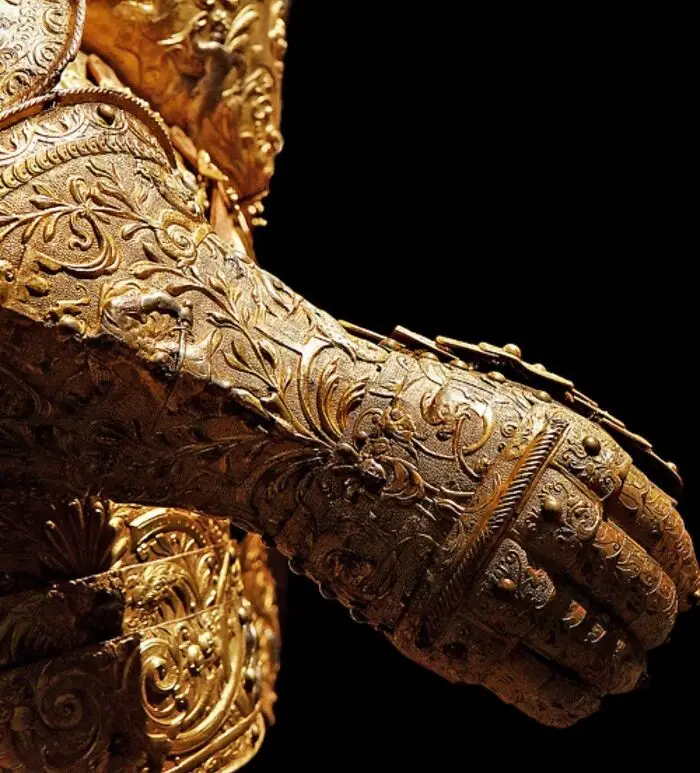
The Golden Gauntlet, Henri III Of France’s Armour (Detail), C.1550
319points

#32 This Shoe With Bird On Front Was Found In Haarlem, Holland And Is Dated Ca. 1300-1350 A.d., Archeological Museum Of Haarlem, Netherlands
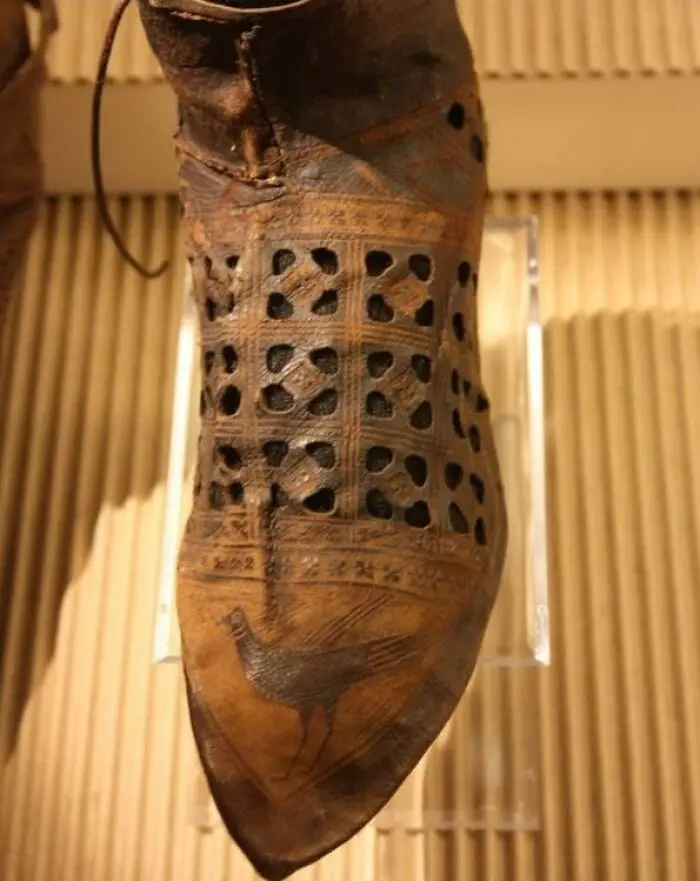
This Shoe With Bird On Front Was Found In Haarlem, Holland And Is Dated Ca. 1300-1350 A.d., Archeological Museum Of Haarlem, Netherlands
315points

#33 A Flint Handaxe Knapped Around A Fossil Shell Made By An Archaic Hominin, West Tofts, Norfolk, England, CA. 500,000-300,000 Before Present
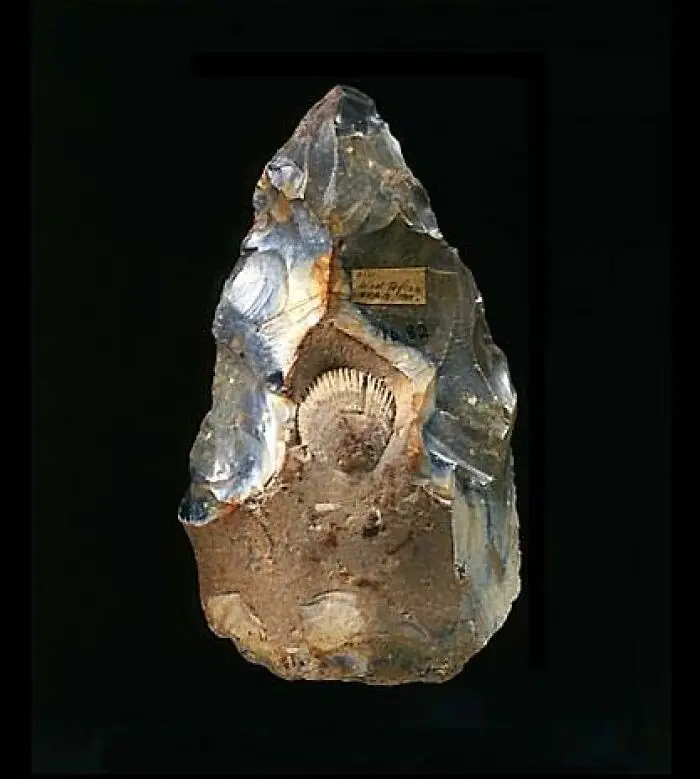
A Flint Handaxe Knapped Around A Fossil Shell Made By An Archaic Hominin, West Tofts, Norfolk, England, CA. 500,000-300,000 Before Present
315points

#34 An Unusual Cuboidal Stairway In The Small Village Of San Augustin Etla, Oaxaca, Mexico
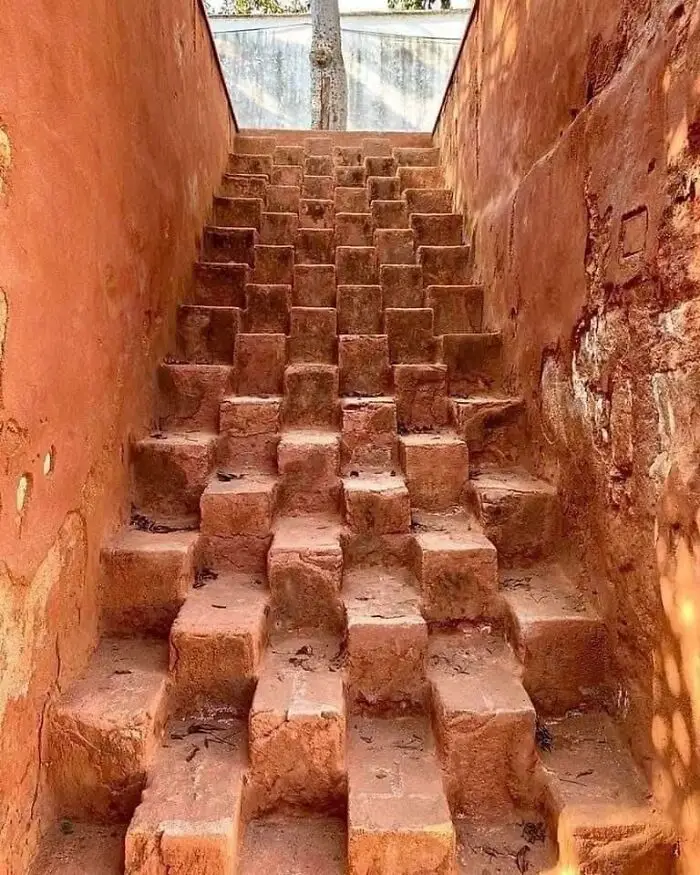
An Unusual Cuboidal Stairway In The Small Village Of San Augustin Etla, Oaxaca, Mexico
294points

#35 House Of Neptun And Amphitrite Herculaneum, Italy
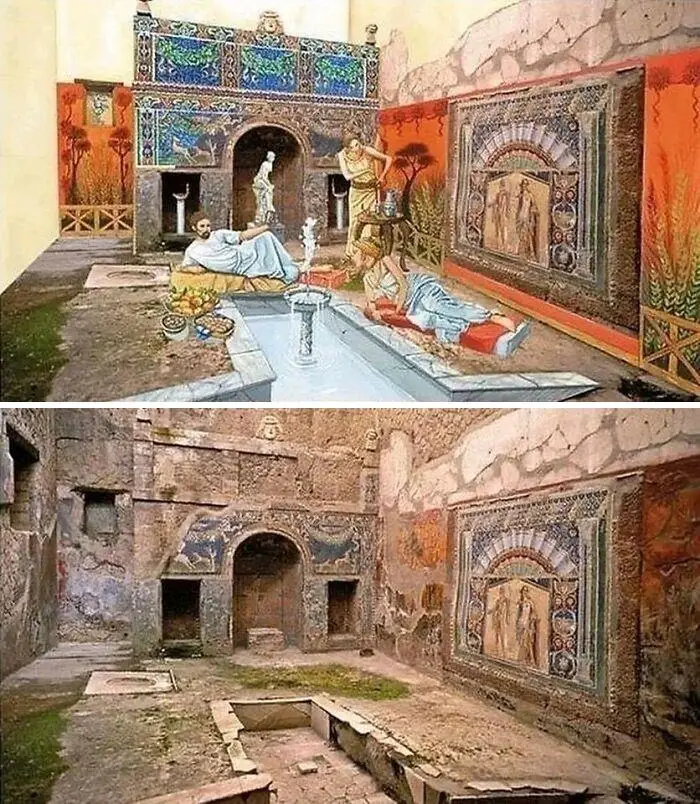
House Of Neptun And Amphitrite Herculaneum, Italy
When Vesuvius erupted in AD 79, it buried not only the city of Pompeii, but a number of other nearby towns as well. One of them was Herculaneum. Among the many houses in Herculaneum is a relatively small, but richly decorated town house, called the House of the Neptune Mosaic, which must have belonged to a wealthy family.
294points

#36 Haid Al-Jazil Is A 500-Year-Old Mud-Brick Village On Top Of A Massive Boulder. Wadi Dawan, Yemen
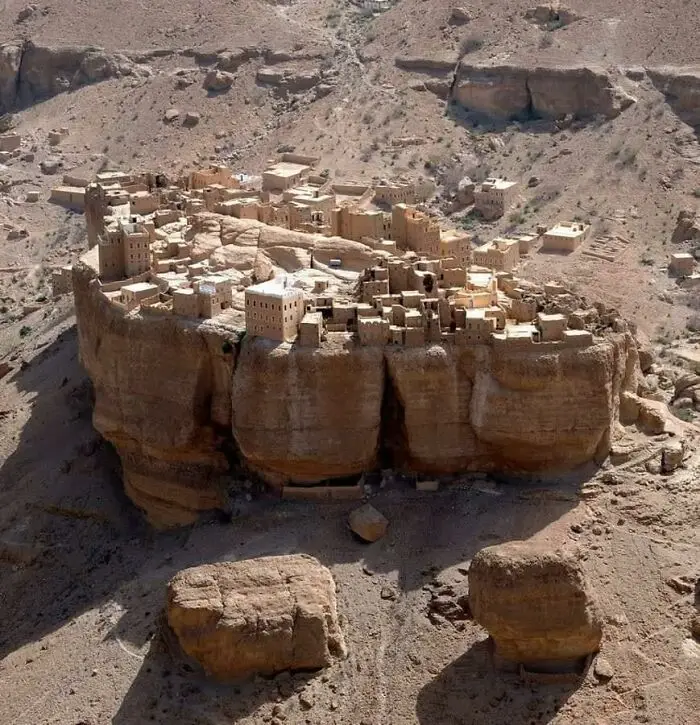
Haid Al-Jazil Is A 500-Year-Old Mud-Brick Village On Top Of A Massive Boulder. Wadi Dawan, Yemen
291points

#37 Fountain Of Artemis (Diana) Of Ephesus At The Gardens Of The Villa D'este, Tivoli, Near Rome, Italy
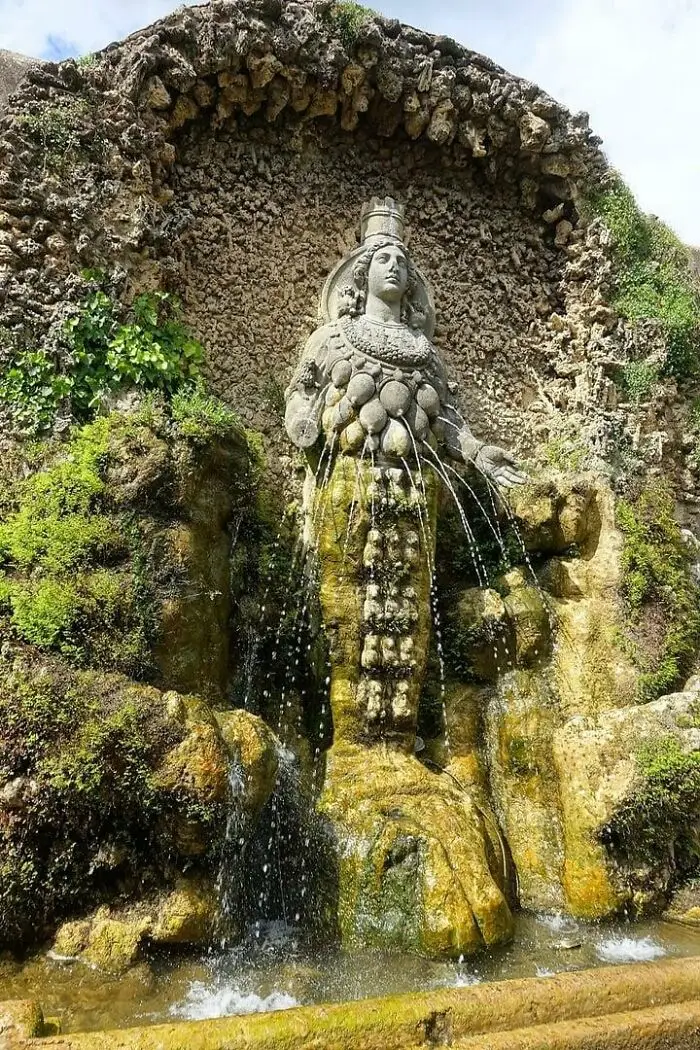
Fountain Of Artemis (Diana) Of Ephesus At The Gardens Of The Villa D'este, Tivoli, Near Rome, Italy
It was built in 1568. Symbolizing the unstoppable flow of life, this statue by Giglio della Vellita, is not your standard nymph in the garden. This Diana is the universal mother, supplying substance to all, and evidence of her influence occurs in the 7th century BC. Her sacred temple at Ephesus, a Greek city built in the 10th century BC and now in modern Turkey, was rebuilt many times. Under the Greeks, it was the Temple of Artemis (Greek name for the goddess the Romans named Diana), one of the Seven Wonders of the Ancient World. A fascination with Greek and Roman roots inspired Renaissance sculptors and we can thank Giglio for this link between our world, the Renaissance and the ancients
280points

#38 The Remains Of A Prehistoric House From The Bronze Age Settlement Of Akrotiri In Santorini
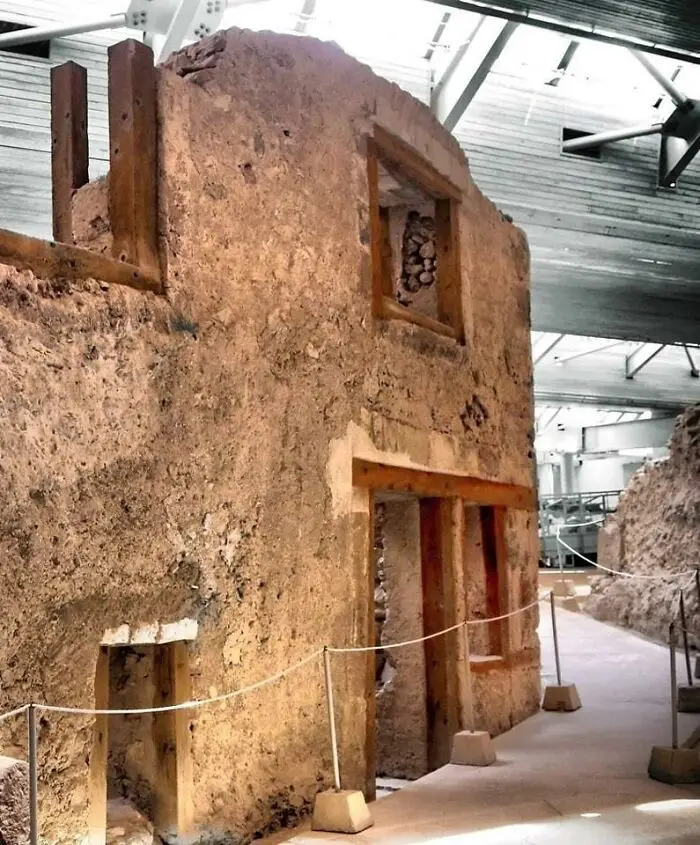
The Remains Of A Prehistoric House From The Bronze Age Settlement Of Akrotiri In Santorini
The settlement was destroyed in the Theran eruption sometime in the 16th century BC and buried in volcanic ash.
267points

#39 Gladiator Helmet In Remarkable Condition From Pompeii, Fernbank Museum Of Natural History
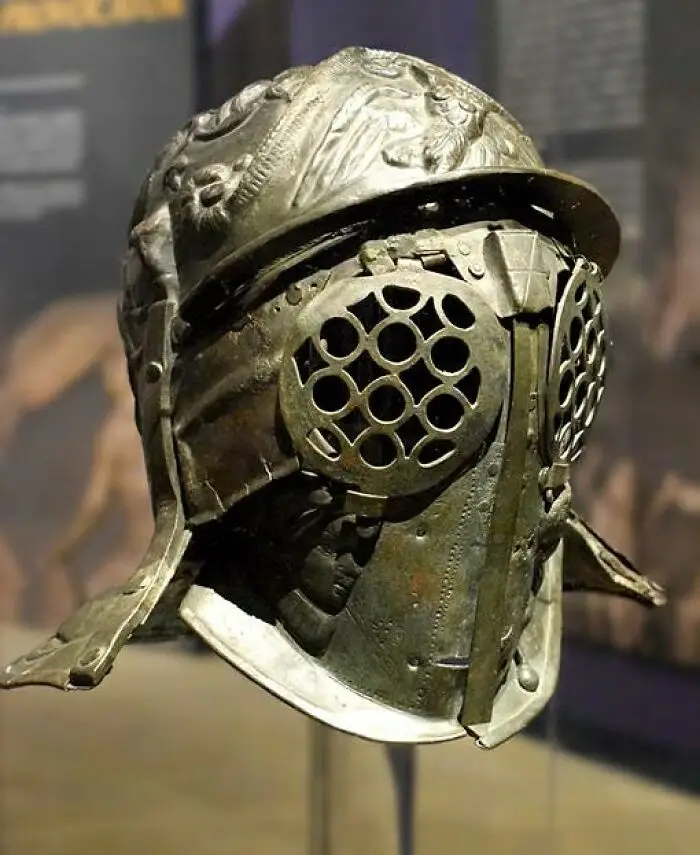
Gladiator Helmet In Remarkable Condition From Pompeii, Fernbank Museum Of Natural History
267points

#40 Roman Emperor Philippus The Arab Kneeling In Front Of Persian King Shapur I, Begging For Peace, And The Standing Emperor Represents Valerian Who Was Taken Captive By The Persian Army In 260 AD, The Triumph Of Shapur I, Naqshe Rostam, Iran
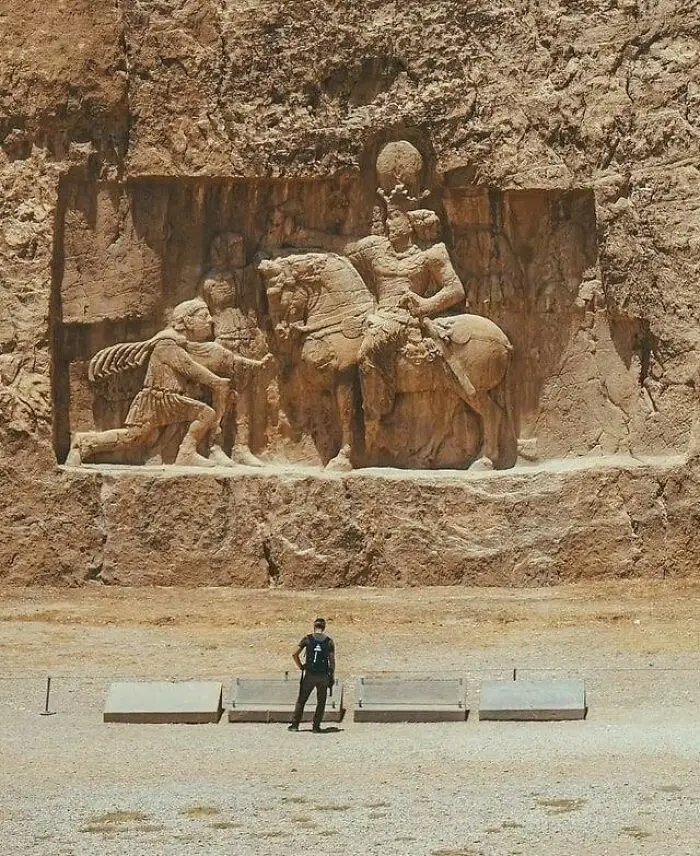
Roman Emperor Philippus The Arab Kneeling In Front Of Persian King Shapur I, Begging For Peace, And The Standing Emperor Represents Valerian Who Was Taken Captive By The Persian Army In 260 AD, The Triumph Of Shapur I, Naqshe Rostam, Iran
248points
412
24