

Bored Panda
50 Historical Facts And Events That Not Many Talk About
History,CuriositiesAUG 31, 2025

50 Historical Facts And Events That Not Many Talk About

78
10
On this day, August 31, Princess Diana suffered a fatal accident in 1997, while on the same day in 1897, Thomas Edison received a patent for his movie camera, the Kinetograph, and the first victim of notorious serial murderer Jack the Ripper was discovered in 1888.
As we can see, history is made every day, even on a random August 31st. But if that's forgotten, all of the achievements, fights, hard work, and lessons risk fading away. To ensure that doesn’t happen, we are sharing a list of historical facts, events, and pictures from the History Season Instagram account that not many know about. Scroll down to check them out for yourself, and don’t forget to upvote those that piqued your curiosity the most.
While you're at it, make sure to check out a conversation with a history teacher, Brooke Rogers, aka That New Teacher, and a former history teacher and founder of Students of History, Luke Rosa, who kindly agreed to tell us how they keep their curiosity for history alive and how we can too.

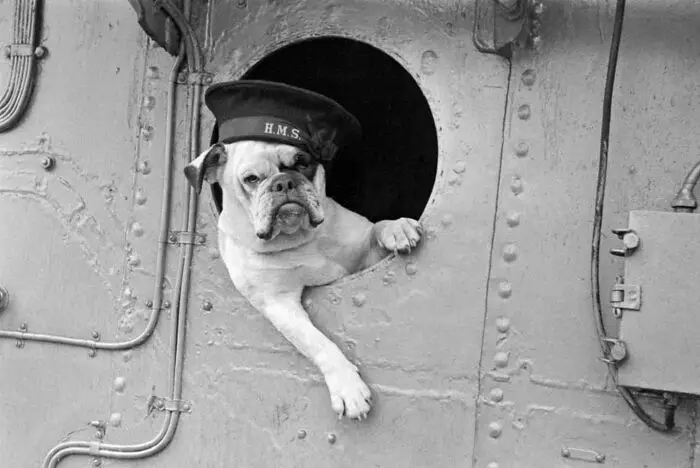
#21 Venus The Bulldog Mascot Of The Destroyer Hms Vansittart, 1941

Bulldog wearing HMS naval hat peeking from a ship hatch, part of unfamiliar parts of history collection.
71points

"History is intimidating because it’s often presented like a giant, dusty encyclopedia to memorize instead of something you get to explore," Luke seconds.

"People feel like they need to know everything, or they’re scared of 'getting it wrong.' Really, history is an opportunity for kids to feel more at home in their communities and recognize that others have shared their same struggles, risen above them, and helped to build the community we’re in."

#22 Remember That Photo Of The Construction Workers Having Lunch On The Unfinished New York Skyscraper ? Well Here's The Photographer Charles Ebbets Of That Photo. 9/20/1932
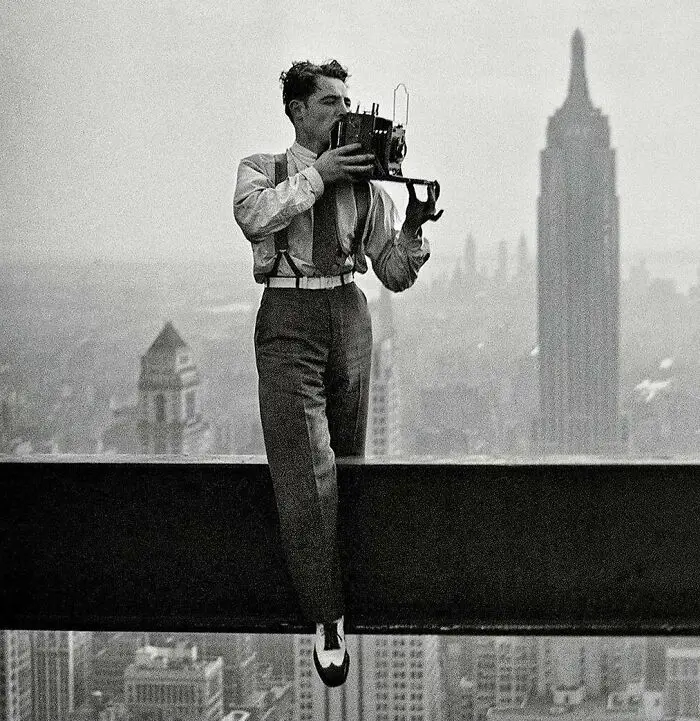
Man perched on a steel beam high above city skyline, capturing rare historical moments with vintage camera for unfamiliar parts of history
70points

#23 A Grief Stricken American Infantryman Whose Buddy Has Been K**led In Action Is Comforted By Another Soldier
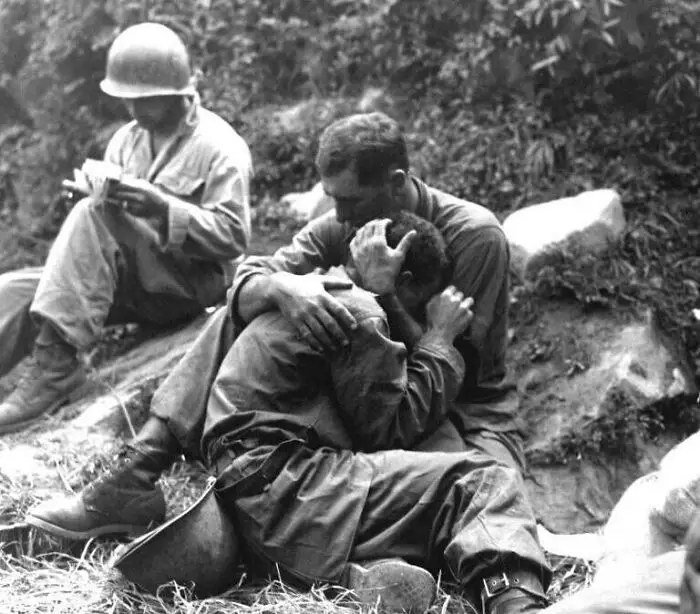
Soldiers comforting each other during a moment of distress, revealing unfamiliar parts of history in this black and white photo.
August 28, 1950. Haktong-ni area, Korea.
In the background a corpsman can be seen methodically filling out casualty tags.
The Korean War lasts from 1950-1953. When North Korean troops invaded South Korea on June 25 1950 it was the first military action of the Cold War.
In the U.S. the conflict has been called “the Forgotten War” because of the lack of attention it received compared to conflicts like World War I and II and the Vietnam War
70points

#24 Australian Soldiers After Being Liberated From A Japanese Concentration Camp In 1945
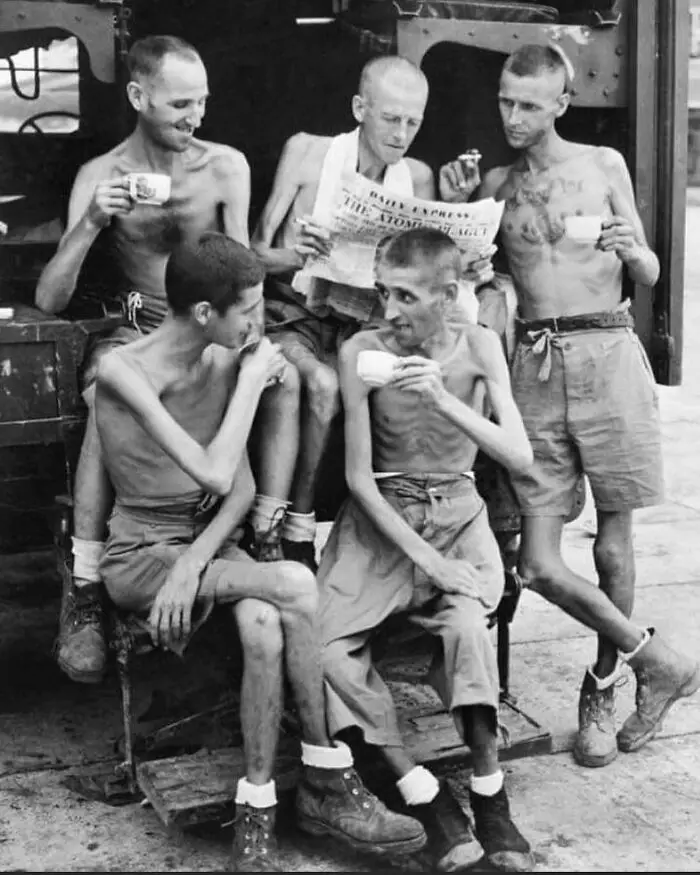
Group of malnourished men drinking tea and reading a newspaper, highlighting unfamiliar parts of history in a black and white photo.
69points

Luckily, Luke and Brooke are working hard to flip this narrative about history and show that it can be fascinating and enjoyable.

"The key is teaching real history—not a sugar-coated version of nostalgia. When we face history honestly, it helps us see ourselves, our communities, and our country with clearer eyes. That kind of understanding is a superpower. Students deserve the chance to unlock it, wrestle with it, and ultimately use it to make the world a better place," Luke says.

#25 Two British Army Officers And A Puppy Read A Captured Italian Newspaper. Both The Puppy And Newspaper Were Found During The Capture Of An Italian Army Base At Sidi Baranni, Egypt (January 28, 1941)
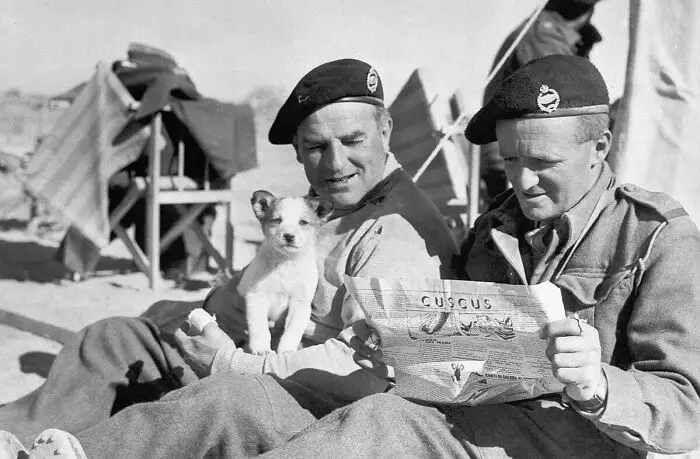
Two soldiers in berets sitting outdoors with a small puppy and reading a newspaper from unfamiliar parts of history.
68points

#26 Contrails In The Sky Above St Paul’s Cathedral From A Dogfight Between The German Luftwaffe And The Royal Airforce During The Battle Of Britain. 1940. London, England
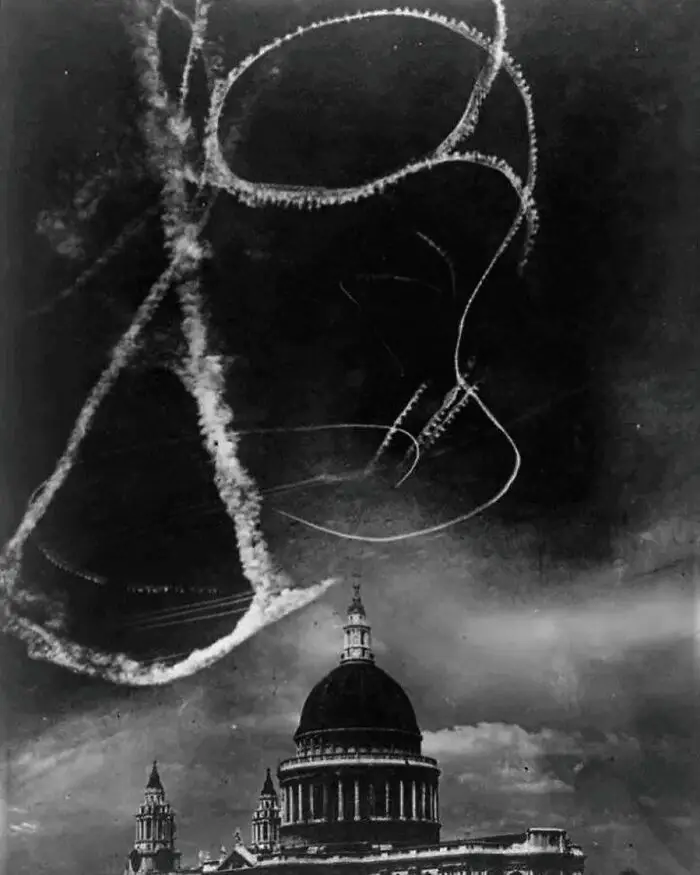
Black and white historic photo showing unusual WWII airplane smoke trails above iconic St. Paul's Cathedral in history.
66points

#27 In The Early 1900s Child Labor Was A Completely Normal Part Of Life
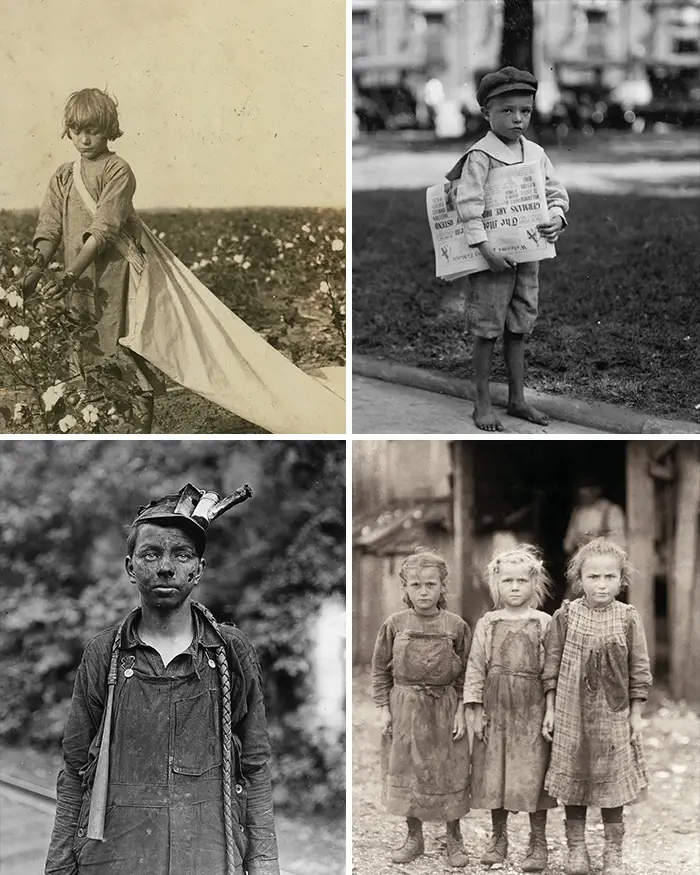
Four black and white vintage photos showing children working, selling newspapers, and living difficult lives in unfamiliar parts of history.
Most kids started working as young as 5 to 8 years old. They worked the same long hours as adults—sometimes even more—but for far, far less pay.
Many of these children toiled in cramped, dangerous coal mines. Mining companies liked hiring kids because their small size made it easier for them to squeeze into tight spaces. And, of course, they were much cheaper to employ.
One of their main tasks was hauling coal carts through the mines. Some worked alongside family members, but others spent up to 12 hours completely alone in the dark, surrounded by nothing but dust and rock.
These photos were taken by the American sociologist and photographer Lewis Wickes Hine. Hine was one of the most influential documentary photographers of the 20th century.
He’s best known for capturing the lives of poor and disadvantaged people, always portraying them with dignity and compassion.
In the early 1900s, Hine was hired by the National Child Labor Committee to document the harsh realities of child labor in the United States. His powerful images didn’t just tell a story—they helped change history, playing a key role in the fight to end child labor laws in the country.
65points

Making history more personal is another thing that Brooke finds helpful when trying to make the subject more engaging for learners.

"When students see how the choices of the past shaped the present, history starts to matter. It also brings to light how we are shaping history right now. And it sure does help to laugh. Laughter breaks down barriers and connects us as humans." 
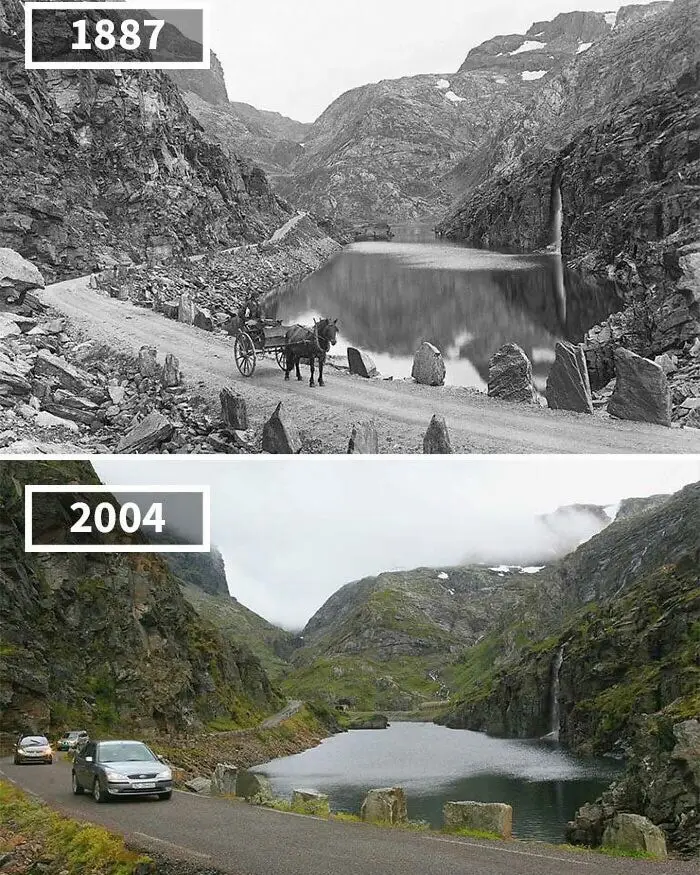
#28 Seljestadjuvet, Odda, Norway, 1887 - 2014

Horse-drawn carriage on mountain road in 1887 contrasted with modern cars in 2004 showing unfamiliar parts of history.
64points

#29 The Interior Of A Lounge Train Car From The Canadian Pacific Railway Company. Montreal, Canada. Ca. 1886
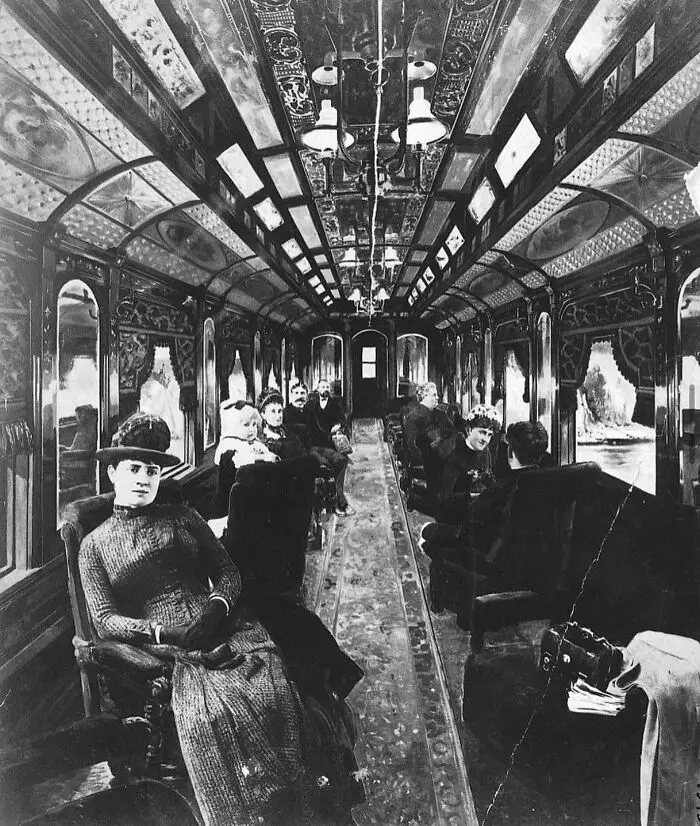
Victorian era passengers seated inside an ornately decorated historic train carriage showing unfamiliar parts of history.
63points

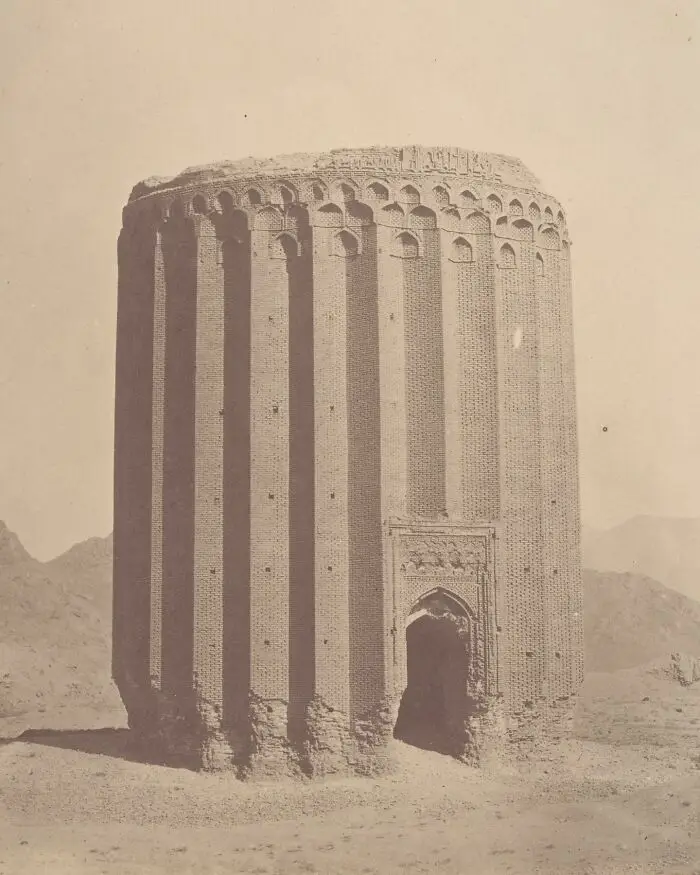
#30 Tower Of Toghrul In Ca. 1850s. Rey, Iran

Ancient brick tower ruins standing alone in a barren landscape, showcasing unfamiliar parts of history architecture.
58points

#31 American Soldiers At Mass In The Ruins Of Cologne Cathedral, March 1945
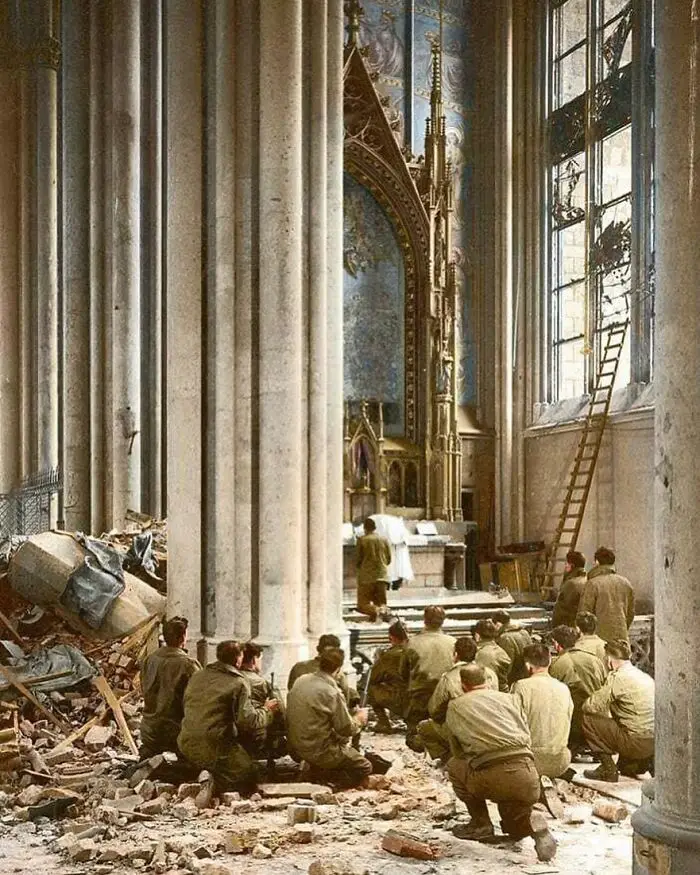
Soldiers praying inside a damaged historic church, revealing unfamiliar parts of history during wartime restoration efforts.
56points

#32 An Ottoman Supply Train Still Resting Where It Was Ambushed By Lawrence Of Arabia 104 Years Ago On The Hejaz Railway
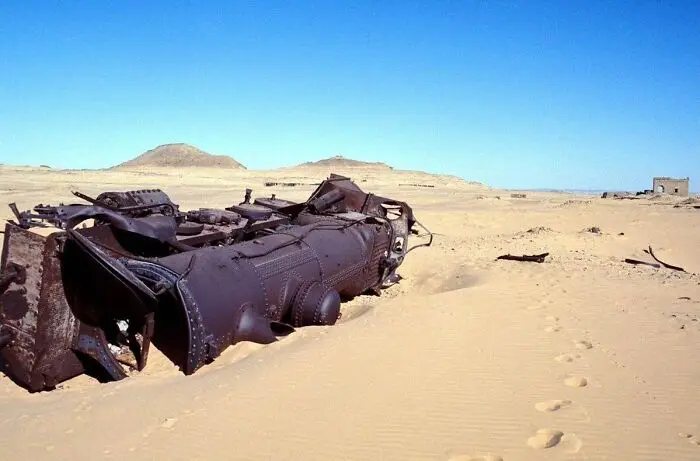
Rusting old train wreck half buried in desert sand, revealing unfamiliar parts of history in a harsh landscape.
52points

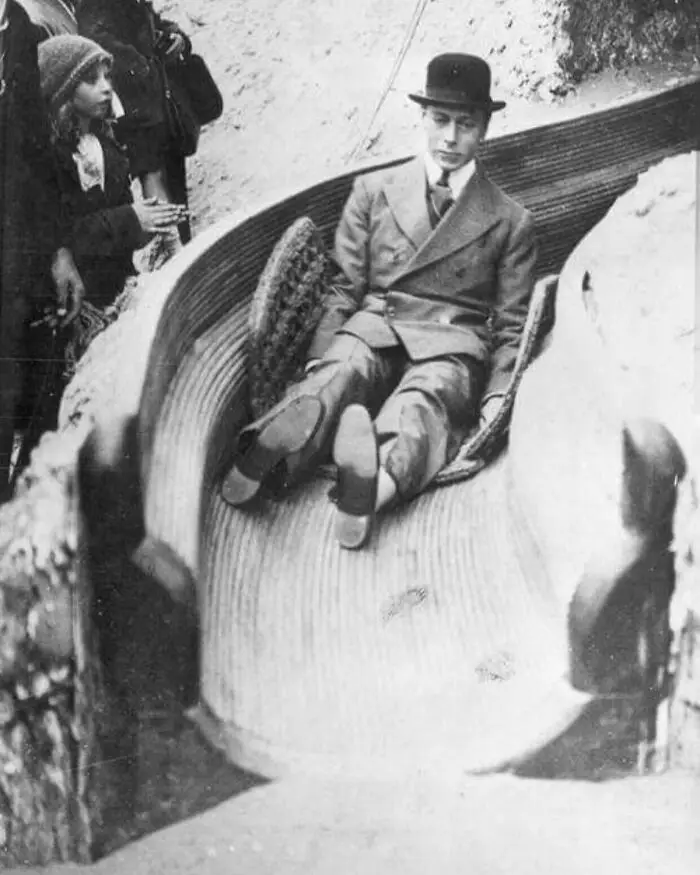
#33 King George VI Having Fun (1938)

Man in vintage suit and hat sliding down an early amusement ride, showcasing unfamiliar parts of history in black and white.
52points

#34 The Black Gate, The Spire Of St Nicholas Cathedral And The Dog Leap Stairs In Newcastle, England. 1889. Photo By: Lydell Sawyer
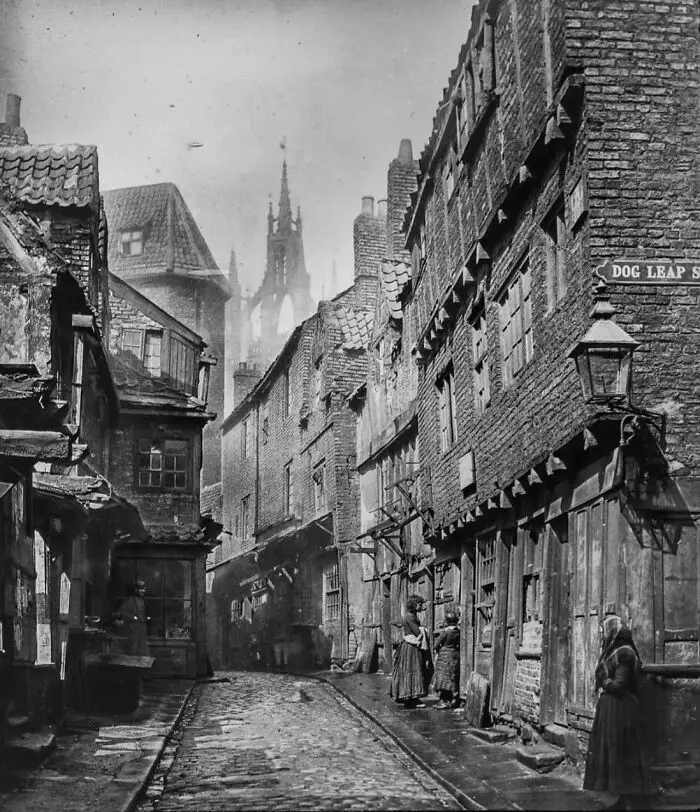
Old cobblestone street with historic brick buildings and people, illustrating unfamiliar parts of history in a vintage scene.
50points

#35 French Painter Claude Monet With His Wife Alice Hoschedè. Venice, Italy. 1908
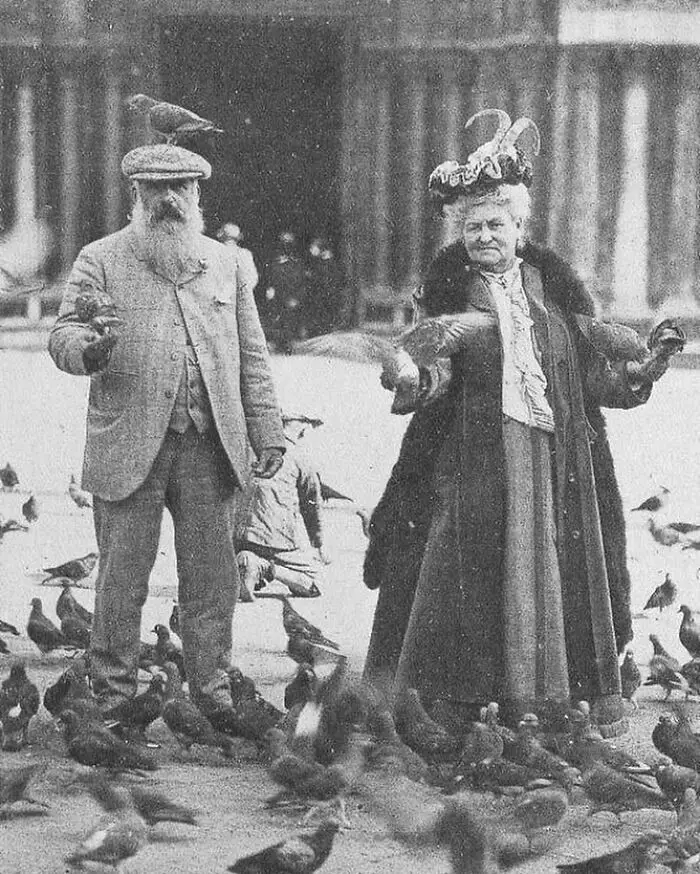
Black and white historical photo of an elderly couple surrounded by pigeons, showing unfamiliar parts of history.
50points

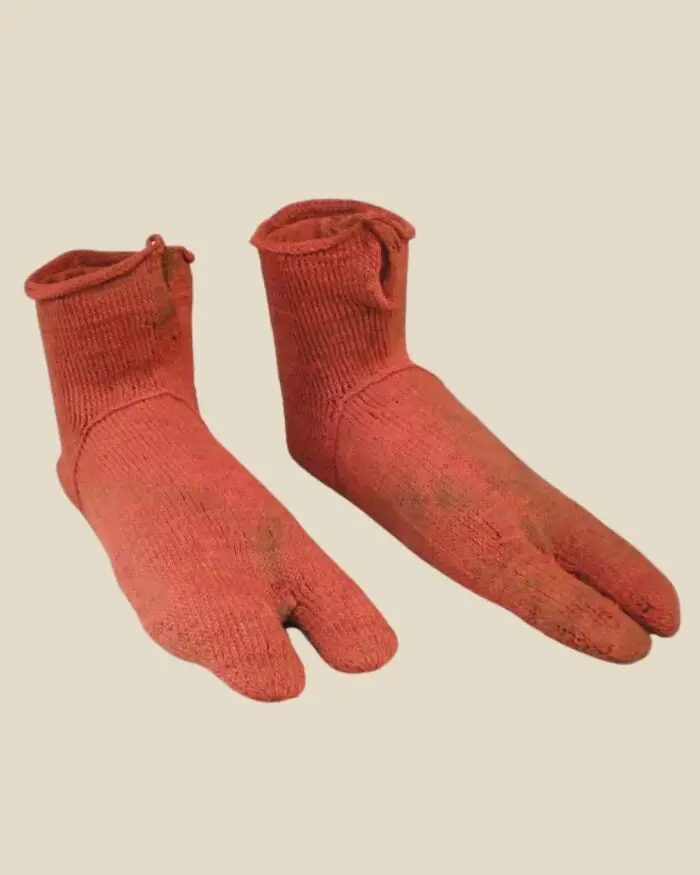
#36 The World's Oldest Socks

Pair of ancient red split-toe socks showcasing unfamiliar parts of history with unique textile design and craftsmanship.
1,600 year old socks. (Approximately)
These pairs of socks were made in ancient Egypt and were discovered in burial grounds sometime in the late 1800s or early 1900s.
They were designed to be worn with sandals, which is why the big toe is separated from the other four—to fit perfectly between the sandal straps.
These socks weren’t knitted like the ones we have today. Instead, they were made using a technique called nålbindning, or single-needle knitting. It’s a slow and detailed process that takes a lot of time and skill.
Even though Egypt is known for its hot climate, the nights can get chilly, and winters are often damp—so socks came in handy. However, only wealthier Egyptians could afford to wear them.
Humans are thought to have worn socks since the Stone Age, though back then, they were made from animal skins or pelts rather than fabric.
These ancient Egyptian socks have survived all this time thanks to Egypts dry climate, which helped preserve them.
The socks are displayed at Victoria and Albert Museum, the British Museum and at the National Museum of Scotland.
48points

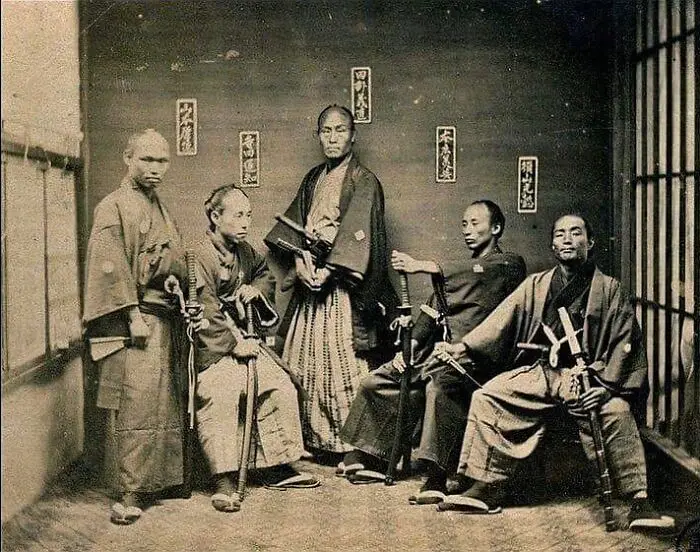
#37 Samurai Squad, Late 1800s

Historic photo of samurai in traditional attire with swords, showcasing unfamiliar parts of history and cultural heritage.
48points

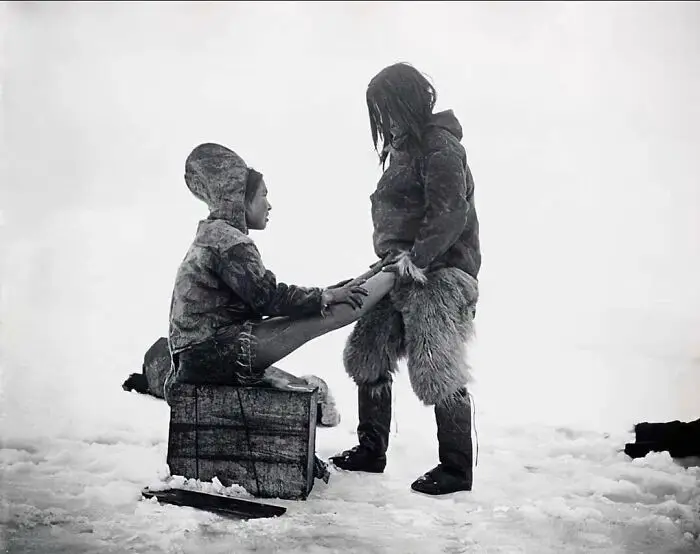
#38 Inuit Warms His Wife's Feet. Robert Peary, 1880-1890s

Two people dressed in traditional winter clothing interacting in snowy landscape, revealing unfamiliar parts of history.
48points

#39 Niagara Falls Without Water In 1969
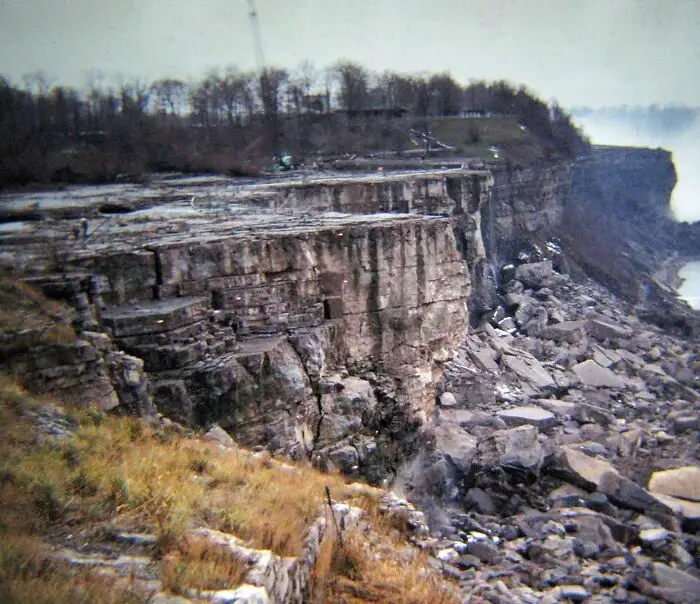
Rocky cliff and shoreline with eroded formations revealing unfamiliar parts of history in nature’s landscape.
For six months in 1969, North America’s most iconic waterfall was purposely “de-watered.”
This was done by the U.S. Army Corps of Engineers to conduct a geological survey of the falls’ rock face. They were concerned that erosion was destabilizing it.
To achieve this, the Army had to build a 600-ft (182-m) dam across the Niagara River. This dam consisted of 27,800 tons of rock.
In November 1969, in front of 2,650 spectators, the temporary dam was dynamited, restoring the flow of water.
Sources: Rare Historical Picture and Smithsonin Magazine.
47points

#40 One Of The Many Selfies That Emperor Nicholas II Took Throughout His Life, (1868-1918)
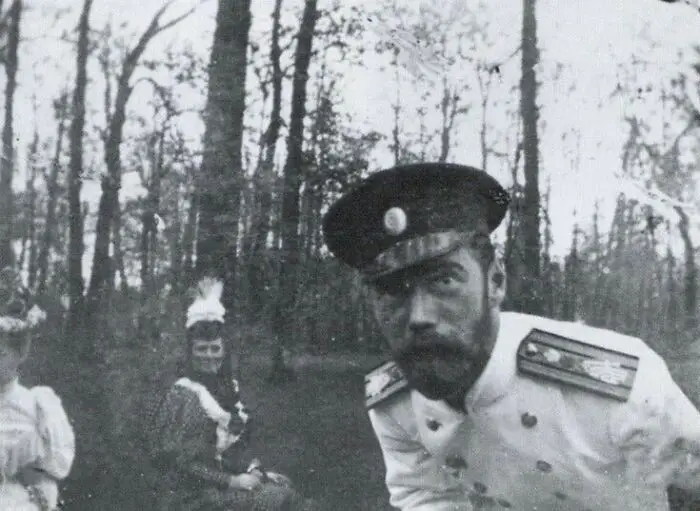
Black and white photo of a man in vintage military uniform with two seated women in old-fashioned attire in a forest.
46points
78
10