




History often gets a bad rap for being boring or tied to long, dull lectures. But times have changed, and now you can dive into the past in some of the most creative and engaging ways imaginable.
Take, for example, the "Historical Images" Facebook group. It’s a treasure trove of unique glimpses into the past, sparking curiosity and offering a fresh, exciting way to learn about the world as it once was. These snapshots make history feel alive and personal. Keep scrolling to rediscover the magic of history in a whole new light!
#1 In The Heart Of Victorian London’s East End, A Little Girl Named Adelaide Springett Became An Unintentional Symbol Of A Forgotten Generation
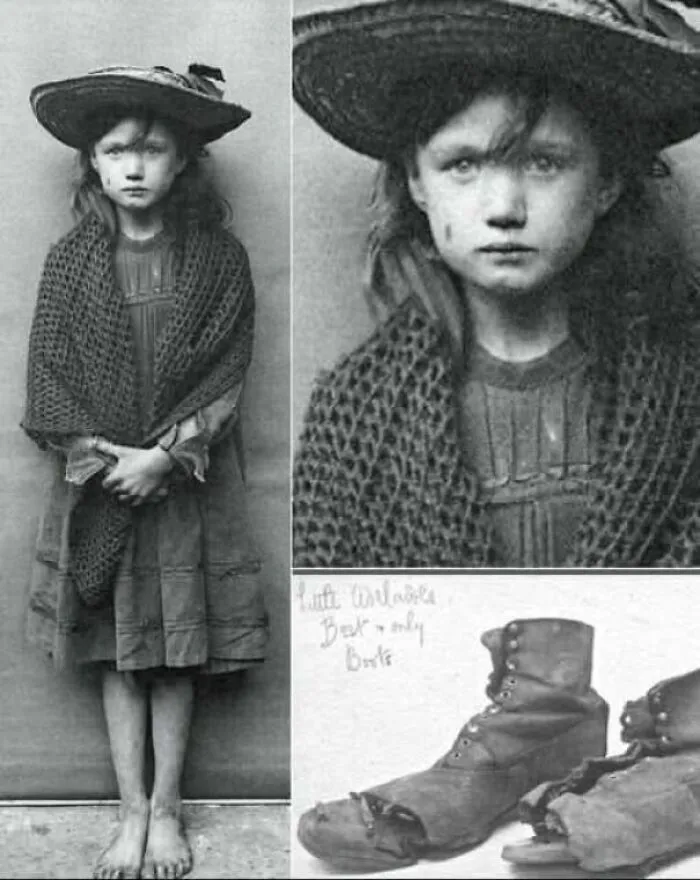
Captured by Horace Warner, a volunteer and teacher—not a professional photographer—Adelaide appears in a haunting portrait titled *“Adelaide Springett in all her best dresses.”* Embarrassed by her broken shoes, she took them off before the photo was taken. Moved by her quiet dignity, Warner later photographed just the worn-out shoes and wrote: *“The best and only shoes of little Adelaide.”*
Warner’s photos weren’t meant to be artistic—they were meant to bear witness. Between the late 1800s and early 1900s, he documented the harsh, overlooked lives of poor children in London's slums, using his images to stir compassion and raise awareness. To support his mission, he even wrote fairytale-style stories under the name "Silverwing," weaving gentle magic around harsh truths to draw attention to the injustice these children faced daily.
Adelaide’s image lives on as more than a portrait—it’s a quiet cry from the past. A child stripped of comfort but not of courage, reminding us that poverty has a face, a name, and a story. Her photograph still moves hearts today, challenging us to see those who are too often invisible.
Report
0points

#3 This Photo Was Taken Of Miners At The End Of Their Shift During The Gilded Age Before They Were Unionized
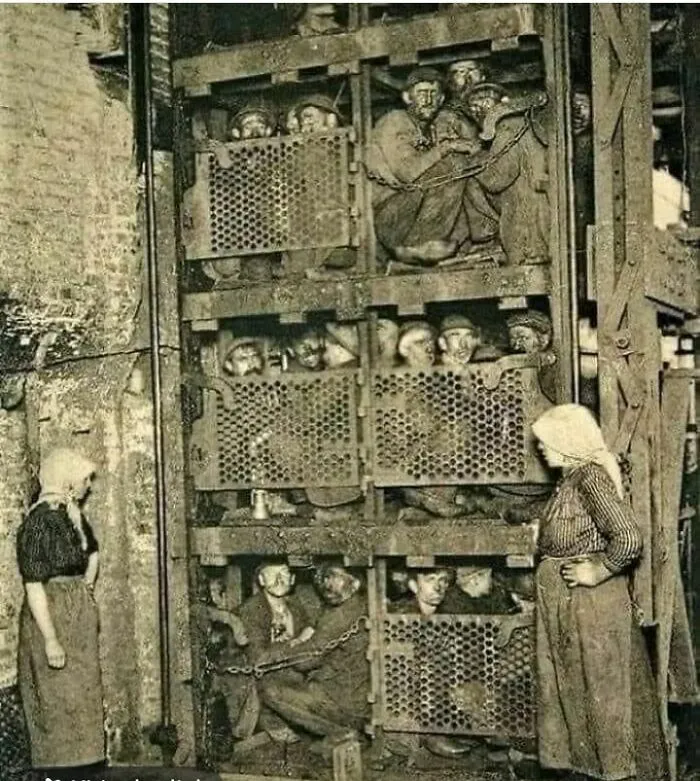
Somewhere there were people at the top of the company who felt there was nothing wrong with this picture. This Labor Day remember the blood, sweat, and tears that those before us paid to give the working class the basic rights we enjoy today
Report
0points
#4 An Old Woman Who Fled The War Zone With Her Cow, Sits On A Bench In Amiens, France, 28th March 1918

Report
0points
#5 Two 13-Year-Old Boys Who Caught Smallpox At The Same Time In 1910. The First Had Been Vaccinated As A Child And Only Developed A Few Scabs That Healed Quickly, While The Other Got The Severe Form Of The Disease

Report
0points
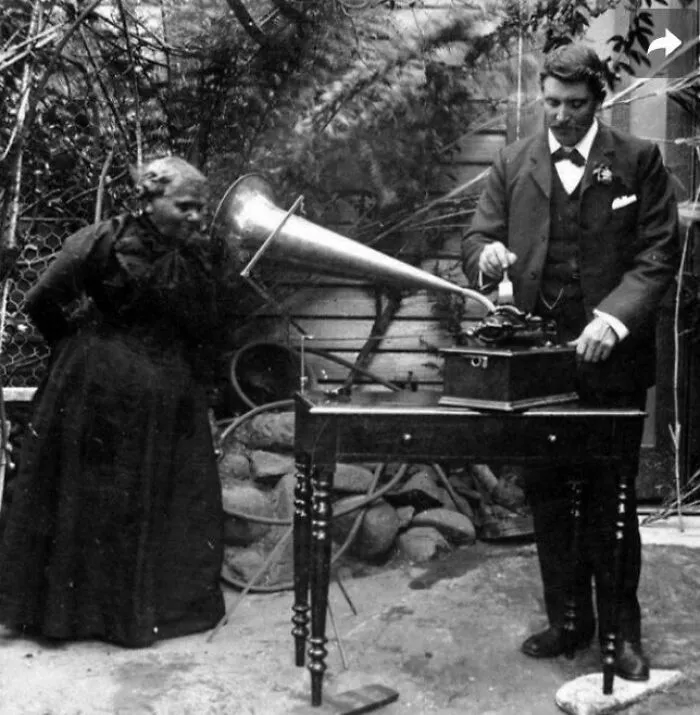
#6 Aboriginal Tasmanian Fanny Cochrane Smith Singing Into Her Phonograph In 1903. Without Her Efforts To Preserve Her Culture, We Would Have No Audio Traces Of The Tasmanian Language
Report
0points
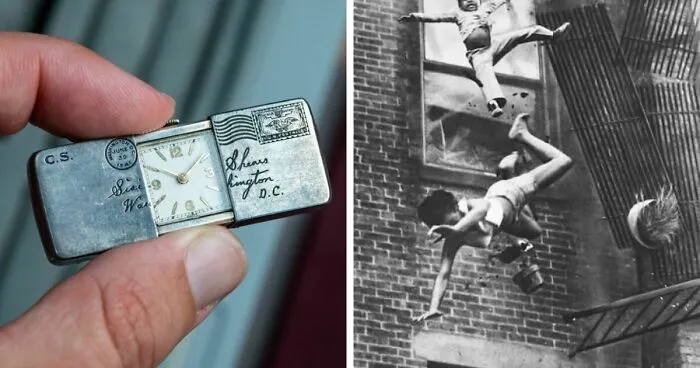
#7 This Haunting Image, Captured In 1975 By Photojournalist Stanley Forman, Froze A Moment Of Unimaginable Terror And Tragedy In Midair

The photograph shows 19-year-old Diana Bryant and her 2-year-old goddaughter, Tiare Jones, plummeting from a collapsed fire escape as flames engulf the apartment building behind them in Boston. Caught in an instant between life and death, the image conveys not only the desperation of the situation but also the heartbreaking vulnerability of the victims. It went on to win the Pulitzer Prize for Spot News Photography in 1976, becoming one of the most powerful and unsettling photographs ever taken.
Diana Bryant tragically died from injuries sustained in the fall, while young Tiare survived, cushioned by the body of her godmother in an act of unintentional sacrifice. The collapse occurred just moments after firefighters had reached the two on the fire escape, underscoring the harrowing unpredictability of such emergencies. The rawness of the moment—the suspended figures, the chaos behind them, and the fatal drop—shocked the nation and sparked intense discussions about the ethics of publishing such images, as well as the broader failures in fire safety and housing conditions in urban areas.
The photograph’s impact was immediate and far-reaching. Not only did it bring widespread attention to the dire need for updated building codes and improved fire escape standards, but it also emphasized the role of photojournalism in holding systems accountable. Though deeply painful to view, the image served a critical public function, ensuring that Diana Bryant's death was not in vain. Through that single frame, the photograph preserved both the horror of the event and the enduring hope that tragedy might lead to change.
Report
0points
#8 From My Glass Negative Collection Comes This Rare Portrait Of An All-Female Jazz Band In Michigan. With Banjo, Saxophones, Tuba, Trombone, And Drums, These Women Embodied The Jazz Age—flapper Dresses, Bold Energy, And Music That Broke Barriers

Report
0points
#9 In 1973, British Couple Maurice And Maralyn Bailey Survived An Astonishing 118 Days Adrift In The Pacific Ocean After Their Yacht, Auralyn, Was Struck By A Whale And Sank
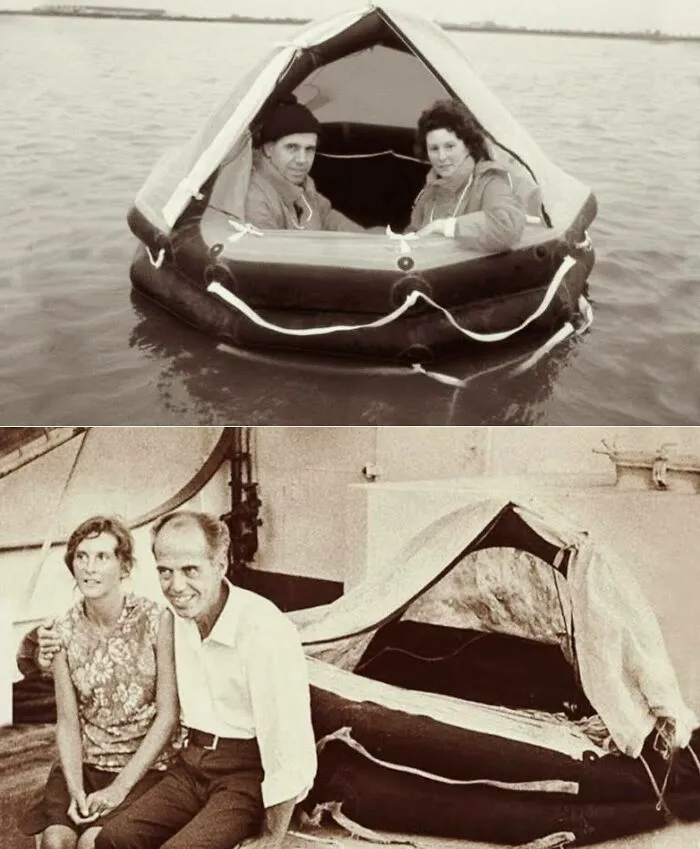
With only a few salvaged supplies, they escaped into a small inflatable raft and drifted over 1,500 miles, enduring storms, malnutrition, and repeated disappointment as passing ships failed to spot them.
To stay alive, they collected rainwater and resorted to eating raw fish, turtles, and seabirds caught with improvised hooks. Their raft deteriorated, their bodies weakened, and their spirits were tested—but they leaned on each other for strength. Finally, they were rescued by a South Korean fishing vessel and brought to safety in Honolulu. Their ordeal became the subject of their book 117 Days Adrift, a testament to resilience, partnership, and survival against all odds.
To stay alive, they collected rainwater and resorted to eating raw fish, turtles, and seabirds caught with improvised hooks. Their raft deteriorated, their bodies weakened, and their spirits were tested—but they leaned on each other for strength. Finally, they were rescued by a South Korean fishing vessel and brought to safety in Honolulu. Their ordeal became the subject of their book 117 Days Adrift, a testament to resilience, partnership, and survival against all odds.
Report
0points
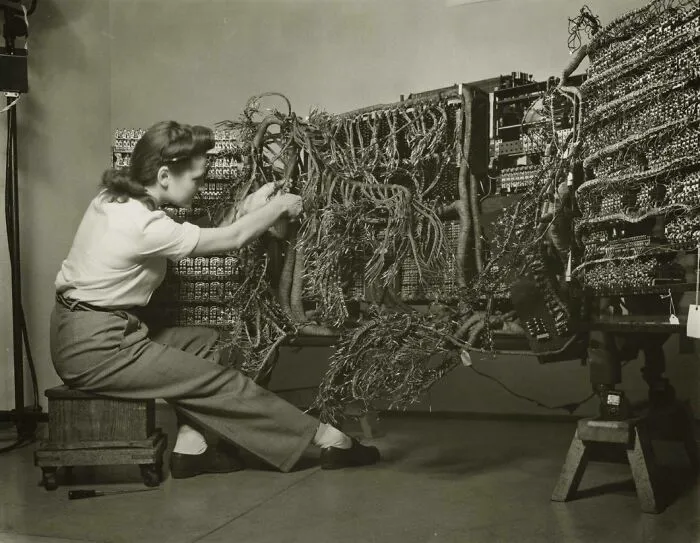
#11 Photo By Wilhelm Von Gloeden. Little Girl Sitting With Baby Goat, 1900

0points
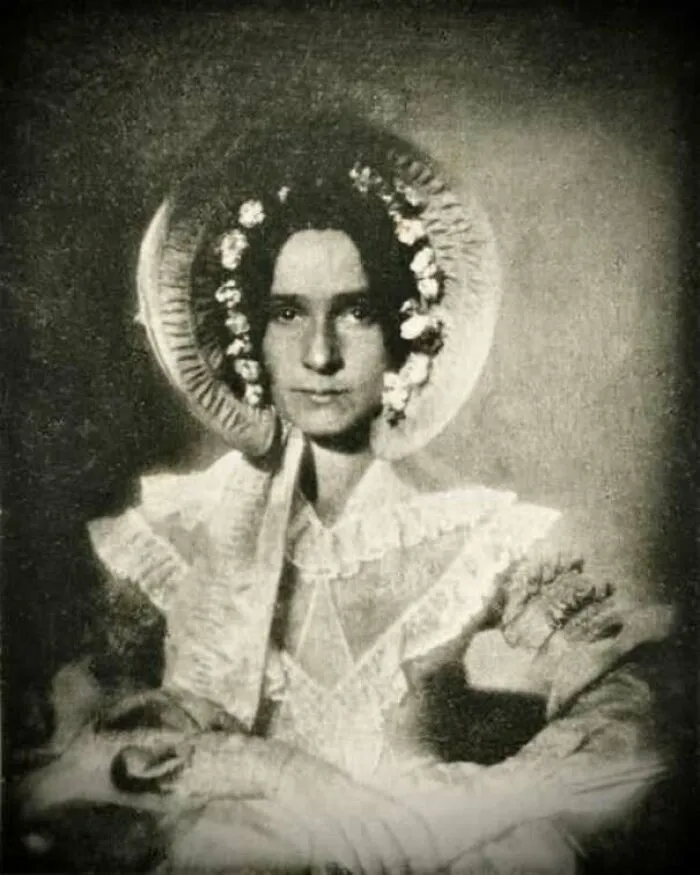
#12 The First Ever Photograph Of A Woman Taken In 1839, Of Dorothy Catherine Draper. Her Daguerreotype Portrait Is The Only Surviving Contemporary Photograph Of Someone Wearing The 1830s Poke Bonnet, A Pre Victorian Hat
Report
0points
#13 This Photograph Was Taken In 1902 By Author And Journalist Jack London During His Time Documenting Poverty In London’s East End
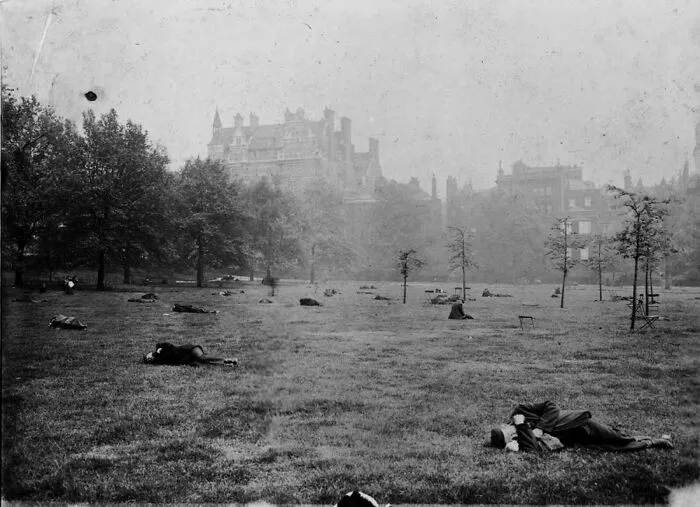
It shows men sleeping in Green Park, one of the few public spaces where the city’s homeless could rest without immediate harassment.
London took this image while researching his nonfiction work The People of the Abyss, in which he lived among the working poor to expose the brutal realities of life in Edwardian England. His writing and photography offered a rare first-hand view of slum conditions, unemployment, and public hardship in the heart of the British Empire.
Did you know Jack London used a hidden camera during parts of this project? As a foreigner posing as a stranded American sailor, he often relied on stealth to capture images like this—many of which appeared in early editions of The People of the Abyss and are now preserved as part of his photographic legacy.
0points

#15 In 1956, A Group Of Women From Clapham, England, Made The Journey To Margate, Kent, For A Day Out At Dreamland, A Renowned Amusement Park
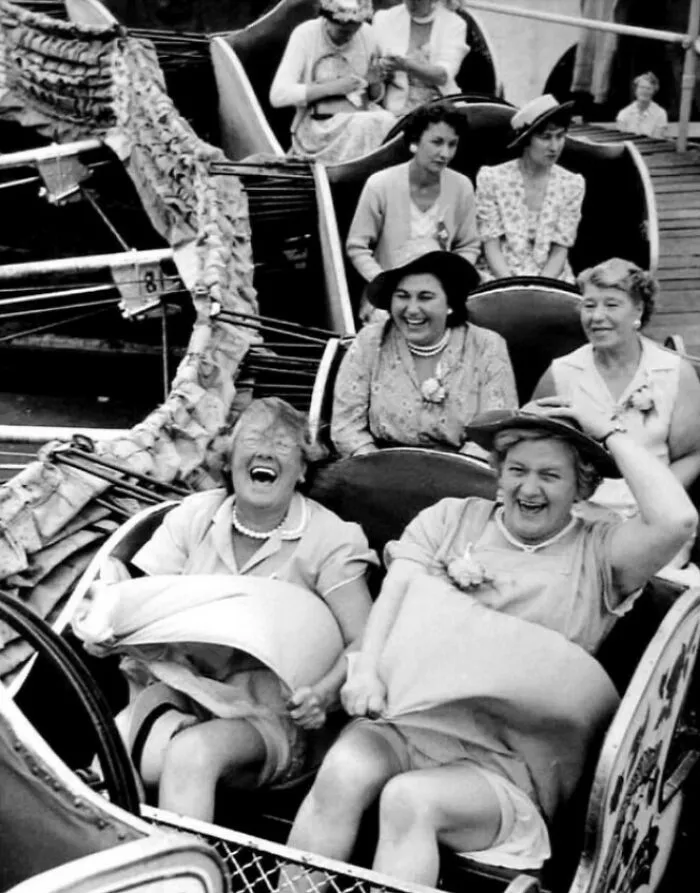
This outing was a perfect reflection of the post-war era when people sought moments of joy and relaxation after the hardships of the Second World War. Dreamland, known for its nostalgic charm and vibrant atmosphere, offered a welcome escape for the local community. Its vintage rides, including The Caterpillar, captured the essence of simple pleasures that defined leisure time in the 1950s.
The Caterpillar ride, with its iconic caterpillar-shaped carriages, was a highlight for many visitors to Dreamland. It provided not only a thrilling experience but also a sense of nostalgia, as it had been a popular attraction for years. For the women from Clapham, it was a delightful way to spend time together, enjoying the company of friends while indulging in the carefree atmosphere of the amusement park. The ride, with its gentle sways and colorful lights, became a symbol of post-war Britain’s growing love for leisure activities and outdoor entertainment.
This outing to Dreamland also reflected the social spirit of the time. In the 1950s, there was a shift toward more recreational and family-oriented activities as the UK’s economy improved and people sought new ways to unwind. The day at Dreamland was more than just an amusement park visit—it was a celebration of the community coming together to embrace newfound freedom and enjoyment. It was a moment of shared joy in a changing society, where the pursuit of fun was becoming as important as the hard work that followed the war.
Report
0points
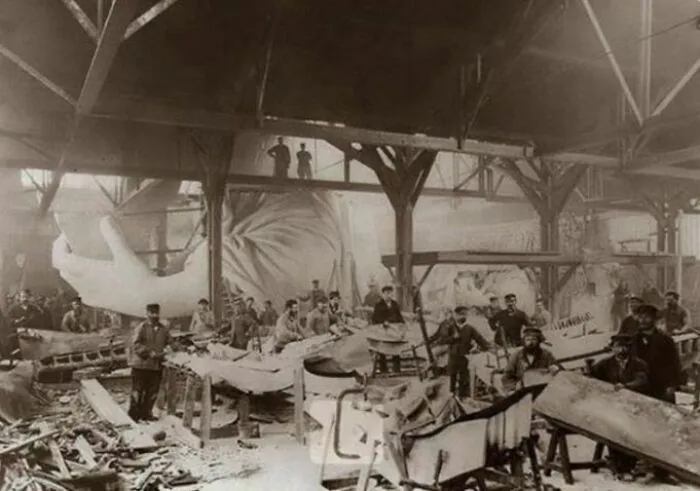
#16 The Image Shows The Process Of Building The Statue Of Liberty In Frédéric Auguste Bartholdi's Workshop In Paris, France, Circa 1880s
Report
0points
#17 Nan Wood Graham And Dr. Byron Mckeeby Photographed In 1942 Next To The Iconic "American Gothic." She Was The Painter's Sister, And He Was Their Dentist

Report
0points

#19 In 1872, Hunters In The Jungles Of India Found Something Strange Inside A Cave. Among A Pack Of Wolves, A Small Figure Moved Quickly On All Fours.

At first it looked like an animal, but it was a boy—no older than six. His body was dirty, his nails long like claws, and his sharp eyes showed fear and suspicion. It seemed he had grown up in the wild, far from human care, language, and warmth.
The boy was taken to an orphanage in Sikandra, near Agra. The missionaries there named him Dina Sanichar. They tried to teach him how to live like other children. Over time, Dina learned to walk on two feet and wear clothes, but he never learned to speak. He refused to use utensils, preferred to eat raw meat, and lived in silence—not just mute, but shaped by a childhood without words.
Dina Sanichar died of tuberculosis in 1895. His story was barely recorded in colonial documents, but many believe it later inspired Rudyard Kipling’s The Jungle Book and the character of Mowgli. Unlike the storybook hero, Dina’s life had no talking animals or happy ending—only the quiet sadness of a child lost to the forest, who never truly returned to the world of humans
Report
0points
#20 A Group Of East End Children Peer Curiously Down A Narrow Alley In Bow, London, As One Boy Boldly Braces Himself Between Two Walls—captured In 1914 By Suffragette And Photographer Norah Smyth

Known for her activism and visual documentation of working-class life, Smyth photographed this scene during her time with the East London Federation of Suffragettes, led by Sylvia Pankhurst, where she used her camera to highlight social inequality.
0points