





#1

So I asked my mom. And got told vehemently that I'm 100% white.
So after my mom passed away, I was going through stuff. Found out that not only was her grandmother (my great-grandmother) Cherokee, but my biological father is also.
I found a wonderful picture of my tiny Cherokee great-grandmother standing hand in hand with my incredibly tall Welsh great-grandfather. I treasure that picture.
#2

I had heard variations on it a bunch of times, so one day I decided to share it with my dad. I was in my mid-20s at that point. My dad, who at no point in my life ever discussed the divorce or my mom, replied,
"She said that?"
Yeah.
"I left her because of her alcoholism and illegal substance use. She was using a lot when you were little. She even drank a lot during the pregnancy. Kids deserve a safe home to grow up in."
I later got that verified from my maternal grandmother. Apparently, everyone knew but never bothered to tell me that my dad was the one who left my mom because she was a substance user and an alcoholic. She didn't have to "make the difficult sacrifice" of giving dad custody because he could provide a better life for us; the court straight up gave dad custody after a court battle where my mom was deemed unfit to be a parent because of said substance use.
For about 20 years, I'd thought my dad got dumped by my mom, but turns out, he was just a really good parent and made the right choice for us kids.
#3
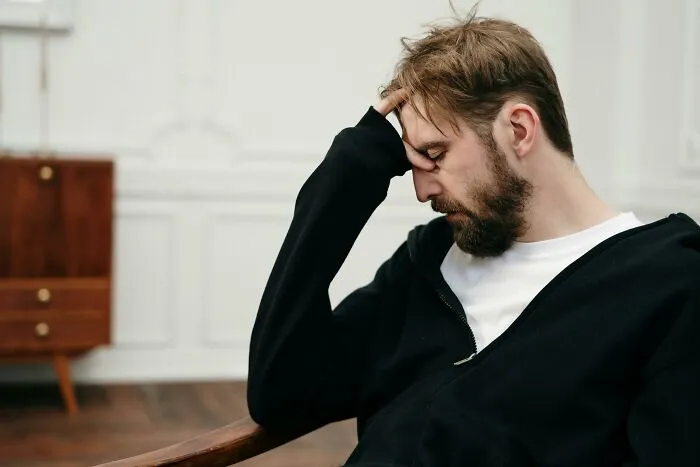
Even if they are “refreshing” to hear about, keeping family secrets can do more harm than good. Apart from creating a false sense of reality, the severity of hiding such relevant information can cause an illness, according to author and mental health educator Suzanne Handler.
#4

#5

Great-grandma getting knocked up saved an entire branch of our family tree!
#6
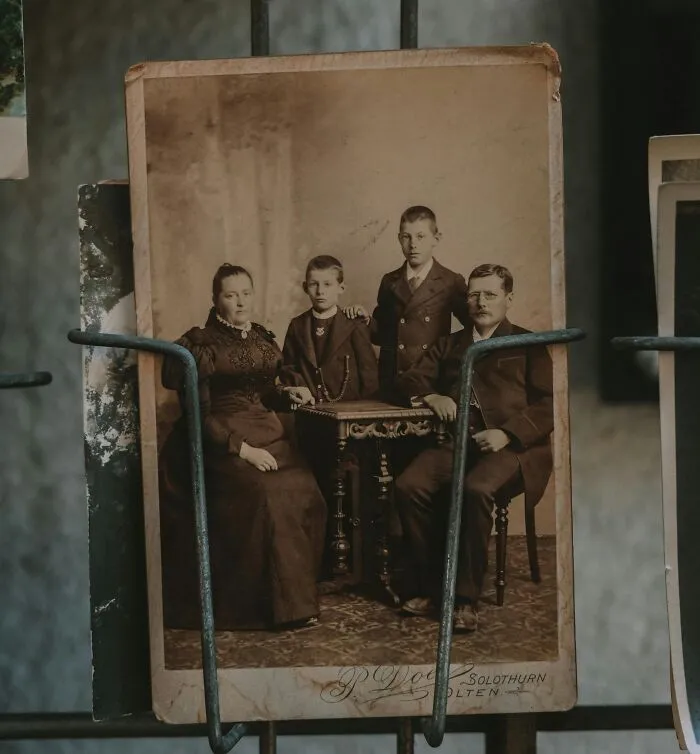
“Keeping traumatic secrets can result in excessive stress and guilt for the person carrying the burden of knowledge, even when that silence is thought to be the best possible option for all concerned,” Handler wrote in an article for Psych Central.
According to Handler, some of the symptoms may range from physical manifestations like headaches, backaches, and digestive problems, to mental struggles like anxiety. Others may even self-soothe through substances like alcohol.
#7
#8

#9
Speaking of anxiety brought on by keeping a secret, licensed marriage and family therapist Sarah Epstein says that the burden may push the individual to disclosure.
As a result, the secret-holder may turn to another person for support, but at the same time carry the guilt of betraying another person’s confidence.
#10
#11

#12
However, other people may have more malicious intentions in disclosing a family secret. Epstein says they may use it as leverage, then spill it out as a form of revenge later on.
“A family member may threaten to expose a family member's substance use issues if that family member fails to seek out treatment, for example,” she noted.
#13

#14

#15
According to Handler, it is natural to long for understanding and clarity about why we are the way we are, and the existence of family secrets can only erode the family's foundation. This is why Epstein says it is important to understand a person’s intentions behind sharing them.
“(Doing so) can build empathy within the family about the monumental task of navigating the line between maintaining privacy and keeping everybody safe and healthy,” she said.
#16

#17

#18

I now know my entire biological family and we all have so much in common. I am thankful that I found out since I always had “questions” about why I didn’t look like my dad’s family, and we didn’t have similar interests. My biological family and I always spend time together, and I feel like the missing piece of me was finally found.
#19

#20

The aunt spilled the beans and fractured the entire family. Drama drama drama...