




#21
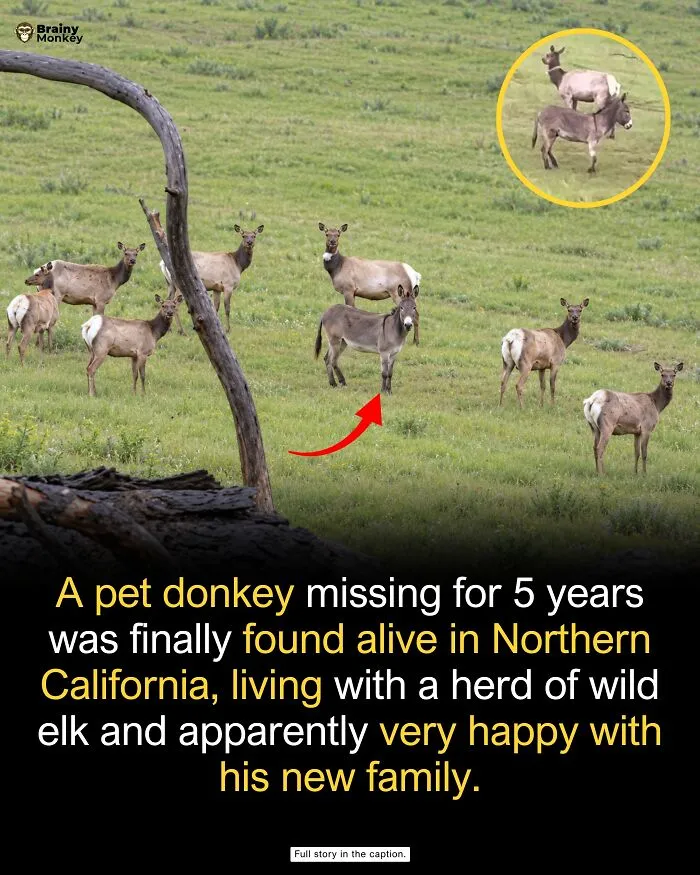
A pet donkey named Diesel went missing in 2019 near Northern California’s Cache Creek Wilderness after getting spooked during a hike.
His owners searched for weeks, even using drones, but eventually had to accept that he might never come home.
Then in 2024, a hunter spotted something unexpected.
Diesel was alive and living with a herd of about 15 wild elk.
Video showed him moving comfortably among the herd, looking healthy, well-fed, and seemingly accepted as one of their own.
When his owners saw the footage, they decided not to bring him back because he appeared happy and settled into his new life in the wild.
5 years missing.
About 15 elk.
1 donkey who found himself a completely new family.
Sometimes getting lost leads you somewhere you never expected.
Human kindness has a measurable physical effect on the person giving it, not just the person receiving it. Research from the Cleveland Clinic found that performing acts of kindness releases serotonin in the brain of both the giver and the receiver, and that witnessing an act of kindness produces the same effect in the observer.
This three-way chemical reaction has been described as the "helper's high," and it suggests that generosity is not a sacrifice but a neurological reward. The cynicism bias that makes us assume people are selfish is, in the most literal sense, costing us serotonin we could be having for free.
#22
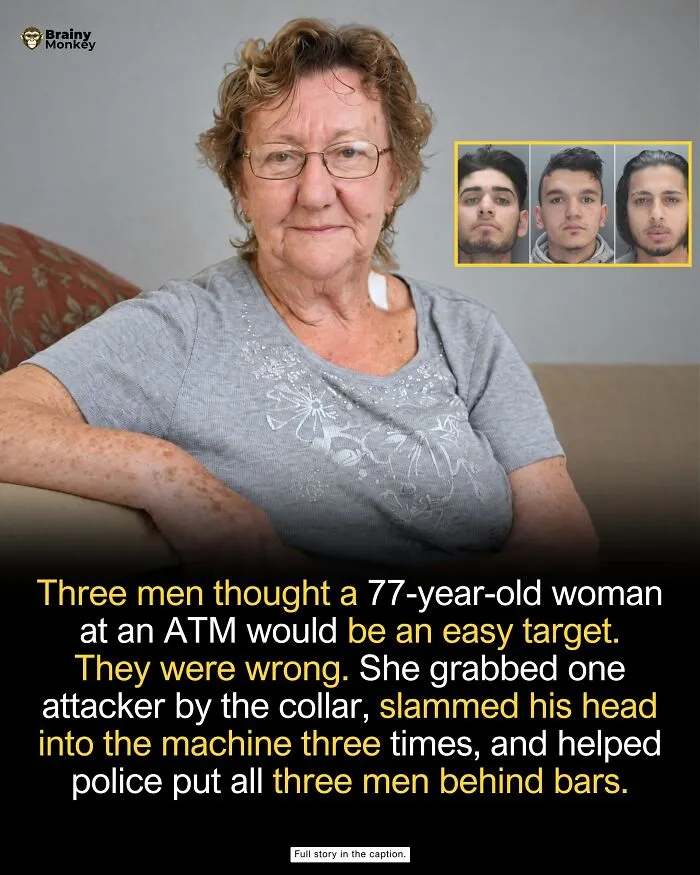
In 2016, Winifred Peel was using an ATM in England when 3 men tried to rob her.
Instead of freezing, she fought back, grabbed one attacker by the collar, and slammed his head into the ATM 3 times.
The men fled, but all 3 were later caught and sent to prison for the attempted robbery.
At 77 years old, Winifred proved they had picked the wrong person to underestimate.
#23
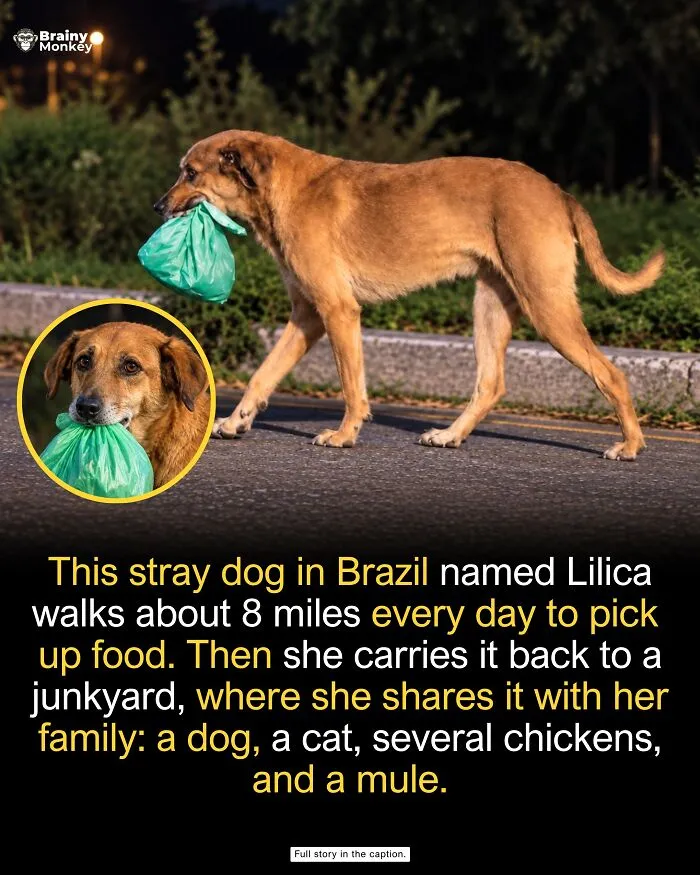
In São Carlos, São Paulo, a dog named Lilica became known for traveling up to 8 miles, about 12 km, to meet a teacher named Lucia Helena de Souza, who would give her food.
Then Lilica would carry the bag all the way back to the junkyard where she lived.
Waiting for her were the animals she considered family: another dog, a cat, several chickens, and even a mule.
She repeated the journey for years, sharing what she had instead of eating it alone.
One stray dog. An 8-mile journey. One bag of food. A whole family waiting for her return.
#24
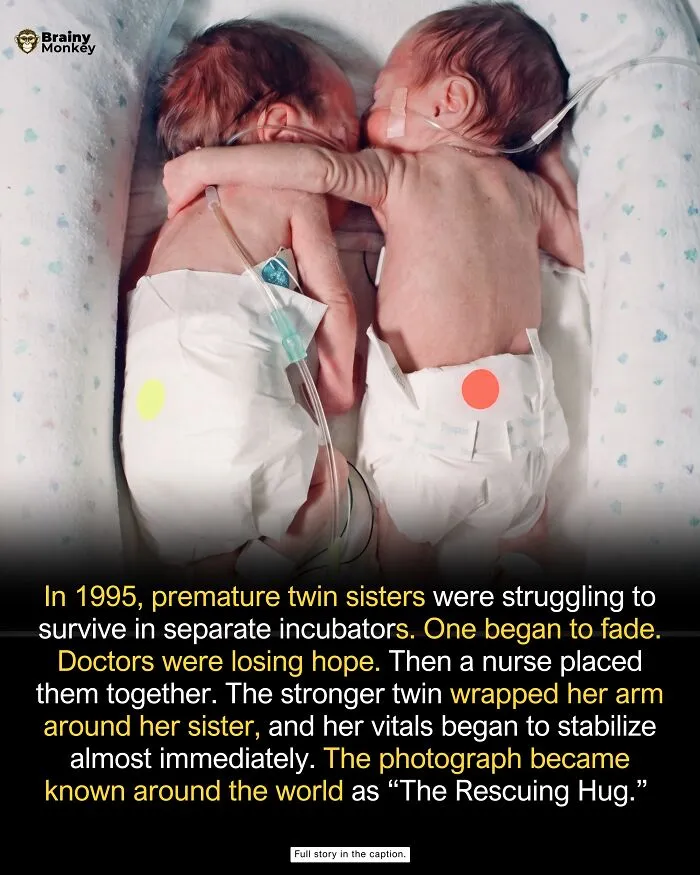
In 1995, premature twin sisters Kyrie and Brielle Jackson were born 12 weeks early, each weighing less than 2 pounds. Because of their fragile condition, they were placed in separate incubators.
Then Brielle began to deteriorate.
Her oxygen levels dropped, her heart rate climbed, and doctors struggled to stabilize her.
That’s when nurse Gayle Kasparian tried something unusual: she placed the twins together.
Within moments, Kyrie wrapped her tiny arm around Brielle. Soon after, Brielle’s breathing eased, her heart rate improved, and her temperature began to rise.
The photograph of that moment became famous around the world as “The Rescuing Hug.”
Two tiny sisters. One instinctive embrace. A moment that helped change how premature twins were cared for.
The ozone layer, which was one of the defining environmental anxieties of the 1980s and 1990s, is healing. The Montreal Protocol of 1987, which phased out the chlorofluorocarbons destroying it, is now widely considered the most successful international environmental agreement in history.
NASA confirmed in 2023 that the ozone hole over Antarctica has been shrinking consistently and is on track to fully recover by approximately 2066. It is the story of a global problem, a global agreement, and a global outcome that went exactly the way it was supposed to, which is rare enough to be remarkable and does not get nearly enough airtime given what it actually represents.
#25
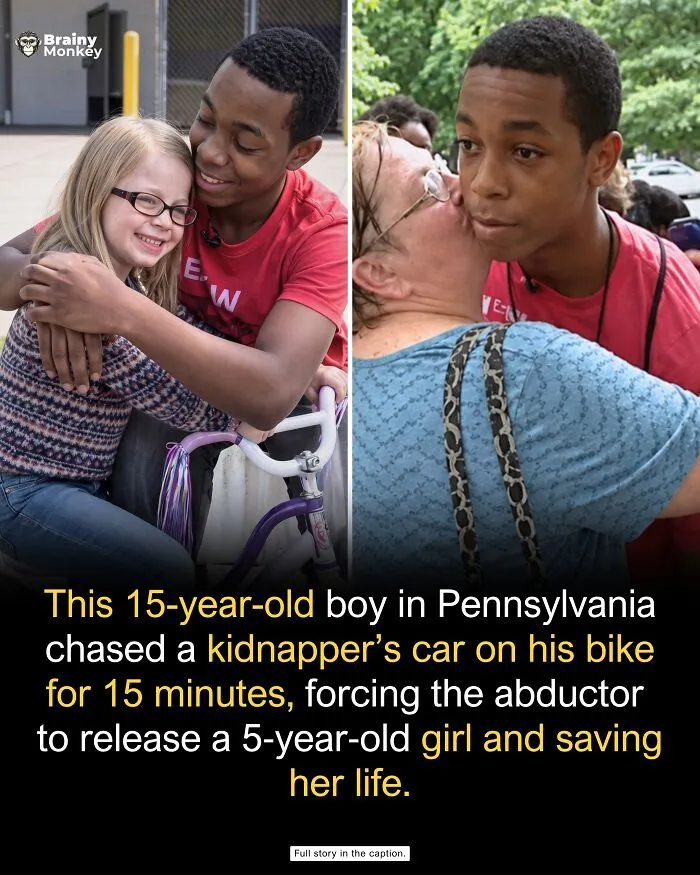
In 2013, Temar Boggs of Lancaster, Pennsylvania heard that 5-year-old Jocelyn Rojas had been taken from her front yard. He jumped on his bike with a friend, spotted a suspicious car, and chased it through the neighborhood for nearly 15 minutes.
The driver eventually stopped and let Jocelyn out.
She ran straight to Temar and said she wanted her mommy.
Police later arrested a suspect, and Jocelyn was safely reunited with her family.
One teenager. One bicycle. One 15-minute chase. One little girl brought home alive.
#26
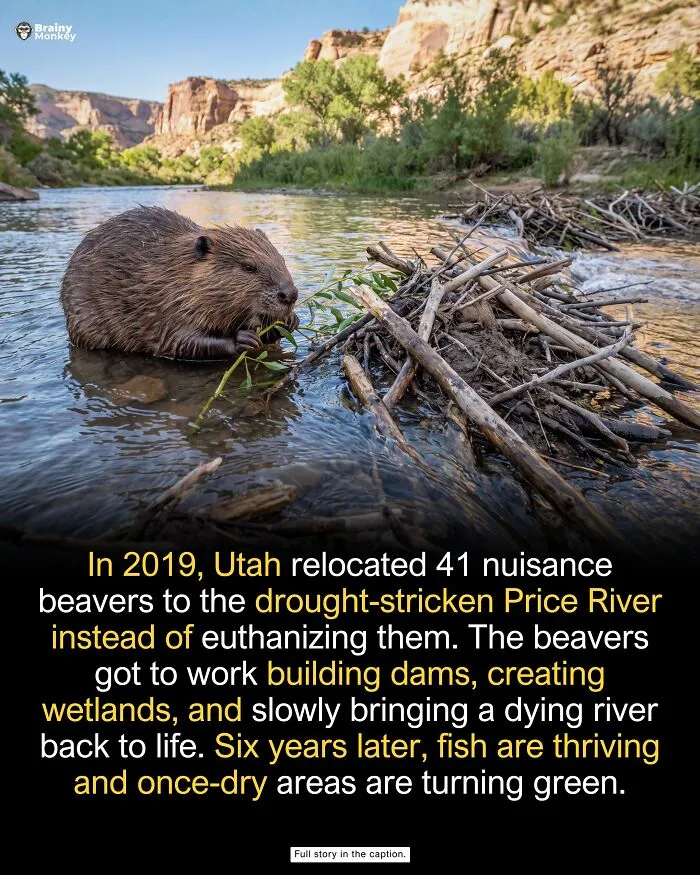
Wildlife experts relocated the beavers to the drought-stricken Price River, where they immediately did what beavers do best: build dams, slow rushing water, and create wetlands.
Those dams helped hold water in the landscape longer, rehydrate dry areas, and create new habitat for fish and other wildlife.
Six years later, the transformation is hard to miss.
Fish are thriving. Wetlands have returned. Once-dry areas are turning green again.
The animals once considered a nuisance became part of the solution.
41 beavers were given a second chance, and an entire river ecosystem got one too.
#27
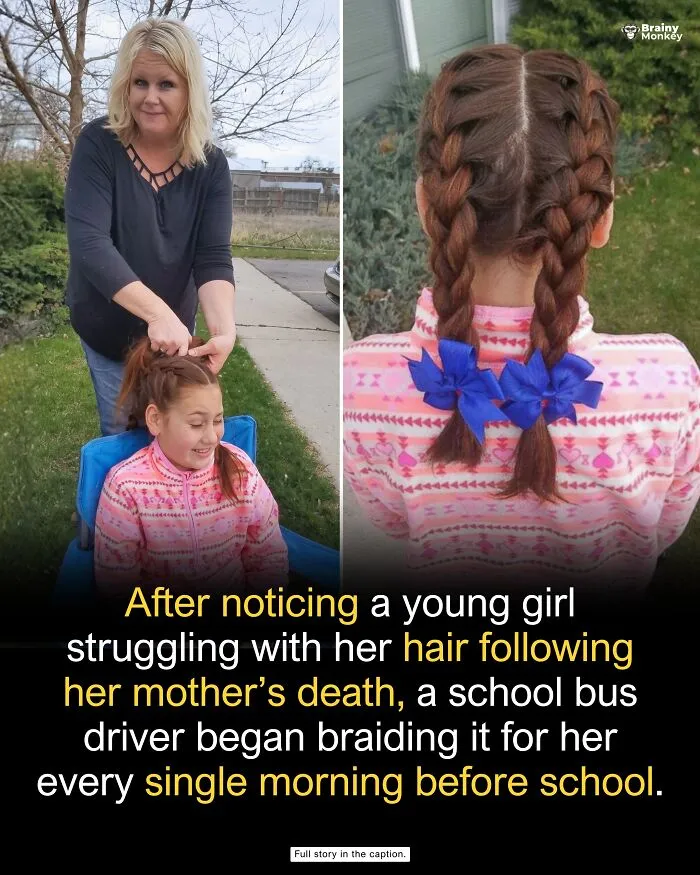
When 11-year-old Isabella Pieri lost her mother at just 9 years old, even simple things like doing her hair became difficult. Her father did his best, but styling it was something he struggled with.
Then her school bus driver, Tracy Dean, noticed.
Instead of looking the other way, Tracy began braiding Isabella’s hair before school, turning a small act of kindness into a daily routine that gave the young girl confidence, comfort, and a little extra care when she needed it most.
Nobody asked Tracy to do it. It wasn’t part of her job.
She simply saw a child who needed someone and decided to show up.
Sometimes the people who change a child’s life aren’t the ones they expect. They’re simply the ones who notice.
If this list teaches us anything, it is that there are still people doing good in the world. Whether they are making massive scientific breakthroughs, or just braiding a little girl's hair to compensate for the loss of her mother, they are out there. We just need to look hard enough. Or, at the very least, try to curate our social media feeds to include pages that share good news and heartwarming facts. Just sit back and watch the serotonin flood in.
Which one of these facts made the world feel a little less dark today? Tell us in the comments!
#28
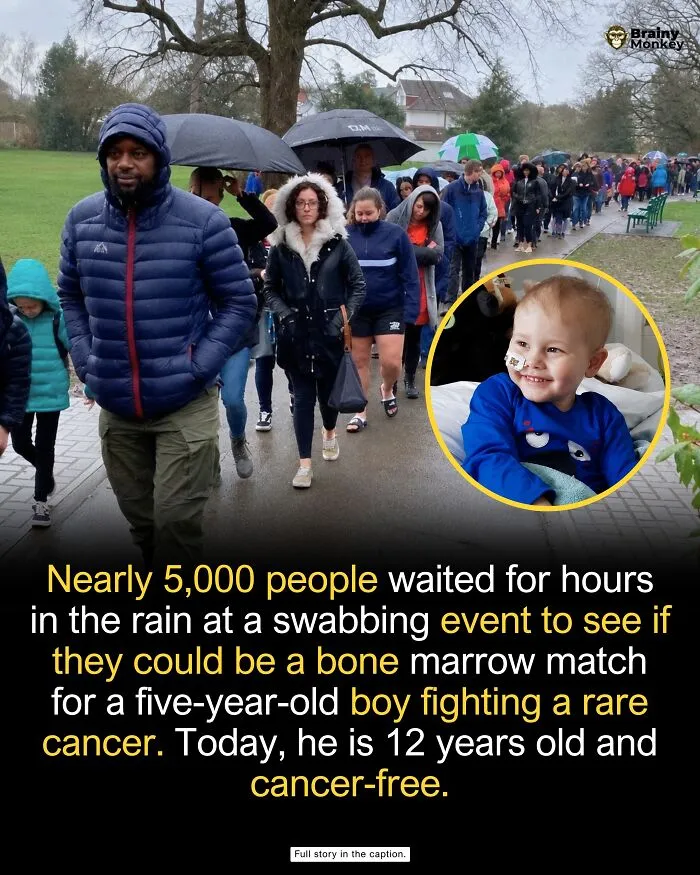
In March 2019, Oscar Saxelby-Lee from Worcester, England, was battling a rare and aggressive form of leukemia and urgently needed a stem cell transplant.
His community organized a donor drive at his primary school, hoping to find a match.
Then something incredible happened.
Despite the relentless rain, 4,855 people showed up and waited in line for hours just to have their cheeks swabbed. The turnout more than doubled the charity’s previous single-event record of 2,200 registrations.
And it worked.
A matching donor was found for Oscar. After his transplant and further treatment, he went on to become cancer-free.
4,855 strangers. One little boy. One massive act of community kindness.
Sometimes, saving a life really can begin with something as simple as a cotton swab.
#29
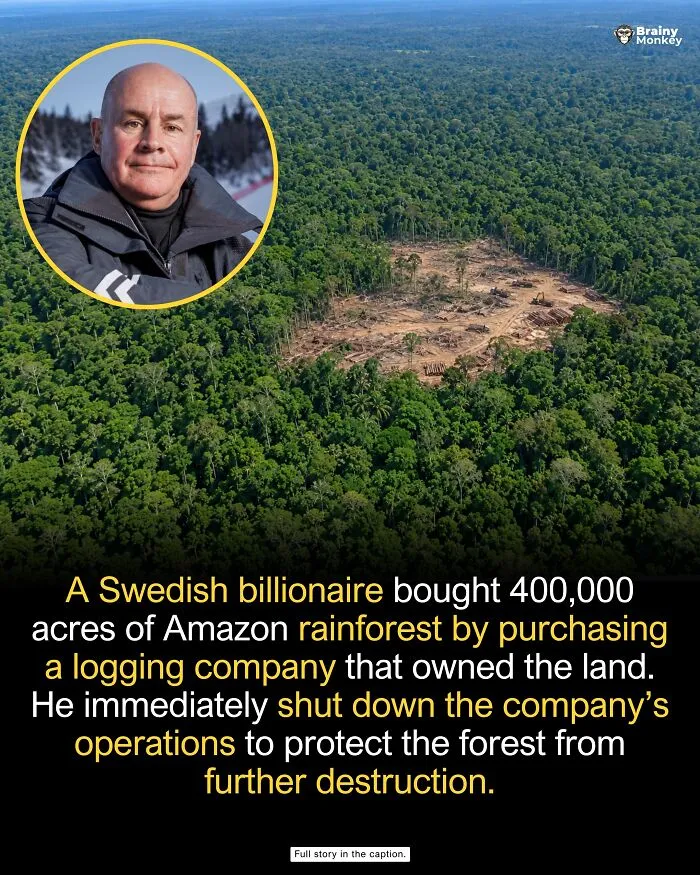
In 2005, Swedish billionaire Johan Eliasch acquired roughly 400,000 acres of Amazon rainforest in Brazil by purchasing a logging company that controlled the land.
Then he did something unexpected.
Instead of continuing to cut down trees, Eliasch shut down the company’s logging operations and focused on protecting the rainforest from further destruction.
The land became part of a much bigger conservation effort, preserving valuable wildlife habitat and helping protect one of the planet’s most important natural carbon stores.
His actions also helped draw more attention to the global fight against deforestation and the need to protect tropical forests.
400,000 acres.
1 logging company purchased.
1 decision to stop cutting trees.
#30
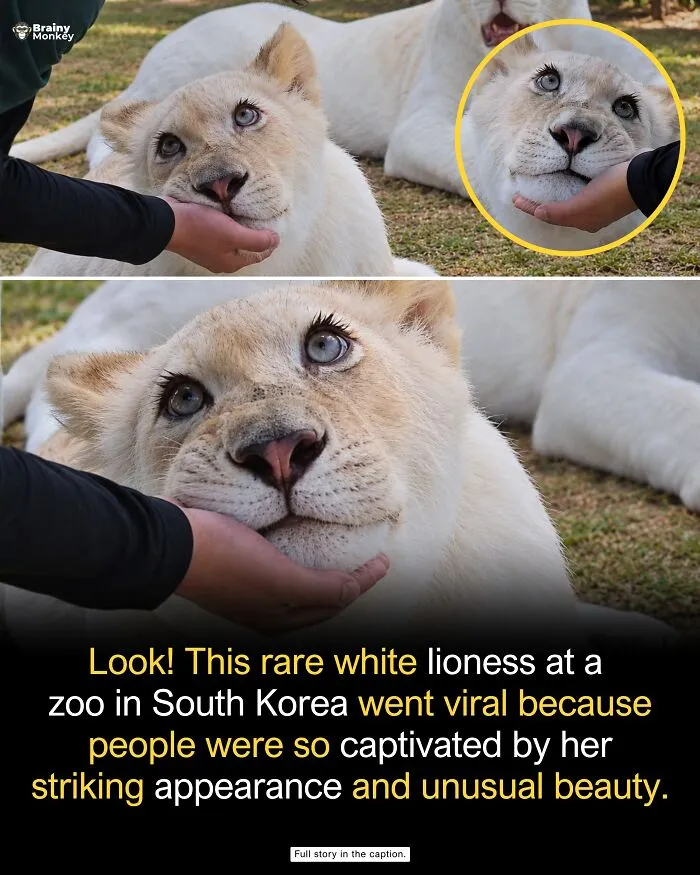
Her name is Luna, and she lives at Nature Park Zoo in Daegu, South Korea.
Born in August 2025, Luna quickly captured attention online with her pale cream-colored coat, striking eyes, and almost unreal appearance.
But Luna is not albino. Her unusual coloring comes from leucism, a genetic condition that reduces pigmentation while still allowing normal color in the eyes and skin.
Her story is even more special because her parents were reportedly rescued from poor conditions at another zoo before Luna and her siblings were born.
Now, Luna has become one of those animals people can’t seem to scroll past.
One look at those eyes and it’s easy to see why she went viral.
#31

The Regina Food Bank in Saskatchewan opened a grocery-store-style food hub where registered clients can walk through the aisles and choose the food they actually need.
Families can visit once every 2 weeks by appointment, and clients can leave with about $200 worth of groceries per person at no cost.
Instead of receiving a pre-packed food hamper, people can select their own items, giving them more choice and dignity.
The store is designed to make food assistance feel more like regular grocery shopping while helping families stretch their budgets during difficult times.
Free groceries, but with the freedom to choose. Should more cities do this?
#32
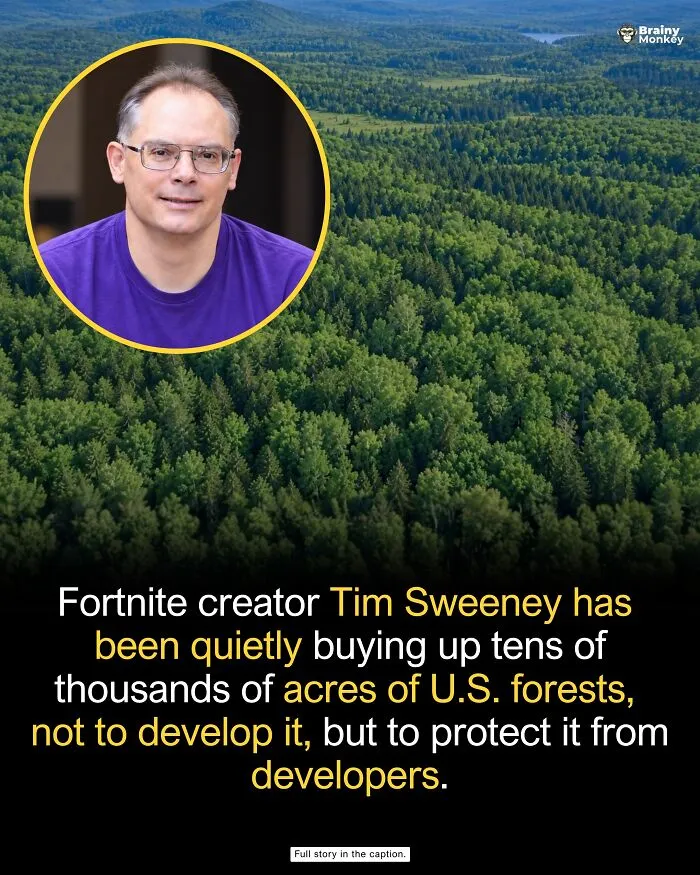
Epic Games founder and CEO Tim Sweeney has spent years quietly buying huge stretches of wilderness across North Carolina, then protecting the land instead of building on it.
Since 2009, Sweeney has acquired more than 54,000 acres across 15 counties, including forests, mountain landscapes, and habitats home to rare plants and wildlife.
And he hasn’t kept all of it.
In 2021, Sweeney donated 7,500 acres in the Roan Highlands to the Southern Appalachian Highlands Conservancy, one of the largest private conservation land donations in North Carolina history.
Rather than turning the land into subdivisions, resorts, or commercial projects, he has worked with conservation groups and government agencies to help keep thousands of acres permanently protected.
54,000+ acres. 15 counties. 7,500 acres donated. Nearly two decades of conservation.
He helped build one of the biggest games in the world. Now he’s helping make sure some parts of the real world stay untouched.
#33
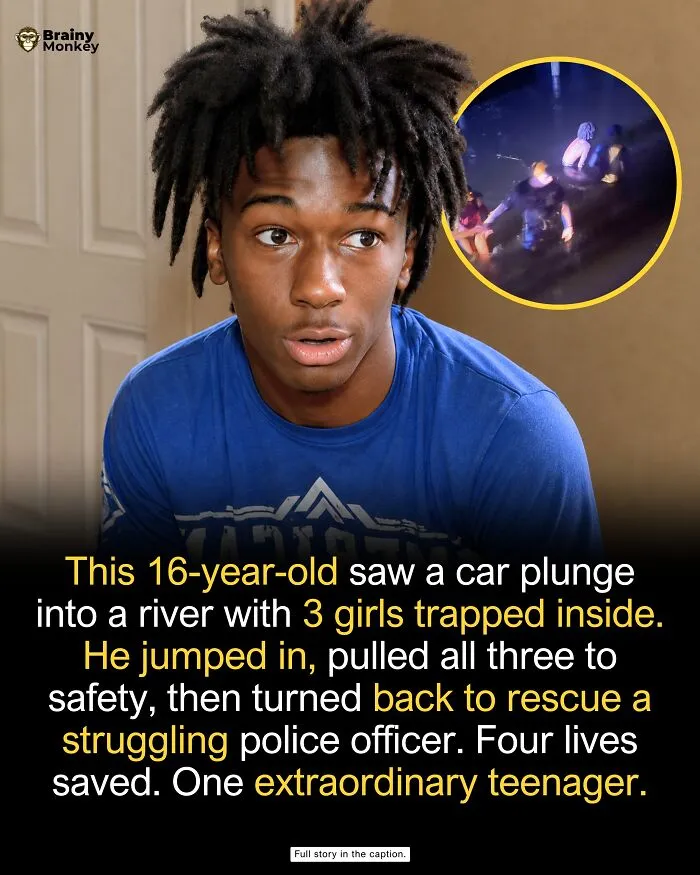
At around 2:30 a.m., Corion Evans saw a car carrying three teenage girls plunge into the Pascagoula River in Mississippi and begin sinking about 20 feet from shore.
Corion immediately jumped into the water.
He swam back and forth through the darkness, pulling all three girls to safety, one by one. Then, when a police officer who had entered the water began struggling himself, Corion went back again and helped save him too.
3 teenage girls. 1 police officer. 4 lives saved by one 16-year-old.
His bravery later earned recognition from city officials, the Mississippi Senate, and the American Red Cross, which honored him with a national hero award.
Corion didn’t have time to think about medals or recognition that night. He simply saw people in danger and acted.
Four people made it home because one teenager refused to stand by and watch.
#34
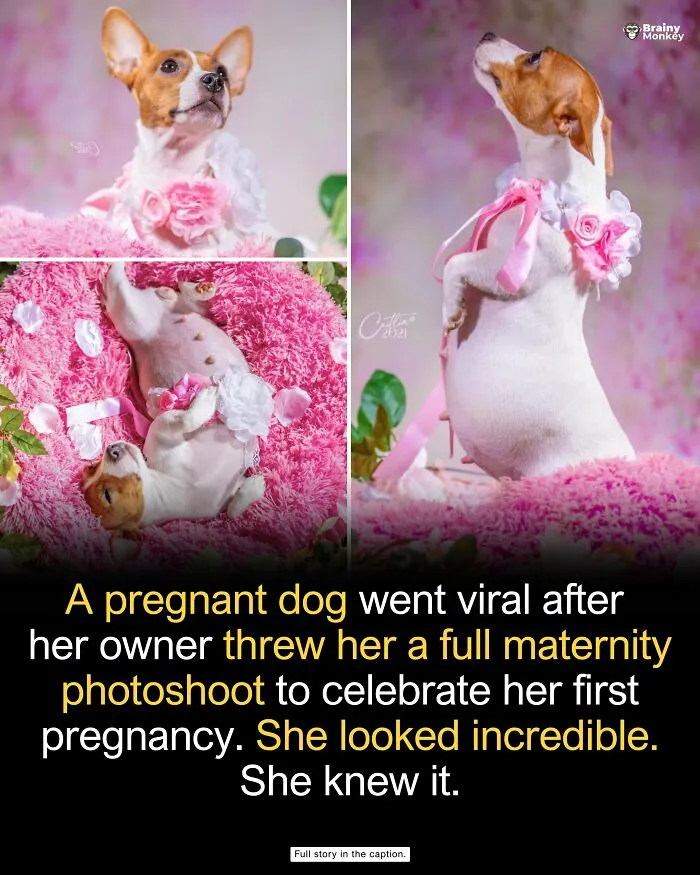
In 2021, a Jack Russell terrier named Khloe went viral after her owner celebrated her first pregnancy with a full maternity photoshoot.
Surrounded by flowers, ribbons, and pink backdrops, Khloe posed like a total professional, and the internet absolutely loved it.
The photos were taken before she gave birth to 4 puppies, turning a simple family memory into one of the cutest maternity shoots online.
Years later, the pictures resurfaced and went viral all over again.
1 proud mama. 4 puppies. One unforgettable maternity shoot.
She looked incredible. She knew it.
#35
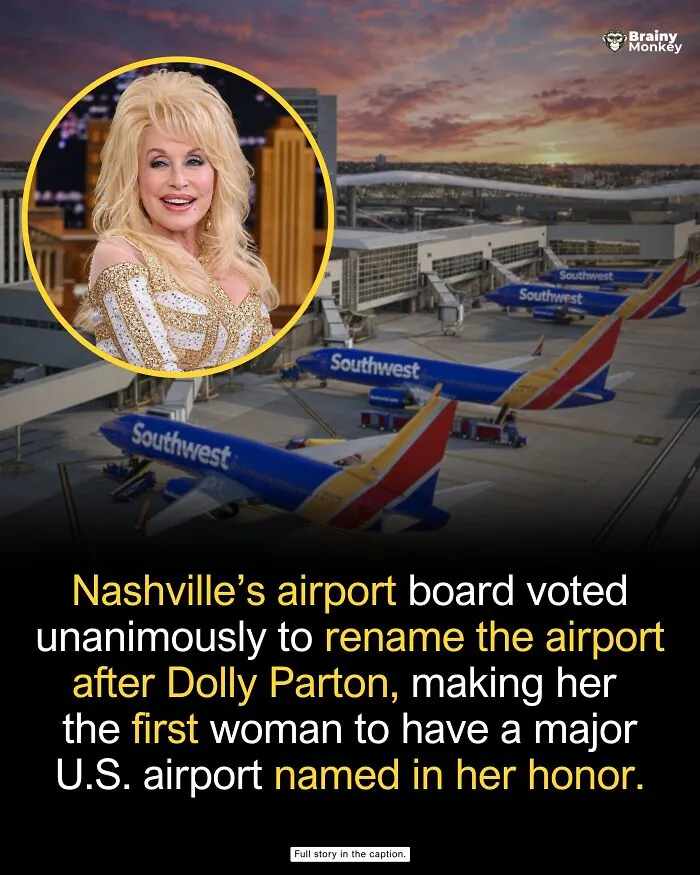
On September 11, 2026, the Metropolitan Nashville Airport Authority board voted unanimously, 6–0, to begin the process of renaming Nashville International Airport (BNA) in her honor.
If the change is completed, Dolly would become the first woman to have a major U.S. airport named after her.
Support has been huge. The proposal has backing from Tennessee leaders, Nashville officials, and more than 175,000 people who signed a petition supporting the idea.
Six votes. 175,000 supporters. One legendary Tennessee icon.
Soon, millions of travelers could be flying through an airport bearing the name Dolly Parton.
#36
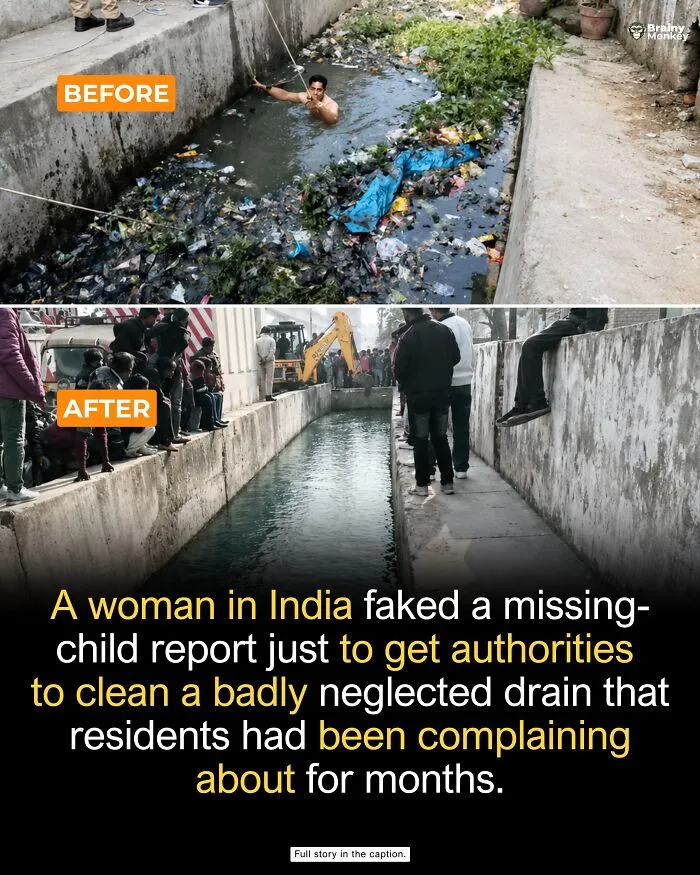
In February 2026, a woman in Meerut, Uttar Pradesh, told police that a child had fallen into a filthy, clogged drain that residents had reportedly been complaining about for months.
Authorities rushed in, launching a three-hour rescue operation with sanitation workers and heavy machinery.
But there was one problem:
No child was missing.
The report had been fabricated to force officials to finally clear the neglected drain.
The stunt sparked mixed reactions. Some called it classic “jugaad”, a clever workaround when bureaucracy fails. Others criticized it for wasting emergency resources and creating a false alarm.
Still, one fact was impossible to ignore:
Months of complaints changed nothing. One fake emergency got the drain cleaned in hours.
#37
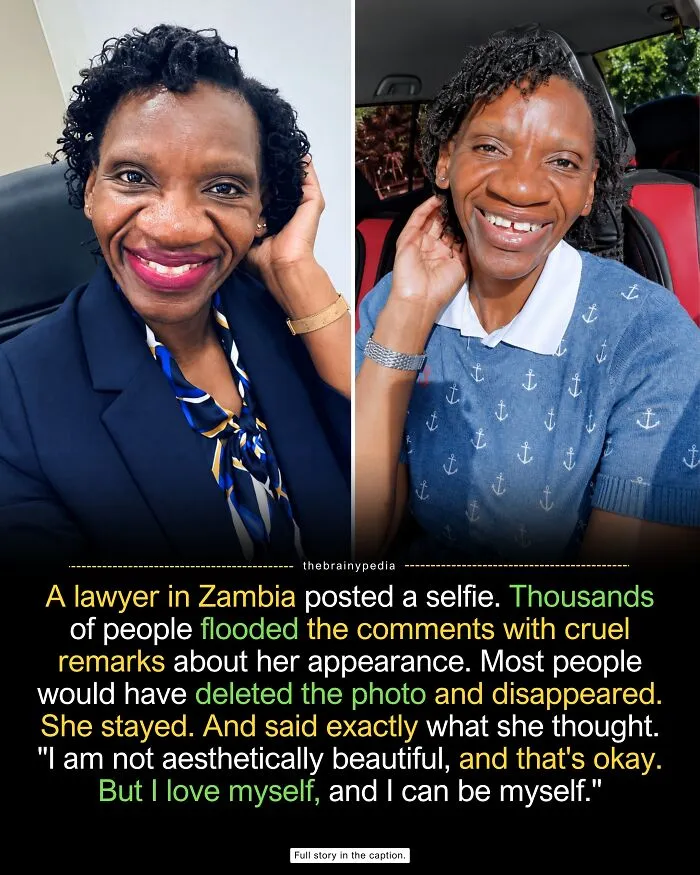
In June 2025, 37-year-old Zambian lawyer Naomie Pilula posted a casual selfie online.
The photo quickly went viral, drawing hundreds of thousands of comments and shares, including thousands of cruel remarks about her appearance.
Instead of deleting the photo, Naomie left it up and responded with confidence:
“I am not aesthetically beautiful, and that’s okay. But I love myself, and I can be myself.”
Her story resonated with people around the world, and her following grew from about 1,000 to 20,000 within weeks.
What began as online mockery became a powerful reminder that self-worth does not have to depend on other people’s approval.
#38
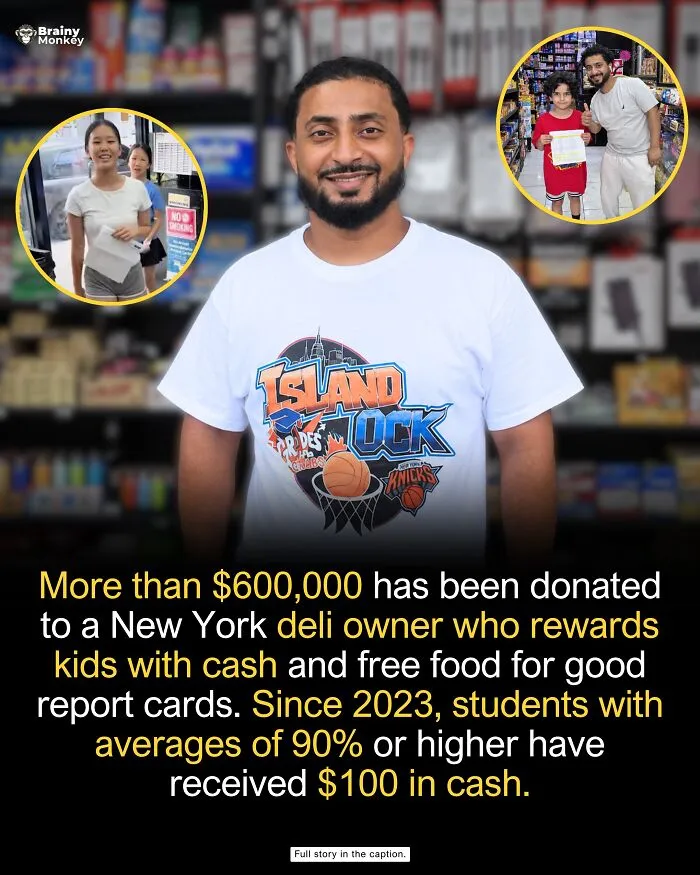
Wail Alselwi, known as “Island Ock,” runs a Staten Island deli where students can bring in their report cards and earn rewards for strong grades or major improvement.
Students scoring 90% or higher can receive $100 in cash, while others may get free snacks, groceries, and other rewards.
His “Grades for Grabs” program went viral, inspiring more than 13,000 donations and raising about $608,000 to help keep the rewards going.
What started as one deli owner encouraging local kids has turned into a community-backed effort to make academic success feel worth celebrating.
#39
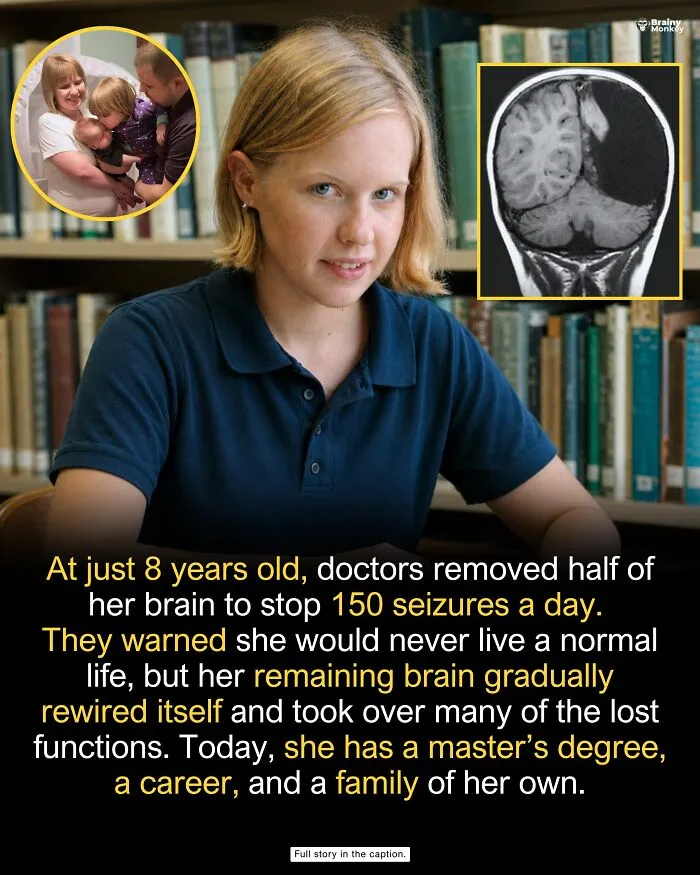
Christina Santhouse underwent a rare hemispherectomy, a life-saving surgery that removed the right hemisphere of her brain in an effort to stop the relentless seizures.
Doctors warned that the consequences could be devastating. She might struggle to walk, speak, or ever live independently.
But Christina’s brain did something extraordinary.
Through neuroplasticity, the remaining half gradually reorganized itself and took over many of the functions that had been lost.
And she didn’t just recover.
Christina went on to earn a bachelor’s degree and a master’s degree, build a career as a speech pathologist, and start a family of her own.
Half a brain removed. 150 seizures a day stopped. A life doctors feared might never be normal became anything but ordinary.
Her story is a remarkable example of just how powerful and adaptable the human brain can be.
#40
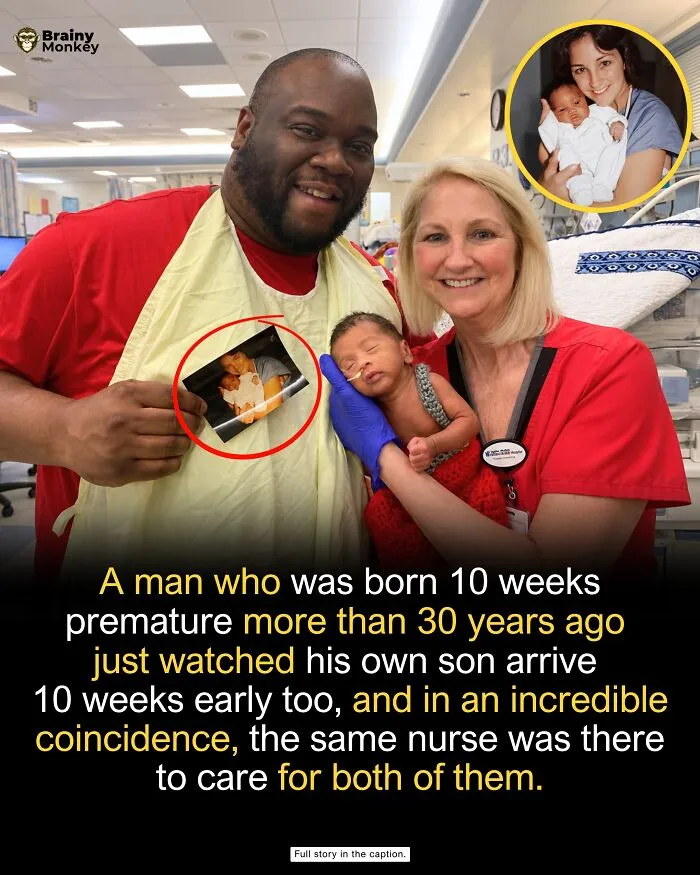
In 1986, David Caldwell was born six weeks premature in New Jersey and spent weeks in the NICU at Saint Peter’s University Hospital. One of the nurses who cared for him was Lissa McGowan.
Then, 34 years later, David returned to the same hospital under very different circumstances.
His son, Zayne, had arrived 10 weeks early, weighing only 3 pounds, and was admitted to the very same NICU.
And somehow, the nurse caring for Zayne was the same woman who had cared for David as a premature baby decades earlier.
The family later found an old photo of Lissa holding David in 1986 and recreated it with Zayne in her arms in 2020.
One nurse. Two generations. 34 years apart. Some connections really do come full circle.
