






While we tend to think we know ourselves pretty well, the human body still has all sorts of ways to surprise us. The truth is that we’re pretty complicated organisms, where a lot can go wrong (or right) so researchers are still finding new and interesting details about how it all comes together.
So we’ve gathered some of the most interesting facts about our brains and bodies that might change the way you see yourself. Get comfortable as you scroll through, upvote the ones your brain finds narcissistically interesting and be sure to share your thoughts and experiences in the comments down below.
#41

Research from the University of Leeds shows that even brief daily father-child play boosts early cognitive skills.
Studies found that activities like reading or imaginative play improve problem-solving and language development.
A review from the University of Cambridge links father involvement with better emotional and social growth.
Even 15 minutes of focused play can make a meaningful difference.
These small moments of connection can significantly support a child’s future development.
Report
15points
#42
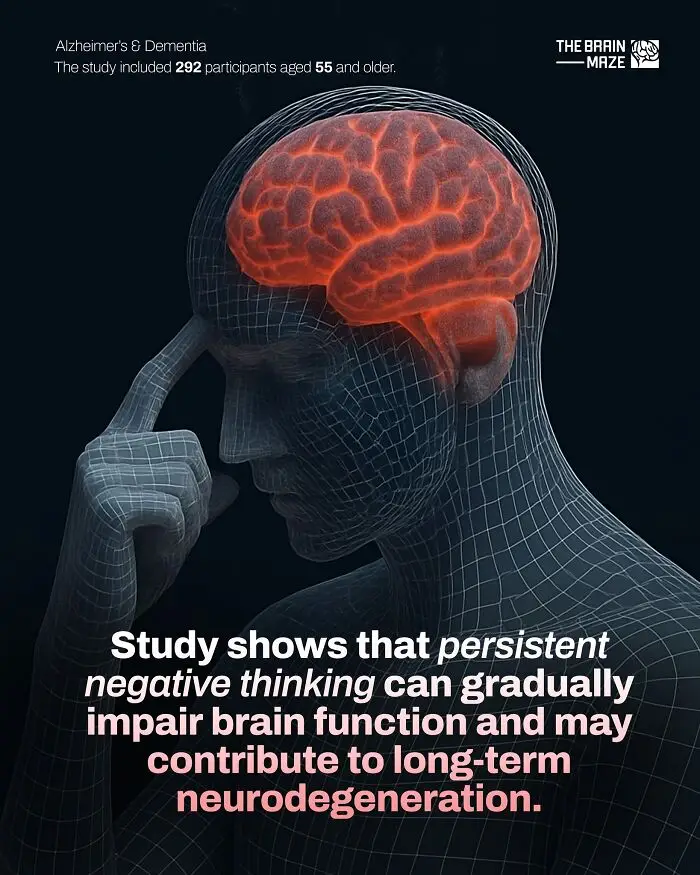
Persistent negative thinking has been linked to measurable declines in brain health in older adults. According to a study published in Alzheimer’s & Dementia, researchers followed 292 participants aged 55 and older and found that repetitive negative thought patterns were associated with reduced cognitive performance. Over time, these thought habits may contribute to harmful physiological changes in the brain, including increased markers of neurodegeneration. The findings highlight how mental and emotional habits can shape long-term neurological outcomes.
Report
15points
#43

More than one-third of Americans report that they cannot complete even five push-ups.
This finding highlights a growing decline in basic strength and functional fitness across the population.
Experts suggest that sedentary lifestyles, long work hours, and reduced physical activity are major contributors to the issue.
The inability to perform simple body-weight exercises is linked to poorer long-term health outcomes.
Overall, the data underscores the urgent need for accessible fitness habits and healthier daily routines.
Report
15points
#44

Aquagenic urticaria, or “water allergy,” is one of the rarest conditions in the world, affecting only a handful of people. When water touches the skin, it triggers painful, itchy hives and redness within minutes. The reaction happens regardless of temperature — rain, sweat, or even tears can cause discomfort. Scientists believe it may result from a reaction between water and compounds on the skin’s surface.
Report
15points
#45
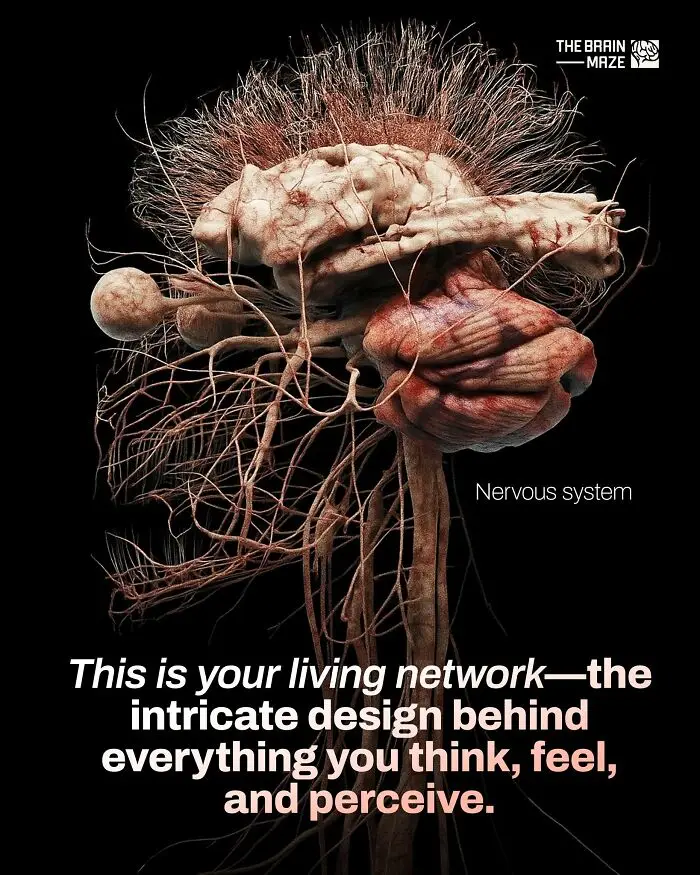
The nervous system is a living network that shapes every moment of your experience. It weaves together billions of connections, forming the pathways through which you think, feel, and interpret the world. From the firing of a single neuron to the coordination of entire sensory systems, it is constantly at work behind the scenes. Its intricate design allows your body and mind to communicate in perfect harmony. This remarkable system is the foundation of your awareness, perception, and the essence of who you are.
Report
14points
#46
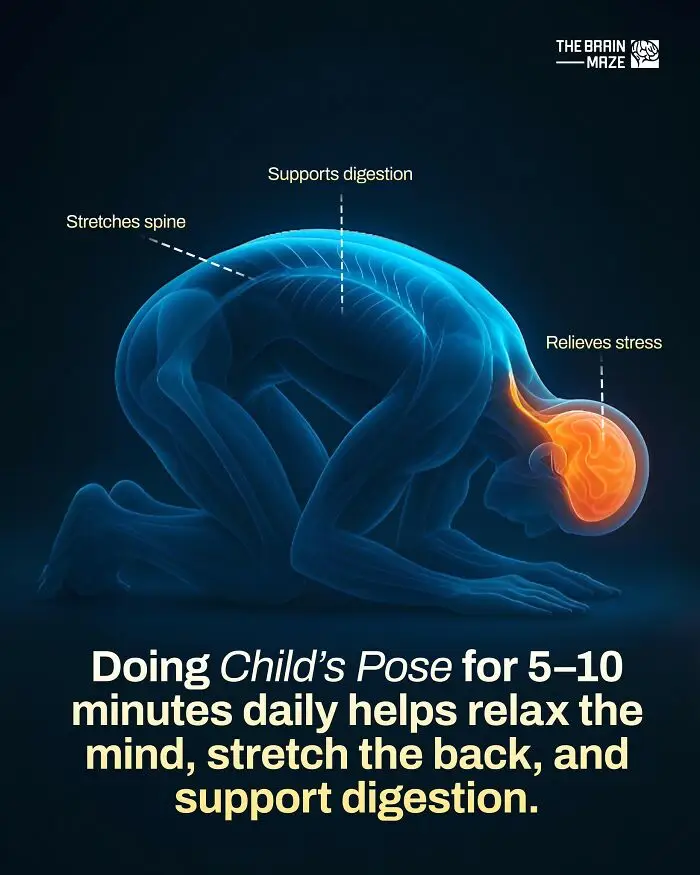
Child’s Pose, or Balasana, is a gentle, restorative yoga pose ideal for beginners and experienced practitioners alike.
It involves kneeling on the floor and folding the torso forward over the thighs while stretching the arms forward or resting them by the sides.
This pose helps relax the mind, calm the nervous system, and relieve stress and anxiety.
Physically, it stretches the lower back, hips, and thighs while supporting digestion and gently compressing the abdominal organs.
Practicing Child’s Pose for 5–10 minutes daily can enhance overall flexibility, promote mindfulness, and provide a moment of restful pause in your routine.
Report
14points
#47
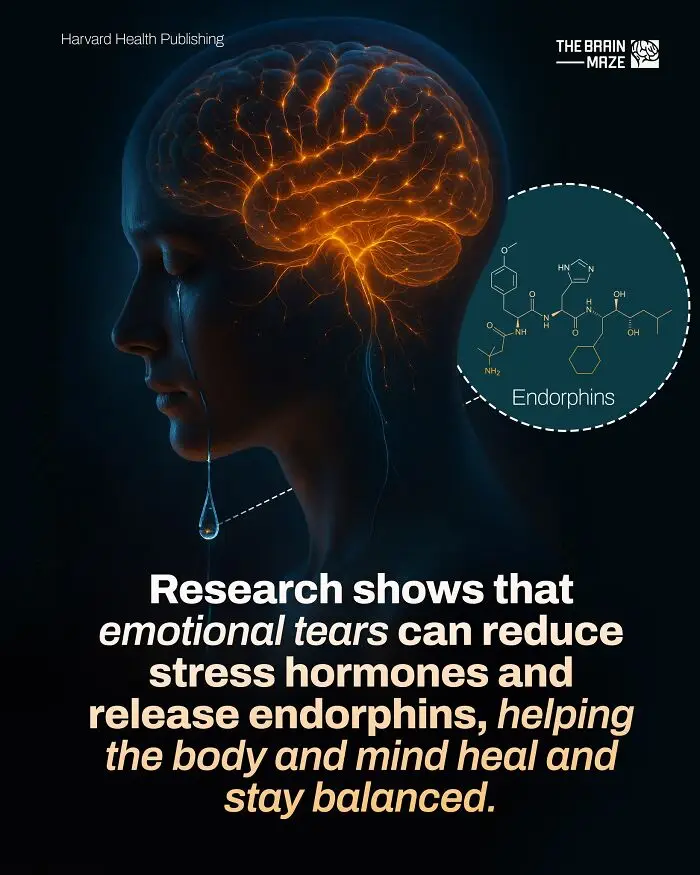
Research indicates that shedding emotional tears can have measurable benefits for mental and physical health. When we cry, the body reduces levels of stress hormones, which are chemicals that can accumulate during periods of tension and anxiety. According to Harvard Health Publishing, tears also trigger the release of endorphins, natural compounds that help alleviate pain and promote feelings of well-being. This dual effect of lowering stress and boosting endorphins contributes to a sense of emotional relief and balance. Therefore, allowing oneself to cry can be a natural mechanism for the body and mind to heal and maintain equilibrium.
Report
13points
#48
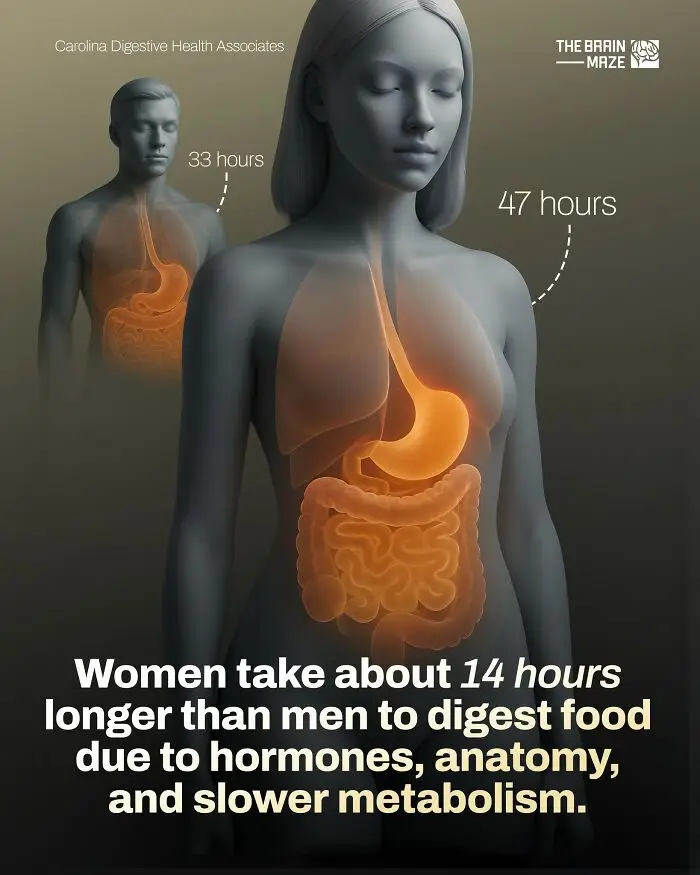
Women take about 14 hours longer than men to digest food, averaging 47 hours compared to 33 hours, according to Carolina Digestive Health Associates. This difference is largely influenced by hormonal fluctuations, particularly in estrogen and progesterone, which can slow down gastrointestinal movement. Anatomical variations, such as a longer colon in many women, also contribute to slower transit time. Additionally, women typically have a slower metabolism, further extending the digestive process. Together, these factors explain why digestion generally takes longer for women than for men.
Report
13points
#49
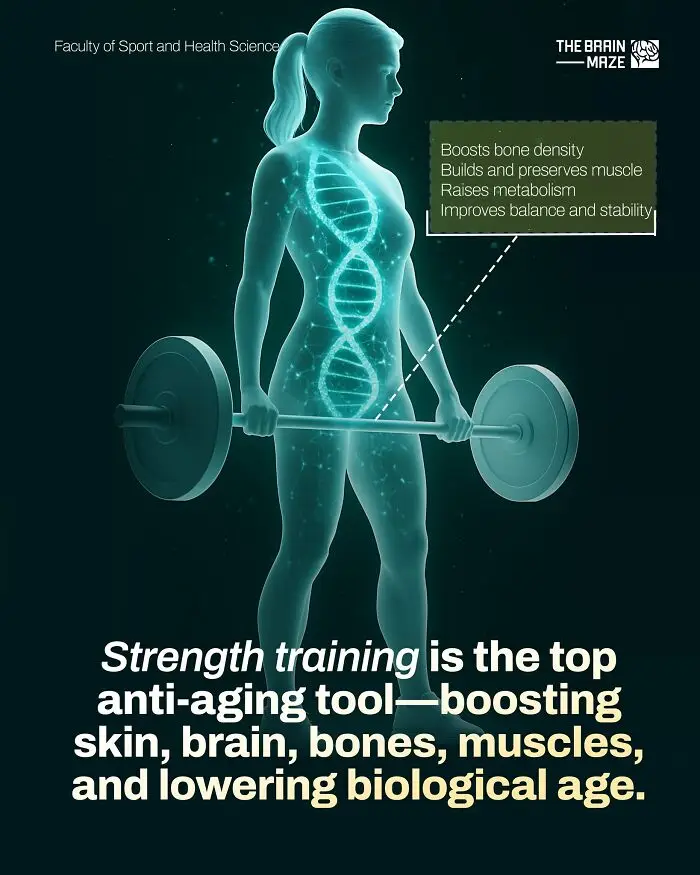
Strength training is recognized as one of the most effective anti-aging tools because it strengthens the body at every level. It not only boosts bone density and preserves muscle mass, but—according to insights from the Faculty of Sport and Health Science shown in the provided graphic—it also raises metabolism and enhances overall functional health. This makes resistance training a key factor in maintaining vitality as we age. By improving balance and stability, it reduces the risk of injury and supports long-term mobility. Altogether, these benefits contribute to healthier skin, a sharper brain, stronger bones, and a lower biological age.
Report
12points
#50
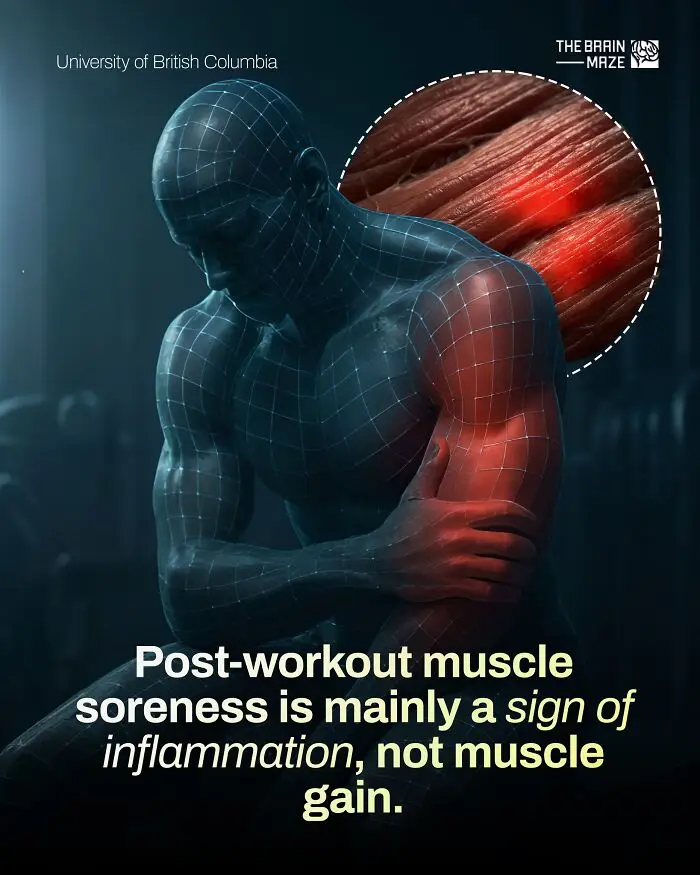
Feeling sore after a workout doesn’t necessarily mean your muscles are growing.
Scientists have found that soreness often comes from inflammation in connective tissues, not from actual muscle damage.
Training while still sore doesn’t slow recovery or prevent progress.
Some exercises and people simply experience more soreness than others due to muscle length and activation.
In reality, soreness is just a sign of unfamiliar movement, not a reliable measure of muscle growth.
Report
12points


