




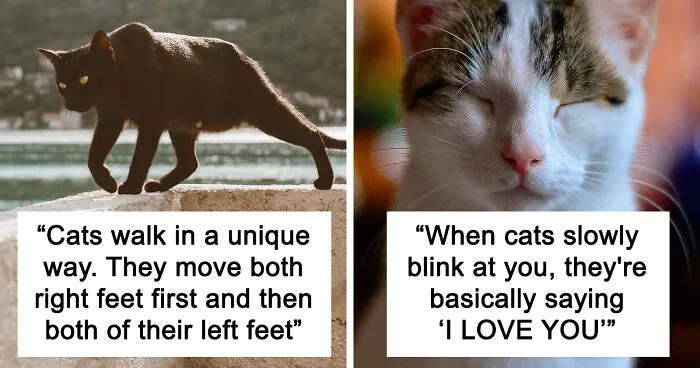


If you own a cat, you probably never get bored. Looking at them pouncing, bouncing, stalking, and purring is a source of entertainment right there. And if we have to name a few things the internet is obsessed with, it has to be our beloved feline friends and the never-ending supply of fun facts. So what if we combine these two?
Figgy The Feline is a TikTok account dedicated purr-ely to two fluffy goofballs, Figgy and Juliet. With their informative clips, they’re teaching more than 233.1K followers lesser-known tidbits about them and their mysterious logic.
So if you’re looking for some cool and interesting facts to share with your fellow cat-loving friends, we’ve got you covered. Keep scrolling, upvote the ones you didn’t know about, and share your thoughts in the comments below! Psst! If you consider yourself a true feline fan, be sure to check out our most recent posts about them right here and here.
#21
Cats actively choose to ignore us sometimes. Studies suggest that cats often hear us call for them but decide to ignore us. They believe it is because they were not bred to listen to humans, like dogs.
Report
190points
#22

Cats are responsible for the extinction of at least 63 animal species. This has landed them a spot on the "100 worst invasive species" list.
Report
183points
#23
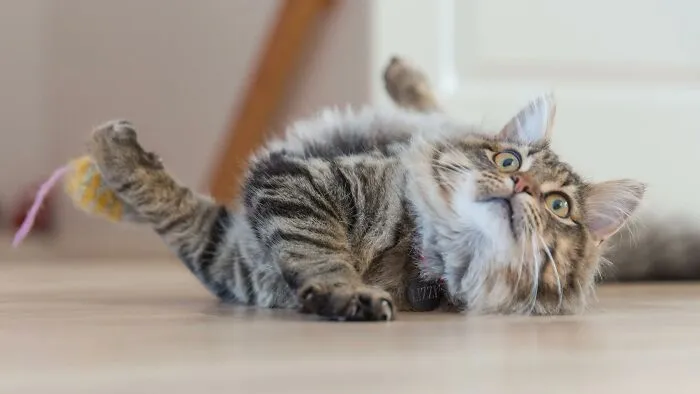
A house cat is over 95% tiger (genetically).
They have many of the same behaviors, like play hunting, scent marking, and pouncing.
They have many of the same behaviors, like play hunting, scent marking, and pouncing.
Report
180points
#24
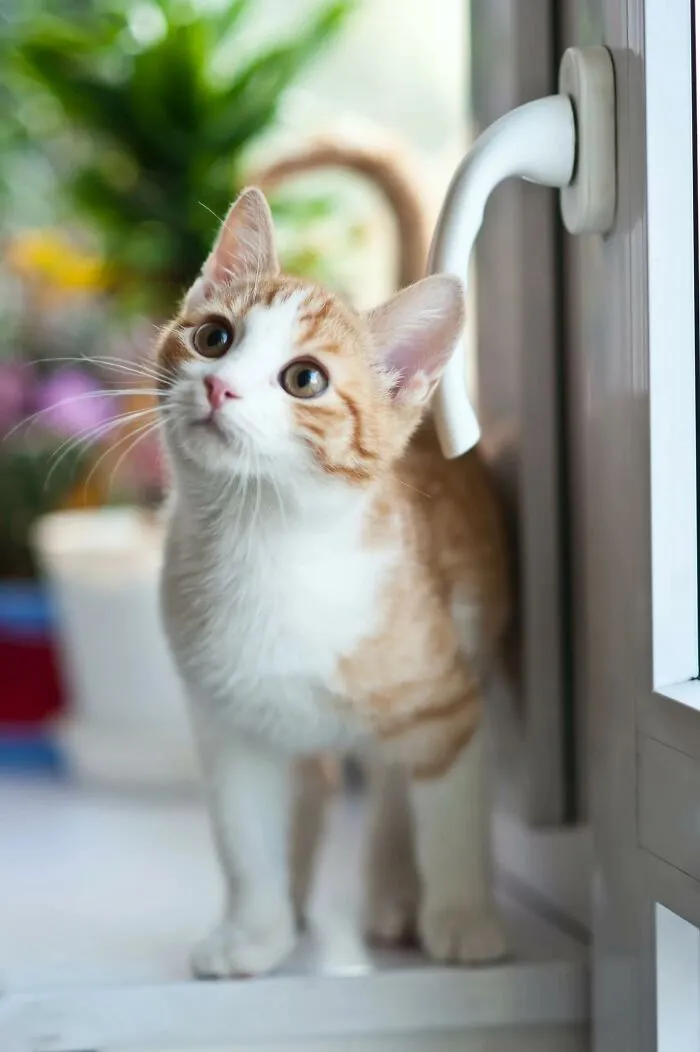
Cat whiskers are WAY MORE than just cute.
They pick up vibrations that help cats navigate their environment and determine spaces they can fit through (they are about the same width as their body).
Trimming a cat's whiskers causes them to become very disoriented.
Report
173points
#25
Cats get the "zoomies" from built up energy. They are like a wind-up toy: once energy is built up, they must let it out.
Report
172points
#26
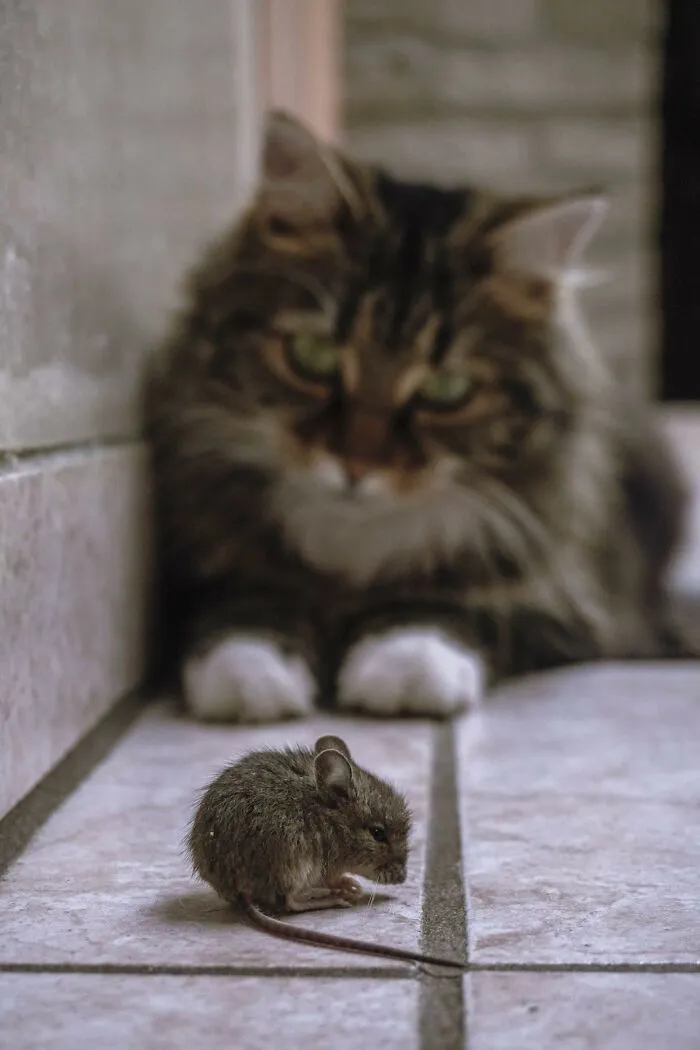
Cats often carry the parasite Toxoplasma gondii, which causes rats to be attracted to cats. T. gondii makes its way to the rodent’s brain, and stops the natural fear response to cats. They seek them out, leading to their death and the cats' meal.
Report
167points
#27
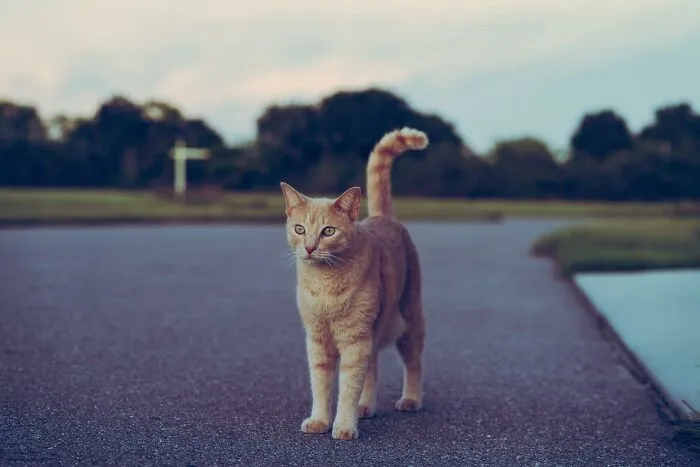
Cats can find their way home even if they have traveled many miles. Scientists don't know how they do it. Some believe they can sense the earth's magnetic field, others believe they use their strong senses.
Report
164points
#28
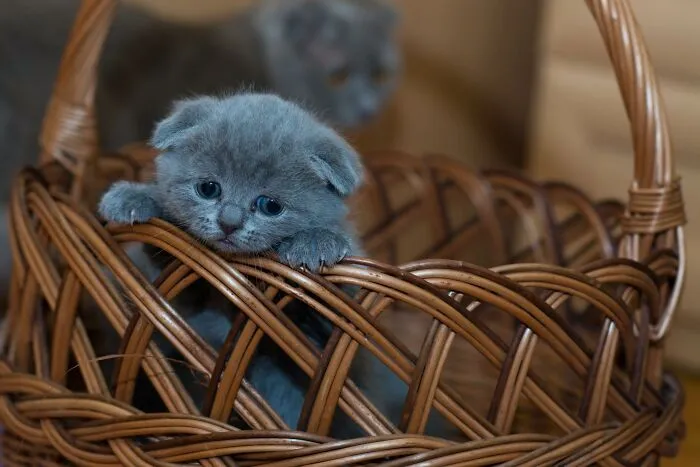
Cats can develop depression (usually caused by external stressors). Some symptoms include loss of appetite, reduced energy levels, and changes in litter box usage.
Report
159points
#29
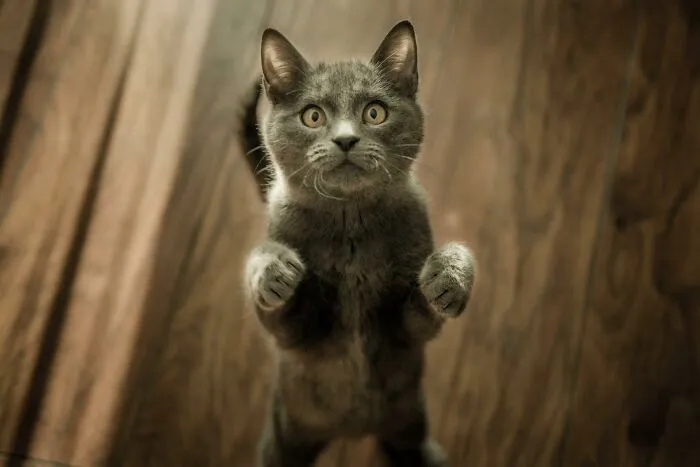
Cats communicate with their whiskers. Whiskers that are still usually mean relaxed, forward usually means curious, and back usually means upset.
Report
148points
#30
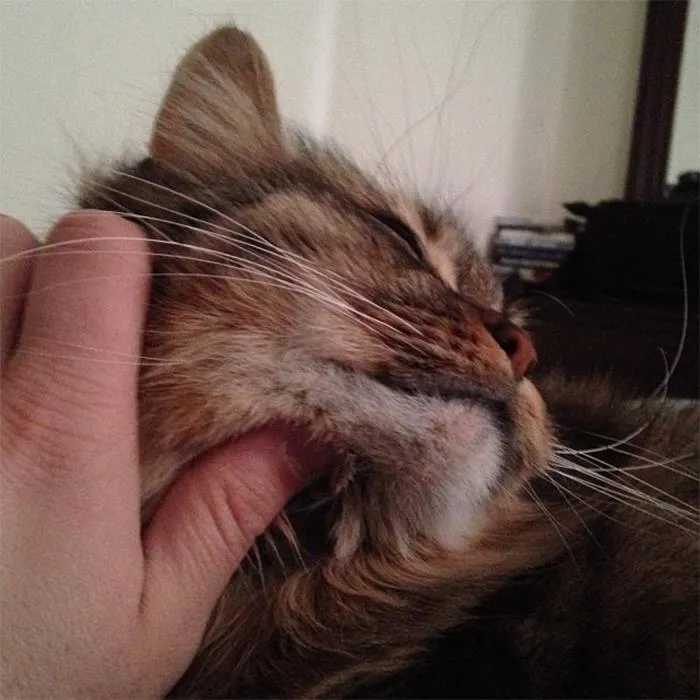
Cats can get acne. It is fairly common and is usually on the chin.
Report
134points