

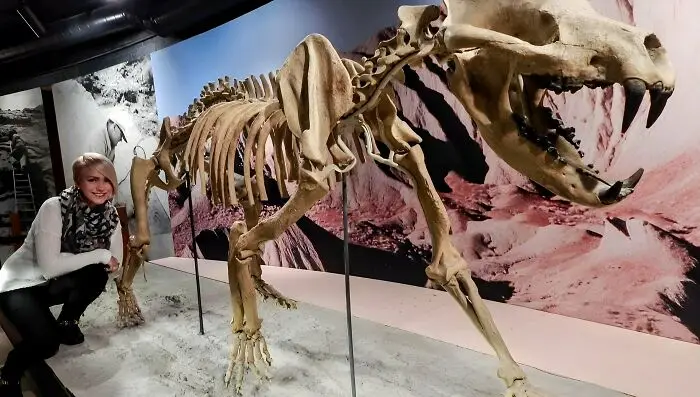
#21 Amphicyon Ingens, The Giant Bear-Dog. At 2.5m In Length And Weighing Over 550kgs, It Is One Of The Biggest Mammalian Land Carnivores Ever
Scientists are taking countless measures every day to help species avoid extinction, but each one of us can also do our part and contribute to it, Shreero says.
"Everyone can help by fighting to protect natural habitats, volunteering to restore damaged ecosystems, adopting eco-friendly living practices, donating to organizations working towards a sustainable future, fighting for policy changes in the private sector and at every level of government to force these entities to protect our planet, educating others on how to do all of the same, and SO more!
There are endless ways to protect our planet and the beautiful diversity of life on it, and by working together, we can make real and lasting change towards a sustainable future!"
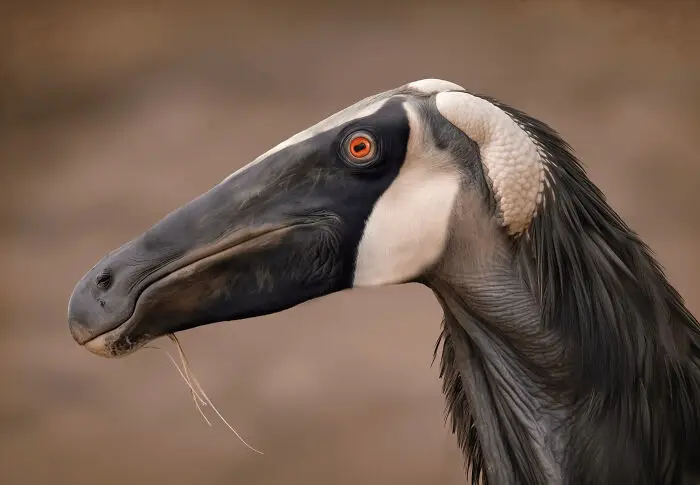
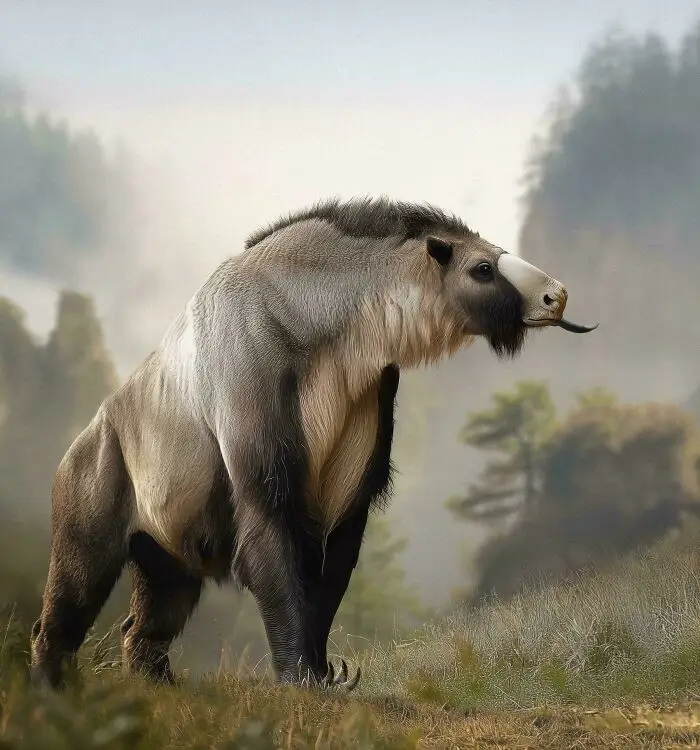
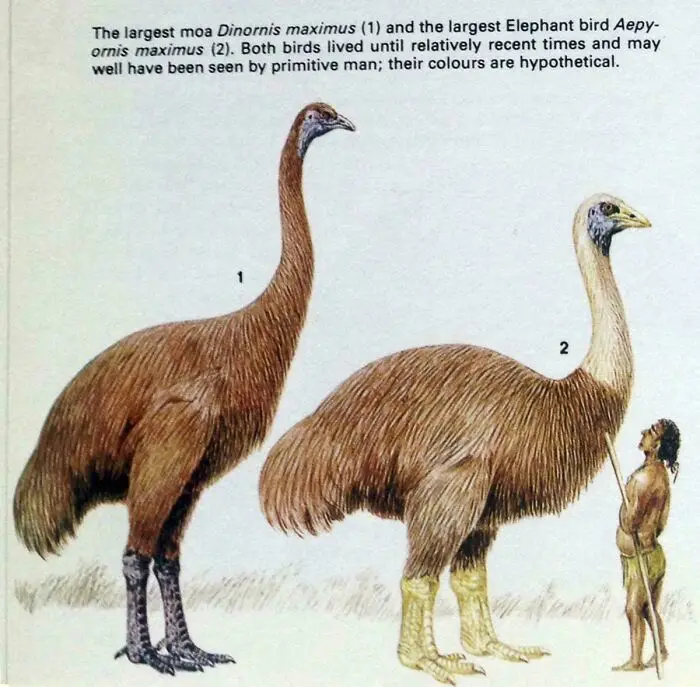
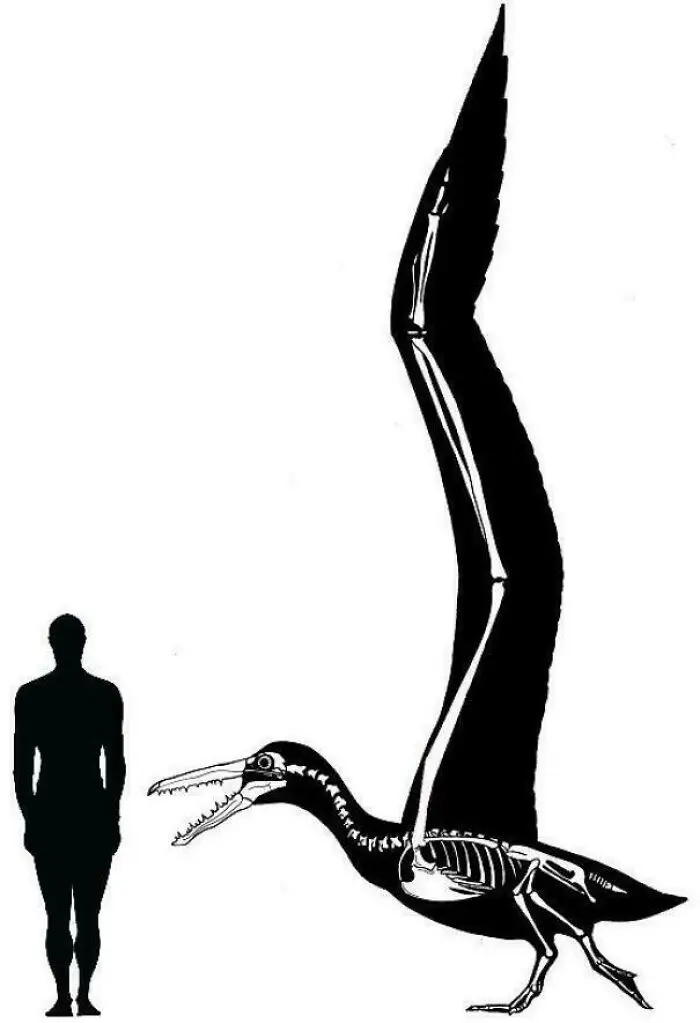
#24 Two Giant Bird Species That Both Went Extinct Less Than 1000 Years Ago. The Giant Moa And The Elephant Bird
Dr. O'Connor provides a few more examples of what everyone can do to prevent animal extinction, ones that she does personally to reduce her environmental impact.
- Avoid single-use plastics (I will never ever buy bottled water, I use shampoo bars, toothpaste that comes in a glass jar, etc.).
- Bring my own to-go containers when I eat out, and don't order food for delivery (lots of plastic waste there).
- Ride a bike and use public transportation.
- Thrift, try to avoid synthetic clothing, don't waste water (short showers, hand-wash dishes, etc.).
- Eat organic or sustainably farmed foods, consume small amounts of meat, avoid processed foods, don't waste food.
- Avoid using heating/AC (dress for the temperature), try to reduce consumption of electricity by turning off lights (I also hang dry my clothes), etc.
"These are easy things to do. Reducing and reusing are key (recycling is almost pointless). I live in an apartment, but if you have a house, you can also set up a greywater system and compost. This is our planet and our future, and we should stand up for it and for ourselves. We should not wait for the government to make laws to change things. We can say no to plastic straws, we don't need them to be made illegal, etc."
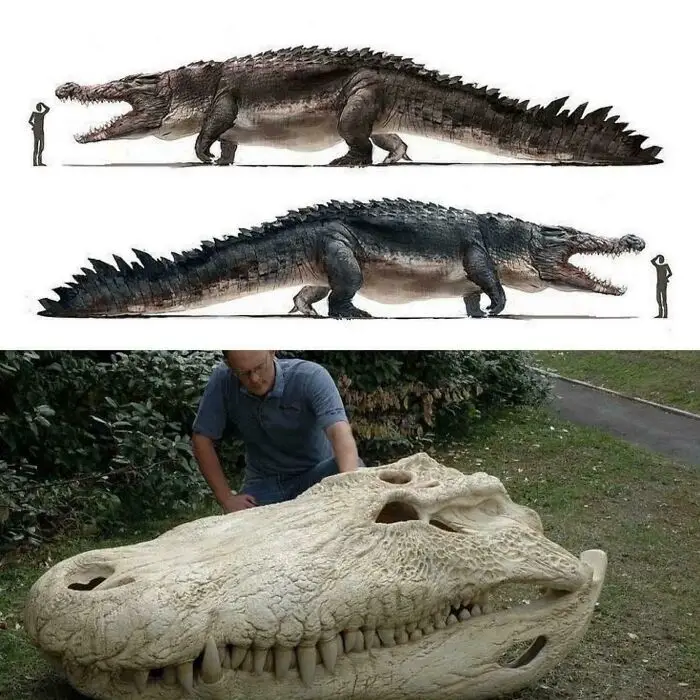
#25 Purussaurus Is One Of The Largest Known Of The Giant Crocodilians, Perhaps Even Surpassing Sarcosuchus In Size. It Reigned Supreme In Central South America In The Miocene Period, 8 Million Years Ago
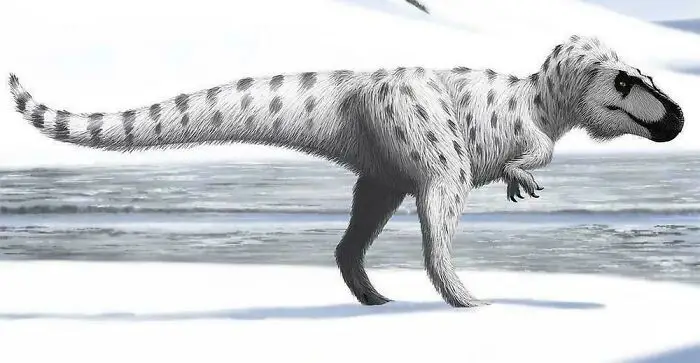
#26 Introducing The Tyrannosaur Of The Arctic, Nanuqsaurus. It Prowled Around The Area Of Alaska And Lived During Maastrichtian Period
Lastly, before we go, Burke wanted to address a topic that has recently been hot on the news.
"I need to add that there is no way to bring back long-extinct animals, even with their DNA. These companies that claim to be doing so are creating hybrids of ancient and modern animals. We won't be getting a Woolly Mammoth. We will be getting an Asian Elephant/Mammoth hybrid, carried and raised by an Asian Elephant mother. That is still an incredible breakthrough!
Conversation is what's important. We need to start focusing on living species we very much can save still, instead of throwing billions of dollars at a science project to make fluffy elephants. That being said, I am very interested in how these companies can use their incredible technologies in conservation!" Burke concludes.
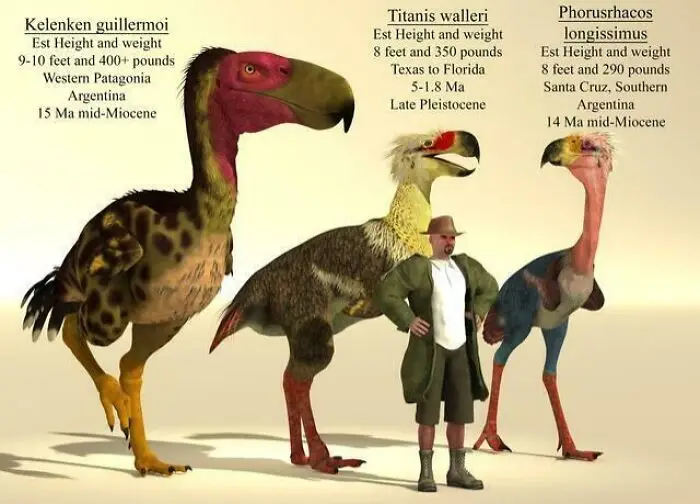
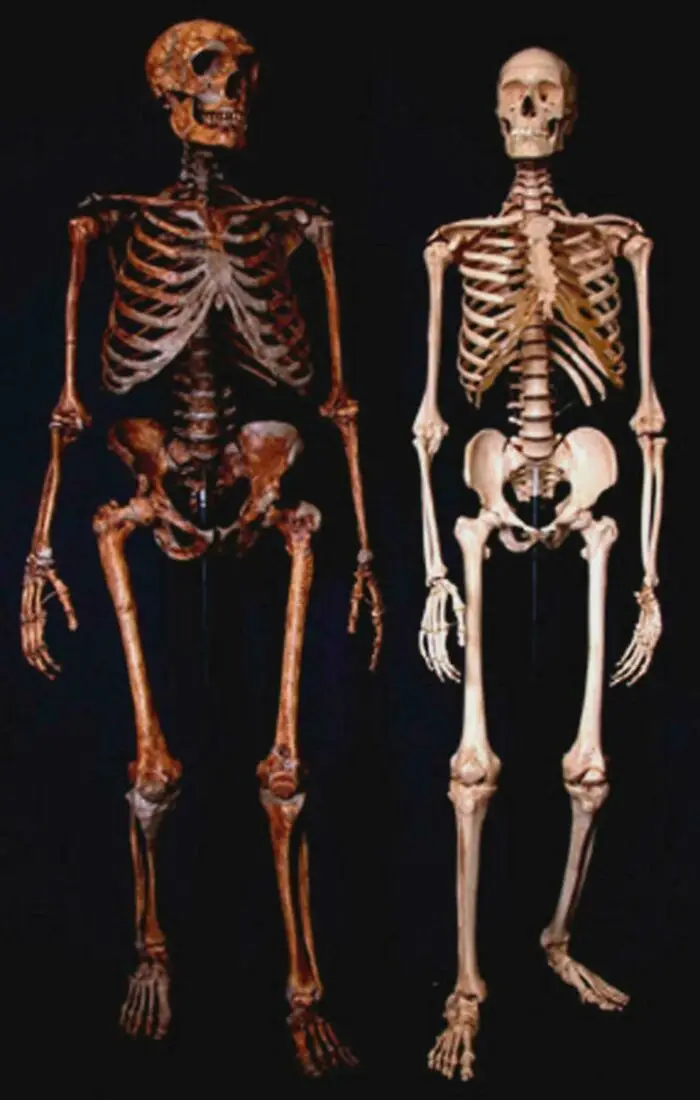
#29 Comparison Of Theoretical Neanderthal Skeleton With Anatomically Modern Human. Ribcage And Pelvis , Is Twice As Big!
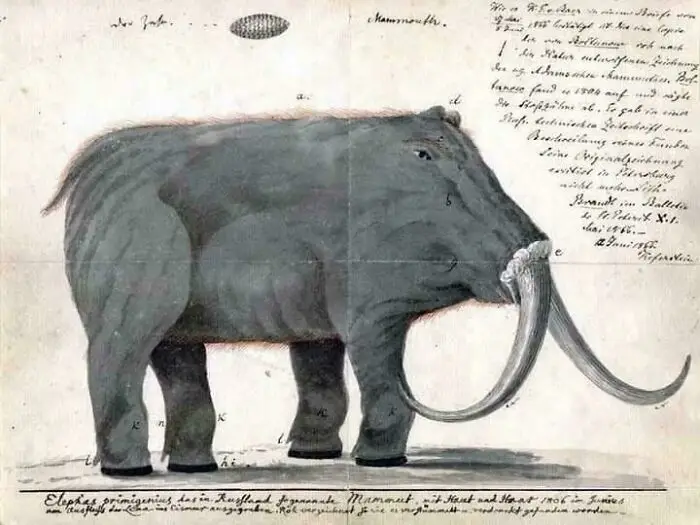
#30 Very Early Description Of A Woolly Mammoth From 1805 Based On A Frozen Carcass Found In Siberian Permafrost
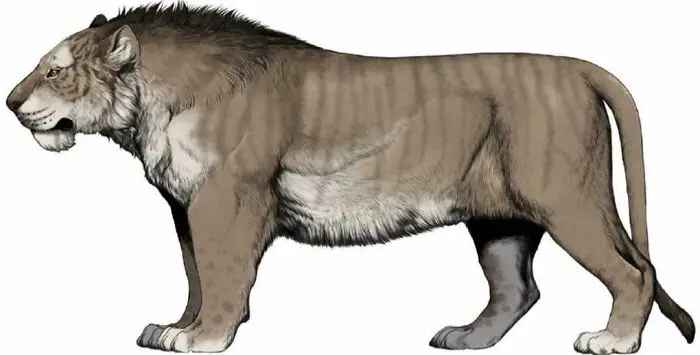
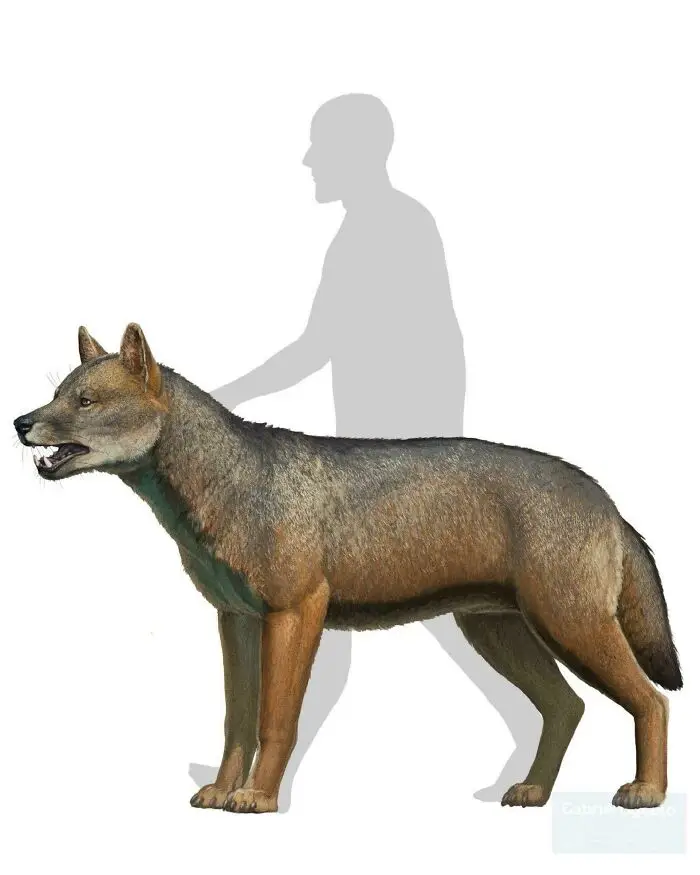
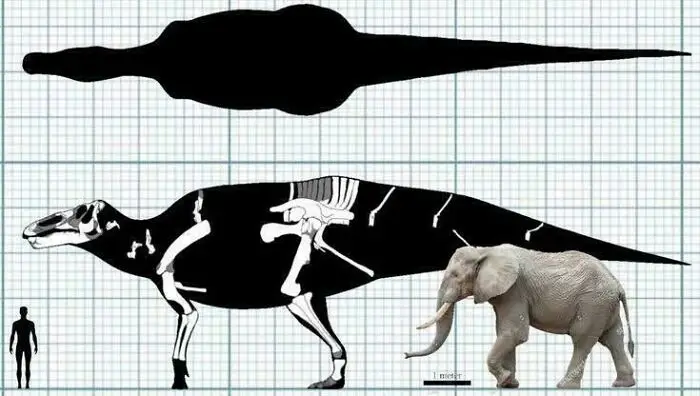
#33 Shantungosaurus, The Largest Ornithischian And Largest Known Non-Sauropod Dinosaur, Compared To A Contemporary African Elephant
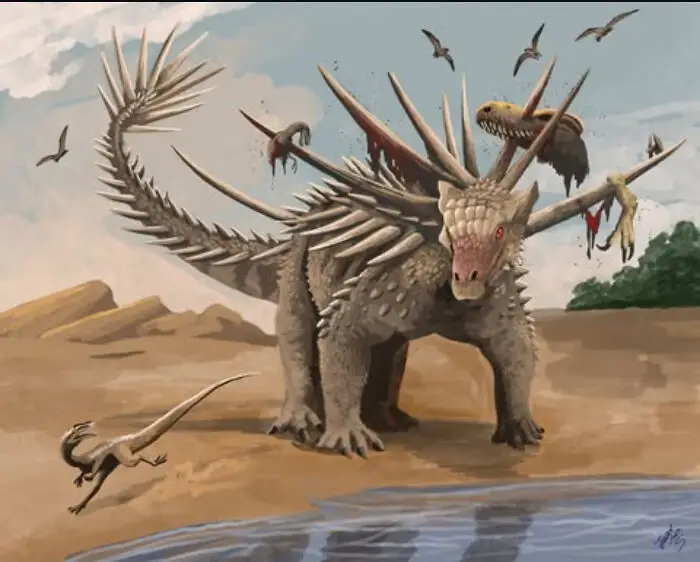
#35 When A Spicomellus Shows Up Literally Carrying The Impaled Remains Of Its Fallen Enemies As Macabre, Decomposing Ornaments, You Don't Question- You Just Give Way :b
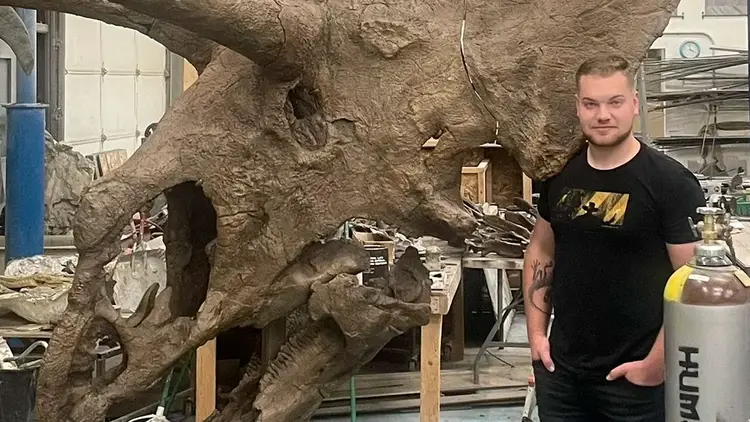
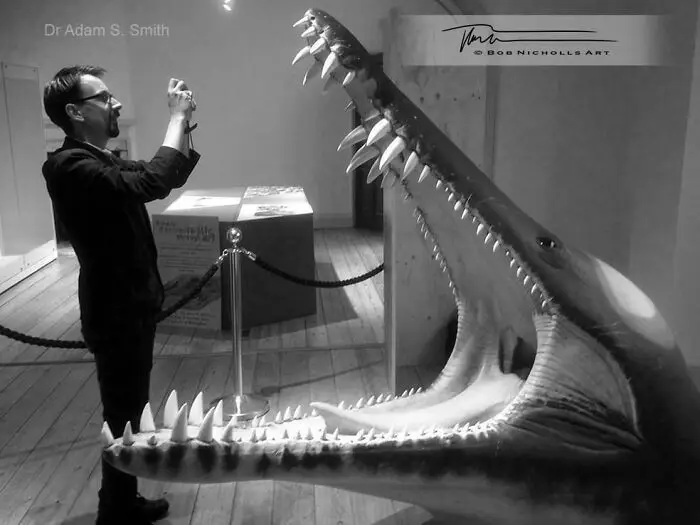
#36 The Head Of A Liopleurodon To Scale With The Artist Who Made It, Bob Nicholls
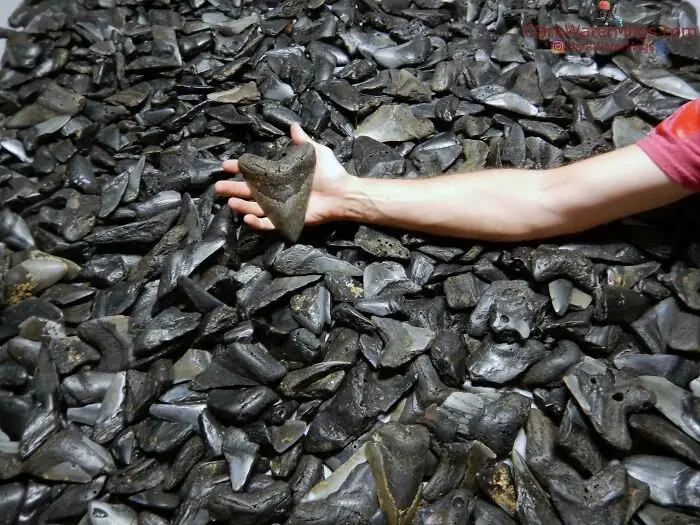
#37 Megalodons Broke A Lot Of Their Own Teeth. May Teeth Have Been Broken By The Natural Environment Over The Last Few Million Years, But Many Were Broken By The Sharks Themselves Making It Difficult To Find One That Is Complete
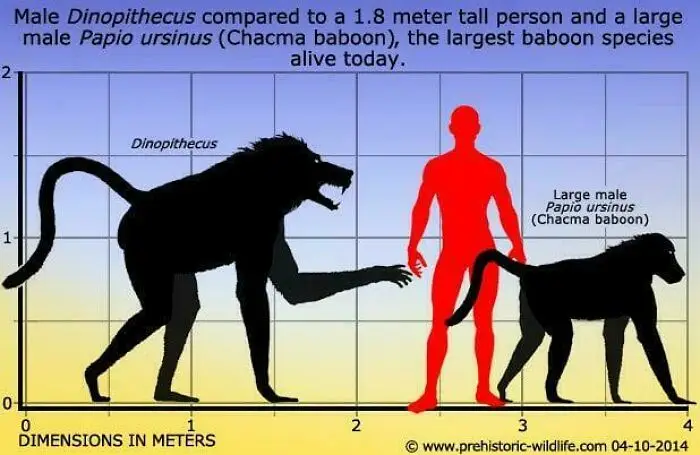
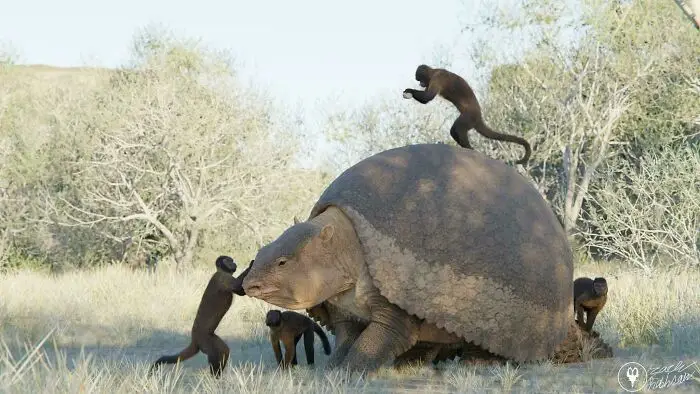
#39 Capuchin Monkeys Using A Glyptodon’s Shell And Stones To Crack Nuts But The Giant Mammal Will Make Its Lack Of Appreciation Known (By Xtinctdesign)