
#21
If you thought that camels store water in their humps, you'd be wrong yet again. Their humps, in fact, contain fat. It is true, however, that they can go significantly long periods without drinking. At any one time, they can drink up to 20 gallons of water, and they store it all in their bloodstream. And what's the fat for? The camel uses it for sustenance when there's no food available. When they haven't eaten for a long time, their humps will go limp and droop down.
#22
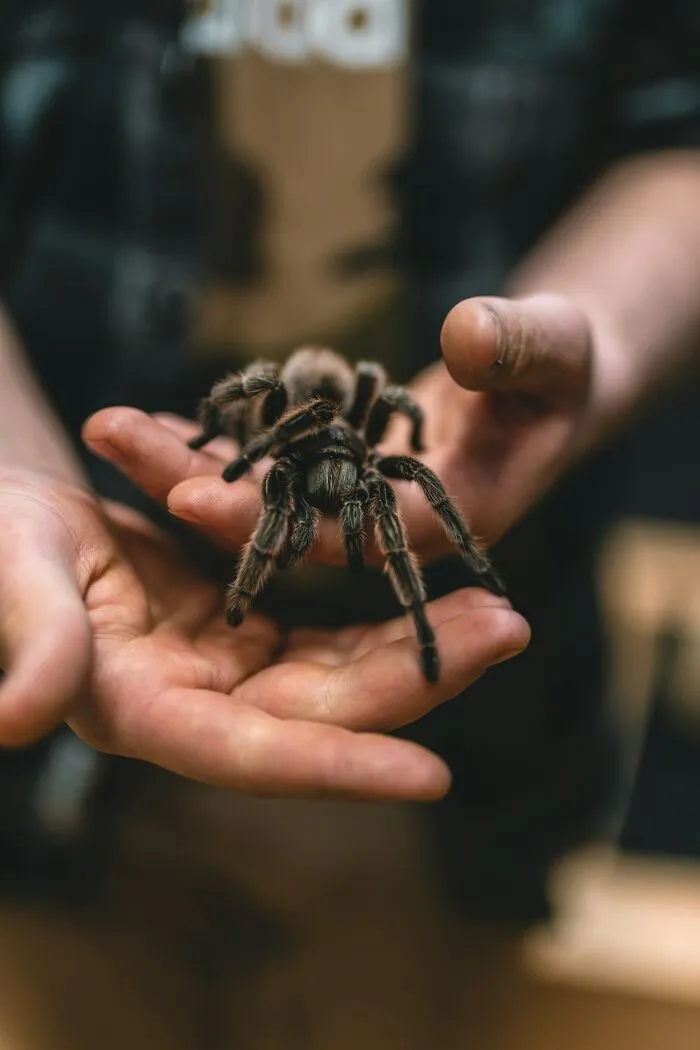
For unknown reasons, this partnership has independently sprung up several times across the world. From the Amazon Rainforest to India, giant spiders have teamed up with narrow-mouthed frogs, or microhylids.
It was originally thought that this was an example of commensalism: the amphibian hangs around the arachnid for protection (snakes and lizards steer clear of the dangerous tarantulas), but the latter merely tolerates its presence, rather than enjoying any benefits itself. After all, microhylid frogs are highly poisonous, so the spiders couldn’t eat them even if they wanted to.
However, it appears that the relationship is more complex; that the benefit is mutual. The little froglets hoover up any ants which might attack the tarantula’s eggs, and, since ants are far too small and agile for the giant arthropods to combat, this is very helpful. Evidence suggests the spiders can even distinguish partner frogs from others via chemical signals. So, the amphibian’s love is not unrequited: the two creatures provide advantages to each other.
#23
#24
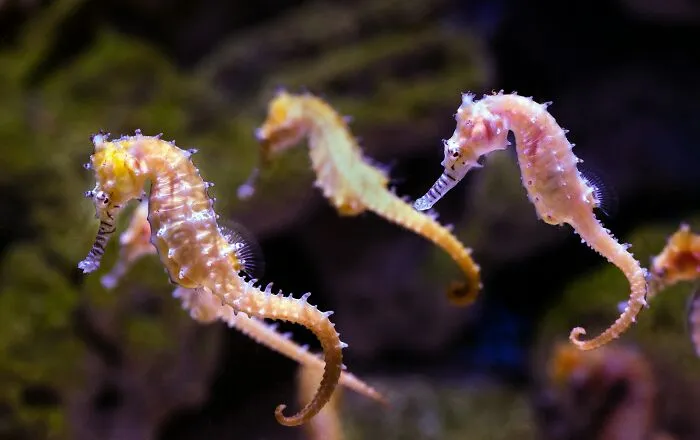
If you're afraid to touch a frog or a toad, somebody at some point probably told you that you'll get warts if you do. However, that's not true. You can touch any amphibian you want and you won't get any warts on your hands from that. Toads and frogs do have wart-looking bumps on them, but they're glands that don't actually secrete anything, so you're safe.
#26
#27

Our last animal myth has to do with man's best friend, the dog. Many people think that dogs are color-blind and can't enjoy life in all its technicolor, but that's not entirely true. Dogs are very good at distinguishing between shades of blues, yellows, whites, and grays, so, they don't see the world in black and white. They have more trouble with reds and greens, though. So, the next time you're buying a toy for your doggo, maybe opt for a blue or a yellow toy so they can see it better.
#28
#29
#30

Which of these facts surprised you the most, Pandas? Which did you know already? Share your adorable facts about the animal kingdom in the comments below! And if you want to learn more wholesome things about wildlife, check out a similar article we previously did here!
#31
#33
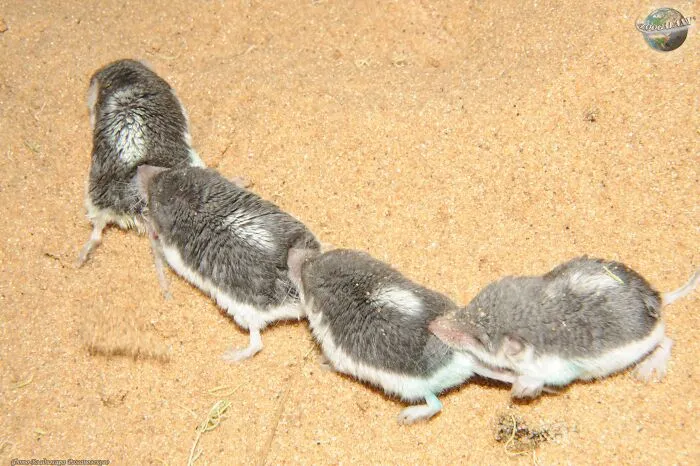
When a mother shrew wants to take her babies places, one will carry her tail in its mouth, then its sibling will do the same to it, and so on. These “caravans” can comprise up to 7 or 8 shrews.
Another cool fact about shrews is that their brains shrink by 15% in the winter, so they can survive the food-scarce winter.
#34
#35
#36
#37
#38
#39
#40